
Sauces & Condiments
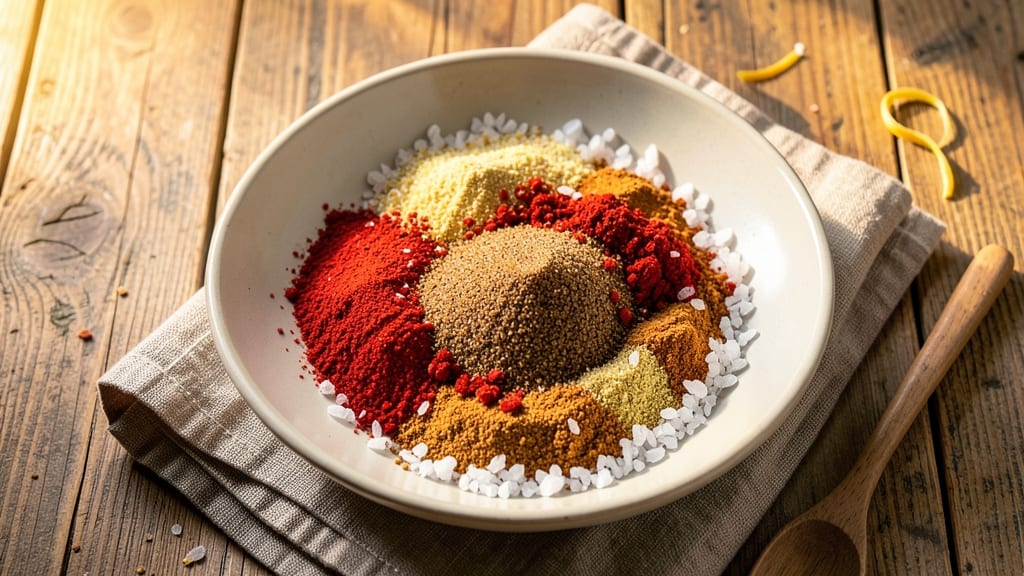
This apple BBQ rub recipe transforms ordinary grilled pork into smoky-sweet perfection with just five simple ingredients. As a pitmaster who's spent years perfecting dry rubs, I can tell you this blend strikes the perfect balance between sweet apple notes and deep smoky heat.
The key is letting the spices bloom on the grill—this isn't just seasoning, it's flavor architecture.
The beauty of this dry rub lies in its versatility. You'll use equal parts brown sugar and apple cider powder (or finely ground dried apple) as your sweet base, with smoked paprika and garlic powder providing that essential smoky depth.
Cayenne pepper adds just enough heat to keep things interesting without overpowering. Unlike liquid marinades, this dry blend clings perfectly to meats, creating that signature bark we all crave.
What makes this rub truly special is how it elevates pork—whether you're working with ribs, chicken, or beef brisket. The apple cider powder infuses subtle fruit notes while the spices develop complex caramelized flavors through dry heat.
I've tested this blend on everything from competition-style ribs to quick weeknight pork chops, and it delivers restaurant-quality results every time.
Store your rub in an airtight container for up to three months, where it'll maintain its vibrant colors and potent flavors. The secret to success? Apply generously before grilling, then let the heat work its magic.
This isn't just seasoning—it's the foundation for showstopping grilled meats that'll have your guests asking for the recipe.
Ingredients for apple bbq rub
Five simple spices and sugars blend into this smoky-sweet rub that'll make your pork unforgettable.
| Ingredient | Amount | Notes |
|---|---|---|
| Light Brown Sugar 🍯 | 2 tbsp | Packed for accurate measure |
| Apple Cider Powder 🍎 | 1 tbsp | Or finely ground dried apple |
| Smoked Paprika 🌶️ | 1 tbsp | High-quality for smoky depth |
| Garlic Powder 🧄 | 1 tsp | Freshly ground preferred |
| Cayenne Pepper 🔥 | ½ tsp | Adjust for desired heat |
| Diamond Crystal Kosher Salt 🧂 | 1 tsp | Coarse grain preferred |
| Ground Black Pepper 🌶️ | ½ tsp | Freshly cracked for flavor |
The brown sugar is non-negotiable here—it's what creates that signature caramelized bark. Muscovado sugar adds even more depth if you're feeling fancy, but regular light brown sugar works perfectly fine. Apple cider powder is the secret weapon—it's just dried apple cider, ground fine. Trader Joe's sells it pre-made, or you can dehydrate apple cider yourself. For the smoked paprika, Penzeys or McCormick are solid choices, but any quality brand will do. The key is making sure your spices are fresh—if they smell stale, toss them. I always buy my spices in small quantities and use them within six months.
No apple cider powder? Finely ground dried apple works just as well—just pulse it in a food processor until it's powdery. Short on smoked paprika? Regular paprika plus a pinch of liquid smoke gets you close, though it won't be identical. Want less heat? Cut the cayenne to 1/4 tsp or swap it for white pepper. The kosher salt matters here—it dissolves better than table salt and gives you that perfect balance. If you're using this rub on chicken or beef, you might want to bump up the cayenne a bit since these meats handle heat differently than pork. And trust me, freshly ground spices make all the difference.
This rub keeps beautifully in an airtight container for up to 6 months—the spices stay vibrant and potent. I portion mine into small jars so I always have it ready for quick grilling sessions. If you make a big batch, freeze half of it to preserve freshness. The sugar will crystallize slightly over time, but just give it a quick stir to break it up before using. This stuff is so versatile—ribs, chicken, even roasted vegetables get a flavor boost from it. Just remember, the secret is applying it generously and letting the heat work its magic on the grill.
Why You'll Love This Recipe
- No Measuring Guesswork: Honestly, I just eyeball the brown sugar and apple cider powder—it’s that forgiving. The smoked paprika and cayenne give it depth without fuss, and I’ve never had a batch where the flavor let me down.
- Sweet Heat Magic: That cayenne and brown sugar combo? It’s the kind of balance that makes you want to lick the bowl. The apple cider powder adds a subtle tang that cuts through the richness, and the garlic powder ties it all together like a cozy hug.
- Tailgate to Dinner: Between us, this rub works on everything—pork shoulder, chicken thighs, even roasted potatoes. I’ve used it for summer BBQs, lazy weeknight dinners, and even as a dry brine for turkey. It’s my secret weapon for effortless flavor.
- Pantry Staple Power: I keep all the ingredients on hand because they’re cheap and last forever. A little goes a long way, so I make big batches and store it in a jar. No waste, no stress—just flavor whenever I need it.
Step-by-step instructions for apple BBQ rub
This smoky-sweet blend comes together in minutes and transforms grilled pork into a showstopper.
Measure All Ingredients Precisely
Start by gathering all your ingredients in a small bowl. I like to use a measuring spoon for the 2 tablespoons light brown sugar—pack it firmly so you get an accurate measurement. The 1 tablespoon apple cider powder should be finely ground if possible, as any lumps will affect the texture of your rub. For the 1 tablespoon smoked paprika, I recommend using a high-quality brand for that deep, smoky flavor that sets this rub apart.
Next, add the 1 teaspoon garlic powder, 0.5 teaspoon cayenne pepper, 1 teaspoon Diamond Crystal kosher salt, and 0.5 teaspoon ground black pepper. The cayenne is where you can adjust for heat—start with the full amount if you like it spicy, or reduce to 0.25 teaspoon for a milder kick. The kosher salt is crucial here; it helps the other flavors cling to the meat while preventing the rub from being too sweet.
Whisk Until Evenly Combined
Use a fork or small whisk to thoroughly combine all the ingredients in the bowl. I like to give it a good 30-second whisk to break up any clumps and ensure every grain of sugar and spice is coated. The mixture should look uniformly colored with no dry spots—this means your rub will distribute evenly on the meat. If you're making this ahead of time, now's a great opportunity to transfer it to an airtight container for storage.
Here's the thing—this rub works best when it sticks to the meat, so take a moment to press it firmly into the surface. The sugar will caramelize during grilling, creating that beautiful bark you crave. If you notice any dry patches after applying it, just rub a little more into those spots with your fingers.
Apply to Pork Before Grilling
Pat your pork chops or ribs dry with paper towels—this step is non-negotiable for crispy bark. Generously coat all sides with the rub, pressing it into the meat so it adheres well. For extra flavor penetration, let the rubbed pork sit at room temperature for 15-20 minutes before grilling. This allows the spices to begin working their magic and ensures even cooking.
When you're ready to grill, watch for that perfect sear. The rub should develop a dark, glossy crust in about 8-10 minutes on medium-high heat. You'll know it's ready when the edges are deeply caramelized and the pork releases easily from the grates. The apple cider powder adds a subtle sweetness that pairs beautifully with the smoky paprika and heat from the cayenne.
Store for Future Use
Any leftover rub can be stored in an airtight container at room temperature for up to 3 months. The flavors actually deepen over time, making it perfect for future grilling sessions. If you notice the rub becoming clumpy, simply break it up with your fingers before using—it'll work just fine. This versatile blend isn't just for pork; it works beautifully on chicken, ribs, or even roasted vegetables for a sweet-smoky twist.
Pro tip: For an extra boost of flavor, mix a little of this rub with olive oil to create a marinade. Just be sure to let the meat marinate for at least 2 hours before grilling to maximize flavor penetration. The combination of apple cider powder and smoked paprika creates a unique profile that stands out from traditional BBQ rubs.
Pro Tips For Making Apple Bbq Rub
- TOAST THE SPICES FIRST: I learned this the hard way—skipping it makes the smoked paprika and cayenne taste dull. Heat a dry pan over medium and toast the spices for 30 seconds until fragrant. Let them cool completely before mixing with the sugar, or you’ll end up with a sticky mess.
- USE LIGHT BROWN SUGAR (NOT DARK): Dark brown sugar adds molasses depth, which can overpower the apple cider’s brightness. Light brown sugar caramelizes faster and keeps the rub from tasting too heavy or cloying—especially when paired with cayenne.
- WHISK DRY, THEN ADD OIL: Mixing the dry ingredients first (sugar, spices, apple cider powder) ensures even distribution. Only add 1 tablespoon of oil at the end—just enough to clump the rub without making it gloppy. Too much oil = rub slides off meat.
- STORE IN AIRLESS CONTAINER: This isn’t just about freshness—condensation ruins your rub. Pack it tightly in a jar or resealable bag, press out all air, and store it in the fridge for up to 2 weeks. No one wants clumpy, moldy rub after all that work.
Troubleshooting perfect results
Uneven Application
If your rub isn't sticking to the meat or looks patchy after application, you're dealing with moisture or improper technique. First, make sure your meat is completely dry—pat it down with paper towels before applying the rub.
I've seen this happen when people skip this step, especially with fatty cuts like pork belly. For stubborn moisture issues, let the meat sit uncovered in the fridge for 30 minutes before seasoning.
Once dry, press the rub firmly into the surface using your fingers or a clean kitchen towel—this helps it adhere better than just sprinkling. 🌡️
Flat or Weak Flavor
When your rub lacks depth or tastes bland, it's usually because the spices weren't activated properly. The key is blooming: heat the spices gently in a dry skillet for 1-2 minutes before applying to meat. This releases their essential oils.
I also recommend applying the rub 1-2 hours before cooking to let the flavors meld. If you're grilling, consider adding a light spray of apple cider vinegar before applying the rub—it helps the spices stick better and adds subtle tang.
For extra punch, sprinkle a pinch of Penzeys smoked salt over the rub before pressing it into the meat.
Too Sweet or Too Spicy
Balancing sweetness and heat is all about ratios. If your rub tastes too sweet, reduce the brown sugar by ½ teaspoon and increase the smoked paprika by the same amount. For too much heat, cut the cayenne pepper to ¼ teaspoon or replace it with white pepper.
I've found that pork ribs handle heat better than chicken, so adjust accordingly. Always taste-test on a small piece of meat first—this gives you a chance to tweak before committing to your whole cut. Remember, you can always add more rub during cooking, but you can't take it away!
Clumping in Storage
If your rub develops clumps during storage, it's likely due to moisture exposure. Store your rub in an airtight container with a silica gel packet to absorb any humidity. I keep mine in small mason jars with tight-sealing lids.
If clumps form, simply press the rub through a fine-mesh sieve before using. For extra insurance, store your rub in the freezer—it'll stay fresh for up to 6 months without losing potency. The sugar might crystallize slightly, but a quick stir with a fork will break it up.
Never store your rub in the refrigerator—temperature fluctuations can cause condensation, which ruins the texture.
Burnt or Bitter Taste
When your rub develops a burnt or bitter flavor, it's usually from overcooking or using stale spices. Never let your meat sit directly over flames—keep it 4-6 inches away from heat sources to prevent scorching.
For ribs, I recommend using the 3-2-1 method: 3 hours unwrapped, 2 hours wrapped in foil, and 1 hour back on the grill to develop that perfect bark. If you suspect stale spices, toss them and start fresh.
I always check the expiration dates on my spices and replace them every 6 months, even if they still smell okay. Fresh spices make all the difference in flavor!
Rub Won't Stick to Thin Cuts
For delicate cuts like pork chops or chicken breasts, the rub tends to slide off during cooking. The solution? Create a makeshift crust. Mix 1 tablespoon cornstarch with 1 teaspoon apple cider powder and lightly coat the meat before applying the rub.
This helps it adhere better. I also recommend using a light spray of olive oil before applying the rub—just enough to coat the meat without making it greasy.
For extra security, press the rub into the meat using a clean kitchen towel, then let it sit for 10-15 minutes before cooking. This gives the spices time to bind to the surface properly.
Nutrition facts
Frequently asked questions
Can I substitute apple cider powder in this rub?
If you can't find apple cider powder, use 1 tablespoon finely ground dried apple instead. For an even deeper apple flavor, try ½ teaspoon apple pie spice mixed with ½ teaspoon cinnamon. The key is keeping the texture powdery—avoid using fresh apple pieces or chunks.
How long should I let the rub sit on meat before cooking?
For best results, apply the rub 1-2 hours before grilling and let it rest at room temperature. This allows the spices to bloom and cling to the meat. For thin cuts like pork chops, 30 minutes is sufficient. Never skip this step—it makes all the difference in flavor development!
Can I use this rub on foods other than pork?
This versatile rub works beautifully on chicken, beef brisket, and even roasted vegetables! For poultry, reduce the cayenne to ¼ teaspoon to prevent overpowering. For beef, consider adding ½ teaspoon onion powder to complement the apple notes. The possibilities are endless—just adjust the heat level to suit your preferences.
Why does my rub sometimes look clumpy?
Clumping happens when moisture gets trapped in the container. Store your rub in an airtight container with a silica gel packet to absorb humidity. If clumps form, simply press the rub through a fine-mesh sieve before using. For extra freshness, store half in the freezer—it'll stay perfect for up to 6 months.
What's the best way to store leftover rub?
Keep your rub in an airtight container at room temperature for up to 3 months. For longer storage, freeze it in small portions. The flavors actually improve over time! Just break up any clumps before using. I like to keep small batches in mason jars for quick access to my favorite grilling flavors.