
Sauces & Condiments
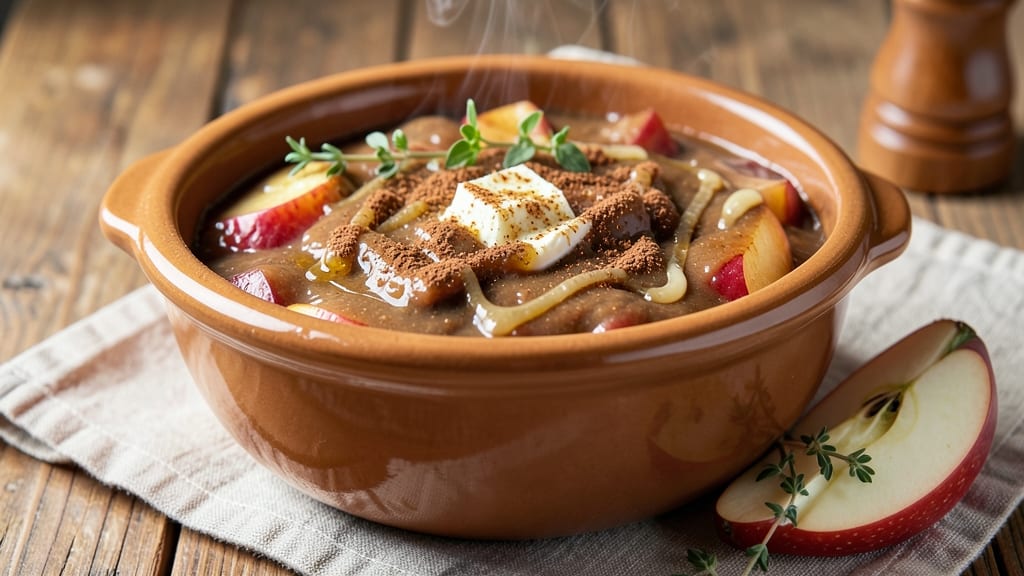
This apple butter with cinnamon oil transforms simple apples into a velvety, aromatic spread that feels like autumn in every bite. The slow-cooked process caramelizes natural sugars while infusing warm spices, creating a thick, spreadable texture perfect for toast, cheese boards, or drizzling over yogurt.
I developed this recipe after craving something richer than store-bought versions—where the cinnamon oil adds a subtle, luxurious depth that sets it apart.
The secret lies in the slow cooking method, which reduces the apples into a glossy paste while preserving their natural sweetness. Unlike quick recipes, this version simmers for hours, allowing flavors to meld and develop complexity.
You'll need just 6 simple ingredients—apples, sugar, cinnamon, vanilla, and that signature cinnamon oil—but the result tastes like a gourmet kitchen's secret weapon. The oil doesn't just flavor; it transforms the butter into something extraordinary.
What you'll end up with is a thick, spreadable apple butter with a caramelized finish and warm cinnamon notes that linger. It's stable enough to store for months in the fridge, making it perfect for gifting or meal prep.
The texture should be smooth yet slightly rustic, with just enough body to cling to toast without sliding off. This isn't just apple butter—it's a versatile condiment that elevates everyday meals.
Use it on warm sourdough, swirled into oatmeal, or paired with sharp cheddar for a sophisticated snack. The cinnamon oil ensures every spoonful feels special, while the slow cooker does all the work.
Ready to make a batch that'll have everyone asking for seconds? Let's get started with the ingredients.
Ingredients for apple butter with cinnamon oil
Six ingredients elevate simple apples into a luxurious, slow-simmered condiment with autumnal depth.
| Ingredient | Amount | Notes |
|---|---|---|
| McIntosh Apples 🍎 | 4 lb | Peeled, cored, roughly chopped |
| Granulated Sugar 🍚 | 2 cups | Light brown preferred for depth |
| Ground Cinnamon 🌿 | ½ cup | High-quality, freshly ground |
| Pure Vanilla Extract 🍯 | 2 tbsp | Bourbon-infused for complexity |
| Unsalted Butter 🧈 | ½ cup | Cold, cubed for emulsification |
| Cinnamon Oil 🌶️ | 1 tsp | Pure, food-grade essential oil |
| Apple Cider Vinegar 🍏 | 1 tbsp | Balances sweetness, pasteurizes |
The apples are the foundation—McIntosh delivers perfect balance of sweetness and acidity, but Honeycrisp or Granny Smith work beautifully too. Whole Foods or local orchards often carry the best quality, with vibrant color and firm texture. Avoid bruised fruit, as it releases excess liquid during cooking. For sugar, light brown adds subtle molasses notes that enhance caramelization, while granulated works in a pinch. The cinnamon oil is non-negotiable—Mountain Rose Herbs or Starwest Botanicals offer food-grade quality, and it transforms this from ordinary apple butter to something extraordinary. Store-bought extracts won't cut it—the pure oil infuses flavor at a molecular level.
No cinnamon oil? Cinnamon extract at double strength works, though texture may vary slightly. Substitute 1 tsp ground cinnamon for basic flavor, but you'll miss that luxurious depth. For vinegar, lemon juice provides similar acidity but lacks the apple notes. The butter must be unsalted—salted can alter the delicate balance. Vegan butter works beautifully if needed. Brown sugar can replace granulated, but reduce by 1 tbsp to account for moisture. Pre-chopped apples save time, but fresh yields superior texture. Slow cooker liners make cleanup effortless—just toss and forget.
This apple butter develops complexity over time—simmer for 4-6 hours for optimal flavor. Store in sterilized jars with tight seals in the fridge for up to 3 months, or freeze for 6 months. The texture thickens as it cools, so reheat gently if too stiff. Portion into small jars for gifting—everyone will ask for the recipe. Cinnamon oil remains potent indefinitely when stored properly, so keep it in a cool, dark place. Label clearly—this isn't your average apple butter, and it deserves special treatment.
Why You'll Love This Recipe
- No Chopping Required: I swear by McIntosh apples here because they’re the easiest—just core and slice, no peeling fuss. The cinnamon oil does all the work, turning them into silky goodness with zero effort.
- Warm Spice Magic: That first spoonful? Pure autumn in a jar. The cinnamon oil infuses the butter with this deep, toasty warmth that makes it taste like a hug from your favorite bakery.
- Breakfast to Dessert: Slather it on toast for a lazy morning, stir it into yogurt for a cozy snack, or drizzle it over ice cream when you’re feeling indulgent. It’s my go-to for any time of day.
- Makes a Month’s Worth: One batch keeps for weeks in the fridge, and it’s cheap—just apples, sugar, and pantry staples. Honestly, I make it once and forget about it until I’m desperate for comfort.
Step-by-step instructions for apple butter with cinnamon oil
Transforming fresh apples into velvety apple butter requires patience and precision.
Prepare the Apple Base
In a large, heavy-bottomed pot, combine the 4 lb McIntosh Apples (peeled, cored, and roughly chopped) with the 2 cups Granulated Sugar and 0.5 cup Ground Cinnamon. I use a Dutch oven for even heat distribution—this prevents scorching and ensures consistent cooking. Stir gently to distribute the sugar and cinnamon evenly throughout the apples.
Add the 1 tbsp Apple Cider Vinegar and bring the mixture to a boil over medium-high heat. Once boiling, reduce the heat to medium-low and let it simmer uncovered. You'll see the apples begin to soften and release their juices, creating a thick, syrupy consistency. This process takes about 45-60 minutes—don't rush it. The apples should break down completely, forming a thick, jam-like texture.
Cook Until Thick and Reduced
Continue simmering the apple mixture, stirring occasionally, until it reduces significantly and thickens. You're aiming for a consistency similar to that of traditional apple butter—it should coat the back of a spoon smoothly. This step typically takes another 30-45 minutes, depending on your stove's heat output. The mixture will darken slightly as it cooks, deepening in flavor and aroma.
I like to press the mixture with a wooden spoon against the side of the pot every 10 minutes to check for thickness. If it's not thick enough, continue cooking—just be patient. Over-stirring can introduce air and prevent the proper reduction, so stir gently and let the heat do the work. The final texture should be smooth and spreadable, with no visible chunks of apple.
Incorporate Butter and Vanilla
Once the apple mixture has reached the desired consistency, remove it from the heat and let it cool slightly for 5 minutes. This cooling step is crucial—it prevents the butter from melting too quickly and ensures it emulsifies properly into the mixture. Add the 0.5 cup Unsalted Butter (cubed) and 2 tbsp Pure Vanilla Extract, then stir until the butter is fully incorporated and melted.
Return the pot to low heat and stir continuously for 2-3 minutes to fully blend the butter and vanilla into the apple mixture. The butter will give the apple butter a rich, velvety texture, while the vanilla adds depth and complexity. The mixture should be smooth, glossy, and well-combined. If it looks too thick, you can add a splash of water or apple cider to adjust the consistency.
Infuse with Cinnamon Oil
Remove the pot from the heat once again and let the mixture cool to 100°F—just warm to the touch. This is the perfect temperature to incorporate the 1 tsp Cinnamon Oil. Stir the cinnamon oil in gently, allowing it to infuse into the warm apple butter. The oil will carry a strong, warm cinnamon aroma that enhances the natural sweetness of the apples.
The cinnamon oil adds a sophisticated, aromatic quality that elevates this apple butter beyond traditional recipes. Stir well to distribute the oil evenly throughout the mixture. Taste and adjust the sweetness or spice level if needed—you can add a bit more sugar or cinnamon if desired. Once fully infused, transfer the apple butter to sterilized jars for storage.
Pro Tips For Making Apple Butter With Cinnamon Oil
- CUT APPLES SMALLER THAN YOU THINK: I learned this the hard way—chunky apple pieces turn into a mushy, watery sludge instead of that silky-smooth texture you want. Aim for ½-inch cubes or smaller; they’ll break down evenly without releasing too much liquid, and the cinnamon oil will infuse better into smaller surfaces.
- USE BROWN SUGAR FIRST: This isn’t the prettiest method, but it’s the tastiest. Start with 2 tablespoons of brown sugar in the pot while the apples cook—it caramelizes faster and deepens the flavor before you add the granulated sugar. (Yes, even if you’re impatient like me.)
- STIR EVERY 15 MINUTES: Skipping this is how you end up with scorched bits on the bottom. Low and slow is key, but don’t let it sit untouched. A quick stir every 15 minutes ensures even cooking and prevents the butter from separating or the sugar from crystallizing.
- ADD CINNAMON OIL LAST: Sounds weird, but it works: infuse the cinnamon into the butter first (melt butter with cinnamon, then cool), then stir it in at the very end. This keeps the aroma bright and prevents the cinnamon from burning or turning bitter during the long simmer. (Your future self will thank you.)
Troubleshooting this recipe
Too Thin Texture
If your apple butter ends up too thin, it likely didn’t reduce enough during simmering. The key is patience—continue cooking uncovered on low heat for another 30-45 minutes, stirring occasionally. For faster results, transfer to a slow cooker on low for 4-6 hours—this method guarantees proper reduction.
Avoid adding extra sugar, as it can dilute the thickness even more. Once thickened, stir in the butter and oil last to maintain the perfect consistency. 🌡️
Burnt or Scorched Flavor
Scorching happens when the sugar caramelizes too aggressively at the edges. Always use a heavy-bottomed pot (like a Dutch oven) and keep heat at medium-low after the initial boil. Stir gently every 10-15 minutes to prevent sticking.
If you see browned bits, scrape them off immediately—a silicone spatula works best. For extra insurance, add 1 tbsp water if the mixture looks too dry, which helps prevent burning. 🔥
Oil Separation
The cinnamon oil can separate if added too early or if the mixture isn’t warm enough. Wait until the apple butter cools to 100°F (just warm to the touch) before stirring in the oil. If separation occurs, gently reheat the mixture to 160°F while stirring constantly—this re-emulsifies the oil.
For a smoother texture, whisk vigorously for 1-2 minutes after adding the oil. Store in airtight jars to prevent future separation. 💫
Overpowering Cinnamon
If the cinnamon flavor dominates, you likely used too much ground cinnamon or oil. Start with ½ tsp cinnamon oil next time and adjust to taste. For balance, add 1 tsp vanilla extract or a pinch of sea salt to mellow the heat.
The oil is potent—think of it as a flavor enhancer, not the main spice. Taste as you go and reduce by ¼ tsp increments until the flavor is harmonious. 🌿
Grainy or Chunky Texture
Chunkiness usually means the apples weren’t cooked long enough. Return the mixture to low heat and simmer uncovered for another 20-30 minutes, stirring occasionally. For a smoother result, press the cooked apples through a fine-mesh sieve before adding sugar and spices.
If using a slow cooker, extend cooking time to 6 hours for ultra-smooth butter. Patience here makes all the difference! ✨
Nutrition facts
Frequently asked questions
Can I substitute cinnamon oil with regular ground cinnamon?
Yes, but the flavor will be less intense. Use 1-2 teaspoons of ground cinnamon instead of the 1 tsp cinnamon oil, but taste as you go—the oil provides a deeper, more aromatic warmth. For balance, add ½ tsp vanilla extract to compensate for the difference. The oil is what makes this recipe truly special, though!
How long does this apple butter keep in the fridge?
Properly stored in sterilized, airtight jars, this apple butter lasts 3-4 months in the refrigerator. For longer storage, freeze for up to 6 months. The texture may firm up in the fridge—simply reheat gently in a saucepan or microwave until smooth. The cinnamon oil preserves well, so the flavor stays vibrant!
What’s the best way to use cinnamon oil in this recipe?
Always add it last, when the apple butter has cooled to 100°F (just warm to the touch). Stir gently to distribute evenly—overmixing can cause separation. The oil is potent, so start with ½ tsp if you're unsure. For extra richness, let it infuse for 5 minutes before tasting. Never add it to hot or boiling mixtures!
Can I make this in a slow cooker instead of a stovetop?
Combine all ingredients (except cinnamon oil) in your slow cooker and cook on low for 4-6 hours, stirring occasionally. Add the oil at the end, just like the stovetop method. The slow cooker method actually enhances the caramelization and creates a smoother texture. Just check occasionally to prevent overcooking.
Why does my apple butter look too thin?
This usually means it didn't reduce enough during cooking. Continue simmering uncovered on low heat for another 30-45 minutes, stirring occasionally. For faster results, transfer to a slow cooker on low for 2-3 hours. Avoid adding more sugar—it can make the texture even thinner. The butter added at the end will help thicken it slightly.