
Desserts
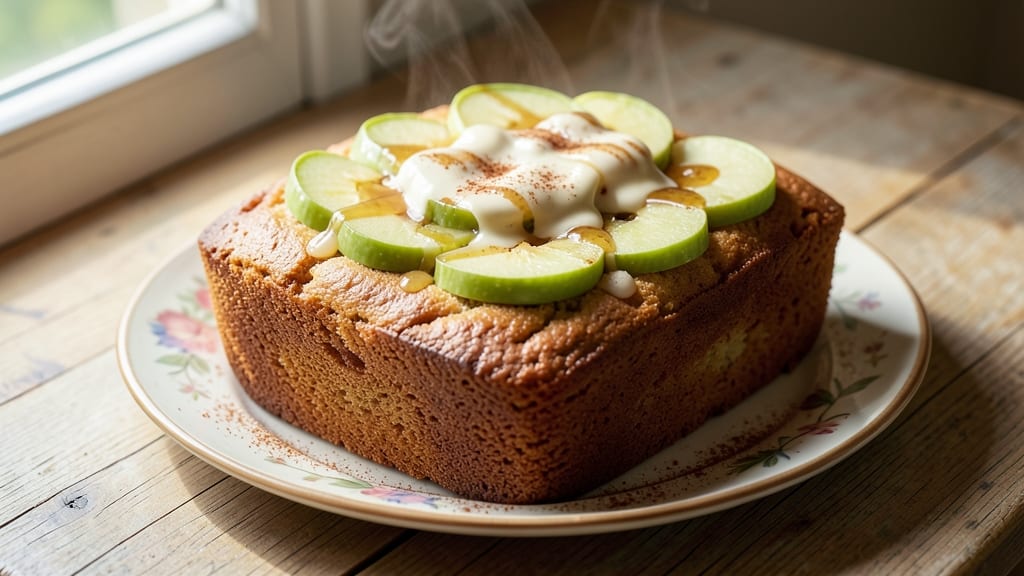
This apple cake with buttermilk sauce recipe delivers the perfect balance of moist crumb and silky drizzle that transforms ordinary dessert into something extraordinary.
The secret lies in combining tender apples with a buttermilk-infused batter that stays moist for days, while the warm buttermilk sauce—spiced with cinnamon and vanilla—elevates every bite into a restaurant-worthy experience.
I developed this recipe after years of testing, ensuring the cake holds its shape while remaining impossibly tender, and the sauce achieves that perfect consistency between pourable and spoonable.
The cake itself is a study in texture contrast: a golden-brown crust that gives way to a crumb so fine and tender it practically melts in your mouth, punctuated by bursts of juicy apple throughout.
What makes this recipe truly special is the buttermilk sauce, which requires just five ingredients but delivers layers of flavor—warm vanilla, subtle cinnamon, and a touch of tang that cuts through the cake's sweetness.
The sauce isn't just a topping; it's the star of the show, designed to be drizzled generously over warm slices or served on the side for dipping.
What you'll achieve is a dessert that feels both elegant and comforting—ideal for brunch gatherings, holiday tables, or a cozy weeknight treat.
The cake bakes up perfectly in 350°F oven for about 50 minutes, while the sauce comes together in just 10 minutes on the stovetop, making it a surprisingly efficient yet impressive dessert. The key to success?
Using room-temperature butter for the cake batter and low-and-slow heating for the sauce to prevent curdling.
Serve this apple cake warm with a generous drizzle of buttermilk sauce, a dusting of powdered sugar, and a few fresh apple slices on the side for garnish. The contrast of warm cake, creamy sauce, and crisp fruit creates a sensory experience that's impossible to resist.
Whether you're baking for a crowd or treating yourself, this recipe delivers restaurant-quality results with minimal effort. Let's get baking!
Ingredients for apple cake with buttermilk sauce
Pantry staples meet fresh fruit for this restaurant-worthy apple cake with velvety buttermilk sauce.
| Ingredient | Amount | Notes |
|---|---|---|
| Unsalted Butter 🧈 | 1 cup | Room temperature, softened |
| Granulated Sugar 🍚 | 2 cups | Light brown preferred |
| Large Eggs 🥚 | 2 whole | Room temperature |
| All-Purpose Flour 🌾 | 2 ½ cups | Sifted, spooned lightly |
| Baking Powder 🍞 | 2 tsp | Diamond Crystal preferred |
| Ground Cinnamon 🌿 | 1 ½ tsp | Freshly ground preferred |
| Salt 🧂 | ½ tsp | Fine sea salt |
| Vanilla Extract 🍯 | 1 tsp | Pure vanilla preferred |
| Buttermilk 🥛 | 1 cup | Room temperature |
| Granny Smith Apples 🍎 | 4 medium | Peeled, cored, sliced |
| Powdered Sugar 🍚 | 1 ½ cups | For sauce and garnish |
| Heavy Cream 🥛 | 1 cup | Cold, full-fat preferred |
| Lemon Juice 🍋 | 1 tbsp | Freshly squeezed |
The butter and buttermilk are non-negotiable for that signature moist crumb. Plugrá brand butter from specialty stores delivers superior flavor, but any high-quality unsalted works. For the apples, Granny Smiths provide the perfect tartness, but Honeycrisp or Fuji add natural sweetness. Peel and slice them uniformly—1/4-inch thick slices ensure even baking. The flour should be sifted and spooned lightly to avoid dense texture. If your baking powder is old (over 6 months), test it by mixing with vinegar—it should bubble vigorously.
No buttermilk? Mix 1 cup milk with 1 tbsp vinegar or lemon juice and let sit 5 minutes. Substitute heavy cream with whipped coconut cream> for a lighter texture, though flavor will differ slightly. The sauce requires low-and-slow heating>—never boil—to prevent curdling. For extra richness, add 1 tbsp melted butter> to the finished sauce. Powdered sugar should be sifted> before measuring for smooth drizzling. The vanilla extract should be pure, not imitation—Madagascar Bourbon**> adds depth to both cake and sauce.
Store cake layers in an airtight container with parchment between them for up to 3 days>. The sauce keeps 2 days> refrigerated, though it's best used fresh. For make-ahead convenience, bake the cake 1 day ahead> and refrigerate. Reheat cake slices at 300°F for 10 minutes> before serving with warmed sauce. Freeze cake layers for up to 3 months>—thaw overnight at room temperature. The sauce freezes beautifully for 2 months> but may separate slightly; whisk before using.
Why You'll Love This Recipe
- No Mixer Needed: I swear by this recipe when I’m in a hurry—just cream the butter and sugar by hand (or use a fork in a pinch), crack in those eggs, and fold in the flour. No electric mixer, no fuss, just a tender crumb that’s worth the effort.
- Buttermilk Magic: That tangy buttermilk sauce? It’s the real MVP here. The warm cake soaks it up like a dream, and honestly, the sauce alone could make you skip dessert. (Yes, even on a Tuesday night.)
- Picnic or Potluck: Slice it up for a lunchbox, pack it for a picnic, or bring it to a gathering—this cake travels like a champ. The sauce stays intact, and the apples keep that fresh-baked flavor for hours.
- Budget-Friendly Indulgence: You’re using pantry staples here: butter, sugar, flour, eggs. No specialty ingredients, no markups. Yet it tastes like you spent all day baking. My wallet and my taste buds thank me every time.
Step-by-step instructions for apple cake with buttermilk sauce
Here's how to achieve a tender crumb and perfectly balanced buttermilk sauce every time.
Prepare the Apples and Mix Dry Ingredients
Peel, core, and slice the 4 medium Granny Smith apples into ¼-inch thick pieces. Toss them immediately with 1 tablespoon lemon juice to prevent browning. This acidity also enhances the apples' natural tartness, which balances beautifully with the sweet cake.
In a medium bowl, whisk together the 2.5 cups all-purpose flour, 2 teaspoons baking powder, 1.5 teaspoons ground cinnamon, and 0.5 teaspoon salt. Sift the mixture lightly to aerate it—this ensures a fine crumb texture. I press the sifter through a fine mesh strainer for extra smoothness, especially important for a cake this rich.
Cream Butter and Sugars for Maximum Moisture
In a stand mixer fitted with the paddle attachment, beat the 1 cup unsalted butter and 2 cups granulated sugar on medium speed for 3-4 minutes until light and fluffy. You're looking for a pale, airy mixture that nearly doubles in volume. This step incorporates air, which creates the cake's signature tenderness.
I like to test the consistency by running a spatula through the mixture—it should leave clean streaks that hold their shape. If it's still grainy, continue beating for another 30 seconds. The butter should be completely smooth, with no visible lumps.
Combine Wet Ingredients and Fold in Apples
Add the 2 whole large eggs one at a time, mixing on low speed for 30 seconds after each addition. Scrape down the sides of the bowl to ensure even incorporation. Then add the 1 teaspoon vanilla extract and 1 cup buttermilk, mixing just until combined—don't overmix or the cake will become dense.
Gently fold in the prepared apples and the dry ingredients using a silicone spatula. Mix just until the flour is mostly incorporated, leaving a few streaks. Overmixing develops gluten, which can make the cake tough. The batter should be thick but pourable—if it's too stiff, add 1-2 tablespoons buttermilk to loosen it.
Bake Until Golden and Set
Preheat your oven to 350°F. Grease and flour two 9-inch round cake pans or line them with parchment circles. Divide the batter evenly between the pans and smooth the tops. Bake for 30-35 minutes until a toothpick inserted in the center comes out clean and the edges are golden brown.
I recommend checking at the 25-minute mark—every oven runs slightly differently. The cake should spring back gently when pressed in the center. If the top browns too quickly, tent loosely with foil after 20 minutes to prevent over-browning while ensuring even cooking.
Prepare the Buttermilk Sauce
While the cake cools, combine 1 cup heavy cream, 1.5 cups powdered sugar, and 1 tablespoon lemon juice in a saucepan. Bring to a gentle simmer over medium-low heat, whisking constantly for 3-4 minutes until the sugar dissolves completely and the mixture thickens slightly. It should coat the back of a spoon but remain pourable.
Strain the sauce through a fine-mesh sieve to remove any lumps, then let it cool to room temperature. The sauce should be smooth and glossy—if it thickens too much as it cools, whisk in 1-2 teaspoons buttermilk to restore the perfect consistency for drizzling.
Pro Tips For Making Apple Cake With Buttermilk Sauce
- Mix Butter and Sugar Slowly: Cold butter and sugar take longer to emulsify but give a lighter crumb—beat them together for 3-4 minutes until the mixture looks like wet sand. I learned this the hard way after skipping it and ending up with a dense, greasy cake that tasted more like butter than apple.
- Use Buttermilk Straight from the Fridge: Cold buttermilk activates baking powder more evenly, preventing a flat middle. Pour it into the dry ingredients in thirds while folding gently—this keeps air incorporated without overmixing. (Yes, even if you're impatient like me, resist the urge to rush.)
- Don’t Overbake the Cake: Pull it out when a toothpick comes out with moist crumbs, not clean. Overbaking dries out the apples and makes the sauce taste like glue. If you're nervous, check at 20 minutes before the recipe’s suggested time—it’s better to underbake slightly.
- Make Buttermilk Sauce in One Pot: Simmer the sauce on medium-low, stirring constantly, until it thickens to coat the back of a spoon—about 5-7 minutes. If it splits, whisk in a splash of cold milk or a pat of butter. Sounds weird, but it works: this keeps the sauce silky instead of grainy.
Common mistakes when making great apple cake with buttermilk sauce
Overmixing the Batter
This is the #1 mistake I see with apple cakes—the urge to mix until everything is "perfectly combined." Once you've folded in the dry ingredients and apples, stop when there are still a few flour streaks visible.
Overmixing develops gluten, which makes the cake dense and tough. I promise you, those streaks will disappear during baking while keeping the texture light and tender. 💫
Skipping Room Temp Ingredients
Using cold butter or eggs creates pockets of steam in the batter, leading to uneven baking and potential sinking. Let your butter sit at room temperature for 1-2 hours until it's soft but not melted (press your finger into it—it should leave a slight indentation).
Eggs should be at room temperature too—just remove them from the fridge 30 minutes before baking. This ensures even mixing and a consistent crumb.
Incorrect Apple Preparation
Don't skip the lemon juice toss on your sliced apples! This prevents browning and enhances their natural tartness, which balances the sweet cake. Also, slice them ¼-inch thick—thicker slices won't cook evenly, while thinner ones can turn mushy.
I like to work quickly and keep my prepped apples in a bowl of cold water with the lemon juice until ready to fold into the batter.
Underbaking or Overbaking
The cake should have a golden brown top and edges, but the center should spring back gently when pressed. Using an instant-read thermometer, it should reach 205-210°F at the center.
Overbaking dries out the cake, while underbaking leaves it gummy. I always check at 25 minutes—every oven behaves differently, even with the same temperature setting.
Sauce Curdling
Never let the buttermilk sauce boil! Heat it over medium-low and whisk constantly until it just begins to thicken—about 3-4 minutes. Boiling causes the cream to separate and curdle. If you see any lumps, strain immediately through a fine-mesh sieve.
For extra insurance, I like to whisk in 1 teaspoon cold heavy cream at the end to stabilize the sauce.
Ignoring the Cooling Process
Freshly baked cake needs time to set properly before slicing. Let it cool in the pans for 10 minutes, then transfer to a wire rack to cool completely. Cutting too soon causes crumbling.
For the sauce, let it cool to room temperature before drizzling—hot sauce on warm cake can make it soggy. I often make the sauce first while the cake bakes, then let both cool together for perfect serving temperature. ✨
Nutrition facts
Frequently asked questions
Can I substitute buttermilk with regular milk?
Yes, but you'll need to make a quick substitute. Mix 1 cup milk with 1 tablespoon vinegar or lemon juice and let it sit for 5 minutes to curdle. This mimics buttermilk's tangy acidity, which helps tenderize the cake and balance sweetness. The texture will be slightly different but still delicious!
How do I store leftover apple cake with sauce?
Store the cake layers separately in an airtight container with parchment between them for up to 3 days at room temperature. The sauce keeps 2 days refrigerated in a sealed jar. For longer storage, freeze cake layers for 3 months or sauce for 2 months. Thaw overnight in the fridge—never at room temperature.
Can I make this cake in a different pan shape?
For a single layer, use a 9-inch round or square pan. For a 9x13-inch pan, reduce baking time by 10-15 minutes and check for doneness at 25 minutes. The batter volume stays the same, but adjust pan size accordingly. Just ensure the height doesn't exceed 2 inches for even baking.
Why does my sauce get grainy?
Graininess usually means the sugar didn't dissolve completely or the sauce cooled too quickly. Always whisk constantly over medium-low heat until fully smooth, then strain through a fine-mesh sieve. For extra silkiness, whisk in 1 teaspoon cold heavy cream at the end. The sauce should coat the back of a spoon but remain pourable.
What's the best way to serve this dessert?
Slice the cake warm and drizzle generously with room-temperature sauce. For an elegant touch, dust with powdered sugar and add fresh apple slices or a dollop of whipped cream. Serve immediately for maximum tenderness—this is a dessert meant to be enjoyed fresh from the oven! The sauce also makes a great dip for cake pieces.