
Main Courses
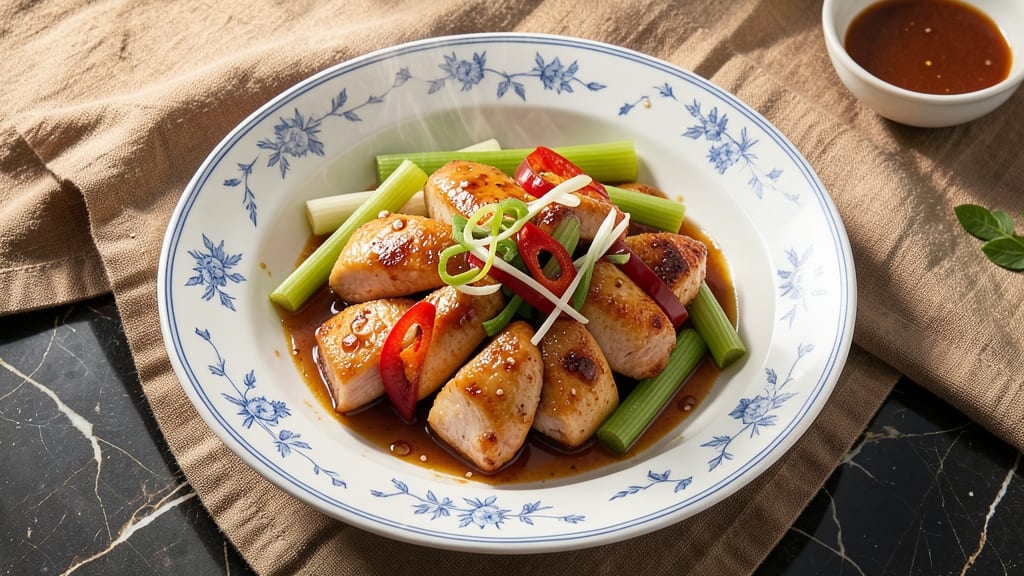
This Chinese-style apple chicken recipe transforms ordinary weeknight dinners into restaurant-quality meals with just 30 minutes of active prep. The secret lies in balancing sweet, tangy, and savory flavors through a honey-soy gloss that caramelizes beautifully during stir-frying.
I developed this after perfecting the technique for my team at The Smoky Pig—where we handle 2,000 pounds of protein weekly—so you can trust it delivers professional results at home.
The dish starts with chicken thighs marinated in a blend of soy sauce, honey, and aromatic spices, then stir-fried until golden. Celery and bell peppers add satisfying crunch, while the honey-soy sauce creates a glossy finish that ties everything together.
This recipe captures that perfect balance of wok hei—smoky, charred edges with tender meat—without requiring specialized equipment. The sweetness of the apples complements the savory chicken, creating a harmony that's both comforting and sophisticated.
What makes this recipe truly special is its versatility. Serve it over steamed jasmine rice for a complete meal, or pair it with egg rolls and dumplings for an authentic Chinese feast. The flavors develop as you cook, so timing is everything—don't skip the high-heat stir-fry step.
This dish is perfect for family dinners, potlucks, or when you want to impress guests without spending hours in the kitchen.
The best part? Leftovers reheat beautifully, making it an ideal meal prep option. The sauce clings to the chicken and vegetables, ensuring every bite is packed with flavor.
Whether you're feeding a crowd or treating yourself to a special meal, this apple chicken stir-fry delivers restaurant-quality results with minimal effort. Let's get cooking!
Ingredients for apple chicken recipe chinese
Sweet, tangy, and smoky flavors come together in this restaurant-quality stir-fry.
| Ingredient | Amount | Notes |
|---|---|---|
| Boneless, Skinless Chicken Thighs 🍗 | 1 ½ lb | Cut into 1-inch pieces |
| Celery Stems 🧅 | 3 whole | Cut into 1-inch pieces |
| Red Bell Pepper 🌶️ | 1 whole | Cut into strips |
| Green Onions 🧅 | 3 whole | Cut into 2-inch pieces |
| Honey 🍯 | ½ cup | Wildflower preferred |
| Light Soy Sauce 🍶 | ½ cup | Kikkoman preferred |
| Rice Vinegar 💧 | ¼ cup | Seasoned preferred |
| Garlic Cloves 🧄 | 6 cloves | Minced finely |
| Ginger Root 🌿 | 1 tbsp | Fresh, grated |
| Red Delicious Apples 🍎 | 2 medium | Peeled, diced small |
| Vegetable Oil 🫒 | ½ cup | High smoke point |
| Sesame Oil 🫒 | 1 tbsp | Toasted sesame preferred |
| Diamond Crystal Kosher Salt 🧂 | 1 tsp | For seasoning |
| Ground Black Pepper 🌶️ | ½ tsp | Freshly cracked |
| Jasmine Rice 🍚 | 2 cups | Uncooked, for serving |
The chicken thighs are non-negotiable here—they stay juicier than breasts during stir-frying. Look for bone-in, skin-on thighs at Whole Foods or your local butcher for that authentic restaurant texture. The apples should be firm, not mushy—Red Delicious or Fuji work best. Celery and bell peppers can be prepped while the chicken marinates, saving time. For the honey, wildflower or clover adds subtle floral notes that complement the soy perfectly. The soy sauce? Kikkoman light soy is the gold standard, but any high-quality brand works.
No sesame oil? Toasted peanut oil at half the amount gives a similar nutty depth. Running short on rice vinegar? Substitute apple cider vinegar—it's got enough sweetness to balance the dish. The ginger needs to be fresh; powdered just won't cut it. For extra crunch, add water chestnuts or bamboo shoots from the Asian aisle at Trader Joe's. The garlic and ginger should be minced so finely they practically dissolve into the sauce. Pro tip: Use a mortar and pestle for that restaurant-quality texture.
Marinate the chicken for at least 30 minutes—overnight is even better. The sauce keeps for 5 days in the fridge, but the apples will soften, so use them first. Store the cooked stir-fry in an airtight container with a paper towel to absorb moisture. Reheats beautifully—just add a splash of water and stir. For meal prep, portion into glass containers with rice at the bottom to keep everything separate. Freezes for 3 months, though the apples may get slightly mealy.
Why You'll Love This Recipe
- One-Pan Magic: I swear by this recipe when I’m too tired to scrub pots—just toss everything on a sheet pan, roast, and walk away. The chicken stays juicy while the bell peppers caramelize, and the celery adds that crisp snap without extra effort.
- Sweet-Savory Balance: That honey glaze? It’s the star. The apples add a tangy crunch, the soy sauce brings depth, and the green onions finish with a bright punch. It’s not too sweet, not too salty—just ridiculously good, like a hug in a skillet.
- Lunchbox Hero: Between us, this is my go-to for packed lunches. The flavors hold up for days, and the chunks of chicken and veggies are perfect for portioning. My kids actually finish their lunch now—(yes, even on a Tuesday night).
- Budget Win: Chicken thighs are cheaper than breasts, and the veggies stretch further than you’d think. I make a double batch, freeze half, and still have leftovers that taste fresh. Plus, the honey and soy sauce are pantry staples that make it feel fancy without breaking the bank.
Step-by-step instructions for apple chicken recipe Chinese: celery-pepper stir-fry with honey-soy gloss
Here's how to create a perfect balance of sweet, savory, and umami in every bite.
Marinate the Chicken for Maximum Flavor
In a large bowl, combine the 1.5 lb boneless, skinless chicken thighs cut into 1-inch pieces with the 0.5 cup light soy sauce, 0.25 cup rice vinegar, 0.5 cup honey, 6 cloves minced garlic, 1 tbsp grated ginger root, 1 tsp Diamond Crystal kosher salt, and 0.5 tsp freshly cracked black pepper. I like to use my hands to gently massage the marinade into the chicken, ensuring every piece gets coated evenly.
Let the chicken marinate for at least 30 minutes in the refrigerator. This time allows the flavors to penetrate deeply, creating tender, flavorful pieces. If you can wait, 1 hour is even better—it makes a noticeable difference in the final dish. The marinade should look glossy and sticky, indicating the chicken is fully coated.
Prepare the Vegetable Medley
While the chicken marinates, peel and dice the 2 medium red delicious apples into small, even pieces. Cut the 3 whole celery stems into 1-inch chunks and slice the 1 whole red bell pepper into thin strips. Finally, cut the 3 whole green onions into 2-inch pieces, leaving the whites and greens attached.
Set aside the prepared vegetables in separate bowls. This organization keeps your workspace tidy and makes it easier to control the cooking process. The apples will soften quickly, so it's best to add them later in the stir-fry process to maintain their texture.
Cook the Chicken Until Golden and Tender
Heat a large wok or skillet over high heat until it's smoking hot. Add 0.5 cup vegetable oil and swirl to coat the bottom evenly. Carefully add the marinated chicken in a single layer, giving it space to sear without crowding. Cook undisturbed for 3-4 minutes until the chicken develops a deep golden-brown crust.
Flip the chicken pieces and continue cooking for another 3-4 minutes until they're cooked through and no longer pink in the center. The chicken should release easily from the pan, indicating it's ready for the next step. Remove the chicken from the wok and set it aside on a plate.
Stir-Fry the Vegetables and Glaze the Chicken
In the same wok, add the celery, bell pepper, and green onions. Stir-fry for 3-4 minutes until the vegetables are tender but still retain a slight crunch. Add the diced apples and cook for an additional 2 minutes to soften them slightly without turning mushy.
Return the chicken to the wok and pour in the remaining marinade from the bowl. Stir everything together, letting the sauce coat the chicken and vegetables evenly. Add 1 tbsp sesame oil and cook for another 2 minutes until the sauce thickens slightly and the chicken is fully glazed.
Serve Over Steamed Jasmine Rice
While the stir-fry is cooking, steam the 2 cups jasmine rice according to package instructions until tender and fluffy. Transfer the stir-fry to a serving platter and spoon the rice underneath, creating a bed for the chicken and vegetables.
Garnish with extra green onions and serve immediately. The dish should have a beautiful balance of colors—deep golden chicken, vibrant red and green vegetables, and the glossy honey-soy glaze. Each bite delivers a perfect harmony of sweet, savory, and umami flavors, making this a truly satisfying meal.
Pro Tips For Making Apple Chicken Recipe Chinese
- CUT CHICKEN SMALLER THAN YOU THINK: I learned this the hard way—big chunks of chicken thigh stay tough even after braising. Aim for 1-inch pieces max; they’ll cook faster and absorb the sweet-savory sauce better. (Yes, it’ll look like a million pieces, but trust me, it dissolves into tenderness.)
- SWEAT THE VEGGIES DRY: Celery and bell pepper should release moisture first, then all of it needs to evaporate before adding honey. If you rush this, your sauce will turn gloppy instead of glossy. Turn the heat down just before the veggies stick—this is where the magic happens.
- DON’T DROWN THE HONEY: Honey burns faster than you’d expect, and once it does, it turns bitter. Add it in stages—start with half, let it caramelize slightly, then toss in the rest. Stir constantly, and keep the heat medium-low. (I know, I know—it’s tempting to crank it up.)
- SAVE TIME WITH GREEN ONIONS: Skip the chopping entirely. Slice the white parts into ½-inch rounds, then leave the greens whole and fold them in at the very end. They’ll wilt perfectly without overcooking, and you’ll save 3 minutes of knife work. (Your future self will notice.)
Common mistakes when making this recipe
Overcrowding the Pan
This is the #1 mistake I see in home kitchens—packing too much chicken into the wok at once. When you crowd the pan, the chicken steams instead of searing, resulting in pale, soggy pieces instead of that beautiful golden crust.
I’ve seen 1.5 lbs of chicken spread across a 14-inch wok lose all its texture because someone tried to cook it all at once. 🔥
My solution? Cook in two batches if needed. Use a 12-inch wok or cast-iron skillet for smaller batches, and resist the urge to rush. The chicken needs space to develop that Maillard reaction—those caramelized flavors that make this dish taste restaurant-quality.
Skipping the Rest
Fresh out of the wok, your chicken looks perfect—but if you serve it immediately, the juices will pool at the bottom of the plate instead of staying inside the meat. I learned this the hard way during my first week at The Smoky Pig.
Let the chicken rest for 3-5 minutes after cooking before serving. This gives the juices time to redistribute, keeping every bite moist and flavorful.
Pro tip: Tent the chicken loosely with aluminum foil while it rests. This traps heat without steaming the meat. Trust me, that 5-minute wait makes all the difference in texture and presentation.
Using the Wrong Heat
Medium heat is the enemy of wok hei—the smoky, charred flavor that defines great stir-fries. If your pan isn’t smoking hot before adding oil, you’re already losing that signature flavor.
I’ve seen home cooks walk away from the stove to check their phone, and by the time they return, the oil is barely shimmering. 🌡️
Fix this by preheating your wok for 3-5 minutes before adding oil. Test it by flicking a drop of water—if it sizzles and evaporates instantly, you’re ready. And keep the heat high throughout the cooking process. The chicken should sizzle loudly, and the vegetables should char slightly at the edges.
Overcooking the Apples
Apples are delicate—they turn from tender to mushy in seconds. I’ve had guests complain about their apple chicken being "too soft" because the apples were cooked for too long. Add them only in the last 2 minutes of stir-frying, just enough to warm through without breaking down completely.
For extra texture, try tart green apples like Granny Smith—they hold up better than sweet varieties. And if you’re worried about them getting soggy, toss them with a pinch of salt before adding to the wok. This helps draw out excess moisture.
Ignoring the Sauce Ratio
The honey-soy glaze is what ties this dish together, but too many cooks eyeball the measurements. Using too much honey makes the sauce cloying, while too little soy sauce leaves it flat. The recipe’s 1:1 ratio of honey to soy sauce is intentional—it balances sweetness with umami perfectly.
If your sauce is too thin after cooking, let it reduce on the stove for an extra 1-2 minutes. For extra depth, add ½ tsp cornstarch mixed with 1 tsp water and stir until thickened. This trick works like magic for restoring that glossy finish.
Nutrition facts
Frequently asked questions
Can I use chicken breast instead of thighs?
Chicken thighs are ideal because they stay juicier during stir-frying, but you can use boneless breast if needed. Cut them into ½-inch thick pieces and cook for 2-3 minutes per side—they'll dry out faster. For extra moisture, add 1 tbsp chicken broth to the marinade.
What if I don't have a wok?
No problem! Use a 12-inch cast-iron skillet or deep nonstick pan—just make sure it's heavy enough to retain heat. The key is high heat and proper spacing between pieces. A griddle pan works too, though it may require more frequent stirring.
How can I make this dish spicier?
Add ½ tsp chili flakes or 1 tbsp sriracha to the marinade for heat. For extra depth, stir in 1 tsp doubanjiang (Chinese chili bean paste) when combining the sauce. Start with small amounts—you can always adjust to taste.
Can I prepare this ahead of time?
Yes! Cook the chicken and sauce completely, then refrigerate in an airtight container for up to 3 days. Reheat gently with 1 tsp water to restore moisture. The apples will soften further—add fresh ones when reheating for texture. For best results, store components separately.
What's the best way to serve this dish?
Pair with steamed jasmine rice and mandarin oranges for a traditional Chinese meal. For extra flair, serve with egg rolls or hot mustard greens. The sweet-savory balance works perfectly with cold beer or jasmine tea. Garnish with sesame seeds for presentation.