
Main Courses
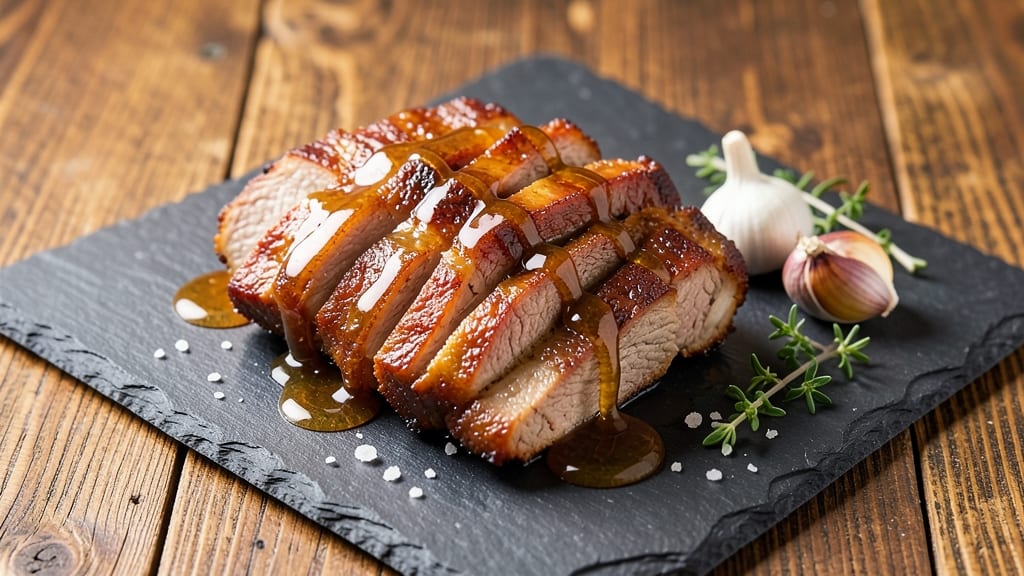
This apple cider pork belly recipe delivers the perfect balance of crispy rind and caramelized sweetness that transforms a simple weeknight dinner into a showstopper. 🔥 Growing up in Georgia, I learned that pork belly—when cooked right—could turn humble ingredients into something unforgettable, especially when paired with the tangy depth of apple cider.
The secret lies in rendering that fat to golden perfection while infusing the meat with layers of flavor through slow braising and a glossy, sticky glaze.
The process starts with searing the pork belly skin-side down until it crisps into a shatteringly thin, crackling layer—this is where the magic happens.
Then, the apple cider comes into play, either as a marinade to tenderize the meat or as a reduction for a glossy finish that cuts through the richness.
What you end up with is tender, melt-in-your-mouth pork with a skin so crisp it’ll have everyone reaching for seconds, all balanced by the bright, caramelized sweetness of the cider.
This isn’t just a recipe—it’s a technique that elevates pork belly from ordinary to extraordinary. The slow cook transforms tough cuts into something luxurious, while the crispy skin adds texture that’s impossible to resist.
Serve it with roasted apples, a simple green salad, or crusty bread to soak up every last drop of that sticky, flavorful glaze. It’s the kind of dish that makes you feel like a pitmaster, even if you’re cooking in your own kitchen.
Whether you’re hosting a dinner party or treating yourself to a special meal, this method guarantees restaurant-quality results without the fuss. The key is patience—letting the pork belly work its magic over time while the apple cider infuses every bite with warmth and depth.
Trust me, once you try it this way, you’ll never go back to plain roasted pork again.
Ingredients for apple cider pork belly
The secret to restaurant-quality pork belly lies in these 13 ingredients—crispy skin, caramelized sweetness, and deep flavor all in one.
| Ingredient | Amount | Notes |
|---|---|---|
| Pork Belly 🐖 | 3 lb | Skin-on, fat cap intact |
| Apple Cider 🍎 | 1 ½ cups | Unpasteurized for authenticity |
| Brown Sugar 🍚 | ½ cup | Packed, light brown preferred |
| Honey 🍯 | ¼ cup | Wildflower for depth |
| Mustard 🥬 | 2 tbsp | Dijon or whole grain |
| Garlic Cloves 🧄 | 6 cloves | Minced for marinade |
| Fresh Thyme 🌿 | 2 sprigs | Stems removed, leaves only |
| Salt 🧂 | 1 ½ tbsp | Kosher or sea salt |
| Black Pepper 🌶️ | 1 tsp | Freshly ground |
| Olive Oil 🫒 | 2 tbsp | Extra-virgin for searing |
| Baking Soda 🧪 | 1 tsp | For crispy skin |
| Apple Cider Vinegar 🍶 | 1 tbsp | For marinade tang |
| Fresh Rosemary 🌿 | 1 sprig | Crushed for aroma |
The pork belly is everything here. Look for thick-cut pieces with a good fat cap—this is where the magic happens. Costco or local butchers usually have the best quality, but the regular grocery store will work if it's fresh. That fat needs to render perfectly, so don't skimp on the size. I always ask for a piece around 3 pounds—it feeds four with leftovers. The skin should be thick and unbroken; if it's thin or spotty, ask for a different cut. For the apple cider, unpasteurized is key—it's got more depth of flavor. Molly's or local orchard brands are my go-to, but any good cider will do.
No unpasteurized cider? Pasteurized works in a pinch, but you'll lose some complexity. Running short on fresh thyme? Dried at half the amount gets you close, though nothing beats the real deal. The baking soda is non-negotiable for that crispy skin—it raises the pH and helps the fat render faster. Diamond Crystal is my preferred brand, but any baking soda works. For the honey, local wildflower adds more depth than store-bought. No mustard? Yellow mustard at double the amount works, but Dijon is ideal. The garlic and rosemary can be swapped for green onions and parsley if you're out, but they're worth hunting down for that authentic flavor.
This dish tastes even better the next day—honestly, it's when the flavors really meld. Store leftovers in an airtight container for up to 5 days in the fridge. For longer storage, freeze portions for up to 3 months. The crispy skin stays perfect if you reheat it gently in the oven at 300°F until warmed through. I always make a double batch—leftovers make amazing sandwiches or tacos. The glaze keeps well too, so you can store it separately and reheat it with a splash of water to loosen it up.
Why You'll Love This Recipe
- One-Pan Magic: I swear by this recipe—just score the pork, toss it in a roasting pan with apple cider, and let the oven do the work. No flipping, no fussing, and that sticky glaze? It practically caramelizes itself.
- Sweet-Savory Balance: Between the smoky pork belly, the tangy apple cider, and the honey-brown sugar glaze, every bite feels like autumn in a bite. The mustard adds just enough kick to keep it interesting.
- Leftovers? Yes, Please: This recipe makes way more than you’ll eat in one sitting, and it reheats like a dream. Slice it for sandwiches, toss it into fried rice, or just eat it cold—it’s that good.
- Budget-Friendly Feast: Pork belly can feel splurgy, but the apple cider and honey stretch the flavor so far. Honestly, it’s my go-to for hosting—everyone raves, and I’m left with minimal grocery costs.
Step-by-step instructions for apple cider pork belly
Transform that fatty pork belly into irresistible crispy bites with sweet caramelized edges.
👨🍳 Step 1: Prepare the Pork Belly and Marinade
Start by scoring the pork belly skin in a diamond pattern with a sharp knife, being careful not to cut into the meat. This creates channels for the marinade to penetrate and helps develop that coveted crispy texture. Pat the skin dry with paper towels—this is crucial for maximum crispiness later.
In a large bowl, whisk together the 1.5 cups apple cider, 0.5 cup brown sugar, 0.25 cup honey, 2 tbsp mustard, 1 tbsp apple cider vinegar, 1.5 tbsp salt, 1 tsp black pepper, and the 6 minced garlic cloves. Add the 2 sprigs fresh thyme and 1 sprig fresh rosemary (leaves only). Pour this marinade over the pork belly, ensuring it coats all sides. Cover and refrigerate for at least 24 hours, turning occasionally. The longer it marinates, the more flavorful and tender the pork will become.
🔥 Step 2: Sear the Pork Belly for Maximum Crisp
Remove the pork belly from the marinade and let it sit at room temperature for 30 minutes before cooking. Preheat your oven to 425°F and place a wire rack on a rimmed baking sheet. Line the sheet with foil for easy cleanup.
Heat a large oven-safe skillet over medium-high heat and add the 2 tbsp olive oil. Once hot, carefully place the pork belly fat-side down in the skillet. Let it sear undisturbed for 5 minutes until the fat begins to render and the skin turns golden. Flip the pork belly and sear the other side for another 5 minutes. This initial sear locks in flavors and creates a foundation for crispiness.
🥘 Step 3: Bake for Tender Perfection
Transfer the skillet with the pork belly to the preheated oven. Bake for 1 hour until the internal temperature reaches 145°F and the pork is tender when pierced with a meat thermometer. Here's where the magic happens: sprinkle the 1 tsp baking soda evenly over the skin. This alkaline agent helps break down proteins, creating that incredible crispy texture.
After 1 hour, increase the oven temperature to 450°F and continue baking for another 30-45 minutes until the skin is deep golden brown and crispy. You'll know it's ready when the skin sounds hollow when tapped and looks like it's about to shatter. If it's browning too quickly, tent loosely with foil to prevent burning.
⏰ Step 4: Rest and Slice for Crispy Bites
Remove the pork belly from the oven and let it rest for 15 minutes before slicing. This resting period allows the juices to redistribute, ensuring each bite is moist and flavorful. Use a sharp knife to cut the pork belly into ½-inch thick slices, working against the grain for maximum tenderness.
Serve immediately while the skin is still crispy and the pork is warm. The slices should have a perfect balance of sweet caramelized edges and tender, juicy meat. Pair with the remaining marinade reduced into a glossy sauce for dipping, or serve alongside roasted vegetables and a crisp apple salad to complement the flavors.
Pro Tips For Making Apple Cider Pork Belly
- Sear the Belly First: Hit that pork belly with a screaming-hot pan—no skimp on the oil—until it’s deep golden, not just pink. I used to rush this and ended up with bland, underwhelming bites; the crust is where all the flavor lives, so take your time.
- Reduce the Cider: Simmer your apple cider down by half before glazing the pork—it thickens the sauce and keeps it from turning into a watery mess. (Yes, even if you’re impatient like me.) Use a small saucepan and resist the urge to walk away; burn risk is real.
- Skip the Raw Mustard: Whisk your mustard into the warm cider-sugar mixture first—it mellows out the bite and blends better. Raw mustard burns easily and leaves a weird, sharp aftertaste that fights with the honey. Trust me, this small step makes a real difference.
- Rest Before Slicing: Give that pork belly a solid 5-10 minutes under foil after roasting—no peeking, no cutting early. The juices redistribute, so if you slice too soon, you’ll end up with dry, sad slices. (Your future self will thank you.)
Pro cooking tips for this recipe
Crispy Skin Secrets
Scoring the pork belly skin in a diamond pattern is non-negotiable—it creates channels for fat to render and the marinade to penetrate deeply. Use a sharp knife and cut just through the skin, not into the meat.
Pat the skin completely dry with paper towels before searing; any moisture will prevent that golden, shatteringly crisp texture. I’ve found that a 1 tsp baking soda sprinkled on the skin after the initial bake works wonders—it raises the pH and helps break down proteins for that restaurant-quality crisp. 🌟
Marinade Mastery
The apple cider marinade needs at least 24 hours to work its magic, but I often let it go 48 hours for maximum tenderness. The combination of apple cider vinegar and Dijon mustard adds tangy depth, while the brown sugar and honey caramelize beautifully during cooking.
Don’t skip the fresh herbs—thyme and rosemary elevate the flavor profile beyond just sweet and tangy. For extra richness, I sometimes add a splash of bourbon to the marinade, but it’s optional.
Temperature Control
Start baking at 425°F to render the fat and tenderize the meat, then crank it up to 450°F for the final crisp. Use a meat thermometer—the pork is done when it hits 145°F internal temperature.
If the skin browns too quickly, tent it loosely with foil to prevent burning while keeping the heat high for that crispy finish. I swear by a ThermoWorks Smoke thermometer for accuracy, especially when dealing with thick cuts like pork belly.
Resting Matters
Never skip the 15-minute rest before slicing—this lets the juices redistribute, ensuring each bite is moist and flavorful. Slice against the grain for maximum tenderness, and use a sharp knife to avoid tearing the meat.
For extra crispiness, I sometimes broil the slices for 2-3 minutes before serving, but this is optional. The pork belly will continue to crisp up slightly as it rests, so don’t rush it. ✨
Glaze Perfection
Save the leftover marinade and reduce it on the stovetop until it’s thick and syrupy—this makes an incredible glaze. Simmer it over medium heat for 10-15 minutes, stirring occasionally, until it coats the back of a spoon.
Brush this glaze over the sliced pork belly just before serving for a glossy, sticky finish. If the glaze thickens too much, add a splash of apple cider to loosen it up.
Equipment Essentials
You’ll need an oven-safe skillet with high sides—I love my Lodge cast iron for this. A wire rack on a baking sheet ensures even airflow for crispy skin, and a meat thermometer is non-negotiable for perfect doneness.
For scoring the skin, a Wüsthof chef’s knife is my go-to, but any sharp knife will work. And trust me, investing in quality tools makes all the difference in achieving that crispy, caramelized perfection. 🔥
Nutrition facts
Frequently asked questions
Can I substitute apple cider with another liquid?
Yes, but you'll lose some of the dish's signature depth. For the marinade, try unsweetened apple juice or white grape juice (1:1 ratio), though the flavor won't be identical. For the glaze, chicken or vegetable broth works in a pinch, but add 1 tbsp apple cider vinegar to maintain tanginess. The key is balancing sweetness with acidity—omit the honey if using a sweet juice like apple juice.
How do I prevent the pork belly from drying out?
Slow cooking is your friend here! Keep the oven temperature at 275°F for the first 1.5 hours to render fat gently, then increase to 425°F for crisping. Use a meat thermometer—pork belly is safe at 145°F internal temp. The marinade also adds moisture, so don't skip the 24-hour soak. For extra insurance, tent loosely with foil during baking if the skin browns too quickly.
What's the best way to reheat leftovers?
Reheat sliced pork belly in a 300°F oven for 10-15 minutes on a wire rack to maintain crispiness. For the glaze, warm it in a saucepan with 1 tbsp apple cider over low heat, stirring constantly. Avoid microwaving—it turns the skin rubbery. Pro tip: Store components separately (pork + glaze) and reheat together for maximum flavor retention.
Can I make this recipe without baking soda?
Technically yes, but you'll sacrifice that signature crispy skin. The baking soda (1 tsp) raises the skin's pH, helping proteins break down for a shatteringly crisp texture. Without it, the skin will still crisp but may be softer. For a substitute, try 1 tbsp baking powder or ½ tsp cream of tartar, though results won't be identical. The marinade's acidity (vinegar) helps compensate slightly.
How do I adjust this for a crowd?
Double the recipe and use two 3-lb pork bellies for 8-10 servings. Cook both pieces simultaneously on separate racks in the oven. Increase marinade to 3 cups apple cider and reduce it fully for extra glaze. For serving, slice one piece thinly for appetizers and leave the other in ½-inch slices for main plates. Use a large cast iron skillet (like two Lodge pans side by side) for searing.