
Sauces & Condiments
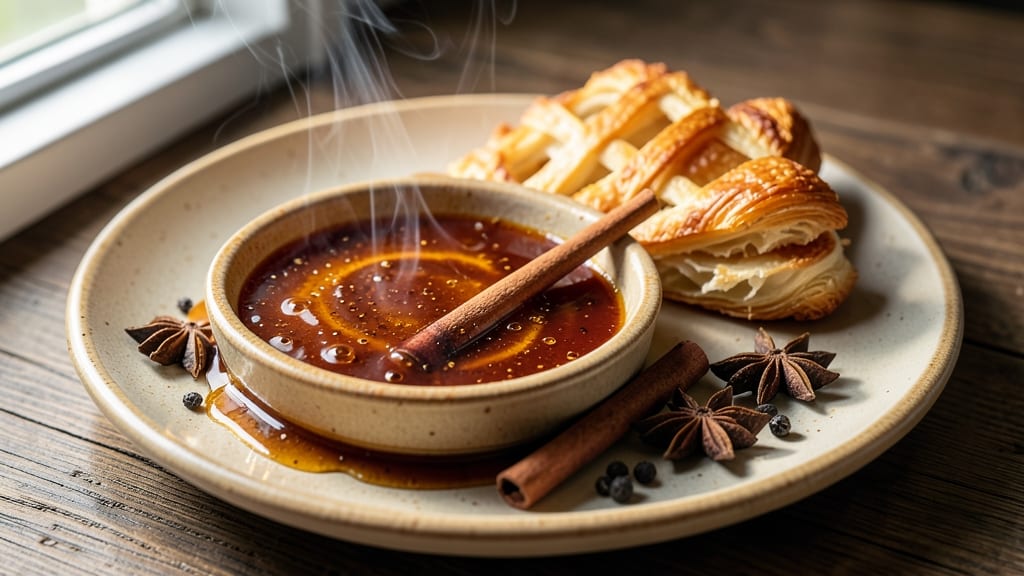
This apple cider reduction sauce recipe transforms simple ingredients into a rich, glossy glaze that elevates everything from roasted meats to desserts. The secret lies in slow simmering—where apple cider, sugar, and warm spices meld into a concentrated, aromatic sauce with perfect thickness.
I developed this recipe during autumn gatherings when the scent of cinnamon and cloves filled the kitchen, and it became an instant crowd-pleaser.
The process is straightforward: combine apple cider, sugar, and spices in a saucepan, then reduce the mixture over medium heat until thick and syrupy.
The result is a versatile sauce that can be drizzled over pork tenderloin, brushed on roasted vegetables, or drizzled over vanilla ice cream for a sophisticated finish. The balance of sweetness and spice makes it adaptable to both savory and sweet dishes.
What sets this reduction apart is its ability to enhance dishes without overpowering them. The sauce clings beautifully to proteins, caramelizing slightly for a deeper flavor, while its glossy sheen adds a touch of elegance.
It also stores well in the refrigerator for up to two weeks, making it a convenient pantry staple for quick meals or last-minute gatherings.
For an extra layer of depth, consider adding a splash of balsamic vinegar or a pinch of black pepper at the end. Whether you're glazing a holiday ham or drizzling it over a stack of pancakes, this sauce delivers restaurant-quality results with minimal effort.
Let’s get started on creating this versatile, spiced reduction.
Ingredients for apple cider reduction sauce
Eight essential ingredients create this aromatic, versatile sauce perfect for autumn dishes.
| Ingredient | Amount | Notes |
|---|---|---|
| Apple Cider 🍎 | 2 cups | Unfiltered for richer flavor |
| Granulated Sugar 🍚 | ¾ cup | Light brown sugar for depth |
| Ground Cinnamon 🌿 | 1 tsp | Freshly ground preferred |
| Ground Cloves 🌶️ | ½ tsp | Whole cloves crushed for intensity |
| Ground Nutmeg 🌿 | ¼ tsp | Freshly grated nutmeg ideal |
| Vanilla Extract 💧 | 1 tsp | Pure vanilla for aromatic depth |
| Balsamic Vinegar 🍷 | 1 tbsp | Optional for tangy complexity |
| Black Peppercorns 🌶️ | 4 whole | Lightly crushed for subtle heat |
The quality of apple cider makes all the difference here. Local orchard cider with natural sediment adds depth, while store-bought brands like Woodchuck or Angry Orchard provide consistent results. For sugar, light brown sugar introduces subtle molasses notes that enhance the caramelization process. Spices should be freshly ground—Penzeys or Spicewalla offer premium options, but bulk bins at Whole Foods work well for cost-conscious cooks. Vanilla extract should be pure, with Madagascar Bourbon preferred for its rich, complex profile.
No apple cider? Unsweetened apple juice works in a pinch, though the flavor will be less robust. Substitute brown sugar with maple syrup or honey at a 1:1 ratio, but reduce the liquid by 1 tbsp to maintain proper consistency. For spice variations, allspice or cardamom can replace cloves, while orange zest adds citrus brightness. Balsamic vinegar is optional but recommended for its caramelized depth—Barolo or aged balsamic elevate the sauce significantly. If black peppercorns aren't available, ground black pepper at half the amount suffices.
This reduction thickens as it cools, so store it in an airtight container with a thin layer of olive oil on top to preserve freshness. Keeps for 2 weeks refrigerated or 6 months frozen. For quick reheating, simmer gently with 1 tbsp water until glossy. The sauce's versatility makes it ideal for batch preparation—double the recipe for holiday entertaining. Always taste before serving, as reduction times vary slightly based on stove heat.
Why You'll Love This Recipe
- Pantry Magic: I swear by this sauce—no fancy shopping required. Just apple cider, sugar, and spices you already have (or can grab for under $5). The cloves and nutmeg add depth without extra effort, and honestly? It tastes like autumn in a jar.
- Flavor Bomb: That caramelized sweetness with a whisper of spice? Unreal. The sugar and cinnamon create this rich, velvety texture, while the cloves and nutmeg give it a cozy, almost dessert-like warmth—perfect for drizzling over roasted meats or mashed potatoes.
- Weeknight Hero: Between us, this is my go-to for last-minute dinners. Drizzle it over pork chops, toss it with greens, or even spoon it into yogurt for a breakfast treat. Takes less time than waiting for takeout, and it’s way more impressive.
- Make-Ahead Treasure: Simmer it down, let it cool, and store it in the fridge for up to a week. Thin with a splash of water or broth when reheating—it’s my secret for effortless holiday meals or quick weeknight sauces. Budget-friendly, too, since one batch stretches across multiple dishes.
Step-by-step instructions for apple cider reduction sauce
Transform simple ingredients into a velvety, aromatic glaze with this precise reduction technique.
Combine Apple Cider and Spices in a Saucepan
Pour the 2 cups Apple Cider into a medium saucepan and place it over medium-high heat. Add the 0.75 cup Granulated Sugar, stirring until completely dissolved—this prevents grainy texture in your finished sauce. The mixture should bubble gently within 2-3 minutes.
Once bubbling, add the 1 tsp Ground Cinnamon, 0.5 tsp Ground Cloves, and 0.25 tsp Ground Nutmeg, stirring constantly to distribute the spices evenly. The aromatic compounds need time to infuse, so don't rush this step. The spices will bloom immediately, filling your kitchen with warm, autumnal fragrance.
Simmer Until Reduced by Half
Reduce heat to medium-low and let the mixture simmer uncovered for 20-25 minutes, stirring occasionally. You're looking for a reduction to about 1 cup—the sauce should thicken noticeably and coat the back of a spoon. This slow evaporation concentrates the flavors while preventing scorching.
Watch the color deepen from pale amber to a rich, caramelized hue. If bubbles form too vigorously, reduce heat slightly—you want steady simmering, not boiling. The sauce should reduce by roughly half before moving to the next step. This patience ensures proper consistency without burning the spices.
Add Balsamic and Peppercorns for Depth
Once reduced, stir in the 1 tbsp Balsamic Vinegar and the 4 whole Black Peppercorns (lightly crushed between two spoons). The balsamic adds a subtle tang that balances the sweetness, while the peppercorns contribute a delicate heat. Simmer for an additional 5 minutes to fully incorporate these elements.
Taste and adjust seasoning if needed—you may want to add a pinch more cinnamon or a splash of water if the sauce becomes too thick. The peppercorns can be removed at this stage if you prefer a smoother texture, but leaving them in adds subtle complexity. The sauce should now have a syrupy consistency with a glossy sheen.
Finish with Vanilla and Strain for Smoothness
Remove the pan from heat and whisk in the 1 tsp Vanilla Extract. Let it sit for 2 minutes to allow the vanilla's aromatic compounds to fully meld with the warm mixture. The vanilla enhances the overall depth of flavor while adding a subtle floral note that complements the spiced cider.
Strain the sauce through a fine-mesh sieve into a clean bowl to remove any peppercorns or undissolved spices. This ensures a silky, professional finish. The sauce should now be smooth, glossy, and ready to drizzle over roasted meats, glazed vegetables, or pancakes. For best results, use immediately or store in an airtight container in the refrigerator for up to 5 days.
Pro Tips For Making Apple Cider Reduction Sauce
- Simmer Low and Slow: Once the cider starts boiling, drop the heat to a gentle simmer—think tiny bubbles, not rolling chaos. I learned this the hard way after scorching my first batch; now I keep it at a whisper of heat for 30-40 minutes, stirring occasionally to avoid sticking.
- Strain the Spices: After simmering, let the spices steep for 5 minutes, then strain them out with a fine-mesh sieve. Leaving them in makes the sauce gritty—trust me, you don’t want to bite into a clove mid-bite of roast pork.
- Balance the Sugar Early: Taste the reduction before adding all the sugar—it’s easier to adjust than fix later. If it’s too sharp, add sugar gradually; if it’s too sweet, a splash of cider or a pinch of salt (yes, salt) evens it out.
- Use Real Cider, Not Juice: Apple juice won’t cut it—you need the body and depth of actual cider. If you’re in a pinch, use a mix of juice and a splash of apple cider vinegar (about 1 tablespoon per cup) to mimic the tang and complexity.
Make-ahead tips for apple cider reduction sauce
Batch Prep Strategy
Double the recipe and store in airtight glass jars with a thin layer of olive oil on top to preserve freshness for up to 2 weeks.
I prep a gallon at a time during apple harvest season—it’s perfect for holiday entertaining. Label jars with the date to track freshness. 📅
Freezer-Friendly Tips
Portion the sauce into ice cube trays for easy single-use servings. Once frozen, transfer cubes to a freezer bag and store for up to 6 months. Thaw overnight in the fridge or microwave for 30 seconds on low power before reheating.
This method prevents freezer burn and makes it perfect for quick weeknight meals. ❄️
Reheating Perfection
For restaurant-quality results, reheat in a saucepan over low heat with 1 tablespoon water per ½ cup sauce. Stir constantly until glossy—about 3-5 minutes. Avoid microwaving, as it dulls the sauce’s sheen and can make it grainy. I always reheat mine in small batches to maintain consistency. 🔥
Flavor Boosting Hacks
Revive stale sauce by adding 1 teaspoon fresh lemon juice and simmering for 2 minutes. For extra depth, stir in ½ teaspoon orange zest or a pinch of smoked paprika before serving. These tweaks transform leftover sauce into something even better than the original. 💡
Storage Containers
Use glass mason jars (like Ball or Le Parfait) for refrigerator storage—they’re airtight and easy to clean. For freezer storage, opt for silicone molds or quart-sized freezer bags with labels. I avoid plastic containers, as they can absorb odors and affect the sauce’s flavor over time. 🥫
Make-Ahead Timeline
Prepare the sauce 24 hours ahead for optimal flavor development. The spices meld better overnight, and the sauce thickens slightly, making it ideal for brunch or dinner. Store in the fridge until ready to use—just reheat gently before serving. This timeline works perfectly for holiday meals or weekend gatherings. ⏰
Nutrition facts
Frequently asked questions
Can I use store-bought apple juice instead of apple cider?
Yes, but expect a less complex flavor. Unfiltered apple cider contains natural sediments and deeper notes that create richer caramelization. For a similar effect, use 100% unsweetened apple juice and add 1 teaspoon apple cider vinegar to mimic the acidity. The reduction will still work, but the aroma won't be as robust.
How do I know when the sauce is reduced enough?
The sauce is ready when it coats the back of a spoon smoothly and reduces to about 1 cup (half the original volume). It should take 20-25 minutes of simmering. Test by dipping a spoon in—the sauce should leave a visible trail that doesn't immediately drip off. If it's too thin, simmer uncovered for another 5 minutes.
Can I make this sauce without sugar?
Yes, but the flavor will be less balanced. Replace the sugar with ½ cup maple syrup or honey for natural sweetness, or use 1 cup unsweetened apple juice and reduce longer (up to 30 minutes) to concentrate flavors. The sauce may be slightly thinner—simmer uncovered until thickened. For a savory version, omit sugar entirely and add 1 tsp Dijon mustard at the end.
Why did my sauce turn grainy?
Graininess happens when sugar doesn't dissolve fully before simmering. Stir the sugar into warm (not boiling) cider until completely dissolved before adding spices. If it happens mid-reduction, whisk in 1 tablespoon water and simmer gently until smooth. For prevention, use light brown sugar (more soluble than white sugar) and stir constantly during the first 5 minutes of cooking.
What’s the best way to use this sauce on meats?
For roasted meats like pork tenderloin or chicken, brush the sauce on during the last 10 minutes of cooking. For glazing, simmer the sauce until thicker (reduce to ⅔ cup) and brush on in 2-3 layers, letting each layer caramelize slightly. For grilled sausages, use it as a marinade (add 1 tbsp olive oil) for 1-2 hours before cooking. Always reheat gently to maintain glossiness.