
Salads
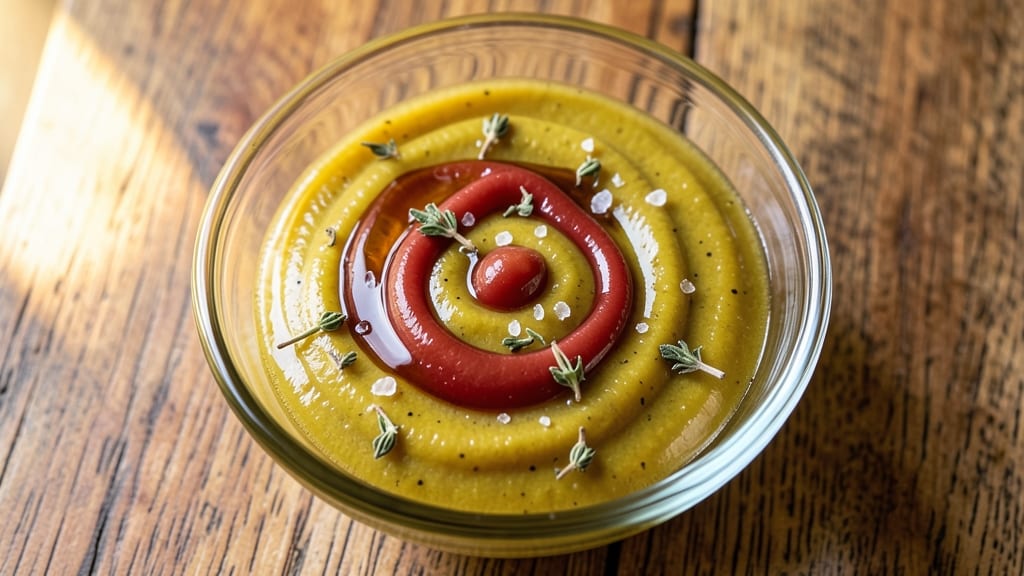
This apple cider vinegar and oil salad dressing recipe transforms simple pantry staples into a bright, tangy dressing that elevates every salad. The balance of sharp vinegar and smooth oil creates a versatile base that clings perfectly to greens, while herbs and spices add depth without overpowering.
What sets this apart is its simplicity—just five core ingredients, yet it delivers restaurant-quality flavor at home.
The secret lies in the ratio: three parts oil to one part vinegar, creating a stable emulsion that won’t separate. For extra zing, I add a pinch of Dijon mustard (it acts as a natural emulsifier) and a touch of honey or maple syrup to mellow the acidity.
Fresh herbs like thyme or dill brighten the flavor, while a pinch of salt rounds everything out. This dressing isn’t just for salads—it’s a game-changer for marinades, drizzled over roasted vegetables, or even as a finishing touch for grain bowls.
What you’ll end up with is a dressing that’s bold yet balanced, with a tangy kick that cuts through rich ingredients. The oil-to-vinegar ratio ensures it stays silky and coats every bite, while the optional add-ins let you customize it for any dish.
Best of all, it keeps for up to two weeks in the fridge, so you’ll always have a flavorful boost ready to go.
Ready to elevate your salads in minutes? This dressing is foolproof, vegan-friendly, and packed with flavor—no fancy techniques required. Let’s get started!
Ingredients for apple cider vinegar and oil salad dressing
Five core ingredients for a dressing that's bold yet balanced and keeps perfectly for weeks.
| Ingredient | Amount | Notes |
|---|---|---|
| Apple Cider Vinegar 🍏 | ¼ cup | Raw, unfiltered preferred for flavor |
| Extra-Virgin Olive Oil 🫒 | ¾ cup | Light or fruity variety works best |
| Dijon Mustard 🌶️ | 1 tbsp | Acts as natural emulsifier |
| Pure Maple Syrup 🍁 | 1 tbsp | Or agave nectar for vegan option |
| Dried Thyme 🌿 | ½ tsp | Or fresh thyme at 1 tsp amount |
| Sea Salt 🧂 | ¼ tsp | Fine grain preferred for balance |
| Fresh Dill 🌿 | 1 tbsp | Chopped, optional for brightness |
| Black Peppercorns 🌶️ | 5 whole | Freshly cracked for depth |
The apple cider vinegar is the star—Bragg or Texas Pete are my go-tos, but any raw, unfiltered kind works. The olive oil should be light or fruity (none of that bitter extra-virgin if you're sensitive to strong flavors). I grab mine from Trader Joe's in bulk—they have a great selection and it lasts forever. For the maple syrup, Grade A dark amber adds more depth than lighter grades. If you're using dried thyme, make sure it's not ancient—it should smell vibrant, not dusty. The fresh dill is optional but adds that bright, garden-fresh note that makes this dressing shine.
No Dijon mustard? Yellow mustard at half the amount works in a pinch, though it won't emulsify as well. Short on maple syrup? Date syrup or a pinch of sugar does the trick, though maple gives that subtle caramel note. The thyme can be swapped for dried oregano at the same amount, but thyme has that earthy complexity that pairs perfectly with apple cider. Skip the fresh dill? Extra black peppercorns add a nice kick. Want more tang? Add another tablespoon of vinegar. Need it sweeter? Add another teaspoon of maple syrup. This dressing is all about balance, so adjust to taste.
This keeps for up to two weeks in the fridge, sealed tightly in a jar. I like to shake it before each use—it naturally separates a little, but the mustard keeps it from fully breaking. For extra shelf life, store it in the darkest part of your fridge. Need to use it up fast? Drizzle it over roasted veggies, toss it with grains, or use it as a marinade for tofu or tempeh. The flavors only get better as it sits, so make a big batch and enjoy it all week.
Why You'll Love This Recipe
- Five-Ingredient Magic: I swear by this combo—just shake, pour, done. No fancy techniques, no measuring cups that never fit right. The ACV and olive oil alone do most of the work, while the maple syrup and Dijon mustard add depth without extra effort.
- Tangy-Sweet Balance: That first bite? The sharpness of apple cider vinegar cuts through greasy salads, but the maple syrup and olive oil soften it into something ridiculously addictive. The thyme? Tiny but mighty—earthy warmth that makes it feel gourmet, not store-bought.
- Meal Prep MVP: I make a big batch on Sundays and toss it in jars. It stays fresh for weeks, perfect for quick lunches or last-minute dinner fixes. Works on kale salads, grilled chicken, or even as a marinade—no waste, all flavor.
- Budget-Friendly Luxury: Honestly, the ingredients cost pennies but taste like a fancy bistro. A splash of ACV, a drizzle of olive oil, and a pinch of thyme stretch across multiple meals. No empty pantry after one use—just pure, reliable goodness.
Step-by-step instructions for apple cider vinegar and oil salad dressing
This dressing comes together in minutes with ingredients you likely already have.
Whisk Together the Vinegar and Sweetener
In a medium bowl, combine the 0.25 cup apple cider vinegar and 1 tbsp pure maple syrup. Use a whisk and stir vigorously for about 30 seconds until the syrup fully dissolves and the mixture becomes slightly syrupy. This step is crucial because the maple syrup helps balance the vinegar's sharpness while adding a subtle sweetness that rounds out the dressing.
Real talk: If you're using agave nectar instead of maple syrup, you might need to whisk for an extra 10 seconds to ensure complete integration. The mixture should look smooth and uniform, with no visible streaks of syrup remaining.
Add Mustard and Seasonings
Next, add the 1 tbsp Dijon mustard, 0.5 tsp dried thyme, and 5 whole black peppercorns to the bowl. Whisk everything together for another 30 seconds until the mustard is fully incorporated and the thyme is evenly distributed. The mustard acts as a natural emulsifier, helping the oil and vinegar blend smoothly later.
Here's the thing—I like to crack the black peppercorns with the back of a spoon before adding them to release their aromatic oils. This ensures the dressing gets that fresh, peppery depth without the texture of whole seeds. If you're using fresh thyme, you'll want to use 1 tbsp instead of the dried amount, but chop it finely so it blends seamlessly.
Gradually Incorporate the Olive Oil
Now, with the whisk still in the bowl, slowly drizzle in the 0.75 cup extra-virgin olive oil while continuing to whisk. Start with a slow, steady stream and gradually increase the speed as you go. This gradual approach is key—it prevents the oil from separating and ensures a smooth, emulsified dressing.
You'll notice the mixture will look slightly thick and may even separate for a moment. Keep whisking for another 1-2 minutes until it comes together into a creamy, homogeneous texture. If it still looks broken, add 1-2 teaspoons of warm water and whisk again. The dressing should coat the back of a spoon without feeling greasy.
Finish with Salt and Fresh Dill
Finally, add the 0.25 tsp sea salt and 1 tbsp fresh dill. Give it one last whisk for about 20 seconds to fully incorporate the salt and distribute the dill evenly. The salt enhances all the flavors, while the fresh dill adds a bright, herbal note that cuts through the richness of the olive oil.
Taste the dressing and adjust the seasoning if needed. If it's too tangy, add a touch more maple syrup. If it's too mild, add a splash more vinegar or a pinch of salt. The dressing should have a perfect balance of sweet, tangy, herby, and slightly peppery flavors. Let it sit for 5 minutes before using—this allows the flavors to meld even more.
Store and Use
Transfer the dressing to a clean, airtight jar or bottle. It will keep in the refrigerator for up to 2 weeks, though I find it's best used within 5-7 days for maximum freshness. Before each use, give it a good shake—sometimes the oil and vinegar can separate slightly, but a quick stir will bring it back together.
This dressing is incredibly versatile. Use it on mixed greens, grain salads, or even as a marinade for grilled chicken. The bright tang and herb-infused zing make it a standout in any dish. Enjoy it immediately, or store it for later—either way, you'll love the result!
Pro Tips For Making Apple Cider Vinegar And Oil Salad Dressing
- STIR VIGOROUSLY AFTER RESTING: Whisk the Dijon and maple syrup into the vinegar first—let it sit for 30 seconds. That pause lets the flavors meld before you add the oil, or you’ll end up with a separated mess. (I learned this the hard way when my first batch split like a bad marriage.)
- USE COLD OIL: Pour the olive oil in slowly while the jar’s still cool—room temp oil emulsifies better than warm. If you’re impatient and dump it straight from the fridge, at least let it sit out for 10 minutes first. The texture will thank you.
- MEASURE THYME BY VOLUME: Sprinkle the dried thyme directly from the jar by the teaspoon—not the pinch. Too little and it’s forgettable; too much and it’ll taste like you’re dressing a Thanksgiving turkey. A heaping ½ teaspoon is your sweet spot.
- SWAP MAPLE FOR HONEY (IF NECESSARY): If you’re out of maple syrup, use honey—but chill the jar first. Warm honey dissolves faster but makes the dressing clump. A quick 5-minute ice bath keeps it smooth. (Yes, it’s annoying, but your salad will notice.)
Troubleshooting this dish
Oil Separation Fix
The most common issue is oil separating from the vinegar. This happens when the emulsion breaks, usually because the mustard wasn't fully incorporated or the oil was added too quickly. To fix it, whisk in 1-2 teaspoons of warm water and give it a vigorous whisk for 30 seconds.
The mustard acts as a natural emulsifier, so if your dressing still separates, add another ½ teaspoon of Dijon mustard and whisk again until smooth. 💫
Too Tangy?
If your dressing tastes overly sharp, the vinegar is likely overpowering. Balance it by adding ½ teaspoon more maple syrup or agave nectar and whisking well. For a milder tang, reduce the vinegar by 1 tablespoon and replace it with an equal amount of water.
Taste as you go—this dressing should be bright, not harsh.
Not Flavorful Enough
If the dressing lacks depth, boost the flavor with extra herbs like chopped parsley or tarragon, or a pinch of garlic powder. For warmth, add a ¼ teaspoon of smoked paprika.
If it feels flat, a splash of lemon juice (about ½ teaspoon) adds a fresh citrus note that brightens everything up.
Grainy Texture
If your dressing has a gritty texture, it’s likely from the thyme or peppercorns. For a smoother finish, strain the dressing through a fine-mesh sieve before storing or using.
If you’re using dried herbs, pulse them briefly in a spice grinder first to break them down. Fresh herbs should be finely chopped to avoid texture issues.
Storing Issues
If your dressing spoils faster than expected, it might be due to moisture exposure. Always store it in an airtight container in the fridge, and avoid opening it too often.
For longer shelf life, add a pinch of salt (it acts as a natural preservative) or a few drops of lemon juice, which also helps extend freshness. 🧂
Too Thick or Thin
Adjust the consistency by adding water or oil as needed. For a thicker dressing, add 1 teaspoon of water and whisk. For a thinner dressing, add 1 teaspoon of oil and stir. The ideal consistency should coat the back of a spoon without being greasy or watery.
Nutrition facts
Frequently asked questions
Can I use this dressing on non-salad dishes?
This versatile dressing works beautifully as a marinade for grilled chicken, tofu, or shrimp. The tangy apple cider vinegar tenderizes proteins while adding flavor, and it makes a great drizzle over roasted vegetables or grain bowls too. Just reduce the oil slightly if using as a marinade.
What if I don't have Dijon mustard?
No problem! Use 1 tbsp yellow mustard instead, though it won't emulsify as perfectly. For a mustard-free version, add 1 tsp cornstarch or arrowroot powder mixed with 1 tsp water to help stabilize the oil and vinegar. Whisk this mixture into the vinegar first before adding oil.
How do I make this dressing spicier?
Add ½ tsp cayenne pepper or 1 tsp hot sauce for immediate heat. For a smoky kick, stir in ¼ tsp smoked paprika. If you love fresh chili, blend 1-2 chopped jalapeños into the dressing before adding oil. Always taste first—you can adjust the heat level easily!
Why does my dressing separate after a few days?
This is normal! The oil and vinegar naturally separate over time. Before using, simply shake or whisk vigorously to re-emulsify. For a more stable dressing, add 1 extra tsp mustard or 1 tsp honey/agave when making it. Store in a clean, airtight jar to minimize separation.
Can I make this dressing without sweeteners?
Yes, but it will taste more sharply acidic. Skip the maple syrup and add ½ tsp salt instead to balance the flavors. For a fruity twist, stir in 1 tbsp finely chopped apple or pear (remove seeds). The sweetener helps mellow the vinegar's acidity, but this version works well for bold flavor profiles.