
Sauces & Condiments
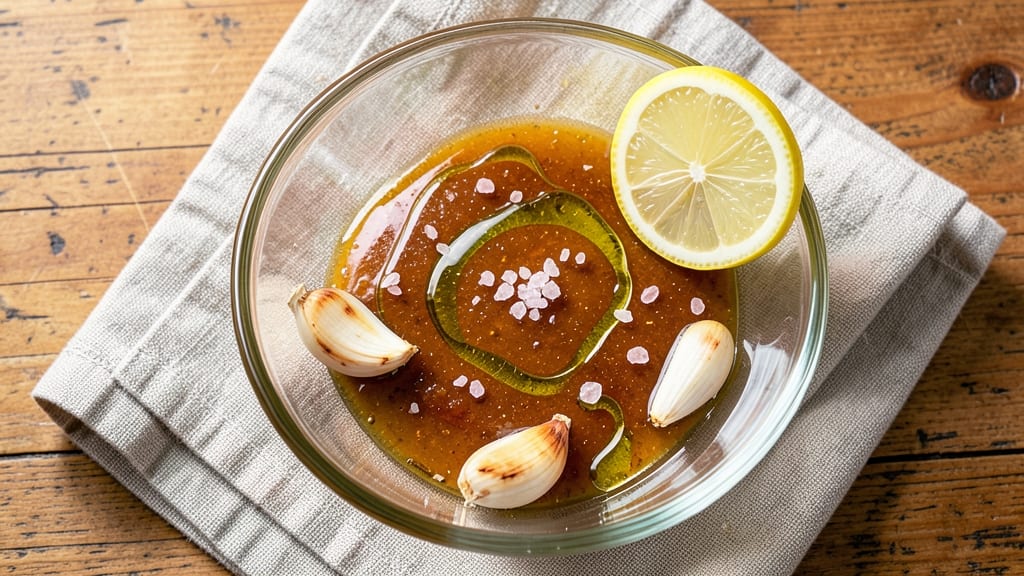
This apple cider vinegar, garlic, and honey recipe transforms simple ingredients into a tangy, sweet-savory sauce that elevates everything from salads to roasted vegetables. The combination of sharp vinegar, aromatic garlic, and smooth honey creates a balanced dressing with antibacterial properties that also adds depth to marinades and glazes.
I developed this recipe after realizing how often I reached for store-bought dressings—until I made my own version that tasted infinitely better.
The beauty of this sauce lies in its simplicity: just three core ingredients that come together in minutes. The apple cider vinegar provides a bright acidity, while the garlic adds warmth and complexity. Honey rounds out the flavors with natural sweetness, creating a dressing that’s both versatile and memorable.
What makes it special is how it enhances other dishes without overpowering them—perfect for drizzling over greens, tossing with roasted carrots, or even brushing onto grilled chicken.
Once made, this sauce keeps well in the refrigerator for up to two weeks, making it ideal for meal prep. The tangy-sweet profile cuts through rich foods while adding a bright contrast to creamy textures.
It’s the kind of condiment that turns ordinary meals into something extraordinary—without requiring any special skills or equipment. Ready to transform your meals? Here’s how to make it.
Use this versatile sauce as a salad dressing, a glaze for roasted vegetables, or even a marinade for meats. Its balance of sweet, tangy, and savory flavors makes it adaptable to almost any dish. The best part? You’ll never want to go back to store-bought again.
Ingredients for apple cider vinegar garlic and honey
Three core ingredients plus a few finishing touches create this transformative antibacterial sauce.
| Ingredient | Amount | Notes |
|---|---|---|
| Apple Cider Vinegar 🍏 | ½ cup | Raw, unfiltered preferred for depth |
| Raw Honey 🍯 | ¼ cup | Local or manuka for antibacterial boost |
| Garlic Cloves 🧄 | 4 cloves | Fresh, peeled, lightly crushed |
| Extra-Virgin Olive Oil 🫒 | ¼ cup | For smooth texture and richness |
| Sea Salt 🧂 | ½ tsp | Diamond Crystal preferred |
| Fresh Lemon Juice 🍋 | 1 tbsp | Brightens the sauce further |
| Fresh Black Pepper 🌶️ | ¼ tsp | Freshly cracked for warmth |
| Fresh Parsley 🌿 | 2 tbsp | Chopped, for fresh finish |
The apple cider vinegar should be the raw, unfiltered kind—it has more flavor and those cool sediment bits actually add texture. Bragg is my go-to brand, but any organic ACV works. For honey, local raw honey has the best antibacterial properties, but regular honey still delivers. The garlic matters too—roasted garlic adds sweetness, but fresh crushed gives that sharp punch. If you're using it as a marinade, let the garlic sit in the vinegar for 10 minutes before blending to infuse the flavors. Pro tip: if you're sensitive to garlic's intensity, start with 3 cloves instead of 4.
No raw honey? Maple syrup works in a pinch, but it won't have the same antibacterial benefits. Short on garlic? One extra clove of roasted garlic adds depth without overpowering. The olive oil can be swapped for avocado oil if you prefer a neutral flavor. Lemon juice is optional but adds that extra bright pop—Trader Joe's sells concentrated lemon juice that's perfect for this. For a spicier kick, add a pinch of cayenne or a dash of hot sauce. And if you're making a big batch, double the ingredients and store in a glass jar for up to 3 weeks.
This sauce keeps beautifully in the fridge for 2 weeks—the flavors actually deepen over time. I like to store it in a small glass jar with a tight lid. For meal prep, make a double batch: use half on salads and save the other half for roasted veggies or grilled chicken. The parsley is optional but adds that fresh finish—freeze any extra chopped parsley in ice cube trays for future use. If the sauce separates, just give it a quick shake before using. It's that simple.
Why You'll Love This Recipe
- Five-Ingredient Magic: I swear, this is the kind of recipe where you measure, mix, and forget about it. No chopping, no peeling, no stress—just raw honey’s warmth, garlic’s punch, and that tangy vinegar kick that transforms anything you drizzle it on.
- Tangy Sweet Heat: Honestly, the balance here is chef’s kiss—the honey’s floral sweetness cuts through the sharpness of the apple cider vinegar, while the garlic and olive oil add this deep, savory richness. It’s the kind of flavor that lingers but never overpowers.
- Pantry Staple Power: Between us, this is my go-to for when I’m out of ideas. Toss it on roasted veggies, drizzle it over grilled chicken, or even mix it into a quick salad dressing—it’s the ultimate “I’ve got nothing but basics” savior.
- Lasts All Week: I make a big batch and keep it in a jar. A little goes a long way, so it stretches forever—perfect for when you’re meal prepping but don’t want to slave over complicated sauces. Plus, the ingredients cost pennies.
Step-by-step instructions for apple cider vinegar, garlic, and honey dressing
Here's how to blend this vibrant antibacterial dressing that elevates salads and dips to restaurant quality.
Lightly Toast the Garlic for Depth
In a small skillet over low heat, add the 4 cloves garlic cloves and let them sizzle gently for 1-2 minutes until they're fragrant and just beginning to turn golden around the edges. This light toasting enhances their sweetness without burning, which would make the dressing bitter.
Watch closely—the garlic should smell heavenly but not darken. As soon as you see the edges turning pale gold, remove the pan from heat immediately. Let the garlic cool for 2 minutes before transferring it to your mixing bowl. This brief cooling prevents the garlic from continuing to cook and releasing its oils prematurely.
Whisk Together the Base Ingredients
In a medium bowl, combine the 0.5 cup apple cider vinegar and 0.25 cup raw honey. Whisk vigorously for 30 seconds until the honey dissolves completely and the mixture becomes smooth. The vinegar will help break down the honey's thick texture, creating a silky base.
Next, add the 0.25 cup extra-virgin olive oil and whisk continuously for another 1 minute. You'll notice the mixture emulsify slightly as the oil incorporates into the vinegar-honey blend. This step is crucial for creating a stable dressing that won't separate later. If you see any oil droplets resisting, keep whisking—they'll eventually blend in.
Incorporate the Seasonings and Fresh Elements
Add the toasted garlic cloves to the bowl and press them lightly with the back of your spoon to release their oils and flavors. Then stir in the 0.5 tsp sea salt, 1 tbsp fresh lemon juice, and 0.25 tsp fresh black pepper. Mix well to distribute all the seasonings evenly throughout the dressing.
Finally, fold in the 2 tbsp fresh parsley using a spatula. The parsley should be finely chopped to distribute evenly, adding a bright green color and fresh herbal note that balances the richness of the honey and acidity of the vinegar. Taste the dressing and adjust seasoning if needed—you might want to add a touch more salt or lemon juice to suit your preference.
Rest and Emulsify for Perfect Texture
Cover the bowl with plastic wrap and let the dressing rest at room temperature for 10-15 minutes. This resting period allows the flavors to meld together and the ingredients to fully emulsify. During this time, give the dressing a quick stir every 3-4 minutes to help the oil and vinegar fully integrate.
After resting, give the dressing one final whisk to ensure everything is perfectly combined. The finished dressing should have a smooth, velvety texture with no visible separation. If you notice any separation, simply whisk vigorously for another 30 seconds—this dressing is remarkably stable once properly emulsified. It's now ready to elevate your salads, drizzle over grilled vegetables, or use as a vibrant dip.
Pro Tips For Making Apple Cider Vinegar Garlic And Honey
- Infuse Garlic Slowly: Ditch the quick mincing—smash those garlic cloves with the flat side of your knife first, then finely chop. This releases more flavor without burning, and you’ll taste the difference when it melds with the vinegar and honey. (Yes, even if you’re impatient like me.)
- Warm Honey First: Cold honey is thick and stubborn. Gently heat it in a small saucepan over low heat (just until it flows easily) before mixing with vinegar and garlic. This ensures everything emulsifies smoothly—no clumpy surprises later.
- Balance Vinegar Heat: Apple cider vinegar packs a punch. If the tang feels too sharp, add honey gradually—start with half the amount, taste, then adjust. The goal is brightness, not a mouth-puckering finish.
- Toast Garlic in Oil: Before adding vinegar, sauté minced garlic in olive oil over low heat until golden (not brown). This deepens its flavor and prevents that bitter, burnt taste that ruins the whole dish. (I learned this the hard way—don’t skip it.)
Dietary considerations for this apple cider vinegar garlic and honey
Gluten-Free Friendly
This dressing is naturally gluten-free since it contains no grains or wheat-based ingredients. The apple cider vinegar, honey, and olive oil are all gluten-free staples, making this perfect for those with celiac disease or gluten sensitivities.
Always double-check your honey label—some brands process their honey in facilities that handle gluten, but raw, local honey is typically safe. 🌾
Vegan Adaptations
To make this dressing vegan, simply ensure your honey is replaced with maple syrup or agave nectar—both work beautifully while keeping the same sweet-savory balance. The rest of the ingredients (vinegar, garlic, olive oil) are already plant-based.
For extra richness, add 1 tbsp tahini to the olive oil measurement. This version works perfectly as a vegan salad dressing or marinade.
Low-Sugar Options
If you're watching sugar intake, reduce the honey to 2 tablespoons instead of ¼ cup while increasing the apple cider vinegar to ⅔ cup. This keeps the tangy-sweet profile while cutting sugar by about 60%.
For added flavor depth, stir in 1 teaspoon Dijon mustard—it enhances the dressing's complexity without extra sweetness. Always check honey labels for sugar content if you're tracking carbs.
Antibacterial Benefits
The combination of raw honey and apple cider vinegar creates a powerhouse of antibacterial properties. Raw honey contains hydrogen peroxide and enzymes that fight bacteria, while ACV's acetic acid disrupts harmful microbes.
This makes the dressing particularly effective for food safety—great for marinades or dressings that sit at room temperature. For extra protection, add ½ teaspoon cinnamon (another natural antibacterial spice). 💪
Allergen Considerations
This recipe contains honey, which may trigger allergies in some individuals. For those with honey allergies, substitute with maple syrup or date syrup while adjusting other seasonings to balance the flavor.
The garlic and olive oil are common allergens for some—always check ingredient labels if you have sensitivities. For a nut-free kitchen, ensure your olive oil isn't processed in facilities with tree nuts.
Diabetic-Friendly Adjustments
For a lower-glycemic version, replace half the honey with monk fruit sweetener or erythritol. This reduces sugar content while maintaining sweetness. Pair with leafy greens (like spinach or kale) to create a balanced, nutrient-dense salad.
The vinegar helps stabilize blood sugar by slowing carbohydrate absorption. Always monitor portion sizes—even natural sweeteners affect blood glucose levels.
Nutrition facts
Frequently asked questions
Can I use this dressing on cooked meats?
This dressing works beautifully as a glaze for roasted chicken or pork tenderloin. Brush it on before the last 10-15 minutes of cooking at 375°F for a sticky, caramelized finish. The honey and vinegar combo creates an irresistible balance of sweet and tangy flavors that pairs perfectly with savory meats. Just avoid using it on raw meats before cooking to prevent cross-contamination.
How do I fix a dressing that separated?
Don't worry—this happens sometimes! Simply whisk the dressing vigorously for 30-60 seconds until it re-emulsifies. For extra stability, add 1 teaspoon Dijon mustard or 1 tablespoon olive oil and whisk again. The key is to combine the ingredients thoroughly and let it rest after mixing to prevent future separation. If it happens again, try making a smaller batch for better control.
What's the best way to store leftovers?
Transfer the dressing to an airtight glass jar and store it in the refrigerator for up to 2 weeks. The flavors actually improve over time! If you notice any mold or off smells, discard it immediately. For longer storage, freeze the dressing in ice cube trays—each cube makes a perfect single-serving portion for salads or drizzling.
Can I make this without honey?
Yes! Replace the honey with maple syrup or agave nectar for a vegan version, or use date syrup for deeper flavor. If you're avoiding sugar entirely, try monk fruit sweetener or erythritol—just reduce the amount by half since these are much sweeter. The vinegar and garlic will still shine through, though the texture may be slightly thinner without honey's natural thickness.
Is this dressing safe to use as a marinade?
Yes, but marinate proteins for no more than 4-6 hours in the refrigerator to prevent bacterial growth. The apple cider vinegar and raw honey create natural antibacterial properties, but always cook the meat thoroughly to 165°F (chicken) or 145°F (pork) before eating. For extra safety, reserve some marinade before adding it to the cooking pan—never reuse raw marinade as a sauce.