
Sauces & Condiments
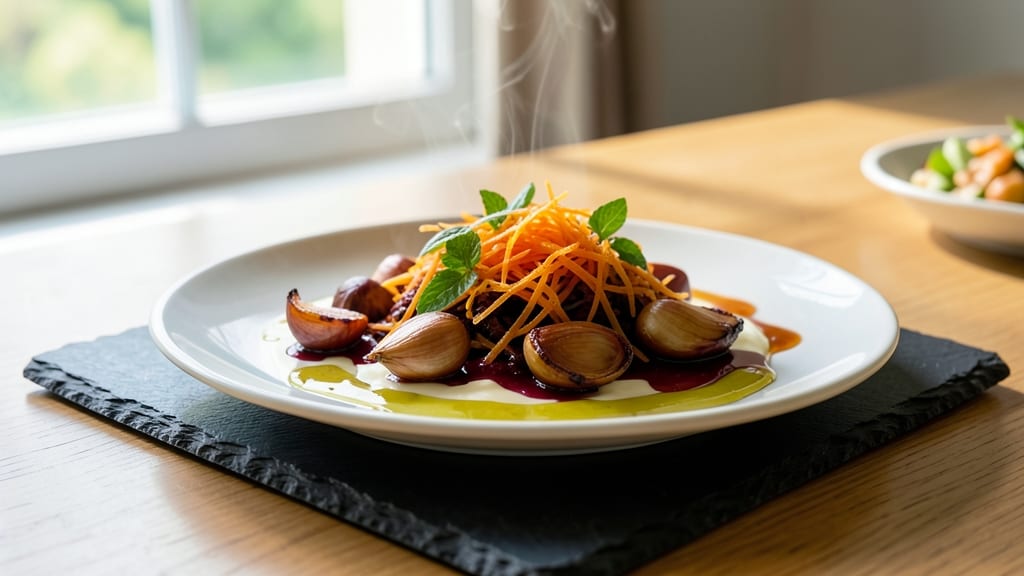
Apple cider vinegar garlic ginger sauce transforms simple stir-fries into restaurant-worthy meals with just 10 minutes of prep. This zesty umami base—where tangy vinegar meets fresh garlic and ginger—cuts through rich proteins while adding bright, complex flavor that lingers on the palate. The secret lies in balancing acidity with a touch of sweetness, creating a sauce that works as a marinade, dressing, or dip without overpowering your dish.
The recipe relies on three key components: finely minced garlic and ginger (for aromatic depth), raw apple cider vinegar (for tangy sharpness), and a neutral oil like avocado or sesame to emulsify everything into a silky, clingy sauce.
No special equipment is needed—just a blender or whisk—and the ingredients likely already live in your pantry. What makes this sauce stand out is its versatility: toss it with grilled chicken, drizzle over noodles, or serve it alongside spring rolls for dipping.
What you’ll end up with is a sauce that’s bold yet balanced, with layers of garlic’s pungency, ginger’s warmth, and vinegar’s bright acidity. The texture is smooth and cohesive, clinging to every bite without being heavy.
Best of all, it keeps for up to a week in the fridge, making it the perfect go-to for quick weeknight meals or meal prep.
For extra depth, consider adding a splash of honey or maple syrup to mellow the vinegar’s sharpness, or a pinch of red pepper flakes for heat. The possibilities are endless—let’s make this sauce your new kitchen staple.
Ingredients for apple cider vinegar garlic ginger
Nine simple pantry staples create a sauce that elevates stir-fries and dips instantly.
| Ingredient | Amount | Notes |
|---|---|---|
| Raw Apple Cider Vinegar 🍏 | ½ cup | Unfiltered for best flavor |
| Garlic Cloves 🧄 | 6 cloves | Finely minced for aromatic depth |
| Fresh Ginger Root 🌿 | 2 tbsp | Finely grated, peel removed |
| Avocado Oil 🫒 | ½ cup | Neutral flavor for emulsification |
| Honey 🍯 | 2 tbsp | For balancing acidity |
| Soy Sauce 🍜 | 1 tbsp | For umami depth |
| Sesame Oil 🥜 | 1 tsp | For nutty aroma (optional) |
| Red Pepper Flakes 🌶️ | ½ tsp | Adjust for heat preference |
| Sea Salt 🧂 | ½ tsp | To enhance all flavors |
The apple cider vinegar is non-negotiable here—Bragg or Texas Pete are my go-tos, but any raw, unfiltered kind works. Look for cloudy vinegar in the refrigerated section at Whole Foods or Trader Joe's for maximum flavor. Fresh garlic and ginger are worth the extra minute to mince finely—microplane for ginger saves time and gives you a smoother texture. If you're short on time, pre-minced garlic works, but fresh is always better. The avocado oil keeps the sauce light while helping it cling to everything.
No honey? Maple syrup or agave works just as well—about the same amount. Short on soy sauce? Coconut aminos or tamari add umami without soy. The sesame oil is optional but adds that signature nutty aroma—skip it if you're sensitive to strong flavors. For extra heat, gochujang or sriracha can replace the red pepper flakes. And if you're making a big batch, double the ingredients—this sauce keeps beautifully for up to a week in the fridge.
This sauce is a game-changer for meal prep. Store it in a glass jar with a tight seal—it’ll keep for up to 7 days in the fridge. For longer storage, freeze in ice cube trays and transfer to a bag. Toss it with grilled chicken, drizzle over noodles, or use as a dip for spring rolls. The flavors only get better as it sits, so make extra. Trust me, you'll want it on hand all the time.
Why You'll Love This Recipe
- Pantry-to-Table Magic: I swear by this one—just mash garlic, grate ginger, and drizzle ACV and honey over avocado oil. No fancy tools, no waiting for ingredients to "ripen." Honestly, the hardest part is deciding whether to use it as a salad dressing or a marinade.
- Zingy Triple Threat: That tangy-sweet punch from the apple cider vinegar and honey? Chef’s kiss. The ginger adds warmth, and the garlic? It layers in like a hug for your taste buds. I’ll be real: I’ve caught myself pouring extra just to taste it straight from the bowl.
- Marinade or Dressing: Use it to tenderize chicken in 30 minutes or toss it with roasted veggies. Even my picky-eating friend asked for seconds when I drizzled it over her plain rice. Between us, it’s the only thing that makes store-bought tofu taste homemade.
- Lasts All Week: A little goes a long way—this batch still had life after five days in the fridge. I keep it in a small jar in my fridge door for quick drizzles, and it never goes to waste. Plus, the ACV keeps it fresh longer than most dressings. Solid budget move.
Step-by-step instructions for apple cider vinegar garlic ginger base
This zesty umami base comes together in minutes with simple techniques.
Prepare the Aromatics
In a medium saucepan, combine the 6 cloves garlic cloves and 2 tablespoons fresh ginger root that you've already finely minced and grated. I like to use a microplane for the ginger to get those fine shreds that'll infuse beautifully. Add the 0.5 cup avocado oil and place the pan over medium-low heat.
Let the aromatics cook gently for 3-4 minutes until the garlic becomes fragrant but doesn't brown. You're not trying to crisp it here - just wake up those flavors. Stir occasionally so the ginger doesn't stick to the bottom. The oil should look slightly shimmering but not smoking - that's your cue it's ready for the next step.
Add Acid and Sweetener
Pour in the 0.5 cup raw apple cider vinegar and 2 tablespoons honey all at once. The mixture will bubble gently as the acid reacts with the oil. Give it a good stir to combine everything, then reduce the heat to low and let it simmer for 5 minutes.
You'll notice the liquid reduce slightly and the flavors meld together. The vinegar's tang will mellow out while the honey adds just enough sweetness to balance the acidity. If you see any foam developing, use a spoon to skim it off - we want a clean, smooth base. This is where the magic happens as all the flavors start to marry together.
Build the Umami Foundation
Add the 1 tablespoon soy sauce, 0.5 teaspoon sea salt, and 0.5 teaspoon red pepper flakes to the simmering mixture. Stir well to incorporate these flavors completely. Let it cook for another 2-3 minutes until everything is fully combined and the mixture has thickened slightly.
This is the moment where all the flavors come together. The soy sauce adds that deep umami punch, the salt enhances all the other flavors, and the red pepper flakes give just a hint of heat. Taste it now - you should get a balance of tangy, sweet, savory, and slightly spicy notes. If you want to add the 1 teaspoon sesame oil now, do it off the heat to preserve its delicate aroma.
Finish and Adjust
Remove the pan from heat completely and let it cool for 5 minutes. This cooling period allows all the flavors to settle and the mixture to emulsify properly. I find this step crucial - it prevents the oil from separating later when you use it in stir-fries or dips.
Taste again and adjust if needed. Need more sweetness? Add a touch more honey. Want more heat? Add a pinch more red pepper flakes. The beauty of this recipe is that it's completely customizable. Once you're happy with the flavor, transfer it to a clean jar or airtight container. It'll keep in the refrigerator for up to 2 weeks, ready to elevate any dish you add it to.
Pro Tips For Making Apple Cider Vinegar Garlic Ginger
- LOW AND SLOW ON GINGER: I used to blast the ginger in a pan, thinking it’d wake up the flavors faster. Wrong. Simmer it at a bare whisper of heat—just enough to see a gentle shimmer—for 8-10 minutes. That’s when the sharp edges soften into something warm and complex, especially when paired with ACV.
- PEEL GINGER LIKE A PRO: Skip the knife and use a spoon’s back to scrape off the skin in one smooth motion. The root’s tough outer layer resists peeling, but a spoon handles it better than a paring knife (and saves your fingers). Cut into ¼-inch slices—thinner than you’d think, because overcooked ginger turns to mush.
- DILUTE THE ACV FIRST: Pouring raw apple cider vinegar straight into hot oil? That’s a surefire way to end up with a bitter, acrid mess. Mix 1 tablespoon of ACV with 2 tablespoons of water first, then stir it into the oil. The dilution mellows the sharpness while keeping the tang intact—your taste buds will notice the difference immediately.
- SWEAT THE GARLIC: Don’t just toss minced garlic into the pot. Sauté it in avocado oil for 2 full minutes until it’s just starting to turn golden at the edges—this builds depth before the ACV and ginger join. Overcook it, and you’ll get a bitter, burnt flavor that ruins the whole dish. Two minutes is all you need.
Common mistakes when making this dish
Overcooking Aromatics
One of the biggest mistakes is letting garlic or ginger burn while cooking in oil. When you see golden brown spots or hear popping sounds, it means you've gone too far. Burnt aromatics create bitter flavors that ruin the delicate balance of this sauce.
I always keep the heat at medium-low and stir frequently to prevent sticking or browning. If you notice any dark spots, immediately remove the pan from heat and let it cool before proceeding. 🌶️
Skipping the Cooling Step
The 5-minute cooling period after removing from heat is crucial but often skipped. This step allows the sauce to properly emulsify, preventing oil separation later. I've made this mistake and ended up with a sauce that looked like vinaigrette—oil floating on top.
Let it rest before tasting or adjusting flavors to ensure everything comes together smoothly.
Using Cooked Garlic/Ginger
Freshly minced garlic and grated ginger should be raw when added to the sauce. Pre-cooked aromatics lose their bright, fresh flavors and become dull. I always peel and mince garlic right before using, and grate ginger with a microplane for maximum surface area.
If you're short on time, use pre-minced garlic from a jar, but fresh is always better for that authentic flavor.
Ignoring Flavor Balance
This sauce relies on a perfect balance of tangy, sweet, savory, and spicy notes. Skipping the honey or soy sauce makes the vinegar too sharp, while omitting the sesame oil or red pepper flakes flattens the flavor profile.
Taste as you go and adjust gradually. I usually make small batches first to test the balance before scaling up.
Storing Improperly
Storing this sauce in metal containers can cause reactions with the acidity, altering the flavor. Always transfer it to a glass jar or airtight container with a tight seal. I also recommend leaving ½ inch headspace to prevent oxidation.
In the fridge, it keeps for up to 2 weeks, but if you notice any separation, just give it a good stir before using. 💡
Adding Oil Too Late
If you add oil after the vinegar and other liquids, the sauce will separate because oil and water don't mix. The avocado oil should be added first to create an emulsion base.
I like to heat the oil with the aromatics first, then add the vinegar and other ingredients to ensure everything blends smoothly. This technique keeps the sauce cohesive and clingy.
Nutrition facts
Frequently asked questions
Can I make this sauce without honey?
Yes! Swap the honey for 2 tablespoons maple syrup or agave nectar—both work equally well to balance the vinegar's acidity. For a savory version, try 1 teaspoon rice vinegar instead, but you may need to add a pinch more salt to compensate.
How can I use this sauce beyond stir-fries?
This versatile base works as a marinade for grilled chicken or tofu, a tangy dip for spring rolls or veggie sticks, or even a dressing for salads or grain bowls. Thin with water for a lighter drizzle or use it as a base for homemade hot sauce by adding hot sauce and simmering.
Why does my sauce separate after storing?
Separation happens when oil and vinegar aren't properly emulsified. Stir well before using, or blend briefly to recombine. For a smoother texture next time, whisk vigorously after cooking or add 1 teaspoon Dijon mustard (it acts as a natural emulsifier). Store in a glass jar with a tight seal to prevent future separation.
Can I make this sauce spicier?
Add 1-2 teaspoons gochujang or 1 tablespoon sriracha for deeper heat. For fresh chili, blend in 1-2 fresh red chili peppers (seeds removed for less heat) with the other ingredients. Taste as you go—start with less and adjust.
Is this sauce gluten-free?
Only if you use tamari or coconut aminos instead of soy sauce. Double-check all ingredients (like honey or vinegar) for hidden gluten. The base recipe is naturally gluten-free, but always verify labels for cross-contamination if needed.