
Sauces & Condiments
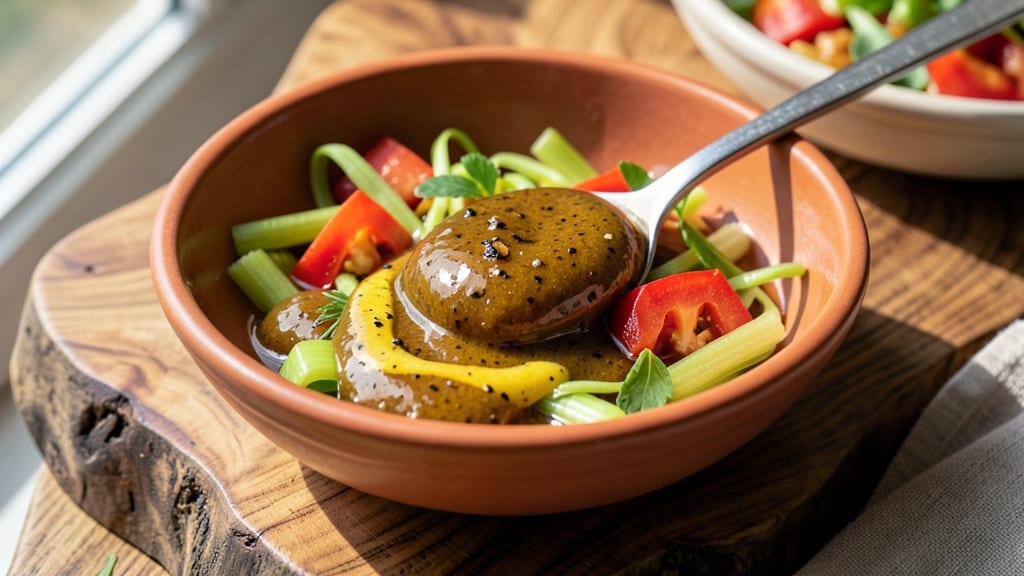
This apple cider vinegar sauce recipe transforms simple pantry staples into a versatile condiment with bold tangy-sweet depth and satisfying crunch. The secret lies in balancing sharp apple cider vinegar with honey's caramel notes, while celery and pepper add refreshing texture and heat. I developed this after years of experimenting with vinegar-based dressings—it's the one that finally delivers restaurant-quality tang without overpowering flavors.
What makes this sauce special is its adaptability—it works as a zesty salad dressing, a marinade for grilled meats, or even a dip for crispy vegetables. The celery-pepper blend creates delightful crunch that contrasts beautifully with the smooth vinegar base.
Unlike many vinegar sauces, this one stays stable for up to two weeks in the fridge, making it perfect for meal prep.
The result is a sauce that's perfectly balanced—tangy enough to cut through rich dishes but sweet enough to satisfy. Each component plays a crucial role: the vinegar provides acidity, honey adds natural sweetness, and the celery-pepper mixture delivers freshness.
This isn't just another vinegar sauce; it's a flavor enhancer that elevates everything it touches.
Whether you're drizzling it over greens, brushing it on chicken, or using it as a dip, this versatile sauce will become a staple in your kitchen.
The ingredients are simple, the process is straightforward, and the results are consistently impressive. Let's get started on creating this flavorful addition to your cooking repertoire.
Ingredients for apple cider vinegar sauce
Pantry staples meet fresh crunch for a sauce that's tangy, sweet, and packed with texture.
| Ingredient | Amount | Notes |
|---|---|---|
| Apple Cider Vinegar 🍏 | ½ cup | Raw, unfiltered preferred |
| Raw Honey 🍯 | 0.35 cup | Local preferred for depth |
| Celery Stalks 🧅 | ½ cup | Finely chopped, leaves included |
| Red Bell Pepper 🌶️ | ¼ cup | Diced, seeds removed |
| Extra-Virgin Olive Oil 🫒 | ¼ cup | Light, fruity variety |
| Dijon Mustard 🍯 | 1 tbsp | Mild for balance |
| Garlic Cloves 🧄 | 2 cloves | Minced, fresh preferred |
| Red Pepper Flakes 🌶️ | ½ tsp | Adjust for heat preference |
| Sea Salt 🧂 | ¾ tsp | Diamond Crystal preferred |
| Black Peppercorns 🌶️ | ¼ tsp | Freshly cracked |
The apple cider vinegar is the heart of this sauce—Bragg's or local orchard brands have the deepest flavor. I always grab the raw, unfiltered kind (the kind with the 'mother') for that extra complexity. The honey should be raw and local if possible—it adds subtle floral notes that store-bought varieties miss. Celery and bell pepper are non-negotiable for that signature crunch; Trader Joe's has perfect pre-chopped celery mixes, but fresh is always better. The red bell pepper adds sweetness and color, so don't skimp on quality—look for firm, vibrant ones at the store. If you're using jarred vinegar, give it a quick stir before measuring—sediment settles fast.
No raw honey? Maple syrup works beautifully—just use the same amount. Short on celery? Fennel or extra bell pepper keeps the crunch. The olive oil can be swapped for avocado oil if you're avoiding strong flavors. For heat control, reduce the red pepper flakes to 1/4 tsp if you're sensitive to spice. The Dijon mustard is key—it adds depth without overpowering. If you don't have it, yellow mustard at half the amount works in a pinch. The garlic gets minced while the pepper and celery are still raw—this releases more flavor. Pro tip: Toast the peppercorns lightly in a dry pan before grinding for extra aroma.
This sauce keeps beautifully—up to 2 weeks in the fridge if you seal it tightly with a layer of olive oil on top. For longer storage, divide into ice cube trays and freeze; thaw overnight in the fridge before using. The flavors actually improve after a day or two as everything melds together. I like to make a big batch and keep it in a glass jar in my fridge door for quick access. It's perfect for drizzling, dipping, or marinating—just give it a good shake before each use to redistribute the crunchy bits. The celery and pepper will soften slightly over time, but the sauce stays vibrant and delicious.
Why You'll Love This Recipe
- No-Chop Nightmare: I swear, this sauce only asks for one celery stalk and half a bell pepper—no dice, no julienne, just rough chop if you’re feeling fancy. The vinegar and honey do all the heavy lifting while you sip your wine and pretend you’re a chef.
- Tangy-Sweet Magic: That first bite? The vinegar’s sharp kick meets the honey’s golden warmth, then the olive oil smooths it all out like a hug. It’s the kind of balance that makes you pause mid-bite and think, “Wait, why haven’t I done this sooner?”
- Dresses Everything: Drizzle it over grilled chicken, toss it with roasted veggies, or slather it on a sandwich—it’s the MVP of lazy dinners. Honestly, I’ve even used it as a marinade (yes, really), and the meat comes out ridiculously juicy.
- Pantry Goldmine: You’re already using what’s in your fridge—no specialty trips, no wasted ingredients. A little goes a long way, so you’ll have leftovers for days, and the flavor only gets better as it sits. Budget-friendly? More like pantry genius.
Step-by-step instructions for apple cider vinegar sauce
This tangy-sweet sauce comes together in minutes with a perfect balance of crunch and depth.
Prepare the Celery-Pepper Base
In a medium saucepan, combine the 0.5 cup finely chopped celery stalks (including leaves) and 0.25 cup diced red bell pepper (seeds removed). Cook over medium heat for 4-5 minutes until the celery softens and the bell pepper becomes translucent. You'll notice the mixture releases moisture—this is normal and helps build flavor.
I like to stir occasionally to prevent sticking, but don't overcrowd the pan. The vegetables should soften but not brown—we want them to retain their subtle crunch. If they start to darken too quickly, reduce the heat slightly. This foundational step creates the textural backbone of the sauce.
Build the Flavor Foundation
Add the 0.25 cup extra-virgin olive oil and 2 cloves minced garlic to the pan. Cook for another 1-2 minutes until the garlic becomes fragrant—you'll smell it immediately. This is when the garlic releases its sweet, pungent aroma that carries through the entire sauce.
Next, stir in the 1 tbsp Dijon mustard and 0.5 tsp red pepper flakes. Cook for 30 seconds to let the spices bloom. The mustard will add depth while the red pepper flakes introduce just the right amount of heat. Here's where the sauce starts to come together—don't rush this step, as proper blooming ensures balanced flavor.
Create the Tangy-Sweet Balance
Pour in the 0.5 cup apple cider vinegar and 0.35 cup raw honey, stirring constantly to combine. The mixture will bubble gently as the vinegar's acidity reacts with the honey's sweetness. Let it simmer over medium-low heat for 3-4 minutes until slightly thickened and glossy.
I prefer to taste at this stage to adjust the balance. If it needs more tang, add a splash of vinegar. If it needs more sweetness, add a touch of honey. The sauce should coat the back of a spoon with a perfect harmony of sweet, tangy, and slightly spicy notes. This is where the magic happens—where all the ingredients meld into one cohesive flavor.
Season and Finish
Remove the pan from heat and stir in the 0.75 tsp sea salt and 0.25 tsp freshly cracked black peppercorns. Let the sauce sit for 2-3 minutes to allow the flavors to fully integrate. The salt enhances all the flavors while the pepper adds a subtle complexity that ties everything together.
For the best texture, I recommend straining the sauce through a fine-mesh sieve to remove any remaining vegetable bits. This creates a silky, restaurant-quality sauce that's perfect for drizzling over salads, roasted vegetables, or grilled meats. If you prefer a slightly textured version, simply whisk vigorously before serving.
Pro Tips For Making Apple Cider Vinegar Sauce
- Blister the Celery: I learned this the hard way—charred celery adds depth that raw celery never will. Sear the chopped stalks in olive oil over medium-high heat for 3-4 minutes until blackened in spots, then deglaze with vinegar. The smoky bite cuts through the sweetness of the honey and balances the acid.
- Use Raw Honey Slowly: Drizzle honey in thin streams while stirring constantly—this prevents clumping and lets you taste as you go. I once dumped it all at once and ended up with a gloppy, uneven sauce. Start with half the amount, let it emulsify, then adjust.
- Roast the Bell Pepper: Skip the raw pepper’s watery bite—roast it whole over an open flame or under the broiler for 10 minutes until blistered. Peel, chop, and blend it in; the caramelized sweetness makes the sauce richer without extra sugar. (Yes, even if you’re impatient like me.)
- Whisk in Oil Last: After cooking the vinegar, honey, and veggies, let the mixture cool slightly—just until it’s warm to the touch. Then whisk in the olive oil drop by drop while stirring vigorously. This creates a silky emulsion instead of a split sauce. I’ve ruined three batches by adding oil too soon.
Serving suggestions for apple cider vinegar sauce
Salad Dressing Star
This sauce transforms simple salads into gourmet bites. Drizzle over mixed greens with toasted walnuts and crumbled goat cheese for a perfect balance of crunch and creaminess. I love adding sliced apples or pears for extra sweetness that complements the vinegar's tang.
For a heartier option, toss with roasted Brussels sprouts and shaved Parmesan—the pepper flakes add just the right kick. 🥗
Grilled Meat Marinade
Use this sauce as a marinade for chicken thighs, pork chops, or salmon fillets—the apple cider vinegar tenderizes while the honey caramelizes beautifully. Marinate for 30-60 minutes before grilling, then brush on during the last 5 minutes of cooking.
The celery-pepper crunch adds texture even after cooking. For extra flavor, add 1 tsp smoked paprika to the marinade. 🍗
Crispy Vegetable Dip
Serve warm or cold as a dip for baked sweet potato fries, crudités, or pita chips. The tangy-sweet balance cuts through the richness of fried foods perfectly.
I like to add ¼ cup plain Greek yogurt to thicken it slightly for dipping. For a spicy twist, sprinkle with extra red pepper flakes before serving. 🌽
Pasta Elevator
Toss with linguine, fettuccine, or pappardelle for an instant upgrade. The vinegar brightens the pasta while the honey adds natural sweetness. Add sautéed mushrooms and wilted spinach for a vegetarian powerhouse.
For protein, stir in grilled shrimp or crumbled bacon. The sauce clings beautifully to pasta, making every bite flavorful. 🍝
Breakfast Game-Changer
Drizzle over avocado toast with poached eggs and everything bagel seasoning for a brunch showstopper. The tang cuts through the richness of the eggs while the honey balances the flavors.
I also love using it as a dip for biscuits or cornbread—the texture contrast is amazing. For extra protein, top with crumbled feta or chopped herbs. 🍳
Storage & Serving Tips
Store in an airtight glass jar in the fridge for up to 2 weeks. Before serving, give it a good shake to redistribute the celery-pepper crunch. For longer storage, freeze in ice cube trays—thaw overnight in the fridge.
The sauce thickens slightly when chilled, so thin with 1 tsp water if needed. Always taste before serving to adjust sweetness or tang. 💫
Nutrition facts
Frequently asked questions
Can I make this sauce without honey?
Swap the honey for maple syrup (same amount) or agave nectar for a vegan option. If you prefer less sweetness, reduce to 2 tablespoons and add 1 teaspoon lemon juice to balance the tang. The sauce will still taste delicious—just adjust to your preference.
How do I adjust the spice level?
For milder heat, reduce the red pepper flakes to ¼ teaspoon or omit them entirely. If you love spice, add ½ teaspoon cayenne pepper or 1 teaspoon hot sauce after cooking. Always taste before serving—you can always add more, but you can't remove excess spice!
Will this sauce thicken over time in the fridge?
Yes! The sauce naturally thickens when chilled. If it becomes too thick, stir in 1 teaspoon water or apple cider vinegar to loosen it. For a smoother texture, strain through a fine-mesh sieve before storing. The celery-pepper crunch remains intact even after refrigeration.
Can I use this as a marinade for seafood?
Yes, but with caution. The acidity in apple cider vinegar can "cook" delicate seafood like shrimp or scallops if marinated too long. Use for 15-30 minutes max before cooking. For fish fillets, marinate for 20-30 minutes—the vinegar tenderizes while the honey adds sweetness. Always pat dry before cooking to prevent steaming.
What's the best way to store leftovers?
Transfer to an airtight glass jar and refrigerate for up to 2 weeks. For longer storage, freeze in ice cube trays—thaw overnight in the fridge. The sauce keeps best when submerged under a thin layer of olive oil, which preserves freshness. Always shake well before using to redistribute the crunchy bits.