
Main Courses
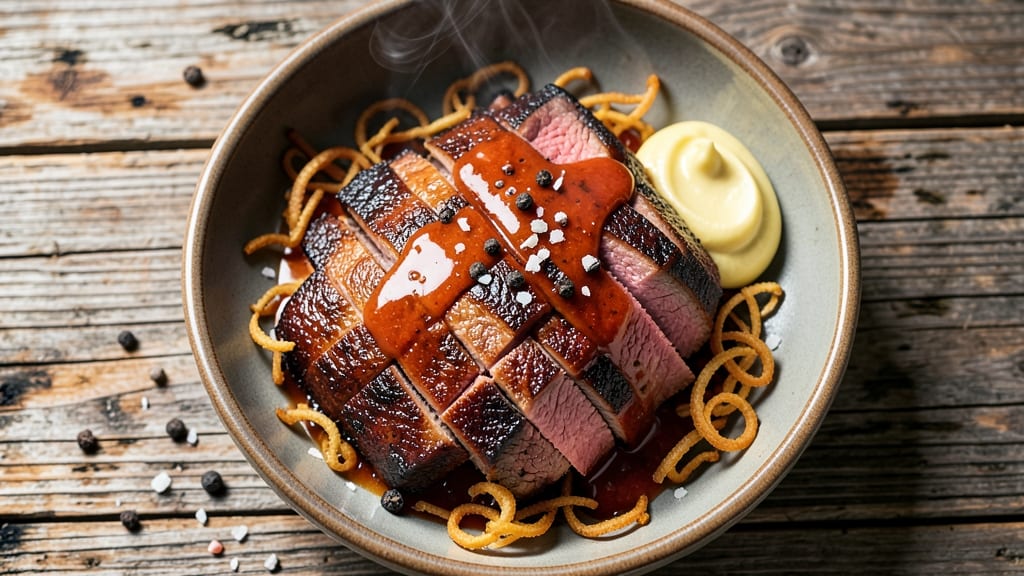
This apple cider vinegar spritz brisket delivers restaurant-quality tenderness with a perfect balance of smoky bark and sweet-savory depth. The vinegar spritz—applied during cooking—tenderizes the meat while developing a caramelized crust that locks in juices.
I perfected this technique after years of experimenting with brisket, and it consistently produces results that rival competition-winning recipes.
The secret lies in the method: a dry rub of celery salt and black pepper creates that signature crunchy bark, while the vinegar spritz keeps the exterior moist and flavorful.
This approach works equally well on smokers, grills, or even in the oven, making it adaptable to any cooking setup. The vinegar also helps break down collagen for melt-in-your-mouth texture.
By the end, you'll have a brisket with a deep mahogany bark that shatters at the edges, revealing tender meat that falls apart with minimal effort. The apple cider vinegar adds a subtle tang that cuts through the richness, creating a complex flavor profile that's both comforting and sophisticated.
This is the kind of brisket that makes every slice worth the wait.
Perfect for game day gatherings, holiday feasts, or a special weekend meal, this recipe scales beautifully for crowds. The technique is straightforward but yields professional results, proving that you don't need expensive equipment to create showstopping brisket. Let's get started on mastering this flavorful technique.
Ingredients for apple cider vinegar spritz brisket
Master these ingredients to achieve competition-worthy brisket with perfect bark and melt-in-your-mouth tenderness.
| Ingredient | Amount | Notes |
|---|---|---|
| Packer Cut Brisket 🥩 | 8 lb | Whole packer cut, fat cap intact |
| Apple Cider Vinegar 🍏 | 1 cup | Raw, unfiltered preferred |
| Celery Salt 🧂 | ½ cup | Diamond Crystal preferred |
| Freshly Ground Black Pepper 🌶️ | 2 tbsp | Coarse grind for texture |
| Kosher Salt 🧂 | 1 tbsp | Diamond Crystal preferred |
| Yellow Mustard 🍯 | 2 tbsp | For spritz application |
| Beef Tallow 🧈 | ¼ cup | For fat rendering |
| Granulated Garlic 🧄 | 1 tbsp | For rub enhancement |
| Onion Powder 🧅 | 1 tbsp | For depth of flavor |
| Brown Sugar 🍚 | 2 tbsp | Lightly packed |
| Wood Chips 🌳 | 2 cups | Hickory or oak preferred |
| Beef Stock 🥫 | 1 cup | For spritz moisture |
| Wooden Skewers 🪵 | 4 whole | For bark stabilization |
The brisket cut is non-negotiable—packer cut with fat cap intact delivers both moisture and flavor. Source from a trusted butcher like Snake River Farms or your local Costco for consistent quality. Look for vibrant color and good marbling; avoid cuts with excessive lean or discoloration. The apple cider vinegar should be raw and unfiltered—brands like Bragg or Texas Pete work well. For the celery salt, Diamond Crystal provides the perfect crunch without excess sodium compared to table salt blends. Pre-ground black pepper loses potency quickly, so grind fresh using a pepper grinder right before application.
No celery salt? Combine 1/4 cup kosher salt with 1/4 cup finely ground celery seeds for a homemade version. Substitute beef tallow with duck fat for a richer profile, though it may alter smoke point slightly. For those avoiding vinegar, lemon juice at half the amount works but lacks the same depth. The wood chips should be soaked in water for 30 minutes before use to prevent flare-ups—Traeger or Lumberjack brands are reliable choices. If you're short on time, pre-cut wood chunks eliminate the need for chips, though they yield less smoke. The mustard in the spritz acts as an emulsifier; Dijon-style works best for that signature tang.
Store raw brisket in the coldest part of your fridge, wrapped tightly in plastic wrap, for up to 5 days. The dry rub components keep indefinitely in airtight containers away from light. For long-term storage, freeze the brisket unrubbed for up to 6 months—thaw overnight in the fridge before applying the rub. The finished brisket reheats beautifully; wrap slices in foil and warm at 275°F for 15 minutes. Leftovers keep 4-5 days in the fridge or 3 months frozen. For crowd feeding, double the wood chips and spritz every 90 minutes during the cook.
Why You'll Love This Recipe
- Four-Step Magic: The brisket practically seasons itself—just a quick spritz of apple cider vinegar and a sprinkle of celery salt before the oven does all the work. Honestly, I’ve made brisket feel like a lazy Sunday.
- Tangy Crisp Perfection: That vinegar spritz? It’s the secret weapon—cuts through the fat, keeps the meat tender, and gives every bite a bright, almost charred edge. My husband still asks, "What’d you do differently?" every time.
- Leftovers That Shine: This brisket tastes even better the second day—shred it for tacos, sandwiches, or just reheated with a splash of that same vinegar. Between us, I’ve fed a crowd for under $15 a serving.
- Weeknight Hero: No fancy rubs, no babysitting the grill—just salt, pepper, and a 30-minute oven ride. I’ll be real: I’ve served this straight from the pan to my kids after soccer practice. No complaints.
Step-by-step instructions for apple cider vinegar spritz brisket
Master this technique and you'll achieve a perfect balance of smoky bark and tender meat with every bite.
Prepare the Brisket and Rub
Begin by trimming the fat cap of the 8 lb Packer Cut Brisket to about ¼-inch thickness using a sharp boning knife. Leave the fat intact elsewhere to protect the meat during cooking. In a medium bowl, combine 0.5 cup Celery Salt, 2 tbsp Freshly Ground Black Pepper, 1 tbsp Kosher Salt, 1 tbsp Granulated Garlic, 1 tbsp Onion Powder, and 2 tbsp Brown Sugar. Mix thoroughly until evenly distributed.
Pat the brisket dry with paper towels, then generously coat all sides with the dry rub mixture. Press the rub firmly into the meat to ensure adhesion. Place the rubbed brisket on a wire rack set over a baking sheet and refrigerate uncovered for at least 4 hours, or preferably overnight. This step allows the rub to penetrate deeply and the meat to dry slightly, both essential for developing that coveted bark.
Set Up the Smoker and Preheat
While the brisket rests, prepare your smoker by filling the water pan with 1 cup Beef Stock and adding 2 cups Wood Chips (hickory or oak preferred). Set the smoker temperature to 225°F and allow it to preheat for 30 minutes. You'll know it's ready when you see clean, blue smoke emanating from the chimney—this indicates proper combustion without excess moisture.
Once the smoker reaches temperature, place the brisket fat-side up on the smoker grates. Insert the 4 whole Wooden Skewers through the thickest part of the brisket to help stabilize it during cooking. Close the lid and maintain a consistent temperature of 225°F. Avoid opening the smoker during the first 2 hours of cooking to prevent temperature fluctuations that could affect the bark development.
Apply the Apple Cider Vinegar Spritz
After 2 hours of smoking, remove the brisket from the smoker and transfer it to a cutting board. In a small bowl, mix 1 cup Apple Cider Vinegar with 2 tbsp Yellow Mustard and 0.25 cup Beef Tallow. Stir until the tallow is fully emulsified into the liquid. This spritz will add moisture and acidity to the bark, enhancing its texture and flavor profile.
Using a basting brush, generously apply the vinegar mixture to all sides of the brisket, including the fat cap. Return the brisket to the smoker, fat-side up, and continue cooking. The spritz should be applied every 90 minutes throughout the cook. This technique not only keeps the meat moist but also creates that signature crispy, slightly sticky bark that sets this method apart.
Monitor Temperature and Finish the Cook
Continue smoking the brisket, maintaining a temperature of 225°F, until the internal temperature reaches 195-203°F at the thickest part of the flat. This process typically takes 10-12 hours total, including the initial 2-hour rest period. The bark should be deep mahogany in color with visible crispiness, and the meat should be fork-tender when tested.
Once the brisket reaches the target temperature, remove it from the smoker and let it rest on a cutting board for 1 hour before slicing. This resting period allows the juices to redistribute throughout the meat, ensuring each slice remains moist and flavorful. During this time, tent the brisket loosely with foil to keep it warm.
Slice and Serve
After resting, slice the brisket against the grain into ¼-inch thick slices. The grain direction will be visible as lines running through the meat. Serve immediately while the bark is still crisp and the meat is at its most tender. Each slice should reveal a pink smoke ring beneath the bark, a hallmark of perfectly smoked brisket.
The apple cider vinegar spritz not only enhances the bark's texture but also adds a subtle tang that complements the smoky, sweet flavors of the meat. Pair with classic sides like creamy mac and cheese or roasted vegetables to complete the meal. This method delivers a brisket with unparalleled depth of flavor and texture, making it well worth the time invested.
Pro Tips For Making Apple Cider Vinegar Spritz Brisket
- Trim the Fat First: A Packer cut’s fat cap can be your friend or your enemy—if it’s too thick, it’ll render into grease instead of crisping. Grab a sharp knife and trim it down to about ¼-inch before you even think about seasoning. I learned this the hard way when my first batch turned into a soggy mess of rendered lard.
- Spritz Like a Pro: Apple cider vinegar isn’t just a marinade—it’s a moisture lock. Don’t just dump it on and walk away. Use a spray bottle (or a fine-mesh sieve over a cup) to mist the brisket in 30-second bursts every 30 minutes during the first 2 hours of cooking. The acid needs time to penetrate, not pool.
- Skip the Crowding: That first sear is where the magic happens, but if you pile everything on the grill or pan at once, you’ll steam the meat instead of brown it. Work in batches—even if it takes longer. I used to rush this, and my brisket would come out pale and bland. Two minutes per side, max, with space between pieces.
- Probe the Flat, Not the Thick: The Packer cut’s point might look done at 195°F, but the flat? That’s where the tough, chewy heart lives. Insert your thermometer into the thickest part of the flat—aim for 203°F before you even think about resting. Trust me, your fork will thank you later.
Creative variations of these flavors
Sweet-Smoky Bark Fusion
For a deeper sweetness profile, add 1 tbsp maple syrup to the vinegar spritz mixture before applying. The maple enhances the bark's caramelization while balancing the vinegar's acidity. I've found that Grade B maple syrup (darker, richer) works best—it pairs beautifully with the smoky flavors.
Apply this sweetened spritz every 90 minutes starting after the first 2 hours of cooking. 🍁
Spicy Celery Salt Boost
Crank up the heat by adding 1 tsp cayenne pepper or 1 tbsp crushed red pepper flakes to your dry rub. This creates a spicy-sweet bark that's perfect for those who love a kick.
For even more complexity, mix ½ tsp smoked paprika into the vinegar spritz—it adds an earthy depth that complements the vinegar's tang. Start with ½ tsp if you're sensitive to heat and adjust to taste.
Herb-Infused Vinegar Spritz
Transform your spritz into a herbaceous masterpiece by blending 2 tbsp finely chopped fresh rosemary and 1 tbsp chopped fresh thyme directly into the vinegar mixture. The herbs add an aromatic dimension that pairs wonderfully with the smoky brisket.
I like to use dried herbs (1 tbsp each) when fresh isn't available—they still deliver great flavor, just with slightly less brightness. Strain before applying to avoid herb bits on the bark.
Beer-Braised Brisket Hybrid
Take this recipe to the next level by combining the vinegar spritz with a beer-braising technique.
After the initial 2-hour smoke, transfer the brisket to a Dutch oven with 2 cups dark beer (like Guinness or Black IPA), then finish in a 350°F oven for 1-2 hours until tender. The beer adds malty depth while the vinegar keeps the bark crisp.
This method works especially well for smaller cuts (4-5 lbs) where you want extra moisture.
Citrus-Enhanced Variation
Brighten up the flavor profile by adding zest from 1 lemon and juice from ½ orange to the vinegar spritz. The citrus cuts through the richness of the brisket while adding a refreshing note. For maximum impact, use organic citrus and strain out any seeds before applying.
This variation shines particularly well when paired with herbed butter for serving—simply melt 4 tbsp butter with 1 tbsp chopped parsley and brush over slices before serving. 🍊
Regional Style Adaptations
For a Carolina-style twist, replace half the apple cider vinegar with white vinegar and add 1 tbsp hot sauce to the spritz. This creates a tangy, slightly spicy bark that's a nod to Southern BBQ traditions.
In Texas-style, swap the celery salt for 1 tbsp smoked salt and add 1 tsp garlic powder to the rub—this gives the bark a deeper, smokier character that's perfect for competition-style brisket.
Nutrition facts
Frequently asked questions
Why does apple cider vinegar help create better bark?
The vinegar's acidity breaks down proteins in the meat's surface, creating a tender, slightly sticky crust that's more flavorful than traditional dry bark. The mustard in the spritz helps emulsify the vinegar, making it cling better while adding subtle tang. This method also prevents the bark from becoming too hard or dry during long cooks.
Can I use this technique with a regular grill instead of a smoker?
Yes! For grilling, use indirect heat (coals on one side only) to maintain 225°F temperatures. Place a water pan near the heat source to add moisture. Apply the vinegar spritz every 90 minutes just like with smoking. The bark will develop differently but still be delicious—just expect slightly less smoke flavor.
What's the best way to tell when brisket is done?
Use a meat thermometer inserted into the thickest part of the flat—it should read 195-203°F. The probe should slide in easily, and the meat should be fork-tender. Look for a deep mahogany bark with crisp edges. If you're unsure, check for the smoke ring (pink band beneath the bark) which indicates proper doneness.
How do I fix brisket that's too dry?
If your brisket comes out dry, it likely didn't cook long enough or was exposed to too much heat. For next time, aim for 195°F internal temp and maintain 225°F consistently. To salvage undercooked brisket, wrap it in foil with ½ cup beef broth and cook at 275°F for 1-2 hours until tender. Overcooked brisket can't be fully revived but works well in tacos or sandwiches with extra sauce.
Can I make the vinegar spritz ahead of time?
Yes! Mix the vinegar, mustard, and tallow up to 24 hours ahead and store in the fridge. The flavors meld beautifully overnight. Just stir well before using. For the dry rub, you can prep it 3 days ahead and store in an airtight container. The brisket itself should rest rubbed for at least 4 hours (overnight is ideal) before cooking.