
Sauces & Condiments
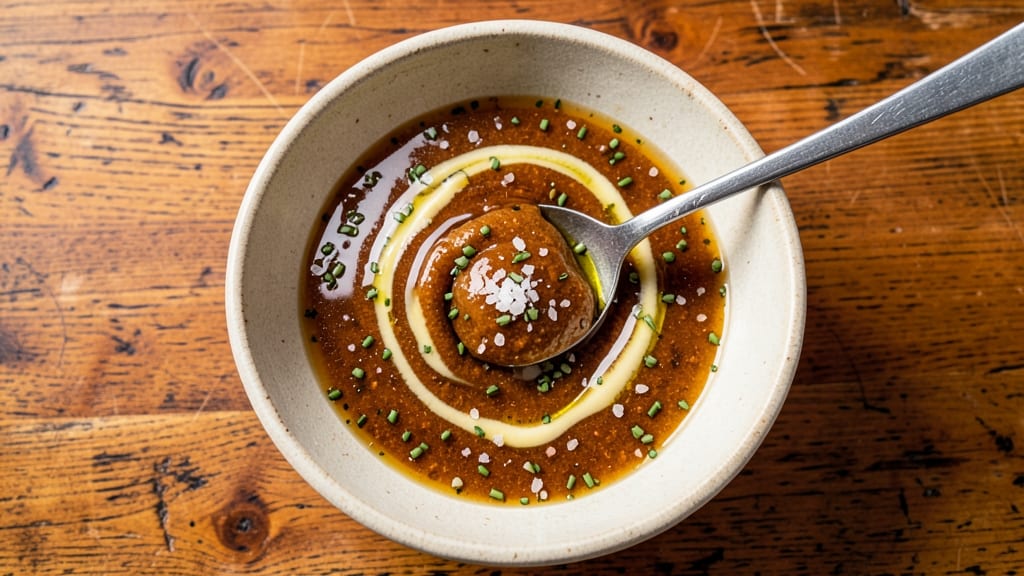
This apple cider vinegar vinaigrette dressing recipe transforms simple salads into vibrant, tangy masterpieces with just five ingredients and five minutes of work.
The secret lies in balancing sharp apple cider vinegar with sweet maple syrup and a touch of Dijon mustard for depth, creating a dressing that clings beautifully to greens while adding a bright, complex flavor profile.
I developed this recipe after years of testing vinaigrettes that either separated or tasted flat—this version stays emulsified for days and enhances every bite with its crisp acidity.
The magic happens in the emulsification process, where equal parts oil and vinegar mixture combine to create a silky, coatable dressing that won't leave your salad soggy. Fresh celery seeds add a subtle crunch contrast that elevates the texture, while a pinch of salt rounds out the flavors.
What makes this recipe truly special is its versatility—it works equally well on mixed greens, roasted vegetables, or even as a marinade for proteins. What you'll end up with is a dressing that's bright enough to cut through rich ingredients but balanced enough to complement delicate flavors.
The apple cider vinegar adds a subtle sweetness that pairs perfectly with savory dishes, while the maple syrup prevents the acidity from overwhelming. This isn't just another vinaigrette—it's a flavor enhancer that transforms ordinary meals into something extraordinary. The best part?
This dressing stays fresh in the refrigerator for up to a week, making it perfect for meal prep. Simply shake before using to re-emulsify, and you're ready to elevate any dish with professional-quality flavor. Let's get started on creating this versatile, restaurant-worthy dressing at home.
Ingredients for apple cider vinegar vinaigrette dressing
Five simple ingredients balance sharp tang with sweet depth for a dressing that elevates every salad.
| Ingredient | Amount | Notes |
|---|---|---|
| Apple Cider Vinegar 🍏 | ½ cup | Raw, unfiltered preferred |
| Pure Maple Syrup 🍯 | ¼ cup | Grade B for depth of flavor |
| Extra-Virgin Olive Oil 🫒 | ½ cup | Light, fruity variety |
| Dijon Mustard 🌶️ | 1 tbsp | Whole grain preferred |
| Celery Seeds 🌿 | 1 tsp | Freshly ground for texture |
| Sea Salt 🧂 | ½ tsp | Fine grain preferred |
| Black Pepper 🌶️ | ¼ tsp | Freshly cracked |
The apple cider vinegar should be raw and unfiltered—it has more flavor complexity than pasteurized versions. Trader Joe's and Whole Foods carry excellent options, but even the basic store brand works in a pinch. Maple syrup quality matters too: Grade B has a richer, more complex flavor than Grade A. The Dijon mustard adds depth, so don't skip it—Maille is my go-to, but any whole grain works. Celery seeds are key for that subtle crunch, and Penzeys sells them in bulk if you don't want to grind whole celery seeds yourself.
No apple cider vinegar? White wine vinegar or rice vinegar will work, but the flavor won't be as nuanced. Swap maple syrup for agave nectar if needed, though the flavor will be slightly lighter. If you're avoiding mustard, 1 tsp lemon juice adds brightness instead. The olive oil should be light and fruity—avoid heavy, peppery varieties that can overpower. For extra crunch, toast the celery seeds in a dry pan for 30 seconds before grinding, but fresh grinding is ideal if you're feeling fancy.
This dressing stays fresh for up to 1 week in the fridge, but it emulsifies best when used within 3-4 days. Store it in a clean, airtight jar and shake well before each use to re-emulsify. For meal prep, make a double batch—it's perfect for drizzling on roasted vegetables or even as a marinade for tofu or tempeh. If it separates, just shake vigorously or whisk it back together before using. The flavors actually improve after the first day as everything melds.
Why You'll Love This Recipe
- Five-Ingredient Magic: I swear by this combo—just shake, taste, adjust. No fancy techniques, no waiting for anything to bloom. That tangy-sweet balance? Pure alchemy from the pantry.
- Tangy-Sweet Obsession: The maple syrup softens the vinegar’s bite just enough, while Dijon mustard adds that je ne sais quoi depth. The celery seeds? Tiny but mighty—they give it a subtle crunch that lingers.
- Salad Sidekick: Drizzle it over greens, toss it with roasted veggies, or use it as a marinade’s secret weapon. Honestly, I’ve even glopped it on avocado toast when I’m lazy. It works everywhere.
- Lasts a Week: Make a big batch—it keeps in the fridge for days without turning rancid. Between us, I’ve had this dressing rescue me from sad, wilted salads on Thursday nights. Budget-friendly? Yes. Lifesaver? Absolutely.
Step-by-step instructions for apple cider vinaigrette dressing
This dressing delivers perfect balance—tart, sweet, and textured—every time you make it.
Whisk Together the Wet Ingredients
In a medium bowl, combine the 0.5 cup apple cider vinegar and 0.25 cup pure maple syrup. I like to use a whisk for this step because it creates a smooth, emulsified base right from the start. The vinegar's acidity will begin breaking down the syrup's viscosity immediately, so don't rush this part.
Next, add the 1 tablespoon Dijon mustard and whisk vigorously for 30 seconds until fully incorporated. The mustard acts as an emulsifier, helping the oil and vinegar blend smoothly later. If you notice any graininess, keep whisking—this ensures a silky texture in your final dressing.
Season with Salt and Pepper
Add the 0.5 teaspoon sea salt and 0.25 teaspoon black pepper to the vinegar mixture. Whisk for another 10 seconds until the salt dissolves completely. This step is crucial for balancing the sweetness and acidity—don't skip it. Taste the mixture now; it should be tangy, slightly sweet, and properly seasoned before adding the oil.
Here's the thing—if you add the oil too early, you'll dilute the seasoning. Since we're making a dressing that needs to coat ingredients evenly, we want the flavor base to be strong before emulsifying. The salt and pepper will distribute evenly throughout the final product.
Gradually Incorporate the Olive Oil
With the bowl resting on your dominant hand's palm (to control the flow), slowly drizzle in the 0.5 cup extra-virgin olive oil while whisking continuously with your other hand. Start with a thin stream, then gradually increase the flow as the mixture begins to emulsify. This gradual approach prevents the dressing from breaking.
You'll know you're on the right track when the mixture starts to thicken and become creamy. Keep whisking for 1-2 minutes after all the oil is added—this ensures a stable emulsion. If the dressing looks too thick, add 1 teaspoon water at a time until it reaches your desired consistency.
Add Celery Seeds for Texture
Sprinkle the 1 teaspoon celery seeds over the dressing and gently fold them in with a rubber spatula. The seeds add a subtle crunch and earthy note that complements the sweet-tart profile. Don't overmix—just enough to distribute them evenly throughout. These seeds will settle at the bottom when stored, so give the bottle a good shake before each use.
For best results, let the dressing rest for 10 minutes before using. This allows the flavors to meld completely and the emulsion to stabilize. The dressing will keep in an airtight container in the refrigerator for up to 2 weeks, making it perfect for meal prep.
Pro Tips For Making Apple Cider Vinegar Vinaigrette Dressing
- Whisk in Stages: Start by mixing the apple cider vinegar, maple syrup, and Dijon mustard—no oil yet. This lets the celery seeds fully bloom and the flavors meld before you dilute everything with olive oil. I used to add the oil first, and the dressing always tasted flat until I realized the seeds needed time to wake up.
- Toast the Seeds: Lightly dry-toast the celery seeds in a small pan over medium heat for 30 seconds until fragrant. This deepens their flavor without burning them—just enough to make the dressing taste like it was aged in a spice cellar. Skip this, and you’ll miss the nutty depth that ties everything together.
- Measure the Oil: Use a scale or a measuring spoon for the olive oil—eyeballing it leads to inconsistent dressings. Aim for a 3:1 ratio of oil to vinegar (e.g., 3 tablespoons oil to 1 tablespoon vinegar) to balance tang and richness. I learned this after making one batch that was either too thin or too heavy.
- Sweeten Gradually: Add the maple syrup in two additions—half first, taste, then adjust. Pure maple syrup is potent, and you can always add more later, but you can’t take it out. I’ve ruined dressings by dumping it all in at once and ending up with something cloying.
Storing and reheating your leftovers
Fridge Storage Secrets
Store your apple cider vinaigrette in a clean, airtight glass jar—I use 8-ounce mason jars for single servings or 16-ounce jars for batch prep. The glass preserves flavor better than plastic and prevents odors from seeping in.
Keep it in the fridge at 40°F or below for up to 2 weeks, though I find it peaks in flavor after 3-4 days. The celery seeds will settle, so always shake before using. 🧂
Re-Emulsifying Tricks
If your dressing separates, don't toss it! Give the jar a vigorous shake for 10-15 seconds or whisk it back together. For stubborn separations, add 1 teaspoon water and whisk again. The Dijon mustard helps stabilize, but a quick shake usually revives it.
I've had this dressing last 3 weeks in the fridge with occasional shaking—just don't let it sit separated for more than 2 days.
Freezing for Long-Term
While not ideal, you can freeze this dressing for up to 3 months in ice cube trays. Portion into 1-tablespoon cubes, freeze solid, then transfer to a freezer bag. Thaw overnight in the fridge and shake well before use.
The texture may thin slightly, but the flavor remains vibrant. I recommend this method for meal prep when you know you won't use it within 2 weeks. ❄️
Room-Temp Revival
If you've forgotten your dressing in the fridge overnight, no worries! Let it sit at room temperature for 10 minutes before shaking. The warmth helps the emulsion re-stabilize naturally. Avoid leaving it out longer than 2 hours—bacteria risk increases above 70°F.
I keep a small jar on my desk for quick salads, but I always refrigerate it after use. 🌡️
Portion Control Tips
Divide into small containers (like 4-ounce jars) for easy grab-and-go use. Label with the date—this helps track freshness. For salads, I use about 1 tablespoon per serving, but double it for hearty dishes like roasted vegetables or grain bowls.
The dressing's acidity helps tenderize proteins, so it also works as a quick marinade for tofu or chicken—just use it within 24 hours of making. 🍽️
Reusing Leftovers
This dressing doubles as a flavor booster for soups, stews, or even popcorn. Add 1 tablespoon to 1 cup broth for instant depth in soups. For popcorn, drizzle 1 teaspoon over freshly popped kernels with a pinch of salt.
The maple syrup adds a subtle caramel note that pairs surprisingly well with salty snacks. Just avoid reusing it on raw proteins after more than 3 days of storage. 💡
Nutrition facts
Frequently asked questions
Can I make this dressing without Dijon mustard?
Yes! If you're avoiding mustard, substitute with 1 teaspoon lemon juice or ½ teaspoon honey vinegar to maintain the tangy-sweet balance. For extra emulsification, add 1 teaspoon cornstarch or arrowroot powder to the vinegar-syrup mixture before whisking in the oil. The texture will be slightly thicker but still stable.
Why does my dressing separate after a few days?
Separation happens when oil and vinegar aren't properly emulsified. Always whisk the oil in gradually, and use the Dijon mustard as an emulsifier. If it separates, shake vigorously for 10-15 seconds or whisk in 1 teaspoon water to restore the creamy texture. Store in a clean, airtight jar to prevent contamination that could weaken the emulsion.
What are the best salads to pair with this dressing?
This dressing shines on bitter greens like arugula or radicchio, where its sweetness balances the peppery notes. It also works beautifully on roasted winter vegetables, grain bowls, or even as a drizzle for crispy tofu or tempeh. The apple cider notes complement earthy flavors like mushrooms or beets perfectly.
Can I use this dressing as a marinade?
Its acidity helps tenderize proteins while adding flavor. Use it within 24 hours of making for best results. For chicken or tofu, marinate for 30-60 minutes (no longer, or the acid can make the meat mushy). The maple syrup caramelizes slightly during cooking, creating a delicious glaze.
How do I adjust the sweetness or tanginess?
For more sweetness, add 1 extra teaspoon maple syrup per ½ cup dressing. For extra tang, increase the apple cider vinegar by 1 tablespoon at a time. Taste as you go—start with small adjustments. If the balance feels off, a pinch of salt can help harmonize the flavors. The key is gradual changes to avoid overpowering one note.