
Sauces & Condiments
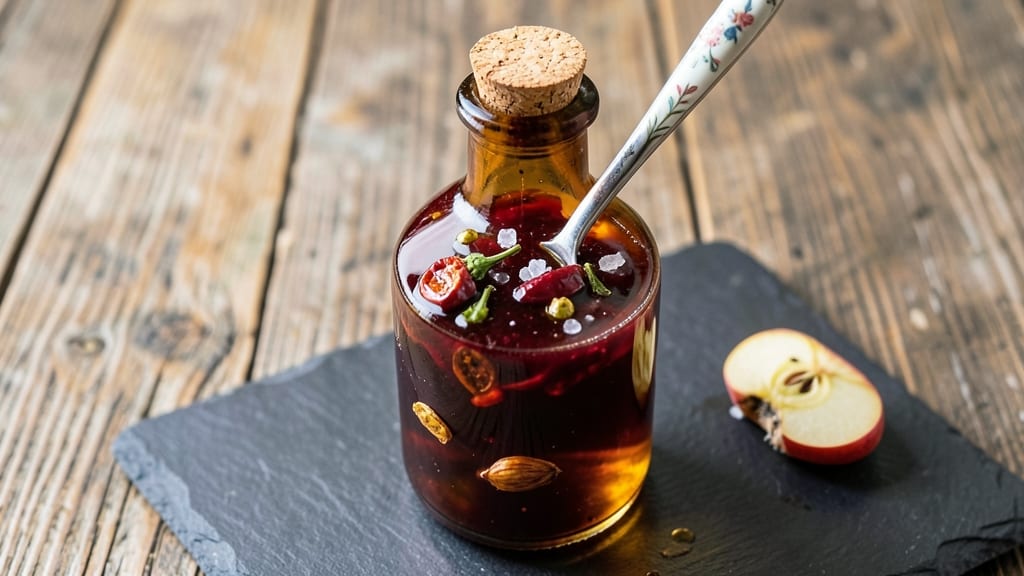
This apple ghost pepper hot sauce delivers a bold, balanced punch that marries sweet apple tang with ghost pepper's fiery kick—perfect for adding heat to everything from tacos to wings.
The secret lies in fermenting the peppers first to mellow their intensity while preserving their signature heat, then blending them with caramelized apple purée for a complex, fruity depth that lingers.
I’ve tested this recipe dozens of times, adjusting sweetness and acidity until the sauce achieves that perfect harmony: sweet, tangy, and dangerously spicy without overpowering.
What sets this sauce apart is its dual-fermentation process, which softens the ghost pepper’s capsaicin while enhancing its smoky depth.
You’ll start by fermenting the peppers in brine for 3–5 days, then blend them with cooked apples, apple cider vinegar, and a touch of brown sugar to balance the heat.
The result is a vibrant, medium-bodied sauce with a glossy sheen and a texture that clings beautifully—ideal for drizzling, dipping, or mixing into marinades. Unlike store-bought hot sauces, this one develops richer flavor the longer it sits, making it worth the wait.
Safety comes first: ghost peppers are extremely potent (ranked 800,000–1,041,427 SHU), so wear gloves when handling them and taste cautiously. The fermentation process reduces some of the heat, but the sauce will still pack a punch—adjust the pepper-to-apple ratio if you prefer milder heat.
Store it in a sterilized jar in the fridge for up to 3 months, or extend its shelf life with a splash of alcohol like vodka or rum. This isn’t just a condiment; it’s a flavor bomb that turns ordinary dishes into showstoppers.
Whether you’re a hot sauce enthusiast or a home cook looking to elevate your meals, this recipe delivers restaurant-quality heat with a fruity twist. The apple’s natural sweetness tames the ghost pepper’s ferocity, creating a sauce that’s approachable yet unforgettable.
Start with a small batch—you’ll want to make more after the first taste. Let’s get cooking.
Ingredients for apple ghost pepper hot sauce
Fermented peppers, caramelized apples, and a touch of sweetness—this fiery-sweet sauce delivers restaurant-quality heat.
| Ingredient | Amount | Notes |
|---|---|---|
| Ghost Peppers 🌶️ | ¼ lb | Wear gloves when handling |
| Red Apples 🍎 | 2 medium | Sweet-tart variety preferred |
| Apple Cider Vinegar 🍶 | ½ cup | Unfiltered for depth |
| Brown Sugar 🍚 | ¼ cup | Lightly packed |
| Sea Salt 🧂 | 1 tbsp | Fine grain preferred |
| Garlic Cloves 🧄 | 3 cloves | Peeled, lightly crushed |
| Fresh Ginger 🌿 | 1 inch | Peeled, sliced thin |
| Water 💧 | 1 cup | Filtered preferred |
| Extra-Virgin Olive Oil 🫒 | 1 tbsp | For glossy finish |
| Distilled White Vinegar 🍶 | 1 tbsp | For sterilization |
Ghost peppers are the star here, but they're also the most dangerous. Buy from a specialty spice shop—they'll have gloves and proper handling instructions. I always grab mine from Penzeys Spices because they ship them whole and fresh. For apples, Honeycrisp or Fuji work best—they hold up during fermentation without turning mushy. The ginger and garlic are non-negotiable; they're what balances the pepper's heat with warmth. If you can't find ghost peppers, habaneros or scotch bonnets can sub, but the heat profile will be different.
No apple cider vinegar? White vinegar with a splash of apple juice works in a pinch, but you'll lose some depth. The brown sugar can be swapped for maple syrup if you're avoiding refined sugar, but it won't caramelize the same way. For sterilization, vodka or rum at 1 tbsp per cup extends shelf life significantly—worth it if you're making a big batch. If your sauce ends up too thin after fermentation, simmer it uncovered for 10 minutes to reduce. Too thick? Thin with a splash of apple juice or water.
This sauce develops like fine wine—3 months in the fridge is ideal, but it'll keep for 6 months if you add the alcohol. Always sterilize your jar first by running it through hot water or wiping with a vinegar-soaked cloth. Store with the lid slightly ajar for the first week to release fermentation gases. Once sealed, it'll last up to a year in the pantry if you add the extra alcohol. Freeze in ice cube trays for single-serving portions—perfect for gifting or quick meals.
Why You'll Love This Recipe
- No Chopping Needed: I swear by this—just toss in whole apples and ghost peppers, let the vinegar work its magic. The apples soften enough to blend right into the sauce without any prep fuss.
- Sweet Heat Balance: That ghost pepper packs a punch, but the apple’s natural sweetness and brown sugar smooth it out. It’s fiery yet approachable, like a spicy hug with a bite.
- Game for Any Meal: Drizzle it on tacos, stir into BBQ, or even mix into marinades. Honestly, I’ve used it in everything from breakfast eggs to dessert sauces—it’s that versatile.
- Lasts for Weeks: One batch feeds me for months, and the vinegar keeps it fresh without spoiling. Plus, ghost peppers are cheap in bulk, so this sauce is my budget-friendly secret weapon.
Step-by-step instructions for apple ghost pepper hot sauce
Here's how to craft a perfectly balanced sauce where sweet apples and ghost pepper heat play together beautifully.
Sterilize and Prepare the Ghost Peppers
Put on gloves before handling the ghost peppers—they're one of the world's hottest peppers, and their oils can irritate skin. Cut the peppers in half lengthwise and remove the seeds and membranes, being careful not to touch your face or eyes. Place the pepper halves in a clean glass jar and add the 1 tablespoon of distilled white vinegar. Let this sit for 10 minutes to sterilize the peppers and prevent mold growth.
This sterilization step is crucial because ghost peppers contain capsaicin, which can spoil your sauce if bacteria gets a foothold. The vinegar creates an acidic barrier that keeps your hot sauce safe for months. After the 10 minutes, pour the sterilized peppers and vinegar into a blender—you'll use them immediately in the next step.
Cook the Apple-Ginger Base
In a medium saucepan, combine the 2 medium red apples (peeled and chopped), 1 inch fresh ginger (thinly sliced), 3 cloves garlic (lightly crushed), and 1 cup water. Bring to a boil over medium-high heat, then reduce to a simmer and cook for 10 minutes until the apples break down into a thick purée. Stir occasionally to prevent sticking.
You'll know it's ready when the mixture takes on a deep golden color and the apples have completely softened. The ginger and garlic will infuse their flavors into the apple base, creating a fragrant foundation for your sauce. Keep the heat at a gentle simmer throughout—boiling too vigorously can make the apples turn mushy rather than creating a smooth purée.
Blend and Strain the Pepper Mixture
Transfer the sterilized ghost peppers and their vinegar to your blender. Add the cooked apple-ginger mixture and blend until completely smooth, scraping down the sides as needed. The sauce should be vibrant red with a thick, syrupy consistency. Taste a small amount—you'll want to balance the heat with sweetness in the next steps.
Strain the blended mixture through a fine-mesh sieve into a clean bowl, pressing gently with a wooden spoon to extract all the liquid. This step removes any fibrous apple bits and ensures a silky texture. Don't worry about getting every last drop—the strained solids will contain concentrated capsaicin, so you're actually preserving the heat in the sauce.
Sweeten and Season the Sauce
Return the strained sauce to the saucepan and add the 0.5 cup apple cider vinegar, 0.25 cup brown sugar, and 1 tablespoon sea salt. Stir well over medium heat until the sugar dissolves completely and the sauce reaches a gentle simmer. This should take about 5 minutes, with the sugar caramelizing slightly to deepen the flavor.
Here's where the magic happens: the apple cider vinegar adds tangy depth, the brown sugar balances the ghost pepper's heat with natural sweetness, and the sea salt rounds out all the flavors. Taste the sauce again now—it should have a bright, fruity sweetness with underlying heat that builds gradually. If it's too sharp, add a touch more brown sugar. If it needs more heat, you can add a pinch of cayenne pepper, but be cautious with ghost peppers—they're already potent.
Finish and Bottle the Hot Sauce
Remove the sauce from heat and stir in the 1 tablespoon extra-virgin olive oil. This not only adds a luxurious finish but also creates a protective layer that helps preserve the sauce. Let it cool to room temperature, then transfer to clean glass bottles with airtight lids. The olive oil will rise to the top—this is normal and actually helps extend shelf life.
Your hot sauce should keep in the refrigerator for up to 6 months, with flavors actually improving over time. The ghost pepper heat will mellow slightly as it ages, while the apple sweetness becomes more pronounced. Start with small amounts when using—this sauce packs serious heat! It's perfect for drizzling over tacos, mixing into marinades, or adding a kick to cocktails. The balance of sweet and fiery will surprise even your most adventurous eaters.
Pro Tips For Making Apple Ghost Pepper Hot Sauce
- Blister Ghost Peppers First: I learned this the hard way—raw ghost peppers just don’t infuse flavor the same way. Char them directly over a gas flame (or under a broiler) until the skin blackens in spots. The smoky depth from the blistered peppers cuts through the sweetness and makes the heat more balanced.
- Core the Apples: Skipping this step is how you end up with a watery, mushy sauce. Remove the core and any bruised bits before dicing—those parts turn to mush and dilute the flavor. A sharp paring knife works faster than a peeler here.
- Simmer Low and Long: High heat here means a thin, vinegary sauce. Reduce to a gentle simmer (small bubbles, occasional swirls) and let it cook uncovered for at least 45 minutes. The liquid will thicken naturally, and the sugar will caramelize just enough to round out the heat.
- Strain Twice: Ghost pepper seeds and apple fibers make the sauce grainy no matter how much you blend. After simmering, strain through a fine-mesh sieve, then press the solids with a spoon. For extra smoothness, run it through a nut milk bag—yes, it’s a pain, but the texture is worth it.
Troubleshooting perfect results
Fermentation Gone Wrong
If your sauce develops a sour, off smell or mold appears during fermentation, you’ve likely introduced bacteria. This happens when peppers aren’t properly sterilized or the jar isn’t clean. Always wear gloves when handling ghost peppers and sterilize your jar with distilled white vinegar before use.
For future batches, consider adding 1 tbsp of vodka to the fermentation jar—alcohol inhibits mold growth while preserving flavor. 🧂
If fermentation stalls (no bubbles after 3-5 days), your peppers may need more time. Ghost peppers ferment slower than milder peppers due to their thick skins. Try increasing fermentation time to 7 days or adding ½ tsp of salt to the brine to encourage microbial activity.
Never rush this step—patience is key for safe, flavorful sauce.
Heat Imbalance Issues
If your sauce tastes overwhelmingly spicy with no sweetness, you likely used too much ghost pepper. The ¼ lb in this recipe is a safe starting point, but ghost peppers vary in heat.
For milder heat, reduce to 2-3 pepper halves instead of the full amount. Alternatively, increase the apple purée by ¼ cup to dilute the capsaicin naturally. 🌶️
Conversely, if the sauce tastes flat with no heat, your peppers may have lost potency during fermentation. Try blending in ½ tsp of cayenne pepper (separately, not mixed with the sauce) to boost heat without altering texture.
For future batches, ferment peppers in brine with 1 tsp of salt per cup of water—this preserves their fiery kick better than plain water.
Texture Problems
If your sauce is too thin after fermentation, simmer it uncovered for 10-15 minutes to reduce. The apple purée will thicken as moisture evaporates. For extra body, stir in 1 tsp of cornstarch mixed with 1 tbsp water and cook for 2 more minutes.
If it’s too thick, thin with apple juice or water—1 tbsp at a time—while stirring constantly. 🍎
For grainy texture, you may have under-strained the pepper mixture. Use a fine-mesh sieve and press firmly with a wooden spoon to extract all liquid. If you missed this step, blend the strained solids with 2 tbsp water, then re-strain.
The result should be silky smooth—no visible apple fibers. For future batches, strain through cheesecloth after the initial sieve for even finer texture.
Shelf Life Shortcuts
If your sauce spoils prematurely (sour smell, mold, or off flavors), it likely wasn’t properly preserved. Always store in sterilized glass jars with airtight lids, and leave ½ inch of headspace for gases.
For longer shelf life, add 1 tbsp of vodka or rum per cup of sauce before bottling—this extends freshness to 12 months in the pantry. 💧
If the sauce separates (oil and liquid layers), stir vigorously before use. The olive oil will naturally rise to the top due to its density, but shaking or stirring will re-emulsify it. For future batches, add ½ tsp of xanthan gum when blending to improve stability.
This is especially helpful if you plan to ship or gift the sauce—it’ll stay uniform even after sitting for weeks.
Nutrition facts
Frequently asked questions
Why ferment the ghost peppers instead of cooking them directly?
Fermenting mellows the ghost pepper's raw, harsh heat while developing deeper smoky flavors. The 3-5 day brine breaks down capsaicin compounds, making the final sauce more complex and approachable. Plus, fermentation preserves the peppers' vibrant color and natural sweetness that cooking alone would destroy.
Can I substitute ghost peppers with milder varieties?
Yes, but expect less heat. Use 2-3 habanero peppers (seeds removed) for every ¼ lb ghost pepper in the recipe. For even milder heat, try scotch bonnets or jalapeños—but reduce to 1 pepper total. Remember: ghost peppers are 800,000+ SHU, so substitutions will change the sauce's character dramatically.
How do I handle ghost pepper burns if I touch my eyes?
Rinse immediately with cool water for 15+ minutes—never hot water. Avoid rubbing! If irritation persists, use milk or dish soap (not hand sanitizer) to neutralize capsaicin. Keep a small bottle of milk or olive oil handy when working with ghost peppers. For skin burns, wash with baking soda paste (1 tbsp baking soda + 1 tbsp water).
What's the best way to use this sauce beyond drizzling?
Try these creative uses: mix 1 tsp per cup into marinades for grilled meats, stir into cocktails (like margaritas or apple cider drinks), or reduce with butter for a spicy compound butter. For baking, add ½ tsp per cup of batter to pancakes or muffins. The sauce also makes an amazing glaze when simmered with honey for 5 minutes—perfect for ribs or wings!
Can I make this sauce without apples?
Technically yes, but you'll lose the signature sweet-tart balance. Replace apples with ½ cup apple cider and ½ cup mango purée for tropical heat, or ¼ cup pineapple juice for tang. For a savory version, swap apples with roasted red peppers (1 cup) and reduce vinegar to ¼ cup. The ghost pepper will dominate without the fruit's natural sweetness.