
Sauces & Condiments
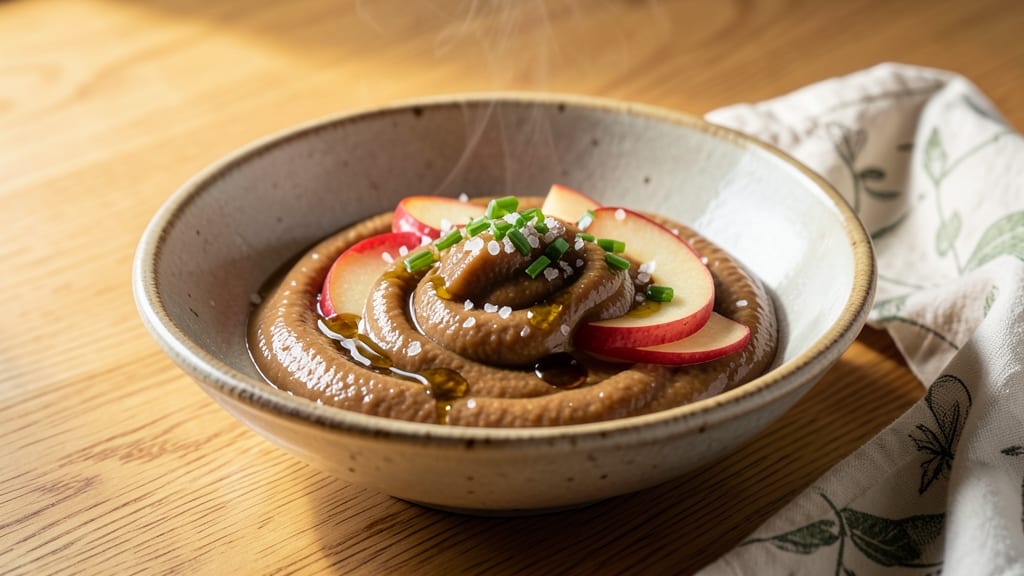
This apple horseradish sauce recipe balances sharp heat with sweet apple harmony in every bite, creating a condiment that elevates everything from roasted meats to sandwiches.
The secret lies in carefully blending fresh horseradish root with applesauce and a touch of vinegar, which tames the natural spiciness while preserving that signature kick.
I developed this version after years of experimenting with store-bought sauces that either burned too strongly or lacked depth—this one gets the balance just right.
The preparation process is straightforward but requires attention to texture: grating the horseradish finely ensures even distribution of heat, while blending with applesauce creates a smooth, velvety consistency that clings beautifully to food.
A splash of vinegar and a pinch of sugar round out the flavors, preventing the horseradish from overpowering while enhancing its natural piquancy. The result is a sauce that's tangy, slightly sweet, and perfectly balanced—never too harsh, never too mild.
What makes this sauce truly versatile is its ability to complement both rich and delicate dishes. Drizzle it over roasted pork tenderloin for a sweet-spicy contrast, spread it on corned beef sandwiches for a tangy twist, or serve it as a dip for pretzels and crackers.
The sauce keeps well in the refrigerator for up to two weeks, making it an excellent make-ahead condiment for holiday meals or game day gatherings.
For best results, adjust the horseradish-to-applesauce ratio to suit your heat tolerance—start with equal parts and add more horseradish if you crave extra kick. The key is emulsifying the sauce properly during blending to ensure a silky texture that won't separate.
Once mastered, this sauce becomes a pantry staple that transforms ordinary dishes into something extraordinary.
Ingredients for apple horseradish sauce
Eight ingredients transform fresh horseradish and applesauce into a perfectly balanced condiment.
| Ingredient | Amount | Notes |
|---|---|---|
| Fresh Horseradish Root 🌿 | ½ lb | Freshly grated, skin removed |
| Unsweetened Applesauce 🍎 | 1 cup | Smooth, unsweetened variety |
| White Wine Vinegar 🍷 | ¼ cup | Dry, high-quality vinegar |
| Granulated Sugar 🍚 | 2 tbsp | Adjust to taste for sweetness |
| Extra-Virgin Olive Oil 🫒 | ¼ cup | Light, fruity variety preferred |
| Diamond Crystal Kosher Salt 🧂 | ½ tsp | Fine grain for best dissolution |
| Fresh Lemon Juice 🍋 | 1 tbsp | Freshly squeezed for brightness |
| Fresh Chives 🌱 | 2 tbsp | Finely chopped for garnish |
The horseradish root is the foundation of this sauce, so prioritize freshness—look for firm, white roots with no green spots. Most grocery stores carry it near the root vegetables, but specialty markets like Whole Foods or Trader Joe's often have higher-quality options. If you can't find fresh root, pre-grated horseradish works in a pinch, though the texture will be less refined. For the applesauce, unsweetened varieties like Mott's or Wyman's ensure you control the sweetness level. The vinegar should be dry and crisp—Bragg or Heinz are reliable choices.
No fresh horseradish root? Pre-grated horseradish paste (like Gourmet Garden) can substitute, though you may need to adjust the amount slightly—start with three-quarters of the recipe and taste as you go. Want to reduce the heat? Blend in an extra 0.25 cup applesauce or add a splash more vinegar to mellow the sharpness. For the olive oil, avoid strong, peppery varieties—they can overpower the delicate balance. If you're strict about sugar, coconut sugar or maple syrup work beautifully, though granulated dissolves more smoothly. The lemon juice brightens the sauce, so if you're short, lime juice works too—just reduce to 1 tsp to avoid over-acidifying.
This sauce emulsifies beautifully, but for best texture, blend in 30-second bursts to avoid overheating the motor. Store in an airtight container in the refrigerator for up to 2 weeks, though it often disappears faster than that. The sauce thickens slightly when chilled—stir before serving. For longer storage, portion into ice cube trays, freeze, then transfer to a bag. Thawed cubes can be reheated gently with a splash of water to restore consistency. The flavor actually improves after a day or two as the ingredients meld.
Why You'll Love This Recipe
- Five-Ingredient Magic: I swear by this recipe because it’s that simple—just grate the horseradish, mix in applesauce, and balance it with vinegar and sugar. No peeling, no chopping, no fuss, and honestly? It’s the kind of sauce that makes me feel like I actually cooked something.
- Sweet Heat Balance: That first bite of tangy horseradish with the smooth applesauce? It’s the perfect push-and-pull—bright, sharp, but never overpowering. The white wine vinegar cuts through the richness, and the olive oil ties it all together like a hug. (Yes, even on a Tuesday night.)
- Game for Any Plate: Slather it on roasted chicken, drizzle it over salmon, or mix it into mashed potatoes—this sauce turns everything into a showstopper. I’ve used it for holiday dinners, lazy weeknight suppers, and even as a dip for veggies. It’s the kind of versatile that makes me want to text it to my friends.
- Lasts All Week: Between us, this sauce keeps in the fridge for ages—I’ve had it last 10 days without losing its kick. The applesauce keeps it from going bad, and the cost? A fraction of store-bought sauces. Plus, it’s one of those recipes where the leftovers somehow taste better the second time around.
Step-by-step instructions for apple horseradish sauce
This method balances sharp horseradish heat with sweet apple harmony—precise technique ensures perfect flavor equilibrium.
Prepare the Horseradish Root
Peel the 0.5 lb fresh horseradish root using a vegetable peeler, removing all skin and any blemished areas. I like to use a mandoline for even slices, but a sharp chef's knife works too—just be careful with those fingers. Cut the root into ¼-inch thick coins for consistent grating.
Transfer the sliced horseradish to a food processor fitted with the metal blade. Pulse in 30-second bursts until you achieve a coarse, textured grated consistency—think of it as a cross between finely chopped and grated. Avoid over-processing, or you'll release too much of the volatile oils that create that signature kick. The goal is to preserve the fresh, sharp punch while still creating a smooth base for the sauce.
Combine Wet Ingredients
In a medium mixing bowl, whisk together the 1 cup unsweetened applesauce, 0.25 cup white wine vinegar, and 1 tbsp fresh lemon juice until fully combined. The applesauce should be smooth with no lumps—strain it through a fine-mesh sieve if needed. This mixture forms the sweet-sour foundation that balances the horseradish's heat.
Add the 0.25 cup extra-virgin olive oil and 0.5 tsp diamond crystal kosher salt to the bowl and whisk vigorously for 30 seconds until emulsified. The olive oil should create a glossy sheen on the surface. This step is crucial—it ensures the sauce has a silky texture rather than a grainy one. If the mixture looks too thick, add 1-2 teaspoons of water to achieve a pourable consistency.
Incorporate the Horseradish and Sweeten
With the motor running on low speed, gradually add the grated horseradish to the wet mixture, allowing it to incorporate slowly. This prevents the sauce from becoming too sharp too quickly. Stop occasionally to scrape down the sides of the bowl with a spatula—this ensures even distribution of the horseradish throughout the mixture.
Add the 2 tbsp granulated sugar and mix on low speed for another 30 seconds. Taste the sauce at this point—you should notice a balance between the sweet applesauce, the sharp horseradish, and the tangy vinegar. If it's too sharp, add another ½ teaspoon of sugar; if it's too sweet, add 1 teaspoon more white wine vinegar. The goal is a harmonious blend where neither flavor dominates.
Rest and Garnish
Cover the bowl with plastic wrap and let the sauce rest at room temperature for 15 minutes. This allows the flavors to meld and the horseradish's heat to mellow slightly. I know it's tempting to taste it immediately, but patience here makes a difference—you'll notice a more refined balance after resting.
Before serving, stir in the 2 tbsp finely chopped fresh chives. These add a delicate oniony note and a pop of color that makes the sauce visually appealing. Transfer the sauce to a serving bowl and garnish with an additional sprinkle of chives. Serve immediately with roasted meats, sandwiches, or as a condiment alongside charcuterie boards. The sauce keeps well in the refrigerator for up to 5 days, though I find it's best enjoyed within 24 hours for maximum freshness.
Pro Tips For Making Apple Horseradish Sauce
- GRATE IT FINE: Horseradish loses its kick when you’re lazy with the grating. Use the smallest holes on your box grater—no food processor, no pre-shredded horseradish—just fresh, fine shavings. The texture matters more than you’d think, especially when mixed with applesauce.
- SWEAT THE HORSERADISH: Don’t just toss raw horseradish into the sauce. Sauté it in olive oil over medium-low heat for 3-4 minutes first—just until it softens and releases its sharpness. This mellows the edge without killing the flavor, and it blends smoother with the applesauce.
- TAMP THE VINEGAR: Add vinegar last and mix gently—it’s easy to overdo it. Start with 1 tablespoon, taste, then add another if needed. Too much vinegar turns this sauce into a tangy glaze instead of a balanced partner for roasted meats or sandwiches.
- STIR IN SUGAR GRADUALLY: Dumping all the sugar at once can make the sauce cloying. Add half the amount first, let it sit for 5 minutes, then adjust. The applesauce’s natural sweetness will reveal itself, and you’ll end up with a sauce that’s bright, not syrupy.
Flavor customization for this apple horseradish sauce
Sweet Heat Balance
Adjust the sugar-to-horseradish ratio to control the sharpness. Start with 2 tbsp sugar for every 0.5 lb horseradish, but reduce to 1 tbsp if you prefer a more assertive kick.
For milder heat, blend in an extra 0.25 cup applesauce—this dilutes the horseradish while maintaining the sauce's creamy texture. I often make two batches: one with 1 tbsp sugar for my family's spice-loving friends and another with 3 tbsp for those who prefer subtle heat. 🌶️
Tangy Twist Variations
Swap white wine vinegar for apple cider vinegar to deepen the apple flavor profile—it adds a subtle fruity note that complements the horseradish beautifully. For a smoky variation, replace 1 tbsp vinegar with 1 tbsp smoked paprika (dissolved in 1 tsp hot water).
This works especially well with pulled pork sandwiches or grilled sausages. I’ve also used balsamic vinegar for a richer, slightly sweet contrast.
Herb Infusions
Fresh herbs elevate the sauce’s complexity. Beyond chives, try 1 tbsp finely chopped dill for a bright, almost Scandinavian touch, or 1 tsp fresh tarragon for an anise-like depth. For a Mediterranean flair, add 1 tsp dried oregano along with the horseradish.
Garnish with extra herbs just before serving—they add freshness and visual appeal. I love sprinkling micro cilantro on top for a modern twist.
Spicy Kick Boost
For extra heat, add 1 tsp freshly grated ginger or ½ tsp cayenne pepper while blending. If you’re feeling adventurous, mix in 1 tsp wasabi paste (about ½ tsp) for a Japanese-inspired fusion that pairs perfectly with sushi rolls or tempura.
Just be warned—wasabi intensifies the horseradish’s punch! Start with ¼ tsp and adjust to taste. 🔥
Smoky Char Depth
Infuse the olive oil with smoky flavors by heating it in a small pan with 1 tsp crushed chipotle peppers or ½ tsp liquid smoke for 2 minutes, then straining. This adds a BBQ-like depth that works wonderfully with smoked meats or grilled vegetables.
For a milder smoke, use ½ tsp smoked salt instead of regular salt in the recipe. The smoky notes harmonize with the horseradish’s sharpness surprisingly well.
Sweet Apple Variations
Swap unsweetened applesauce for peach or mango purée (about 1 cup) to create tropical-inspired versions. For a spiced twist, add ½ tsp cinnamon or ¼ tsp cardamom while blending—this pairs especially well with ham or pork dishes.
I’ve also used grated pear (about ½ cup, cooked down to reduce moisture) for a softer, more delicate flavor profile. Each variation changes the sauce’s character while keeping the horseradish’s signature bite. ✨
Nutrition facts
Frequently asked questions
Why does my apple horseradish sauce taste too sharp?
Fresh horseradish releases more heat when over-processed. To mellow it, blend in an extra 0.25 cup applesauce or add 1 tsp sugar to balance the sharpness. Let the sauce rest for 15 minutes—this allows flavors to meld and reduces the initial burn. For stronger heat lovers, reduce sugar to 1 tbsp instead of 2 tbsp.
Can I make this sauce without fresh horseradish root?
Yes! Use 3 tbsp pre-grated horseradish paste (like Gourmet Garden) instead of fresh root. Start with less since paste is more concentrated, and adjust to taste. For a smoother texture, blend the paste with 1 tbsp applesauce first before combining with other ingredients. The flavor will be slightly less fresh but still delicious.
How long can I store this sauce and can I freeze it?
Store in an airtight container in the fridge for up to 2 weeks—it actually tastes better after 24 hours as flavors develop. For freezing, portion into ice cube trays, freeze, then transfer to a bag. Thawed cubes can be reheated with 1 tsp water to restore consistency. The texture may separate slightly after freezing, so stir well before serving.
What's the best way to use this sauce beyond sandwiches?
This versatile sauce elevates roasted meats (especially pork or beef), grilled fish, and even deviled eggs. Try it as a dip for pretzels or crackers at parties, or mix 1 tbsp into mashed potatoes for a tangy twist. For a modern touch, drizzle it over seared scallops or use it as a marinade base (reduce sugar to 1 tbsp).
Can I make this sauce less sweet or more tangy?
To reduce sweetness, cut sugar to 1 tbsp and increase vinegar to 0.3 cup. For more tang, add 1 extra tbsp lemon juice or swap white wine vinegar for apple cider vinegar. The key is balancing all three elements—sweet, sharp, and tangy—so taste as you go. Start with small adjustments (like ½ tsp increments) to avoid overcorrecting.