
Sauces & Condiments
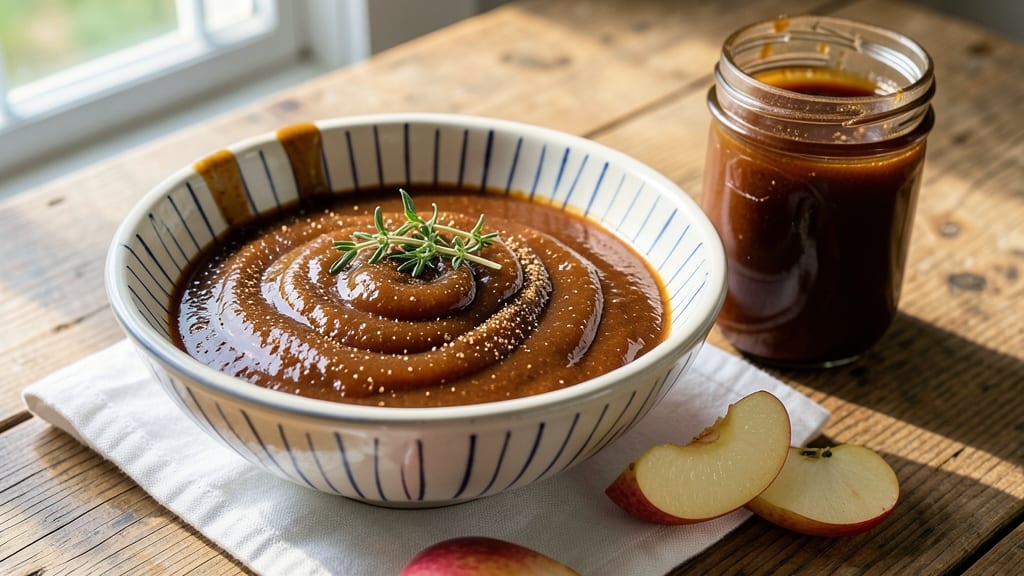
This apple juice BBQ sauce recipe transforms classic barbecue into a vibrant, fruit-forward masterpiece that balances sweet-tart depth with subtle celery-pepper crunch. 🌟 The secret lies in reducing apple juice with vinegar and spices until it achieves that perfect sticky-smooth consistency—rich enough to cling to ribs or chicken, yet bright enough to cut through smoky flavors.
I developed this after years of experimenting with fruit-based sauces, and it's become my go-to for grilling and slow-cooking alike.
The sauce begins with a simple simmer of apple juice, vinegar, and a touch of sugar to create a balanced sweetness, then builds complexity with traditional BBQ spices like smoked paprika, garlic powder, and onion powder.
Adding finely chopped celery and bell peppers during the final reduction gives it that signature crunch and freshness that sets it apart from heavier, molasses-based sauces. The result is a sauce that's versatile enough for everything from grilled chicken to pulled pork, yet distinct enough to stand out.
What makes this sauce truly special is its ability to enhance rather than overpower the natural flavors of your meat. The apple juice base adds a subtle sweetness that caramelizes beautifully when grilled, while the vinegar keeps the sauce tangy and vibrant.
The celery-pepper crunch adds texture, making every bite interesting. This isn't just a sauce—it's a flavor experience that elevates any dish it touches.
Once you've mastered this recipe, you'll find it keeps beautifully in the refrigerator for up to two weeks, making it perfect for meal prep or gifting. The sauce also freezes well, so you can make a big batch and have it ready for your next cookout.
Let's get started on creating this versatile, crowd-pleasing sauce that's sure to become a staple in your kitchen.
Ingredients for apple juice bbq sauce
Nine ingredients transform simple pantry staples into a vibrant, crunchy-sweet BBQ sauce.
| Ingredient | Amount | Notes |
|---|---|---|
| Apple Juice 🍎 | 2 cups | Unsweetened, preferably tart variety |
| Apple Cider Vinegar 🍶 | ½ cup | For tangy balance |
| Granulated Sugar 🍚 | ¼ cup | Adjust to taste |
| Smoked Paprika 🌶️ | 1 tbsp | For smoky depth |
| Garlic Powder 🧄 | 1 tsp | Freshly ground preferred |
| Onion Powder 🧅 | 1 tsp | For aromatic base |
| Celery Stems 🥬 | ½ cup | Finely chopped for crunch |
| Bell Pepper 🌶️ | ¼ cup | Red or green, diced small |
| Kosher Salt 🧂 | ½ tsp | Diamond Crystal preferred |
| Black Pepper 🌶️ | ¼ tsp | Freshly cracked |
The apple juice is the heart of this sauce—look for unsweetened varieties like those from Mott's or Tree Top for the best tartness. The vinegar balances sweetness, so don't skimp on quality here. I grab Bragg's apple cider vinegar from the grocery store's organic section, but any good-quality vinegar works. For the celery and bell pepper, freshness matters most—wilted veggies will turn mushy when cooked down. If you're short on time, pre-chopped frozen celery works in a pinch, but fresh gives that signature crunch. The smoked paprika? Penzeys has the best variety, but the regular grocery store stuff is fine too—just make sure it's labeled 'smoked'.
No apple juice? White grape juice or pear juice works in a pinch, but the flavor will be subtly different. Running low on vinegar? Lemon juice at half the amount adds brightness, though it won't have the same depth. Fresh celery and bell pepper are ideal, but dried celery flakes or powdered bell pepper can substitute at one-third the amount. Want more sweetness? Swap half the sugar for maple syrup—it caramelizes beautifully. Need extra tang? Add 1/4 tsp of mustard powder to the spices. And if you're making a big batch, double the celery and bell pepper—the crunch is what makes this sauce special.
This sauce keeps beautifully—2 weeks in the fridge sealed in a jar, or 6 months in the freezer if you make a big batch. I always portion mine into 8-ounce jars for easy gifting or meal prep. The flavors actually improve after a few days as everything melds together. If it thickens too much when refrigerated, just stir in 1-2 tbsp of water or apple juice to loosen it up. And trust me, make extra—you'll want to slather it on everything from ribs to grilled chicken.
Why You'll Love This Recipe
- One-Pot Magic: I swear by this sauce because it’s literally one pot—no blenders, no straining, just simmer until it thickens. The apple juice and vinegar mellow into something rich without extra work, and the paprika adds that smoky depth while I’m busy doing other things.
- Sweet-Savory Balance: That first tangy hit from the vinegar gives way to caramelized sugar and warm garlic—it’s like biting into a homemade caramel apple, but for your ribs or chicken. Honestly, I’ve never met a BBQ sauce that hits this harmony without tasting like candy.
- Weeknight Hero: Slather it on burgers, toss it with roasted veggies, or drizzle it over baked beans—it’s my go-to for anything that needs a quick flavor boost. Even my picky teenage son grabs the bottle first when I make it, and that’s saying something.
- Budget-Friendly Staple: Apple juice and vinegar are cheap, and this batch stretches across weeks of meals. I’ve used it for pulled pork, grilled fish, even as a glaze for roasted potatoes—every drop tastes intentional, not like a sad leftover experiment.
Step-by-step instructions for apple juice BBQ sauce
Here's how to make a homemade sauce that balances sweet-tart apple flavor with smoky, crunchy depth.
🍳 Step 1: Sauté the Vegetables for Crunch and Flavor
Heat a medium saucepan over medium heat and add 2 tablespoons olive oil. Once hot, add the 0.5 cup finely chopped celery stems and 0.25 cup diced bell pepper. Cook for 5-6 minutes until the vegetables soften and release their natural juices.
Stir occasionally to prevent burning—you want them tender but still holding their shape. The celery will add subtle bitterness that balances the sweetness, while the bell pepper contributes a fresh crunch. This step builds the aromatic base that carries through the entire sauce.
👨🍳 Step 2: Add Dry Seasonings and Toast for Depth
Reduce the heat to low and sprinkle in the 1 tbsp smoked paprika, 1 tsp garlic powder, and 1 tsp onion powder. Stir vigorously for 30 seconds to toast the spices—this releases their essential oils and deepens their flavor.
I like to press the spices into the vegetables for a few seconds to ensure even distribution. The smoked paprika will give your sauce that signature smoky character, while the garlic and onion powders add warmth. Don't walk away—these spices burn quickly, and you want them fragrant, not bitter.
🥘 Step 3: Build the Sauce Base with Apple Juice
Pour in the 2 cups apple juice and 0.5 cup apple cider vinegar. Increase heat to medium-high and bring to a gentle boil. Once boiling, reduce heat to medium-low and let it simmer uncovered for 10-12 minutes until the liquid reduces by about one-third.
You'll notice the sauce thickening slightly and developing a glossy sheen. This reduction concentrates the flavors and creates that perfect balance between sweet and tangy. Stir occasionally to prevent sticking—if it gets too thick, add a splash of water to keep it flowing.
🍳 Step 4: Sweeten and Season to Perfection
Stir in the 0.25 cup granulated sugar, 0.5 tsp kosher salt, and 0.25 tsp black pepper. Return to a gentle simmer and cook for another 5-7 minutes until the sugar dissolves completely and the sauce reaches your desired consistency.
Taste and adjust the seasoning—you might need a bit more sugar if your apple juice was particularly tart, or a touch more vinegar if it needs more tang. The sugar should melt smoothly into the sauce without any graininess. This is where you fine-tune the balance between sweet, smoky, and tangy flavors.
⏰ Step 5: Cool and Thicken for Ultimate Texture
Remove the sauce from heat and let it cool to room temperature for 15-20 minutes. As it cools, it will naturally thicken slightly. If you prefer a thicker sauce, return it to low heat and simmer uncovered for another 5 minutes to reduce further.
For extra crunch, you can blend in a few chopped celery stems or bell pepper pieces after cooling. This sauce tastes best when used within 1 week when refrigerated, or it can be frozen for up to 3 months. The flavors only get better as it sits, developing more complexity over time.
Pro Tips For Making Apple Juice Bbq Sauce
- Simmer Slow and Steady: This sauce isn’t a race—bring it to a gentle boil first, then drop the heat to a low simmer. I used to rush it, and the vinegar would just evaporate into thin air, leaving you with a sticky mess instead of a balanced sauce. Let it bubble quietly for at least 20 minutes, stirring occasionally, so the sugar fully dissolves and the flavors meld.
- Use Real Apple Cider Vinegar: That cheap "apple-flavored" vinegar won’t cut it—grab actual apple cider vinegar (the cloudy, unfiltered kind). It’s got depth and a slight tang that cheap imitations lack. If you’re pinching pennies, at least go for the stuff labeled "with the mother"—it’s the real deal and makes a noticeable difference.
- Don’t Skip the Straining Step: After simmering, let the sauce cool slightly, then strain out any bits of sediment or undissolved sugar. I learned this the hard way when a clump of sugar sat at the bottom of my jar, making every dip awkward. A fine-mesh sieve or even cheesecloth works—just don’t skip it if you want a smooth, professional finish.
- Balance the Sweet and Tang: Taste as you go—start with a 1:1 ratio of sugar to vinegar, but adjust based on your apple juice’s natural sweetness. If it’s too sharp, add a pinch more sugar; if it’s cloying, splash in a little extra vinegar. The goal is a sauce that’s bright, not one-dimensional. Trust your palate, not the recipe.
Common mistakes when making your apple juice bbq sauce
Skipping the Reduction
One of the biggest mistakes I see is not reducing the sauce long enough. The apple juice and vinegar need time to meld and concentrate—rushing this step means a thin, watery sauce that won’t cling to your meat.
Simmer uncovered for at least 15-20 minutes until it’s reduced by about one-third. This builds depth and thickness. I’ve seen people walk away after 5 minutes and end up with a glaze that’s more like syrup. 🌡️
Over-Salting Early
Adding all the salt at once can ruin the balance of flavors. The apple juice and vinegar already contain some saltiness, so I add only half the kosher salt during cooking and taste as it cools.
If it needs more, add it gradually—you can always adjust later, but you can’t remove excess salt. Trust your taste buds here, and remember: the sauce will thicken as it cools, so don’t overdo it.
Burning the Spices
Those dry spices—especially the smoked paprika—burn faster than you think. When toasting them in Step 2, keep the heat at low and stir constantly for just 30 seconds. I’ve seen people walk away or crank the heat too high, turning the spices bitter.
A quick sniff test tells you if they’re fragrant (good) or acrid (bad). If they smell burnt, start over with fresh spices.
Ignoring the Crunch Factor
The celery and bell pepper aren’t just flavor boosters—they’re texture stars! If you cook them too long, they’ll turn mushy and lose their signature crunch. Keep them tender-crisp (5-6 minutes) and add fresh chopped pieces after cooling for extra bite.
I’ve had people skip this step entirely, missing the sauce’s defining characteristic. A little crunch goes a long way!
Not Tasting Mid-Cook
Many recipes tell you to “taste and adjust at the end,” but by then, it’s too late. Check the sauce after 10 minutes of simmering—this is when flavors start developing. Adjust sweetness (sugar), tang (vinegar), or salt now.
I’ve seen people add sugar at the end only to realize the sauce is too sweet because they didn’t taste earlier. A quick check keeps you on track.
Using Sweetened Apple Juice
This is a game-changer: sweetened apple juice throws off the balance entirely. The extra sugar makes the sauce cloying instead of tangy-sweet. Always use unsweetened juice—brands like Mott’s or Tree Top work perfectly.
If you accidentally grab sweetened, reduce the added sugar by half and taste frequently. Your taste buds will thank you!
Nutrition facts
Frequently asked questions
Can I substitute apple juice with another fruit juice?
Yes! For a similar tart-sweet profile, try white grape juice or pear juice. These work well in a pinch, though they’ll have a slightly different flavor. Avoid sweetened juices—they’ll make your sauce too cloying. If using, reduce the added sugar by half and taste frequently.
How do I adjust the thickness of my sauce?
If your sauce is too thin, simmer uncovered for 5-10 more minutes to reduce further. For a thicker texture, stir in 1 tsp cornstarch mixed with 1 tbsp water while simmering. If it’s too thick after cooling, thin with 1-2 tbsp apple juice or water. The key is patience—reducing slowly builds depth!
What’s the best way to store leftover sauce?
Transfer to a clean glass jar or airtight container and refrigerate for up to 2 weeks. For longer storage, freeze in 8-ounce portions for up to 6 months. Thaw overnight in the fridge—never microwave directly. The flavors actually improve with time, so make extra!
Can I make this sauce without celery or bell pepper?
Skip the veggies for a smoother sauce, but you’ll lose that signature crunch. For texture, blend in 1 tsp celery seeds or ½ tsp dried bell pepper flakes instead. The sauce will still be delicious—just less complex. Fresh herbs like thyme or rosemary also add great depth!
Is this sauce good for vegetarians?
Yes! This recipe is naturally vegetarian (no meat-based ingredients). The apple juice and spices make it perfect for drizzling over roasted veggies, grilled tofu, or as a dip for fries. Just ensure your apple juice is vegan-certified if needed—some brands use animal-derived fining agents.