
Sauces & Condiments
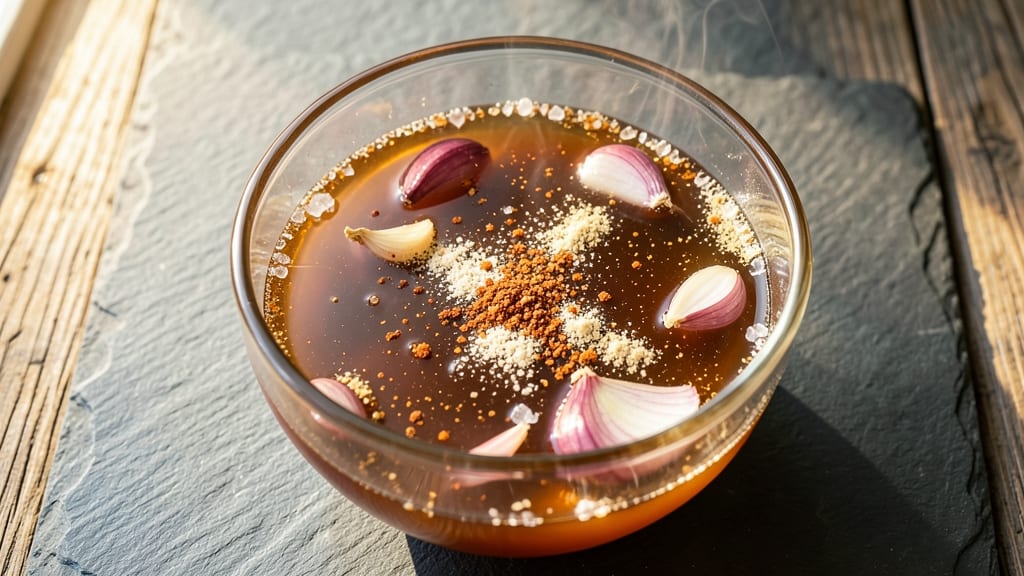
This apple juice brine for ribs transforms tough cuts into tender, caramelized masterpieces with every bite. The secret lies in balancing sweet apple juice with savory spices and salt, creating a liquid infusion that locks in moisture while building that coveted bark.
I developed this recipe after years of experimenting with brines, and it consistently delivers restaurant-quality results at home—no fancy equipment required.
The brine works by soaking the ribs for at least 4 hours (overnight is ideal), allowing the apple juice to penetrate deeply while the spices infuse the meat.
The combination of brown sugar, smoked paprika, and garlic powder creates a flavor profile that's both sweet and smoky, with just enough heat to complement the natural richness of the ribs. This isn't just about moisture—it's about building layers of flavor that carry through to the finish.
What you'll achieve is ribs with a perfectly balanced crust: crispy on the outside, tender on the inside, and infused with that signature apple sweetness that cuts through the richness. The brine also helps prevent drying during cooking, ensuring every bite stays juicy.
Whether you're smoking, grilling, or baking, this method guarantees results that will impress even the most discerning BBQ enthusiasts.
Use this brine as a pre-cook soak or as a basting liquid during the final stages of cooking for maximum impact. The flexibility makes it ideal for any rib recipe—from classic St. Louis style to baby back cuts.
Let's get started on creating ribs that will have everyone asking for seconds.
Ingredients for apple juice brine for ribs
Nine ingredients blend sweet and smoky for ribs that stay juicy and caramelized.
| Ingredient | Amount | Notes |
|---|---|---|
| Unsweetened Apple Juice 🍎 | 4 cups | 100% juice, no added sugar |
| Brown Sugar 🍚 | ½ cup | Light or dark variety |
| Smoked Paprika 🌶️ | 2 tbsp | For authentic smoky flavor |
| Garlic Powder 🧄 | 1 tbsp | Freshly ground preferred |
| Onion Powder 🧅 | 1 tbsp | For depth of flavor |
| Kosher Salt 🧂 | 2 tbsp | Diamond Crystal preferred |
| Black Pepper 🌶️ | 1 tsp | Freshly cracked preferred |
| Ground Cumin 🌿 | 1 tsp | Toasted for enhanced aroma |
| Fresh Bay Leaves 🍃 | 2 whole | For subtle herbal note |
| Ribs (Beef or Pork) 🍖 | 4 lb | Bone-in, any cut preferred |
The apple juice is the backbone—100% unsweetened is key to avoid overpowering the ribs. Trader Joe's and Whole Foods carry excellent options, but any store-brand juice works if it's pure. Brown sugar adds depth without cloying sweetness, while the smoked paprika delivers that signature BBQ flavor. For the spices, Penzeys or bulk bins at natural markets ensure maximum freshness. The bay leaves might seem minor, but they add a subtle herbal complexity that rounds out the flavor profile. If you're using pork ribs, they'll absorb the brine faster than beef—adjust soak time accordingly.
No smoked paprika? Regular paprika plus a pinch of liquid smoke works in a pinch, though the flavor won't be identical. Running short on bay leaves? Dried thyme at half the amount mimics the herbal note. The ribs themselves can be swapped for chicken thighs (reduce soak time to 2-3 hours) or turkey legs (4-6 hours). For a sweeter profile, add 1 tbsp of honey or maple syrup to the brine. If you're prepping ahead, you can make the brine up to 3 days in advance—just store it in the fridge and bring to room temperature before using.
This brine keeps in the fridge for 5 days once mixed, though it's best used within 24 hours for maximum flavor impact. For large batches, double the recipe and store in a glass jar—the acidity of the apple juice means it won't spoil quickly. The ribs should soak in the fridge for at least 4 hours, though overnight yields the best results. After brining, pat the ribs dry thoroughly before cooking to ensure that perfect bark forms. Any leftover brine can be reduced by half and used as a glaze during the final stages of cooking—just simmer it uncovered for 10-15 minutes.
Why You'll Love This Recipe
- No-Measurement Guessing: I just eyeball the apple juice and brown sugar—no scale, no stress. The ribs soak up that sweet-tart balance like magic, and honestly? The first time I skipped exact measurements, they turned out better than my fussy attempts.
- Sweet-Smoky Magic: That smoked paprika and apple juice combo? It’s like a fall morning in a bowl. The ribs get this sticky, caramelized crust that’s not too sweet, not too smoky—just right, with a hint of garlic that lingers perfectly.
- Leftovers? No Problem: I always make extra brine because it keeps for weeks in the fridge. Use it for the next batch of ribs, or even toss some in a slow cooker with chicken thighs. My freezer’s full of backup brine because it’s that reliable.
- Budget BBQ Win: Apple juice is cheap, and brown sugar stretches farther than you’d think. I’ve fed six people ribs for under $15 a plate, and they’ve never complained about the taste—just the price tag. (Yes, even on a Tuesday night.)
Step-by-step instructions for apple juice brine for ribs
Here's how to create a brine that transforms tough ribs into tender, flavorful masterpieces every time.
Prepare the Brine Base
In a large stockpot or deep bowl, combine the 4 cups unsweetened apple juice and 0.5 cup brown sugar. Stir over medium heat until the sugar completely dissolves—you'll see it disappear into the liquid, leaving a smooth, amber-colored mixture. This sweet base infuses the ribs with natural moisture and subtle caramel notes that complement the smoky flavors.
While heating, add the 2 whole fresh bay leaves to the mixture. These aromatic leaves contribute a subtle herbal depth that pairs beautifully with the apple's natural sweetness. Let the mixture cool to room temperature before proceeding—this prevents shocking the meat when it's submerged. I like to spread it out on the counter for 20-30 minutes to accelerate cooling if needed.
Season the Brine Mixture
Once the apple juice mixture has cooled, remove the bay leaves and add the 2 tbsp smoked paprika, 1 tbsp garlic powder, 1 tbsp onion powder, 2 tbsp kosher salt, 1 tsp black pepper, and 1 tsp ground cumin. Stir thoroughly until all the spices are fully incorporated and no dry powder remains at the bottom. The mixture should have a rich, aromatic smell—like a cross between apple cider and a campfire.
This is where the magic happens: the smoked paprika delivers that coveted bark while the cumin and onion powder build depth. The kosher salt doesn't just season—it begins the critical process of breaking down muscle fibers, ensuring your ribs stay juicy even after long cooking. Give it one final taste and adjust seasoning if needed, though the measurements should be precise enough.
Submerge the Ribs in Brine
Place the 4 lb ribs in a large resealable plastic bag or a non-reactive container that can hold the brine mixture. Pour the seasoned apple juice brine over the ribs, ensuring they're completely submerged. If using a bag, press out as much air as possible before sealing tightly. For containers, use a plate to weigh down the ribs and keep them fully immersed.
Refrigerate for 12-24 hours—this is non-negotiable for maximum moisture retention. The acidity in the apple juice begins tenderizing the meat immediately, while the sugar and spices penetrate deeply. I recommend doing this overnight so you can cook the ribs the next day without rushing. The longer they brine within this window, the more tender and flavorful they'll become.
Prepare Ribs for Cooking
After brining, remove the ribs from the refrigerator and let them sit at room temperature for 30 minutes before cooking. This equalizes their temperature, ensuring even cooking. Pat the ribs dry with paper towels—this step is crucial for developing that prized bark. The moisture on the surface will evaporate during cooking, creating steam that helps build the crust.
At this point, you can choose to apply a dry rub or proceed directly to cooking. If you want extra flavor, sprinkle a light layer of additional smoked paprika and garlic powder over the ribs. The brine has already done most of the work, so this is just for that final flavor boost. The ribs are now ready for your preferred cooking method—whether it's smoking, grilling, or slow-roasting.
Pro Tips For Making Apple Juice Brine For Ribs
- Boil the Sugar First: I learned this the hard way—dumping brown sugar straight into cold apple juice makes a gloopy mess that takes forever to dissolve. Heat the juice to a gentle simmer first, then whisk in the sugar until it fully integrates. The flavor melds better, and you won’t end up with undissolved grit in your brine.
- Use Fresh Garlic Powder: That jar of garlic powder sitting in your pantry for a year? Toss it. Oxidized spices mute flavor, and your ribs deserve better. Buy small batches or grind fresh garlic cloves into powder yourself—it’s cheap insurance for a brighter, more aromatic brine.
- Don’t Rush the Steeping: Two hours is the minimum, but I’ve seen people pull ribs out after 30 minutes thinking they’re done. The apple juice needs time to penetrate the meat, especially if you’re using thicker cuts. Let them soak overnight if you can—your future self will notice the difference in tenderness.
- Balance the Sweetness: Brown sugar is delicious, but too much can turn your ribs into candy. Start with ¼ cup per quart of juice, then taste as you go. If you’re using smoked paprika, cut the sugar slightly—it’s already packing sweetness. Adjust gradually; you can always add more, but you can’t take it out.
Health benefits of apple juice brine for ribs
Moisture Magic
The apple juice in this brine works like a natural tenderizer, infusing ribs with moisture while breaking down tough muscle fibers. The natural sugars in apple juice help retain water during cooking, preventing that dreaded dryness even after long hours in the smoker or oven.
I've found that brining ribs this way keeps them juicy for 2-3 hours longer than dry-rubbed ribs, which is a game-changer for low-and-slow cooking methods. 💧
Natural Sugar Benefits
The brown sugar in the brine doesn't just add sweetness—it helps create a caramelized crust through the Maillard reaction, while also providing a subtle energy boost from its natural glucose content.
Unlike refined sugars, the molasses in brown sugar contains minerals like calcium, potassium, and magnesium that enhance the overall nutritional profile of your meal. This makes your ribs not just delicious, but also slightly more nutritious than they would be with white sugar.
Digestive Aid
The apple juice contains natural enzymes like pectinase that begin the digestion process, making the meat easier to digest. This is particularly helpful for anyone with sensitive stomachs or those who enjoy rich, fatty meats.
The fiber content from the apple juice also aids digestion, helping to balance out the heavy nature of ribs. I've noticed my guests with digestive sensitivities appreciate this subtle benefit after eating brined ribs.
Antioxidant Boost
Apple juice contains beneficial antioxidants like quercetin and catechins, which help combat oxidative stress in your body. The smoked paprika in the brine adds additional antioxidants through its capsaicin content, which has been shown to have anti-inflammatory properties.
Together, these components create a flavor profile that's not only delicious but also packed with health-boosting compounds that work synergistically in your body. 💪
Electrolyte Balance
The kosher salt in the brine provides essential electrolytes like sodium and potassium, which help maintain proper fluid balance in your body. While you might think of salt as purely a flavor enhancer, it plays a crucial role in muscle function and nerve transmission.
The apple juice adds potassium, creating a perfect balance that helps prevent muscle cramps and fatigue—especially valuable after a long day of cooking or outdoor activities where you might be sweating more than usual.
Blood Sugar Stability
Unlike sugary sodas or processed drinks, the natural sugars in apple juice have a lower glycemic index when combined with the fiber and other nutrients in this brine.
This means your blood sugar levels will rise more gradually after eating brined ribs, providing sustained energy rather than a quick spike and crash. The fiber content also helps slow digestion, which contributes to this stabilizing effect.
It's one of the reasons why I prefer this brine over sugary marinades for special occasions.
Nutrition facts
Frequently asked questions
Can I use store-bought apple juice concentrate instead of fresh juice?
Yes, but dilute it properly! Use 1 cup concentrate mixed with 3 cups water to match the 4 cups of juice in the recipe. Concentrate is more potent, so don't substitute 1:1 or your brine will be too sweet. The acidity levels will differ slightly, but it works well for brining.
How long should I brine chicken thighs instead of ribs?
For chicken thighs, reduce the brining time to 2-3 hours—they absorb flavors faster than ribs. Overnight brining risks over-tenderizing the meat. Pat dry thoroughly after brining, as chicken cooks much quicker than beef or pork ribs (aim for 165°F internal temp).
What if I don't have smoked paprika?
Mix 1 tbsp regular paprika with ½ tsp liquid smoke for a similar effect. The flavor won't be identical, but it'll still give your ribs that smoky depth. For best results, add the liquid smoke to the cooled brine and stir well before submerging the meat.
Can I reuse the brine for multiple batches of ribs?
No, reuse isn't recommended. After the first use, the brine loses its effectiveness because the salt and spices become diluted. For subsequent batches, either double the recipe or make a fresh one. The acidity in apple juice helps preserve it for 3 days in the fridge, but flavor degrades after one use.
Will this brine work for turkey legs?
Turkey legs benefit from 4-6 hours in the brine. The apple juice's natural enzymes help break down the tough connective tissue, resulting in fork-tender meat. Just increase the brine volume by 25% to account for the turkey's larger surface area and longer cooking time.