
Sauces & Condiments
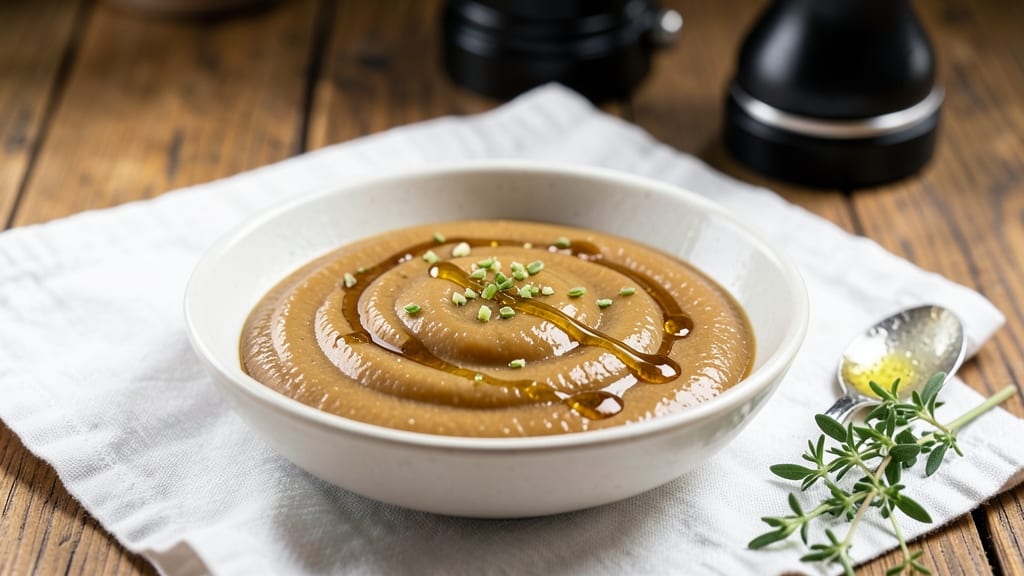
This apple mustard sauce recipe transforms simple pantry staples into a velvety glaze that bridges sweet and tangy flavors with effortless harmony. The secret lies in balancing applesauce, Dijon mustard, and a touch of vinegar for depth—creating a sauce that clings beautifully to grilled meats, cheese boards, or even pretzels.
I developed this after years of experimenting with fruit-based condiments, and it’s become my go-to for adding complexity to both classic and modern dishes.
What sets this sauce apart is its versatility—it works as a dipping sauce, glaze, or even a sandwich spread. The applesauce provides natural sweetness while the mustard adds that signature tang, and a pinch of celery seeds introduces a subtle crunch that elevates every bite.
Unlike store-bought versions, this recipe delivers a fresh, vibrant flavor that stays consistent for days in the fridge or even months in the freezer.
The sauce comes together in just 10 minutes with minimal effort, yet it feels like a restaurant-quality creation. The texture is smooth yet slightly thickened, perfect for drizzling over roasted chicken, brushing onto pork chops, or pairing with sharp cheeses on a charcuterie board.
The balance of sweet and tangy ensures it won’t overpower your dish but instead enhances it with every spoonful.
Once you try this apple mustard sauce, you’ll find endless ways to use it—from glazing ham for the holidays to drizzling over roasted vegetables or even mixing into mayo for a tangy twist on potato salad.
The recipe scales effortlessly, so you can make a small batch for immediate use or double it for future meals. Here’s how to make it perfectly every time.
Ingredients for apple mustard sauce
Nine simple ingredients create a velvety glaze that’s perfect for dipping, glazing, or spreading.
| Ingredient | Amount | Notes |
|---|---|---|
| Unsweetened Applesauce 🍎 | ½ cup | Smooth, unsweetened variety |
| Dijon Mustard 🫒 | ⅓ cup | High-quality, smooth texture |
| Apple Cider Vinegar 🍋 | 1 tbsp | For tangy depth |
| Celery Seeds 🌿 | 1 tsp | Ground for subtle crunch |
| Extra-Virgin Olive Oil 🫒 | ¼ cup | For richness and silkiness |
| Honey 🍯 | 1 tbsp | Balances sweetness |
| Salt 🧂 | ½ tsp | Kosher or sea salt |
| Black Pepper 🌶️ | ¼ tsp | Freshly ground preferred |
| Fresh Lemon Juice 🍋 | 1 tbsp | Brightens flavors |
| Water 💧 | 1 tbsp | Adjusts consistency |
The applesauce is your base—Mott’s or Libby’s unsweetened varieties work best, but any smooth kind will do. Dijon mustard is non-negotiable here; it’s smoother and more flavorful than regular yellow mustard. French’s Classic or Maille are my go-tos. Celery seeds might seem minor, but they add that subtle crunch that makes this sauce stand out. Trader Joe’s or Penzeys carry good-quality seeds if you’re not growing your own. For the olive oil, grab a fruity, extra-virgin variety—California Olive Ranch or Colavita are solid choices.
No applesauce? Unsweetened applesauce pouches from the baby food aisle work in a pinch, or blend cooked apples until smooth. Skip the honey? Maple syrup at the same amount is a great swap. The vinegar can be swapped for white wine vinegar or lemon juice, but apple cider gives that extra depth. Fresh celery seeds are ideal, but if you’ve got dried, use half the amount. The sauce thickens as it cools, so if it’s too thick after mixing, add a splash more water. Too thin? Simmer for 2-3 minutes to reduce.
This sauce keeps beautifully—1 week in the fridge in an airtight container, or 3 months in the freezer. I like to portion it into small jars so I can grab just what I need. It thickens when chilled, so stir in a splash of water if you want it pourable again. The flavor actually improves after a day or two as everything melds together. Perfect for meal prep—make a big batch and use it all week for dipping, glazing, or mixing into dressings.
Why You'll Love This Recipe
- Five-Ingredient Magic: I swear, this sauce comes together with just a whisk and a bowl—no fancy gadgets, no stress. The applesauce and mustard blend like they’ve been friends forever, and the vinegar ties it all together in seconds.
- Tangy-Sweet Balance: That first bite? It’s like autumn in a spoon—smooth applesauce cuts by the sharp, bright mustard and vinegar, then the celery seeds add this subtle crunch that keeps your taste buds guessing. (Yes, even my picky husband asks for seconds.)
- Dinner Party Hack: Slather it on grilled chicken for a picnic, drizzle it over roasted veggies for a weeknight, or toss it with pasta for a last-minute dinner. It’s the kind of sauce that makes you look like a pro without trying.
- Leftovers That Shine: Make a double batch—it keeps for days in the fridge and doesn’t turn weird. I’ve used it to jazz up sandwiches, stir-fries, and even deviled eggs. Honestly, it’s my lazy Sunday secret weapon.
Step-by-step instructions for apple mustard sauce
This velvety glaze comes together in minutes with just a few simple steps.
Warm the Applesauce and Mustard
In a small saucepan over medium-low heat, combine the 0.5 cup unsweetened applesauce and 0.33 cup Dijon mustard. Stir gently to blend, then let the mixture warm for 2-3 minutes until it begins to simmer lightly. You'll see small bubbles form around the edges—that's your signal it's ready for the next ingredient.
I like to keep the heat low here to prevent the mustard from turning bitter. If you notice the mixture thickening too quickly, simply add 1 tablespoon water and stir until smooth. The goal is a silky texture, not a paste.
Add Vinegar, Honey, and Seasonings
Remove the saucepan from heat and stir in the 1 tablespoon apple cider vinegar, 1 tablespoon honey, 0.5 teaspoon salt, and 0.25 teaspoon black pepper. The vinegar will brighten the flavors while the honey balances the tanginess. Let the mixture sit for 1 minute to allow the salt to dissolve completely.
Here's where it gets good—give it a taste and adjust the seasoning if needed. Need more sweetness? Add a pinch more honey. Want extra tang? A splash of vinegar works wonders. The sauce should taste vibrant, with a perfect balance between sweet, tangy, and savory notes.
Incorporate Olive Oil and Lemon Juice
Return the saucepan to low heat and slowly drizzle in the 0.25 cup extra-virgin olive oil while whisking continuously. The oil will emulsify with the applesauce mixture, creating that luscious, velvety texture. Once fully incorporated, stir in the 1 tablespoon fresh lemon juice and 1 teaspoon celery seeds. The lemon juice adds a bright finish, while the celery seeds contribute a subtle crunch that elevates every bite.
Let the sauce simmer for another 1-2 minutes on low heat, stirring occasionally. You're looking for a glossy, smooth consistency—almost like a thick glaze. If it thickens too much, add a splash of water to loosen it up.
Cool and Adjust Consistency
Transfer the sauce to a bowl and let it cool for 5-10 minutes. This step is crucial—cooling allows the flavors to meld and the texture to set properly. While it cools, give it one final taste and adjust the seasoning if needed. The sauce should coat the back of a spoon with a silky, glossy finish.
If the sauce is too thick after cooling, thin it with 1-2 teaspoons of water until it reaches your desired consistency. For a smoother finish, strain out the celery seeds before serving, or leave them in for a subtle crunch. This sauce is incredibly versatile—drizzle it over grilled meats, use it as a dip, or spread it on sandwiches for a burst of flavor.
Pro Tips For Making Apple Mustard Sauce
- Warm the Applesauce First: Cold applesauce thins the sauce like a wet blanket. Heat it gently in a small saucepan or microwave for 20-30 seconds until just warm—this lets the mustard and vinegar blend smoothly without curdling. I learned this the hard way when my first batch turned grainy.
- Whisk in Stages: Start by mixing the applesauce and mustard, then slowly add vinegar and oil while whisking constantly. This prevents the celery seeds from floating on top like confetti. If you dump everything in at once, you’ll end up scraping seeds off your plate later.
- Toast the Celery Seeds: Dry-toast the celery seeds in a small pan over low heat for 30 seconds until fragrant—this deepens their flavor without burning. Skip this, and they’ll just taste like dust. (Yes, even if you’re impatient like me.)
- Balance the Vinegar: Taste before adding all the vinegar. If the sauce tastes sharp, add a splash of warm water or a pinch of sugar to round it out. The goal is tangy, not puckery—trust your tongue, not the recipe.
Perfect pairings for apple mustard sauce
Grilled Meats Glaze
This sauce transforms grilled chicken and pork into showstoppers. Brush it onto bone-in pork chops or chicken thighs during the last 5 minutes of grilling for a caramelized crust.
I love pairing it with applewood-smoked ribs—the sweetness complements the smoky flavors beautifully. For extra shine, add 1 teaspoon maple syrup to the sauce before glazing. 🔥
Cheese Board Dip
Serve this sauce chilled as a dip for sharp cheeses like aged cheddar or Gouda on a charcuterie board. The tangy-sweet balance cuts through the richness, while the celery seeds add a fun textural contrast.
I like to pair it with crusty baguette slices and provolone cheese for a crowd-pleasing appetizer. Store-bought crackers also work well if you're short on time.
Pretzel Perfection
Warm soft pretzels or beer cheese pretzels and drizzle this sauce over the top for a sweet-and-savory snack. The mustard and celery seeds give the pretzel a gourmet twist that kids and adults love.
I serve this at parties with a side of sharp cheddar cheese for dipping. For a spicy kick, add ½ teaspoon smoked paprika to the sauce before serving.
Roasted Veggie Drizzle
Toss roasted Brussels sprouts, carrots, or sweet potatoes with this sauce during the last 10 minutes of roasting. The sweetness enhances the natural sugars in the vegetables, while the tang keeps things balanced.
I like to roast parsnips with this sauce and a sprinkle of toasted pecans for a fall-inspired side dish. 🌟
Sandwich Spread
Use this sauce as a tangy spread for turkey and avocado sandwiches or grilled cheese. Mix 2 tablespoons of the sauce into ¼ cup mayonnaise for a quick and flavorful twist.
It also works as a dip for fries or onion rings—just thin it with a splash of water if needed. For a breakfast option, spread it on toasted sourdough with scrambled eggs.
Holiday Ham Glaze
Brush this sauce onto spiral-cut ham during the last 30 minutes of baking for a glossy, flavorful finish. The apple and mustard flavors complement the ham's natural sweetness, while the celery seeds add a festive touch.
I like to serve it with pineapple slices and toasted almonds for a classic holiday spread. For extra shine, add 1 teaspoon Dijon mustard to the sauce before glazing.
Nutrition facts
Frequently asked questions
Can I make this apple mustard sauce without applesauce?
Yes! For a fresh twist, blend 1 cup cooked apples (peeled and cored) with 1 tablespoon lemon juice until smooth, then use it in place of the applesauce. Alternatively, ¼ cup unsweetened applesauce pouches from the baby food aisle work in a pinch. The texture will be slightly thinner, so simmer for an extra 1-2 minutes to thicken.
How do I adjust the sweetness or tanginess?
For more sweetness, add ½ teaspoon honey or maple syrup. For extra tang, stir in ½ teaspoon apple cider vinegar. Taste as you go—this sauce is all about balance! If you prefer a sharper kick, swap Dijon for whole-grain mustard (it’s tangier).
Can I use this sauce as a marinade?
While it’s delicious as a glaze or dip, this sauce isn’t ideal for marinades because the mustard and vinegar can break down proteins too quickly. Instead, use it to brush onto meats during the last 5-10 minutes of cooking for a caramelized finish. For a marinade, reduce the honey and add 1 tablespoon olive oil for better protein penetration.
Why did my sauce separate?
Separation usually happens if the olive oil wasn’t emulsified properly. Whisk vigorously when adding the oil, or blend the sauce briefly with an immersion blender. If it still separates, stir in 1 teaspoon Dijon mustard to help bind the ingredients. For a smoother texture, strain out the celery seeds before serving.
What’s the best way to reheat leftover sauce?
Gently warm in a saucepan over low heat, stirring often, until just heated through (1-2 minutes). Avoid high heat—it can make the sauce too thick or bitter. If it’s too thick after reheating, thin with 1 teaspoon water at a time. Microwaving can cause separation, so the stovetop method is best.