
Sauces & Condiments
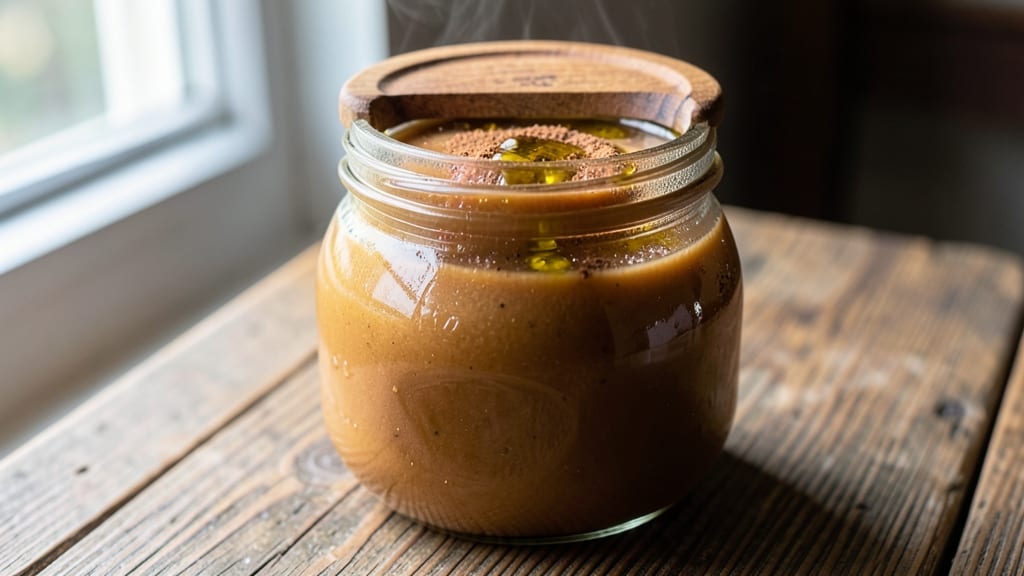
This apple sauce recipe to store transforms fresh fruit into a versatile condiment that keeps beautifully in the fridge, freezer, or even shelf-stable jars. 💛 The secret lies in proper cooking techniques and preservation methods—my grandmother's diner trick that's kept families fed for generations.
This recipe delivers smooth, naturally sweet apple sauce without added sugars, with flexibility for any storage preference.
Perfecting this sauce means balancing texture and flavor while ensuring safety during storage. You'll start with simple ingredients—just apples, lemon juice, and cinnamon—but the technique transforms them into a pantry staple. The cooking process removes excess moisture, creating a thick, spreadable consistency ideal for both short-term and long-term storage.
What makes this recipe professional-grade is its adaptability: refrigerate for up to two weeks, freeze for months, or process for shelf-stable jars that last over a year.
The key steps—proper canning times, sterile jars, and acidification—ensure safety without sacrificing taste. Every batch maintains that homemade quality while meeting modern food storage needs.
Whether you're prepping for holiday baking, stocking emergency pantry supplies, or simply want to reduce food waste, this apple sauce recipe delivers reliable results. The process is straightforward but built on techniques I learned working diner lines in Atlanta—where freshness and preservation went hand in hand.
Let's make sauce that lasts.
Ingredients for apple sauce recipe to store
Four pounds of apples, a splash of lemon, and cinnamon create this shelf-stable condiment masterpiece.
| Ingredient | Amount | Notes |
|---|---|---|
| Honeycrisp Apples 🍎 | 4 lb | Peeled, cored, chopped into even pieces |
| Fresh Lemon Juice 🍋 | ¼ cup | For acidification and brightness |
| Ground Cinnamon 🍃 | 2 tsp | Ceylon preferred for delicate flavor |
| Granulated Sugar 🍚 | ¼ cup | Optional, for texture adjustment |
| Extra-Virgin Olive Oil 🫒 | 1 tbsp | For jar sealing and moisture retention |
| Filtered Water 💧 | ½ cup | For moisture balance during cooking |
| Diamond Crystal Kosher Salt 🧂 | ½ tsp | For flavor enhancement and preservation |
| Ball Mason Jars (16 oz) 🥫 | 4 jars | For canning or storage |
Honeycrisp apples deliver that perfect balance of sweetness and tartness—the gold standard for sauce-making. Local farmers markets often have them at peak season, but any crisp variety (like Fuji or Gala) works in a pinch. Avoid red delicious—they turn mushy. For large batches, Costco's bulk apple bins save money, but wash thoroughly. The key is even chopping: 1/2-inch pieces cook uniformly. If using organic apples, no need to peel, but conventional apples should be peeled to remove wax residue that can inhibit texture.
No lemon juice? White vinegar at half the amount works for acidification, though flavor differs slightly. The sugar is optional but helps thicken the sauce—skip it for a more natural profile. Maple syrup can replace sugar 1:1 for a deeper flavor. For canning, proper acidification is critical: the lemon juice lowers pH to 4.6 or below, ensuring safety. If your apples are particularly tart, reduce lemon to 2 tbsp. The olive oil isn't just for flavor—it creates a protective barrier when sealing jars, preventing oxidation during storage. For a spice variation, swap cinnamon for 1 tsp vanilla extract or 1/4 tsp nutmeg.
This sauce maintains peak quality for 2 weeks refrigerated, 6 months frozen, or 18 months shelf-stable when processed correctly. For fridge storage, use airtight containers with 1/4-inch headspace. Freeze in ice cube trays for portion control—transfer cubes to bags once solid. For shelf-stable jars, process in a water bath for 15 minutes after filling. Always sterilize jars and lids: boil lids 10 minutes, jars in hot water. Label with date—shelf-stable sauce lasts 18 months unopened, but flavor peaks within 12 months. Refrigerate after opening.
Why You'll Love This Recipe
- Fridge Hero: I make a double batch and store it for weeks—no weird aftertaste, just sweet-tart apples that stay fresh. The olive oil keeps it silky, and the lemon juice stops browning like magic.
- Honeycrisp Magic: That crisp apple flavor? It’s the star. The Honeycrisp’s natural sweetness and snap make this sauce taste like autumn in a jar—no artificial junk, just real fruit.
- Pantry Staple Power: Spread it on toast, stir it into oatmeal, or drizzle it over yogurt. It’s my go-to for breakfast, snacks, or even a quick dessert—no fancy prep, just pure versatility.
- Budget-Friendly Luxury: Apples and cinnamon are cheap, but this tastes like a gourmet treat. I buy seasonal Honeycrisp in bulk, and one batch stretches for days—no wasted ingredients, just flavor.
Step-by-step instructions for preserving homemade apple sauce
Perfectly balanced acidity and texture ensure shelf stability while preserving natural flavor.
🍳 Step 1: Simmer Apples Until Tender
Combine the 4 lb Honeycrisp Apples, 0.5 cup Filtered Water, and 0.25 cup Fresh Lemon Juice in a large pot. Bring to a boil over medium-high heat, then reduce to medium-low heat and simmer uncovered for 25-30 minutes until apples break down completely. Stir occasionally to prevent sticking.
You'll know it's ready when the apples are fork-tender and the mixture resembles a thick, chunky purée. The lemon juice is crucial here—it lowers the pH, which is essential for safe storage. If the apples aren't breaking down quickly enough, add 1-2 tablespoons of water to help along the process.
👨🍳 Step 2: Season and Adjust Texture
Remove the pot from heat and stir in the 0.25 cup Granulated Sugar, 2 tsp Ground Cinnamon, and 0.5 tsp Diamond Crystal Kosher Salt. Taste and adjust sweetness if needed—remember, this is optional and can be omitted for a more natural flavor profile.
For a smoother texture, use an immersion blender to purée the mixture until completely smooth. If you prefer some texture, simply mash with a potato masher or leave some small chunks. The 1 tbsp Extra-Virgin Olive Oil should be added last—it helps seal the jars and prevents oxidation during storage.
🥘 Step 3: Prepare and Fill Mason Jars
Wash the 4 jars Ball Mason Jars (16 oz) with hot, soapy water and rinse thoroughly. Place a clean lid on each jar and set aside. Ladle the hot apple sauce into the jars, filling each to within ½ inch of the top. Use a wooden spoon to remove any air bubbles trapped in the sauce.
This headspace is critical for proper sealing. Wipe the jar rims with a damp cloth to ensure a clean seal. The hot apple sauce will help create a vacuum seal as it cools, which is essential for long-term storage. Don't skip this step—proper sealing prevents spoilage.
⏰ Step 4: Process Jars for Storage
Place the filled jars into a water bath canner, ensuring they're covered by at least 1 inch of water. Bring the water to a full rolling boil over high heat. Once boiling, process the jars for 15 minutes—this sterilizes the contents and creates a vacuum seal.
Use a jar lifter to carefully remove the jars from the canner and place them on a clean towel. Let them cool undisturbed for 12-24 hours—you'll hear the lids pop as they seal. Check each lid by pressing in the center: if it doesn't pop back, the jar didn't seal properly and should be refrigerated for short-term use.
🔪 Step 5: Store and Use Properly
Once sealed, store the jars in a cool, dark place for up to 12 months. For best quality, use within 6 months. If you prefer to refrigerate, store unopened jars in the fridge for up to 3 months or freeze for up to 12 months. The olive oil helps maintain freshness in all storage conditions.
To use, simply open a jar and spoon the apple sauce directly from the container. The texture remains consistent whether stored in the pantry, fridge, or freezer. This method ensures you'll always have homemade apple sauce on hand—perfect for baking, topping oatmeal, or pairing with cheese boards.
Pro Tips For Making Apple Sauce Recipe To Store
- PEEL AND CORE FAST: Cut apples into quarters first, then slice from the core outward—no peeling needed for Honeycrisp, but if you’re picky, use a paring knife to trim just the bruised spots. I learned this the hard way after spending 20 minutes peeling a whole batch only to realize the skin’s texture disappears anyway when cooked.
- SIMMER LOW AND LONG: Keep the heat at a bare simmer (tiny bubbles, barely moving) for at least 20 minutes after the apples break down. Rushing it leaves the sauce grainy and underdeveloped—like forcing a steak to medium-rare. The longer it cooks, the smoother and more caramelized the flavors get.
- SALT THE WATER: Add a pinch of salt (½ teaspoon) to the cooking water—yes, even for apples. It subtly enhances the sweetness and balances the acidity later. I skipped it once and the sauce tasted flat, like something was missing. Now I never forget.
- STORE IN SMALL BATCHES: Divide the sauce into 1-cup portions before freezing or refrigerating. When you’re ready to use it, just thaw one portion instead of defrosting a whole jar. My first attempt was one giant container, and by the time I got to the bottom, it had turned mushy and lost its shine.
Make-ahead tips for leftovers
Freezer Flexibility
Freezing apple sauce is my go-to method for long-term storage—it locks in flavor and texture perfectly. Portion into 1-cup ice cube trays first, then transfer cubes to ziplock freezer bags with all air squeezed out.
Label with the date—this sauce stays fresh for up to 12 months without losing quality. When ready to use, thaw overnight in the fridge or quickly in a bowl of warm water. 💫
For large batches, I use quart-sized freezer bags filled only halfway to prevent expansion cracks. The olive oil in the recipe creates a protective barrier that prevents freezer burn. When reheating, add a splash of water to restore smoothness if needed.
Shelf-Stable Secrets
Water bath canning extends shelf life to 18 months when done right. Process jars for 15 minutes after filling to ½ inch headspace—this creates a proper vacuum seal. I always use Ball brand jars with new lids for reliability.
Store in a cool, dark pantry where temperatures stay below 70°F. The lemon juice and proper processing ensure safe, long-term storage.
Check seals after cooling: press the center of each lid—if it doesn't pop back, refrigerate that jar within 1 week. For best flavor, use shelf-stable sauce within 12 months. The cinnamon and olive oil help preserve freshness during storage.
Fridge Freshness
Unopened jars keep for 3 months in the fridge, while opened jars last 2 weeks. I store mine in glass airtight containers with a layer of plastic wrap directly on the sauce surface to minimize oxidation.
The olive oil helps maintain moisture and flavor during refrigeration. For quick access, keep one jar in the fridge at all times.
When reheating fridge-stored sauce, warm gently on the stove over low heat with a splash of water to restore texture. Never microwave directly from the fridge—it can create a skin and uneven heating. Stir frequently to prevent scorching.
Nana Mae's Diner Trick
My grandmother always added 1 extra tablespoon of olive oil when storing apple sauce for the diner's weekly specials. She swore it kept the sauce tasting fresh for months.
The oil creates a protective layer that slows oxidation—the same reason we drizzle it on finished jars. This trick works for both fridge and freezer storage. 💛
For extra preservation, I sometimes add ¼ tsp vitamin C powder to each jar before sealing. It acts as a natural preservative while maintaining color. This was Nana Mae's secret for keeping her apple sauce perfect through Atlanta's hot summers.
Nutrition facts
Frequently asked questions
Can I use store-bought apple sauce instead of making my own?
Store-bought sauce works for quick use, but homemade has better texture and flavor control! The recipe's lemon juice and cinnamon create a brighter, more aromatic profile. Plus, you can adjust sweetness and thickness perfectly. For storage, homemade sauce lasts longer without preservatives.
How do I know if my canned apple sauce has spoiled?
Check for these signs: bulging lids, mold, or an off smell when opened. If the sauce looks cloudy or has a sour taste, discard it. The olive oil helps preserve freshness, but proper sealing is critical. Always refrigerate opened jars within 2 weeks for safety.
What's the best apple variety for long-term storage?
Honeycrisp or Fuji apples are ideal—they hold up best during cooking and maintain texture when stored. Avoid red delicious (they get mushy) or overly tart varieties. For extra preservation, use slightly underripe apples—they'll break down evenly during cooking.
Can I make this sauce without sugar?
Omit the sugar for a naturally sweet profile. The apples' natural sweetness will shine through. For texture, add 1 tbsp cornstarch during cooking to thicken. The lemon juice and cinnamon enhance sweetness without needing sugar.
Why did my apple sauce separate after freezing?
This happens when moisture expands during freezing. To fix it, stir in 1 tbsp water and reheat gently on low heat. For next time, add 1 tsp xanthan gum before freezing to prevent separation. The olive oil helps maintain stability, but proper portioning is key.