
Sauces & Condiments
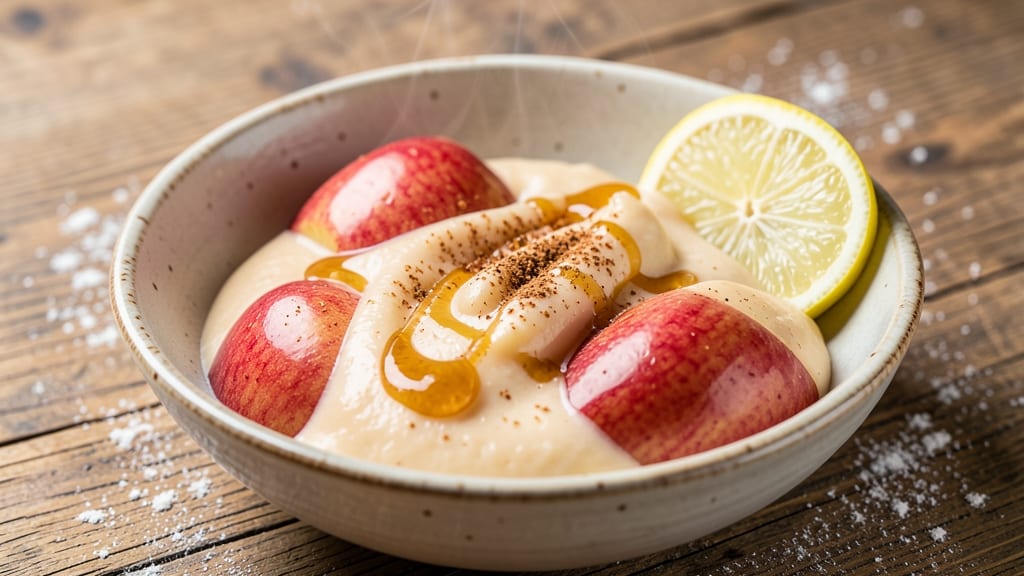
This apple sauce without sugar recipe transforms simple apples into a naturally sweet, spiced condiment that's perfect for everything from oatmeal to roasted pork. The secret lies in balancing ripe apples with warm cinnamon and a touch of lemon, creating depth without added sugar.
I developed this version after realizing how easy it is to achieve rich flavor using just the natural sweetness of perfectly ripe fruit.
The process is straightforward: peel, core, and simmer apples with just enough water to keep them tender, then blend until smooth. A pinch of cinnamon and a squeeze of lemon brighten the sauce, while a splash of apple cider vinegar helps balance acidity.
The result is a velvety, fragrant sauce that's naturally sweetened and packed with autumnal warmth.
What makes this recipe stand out is its versatility—use it as a topping for yogurt, stir it into baked goods, or serve it alongside savory dishes like pork tenderloin.
The texture is perfectly smooth, with just the right amount of body, and it keeps well in the refrigerator for up to a week. No refined sugar is needed when you start with the right apples and a few simple spices.
For those watching their sugar intake or following a vegan diet, this sauce is a game-changer. It delivers the same comforting sweetness as traditional versions but with none of the added sugar.
The key is choosing apples with natural sweetness, like Honeycrisp or Fuji, and letting them simmer until their flavors concentrate. Let's make this naturally sweetened apple sauce!
Ingredients for apple sauce without sugar
Eight simple ingredients create this velvety, naturally sweet apple sauce without refined sugar.
| Ingredient | Amount | Notes |
|---|---|---|
| Honeycrisp Apples 🍎 | 4 medium | Peeled and cored |
| Water 💧 | ½ cup | Or apple cider for depth |
| Apple Cider Vinegar 🍋 | 1 tbsp | Balances acidity naturally |
| Ground Cinnamon 🍃 | 1 tsp | Ceylon preferred for purity |
| Lemon Juice 🍋 | 1 tbsp | Freshly squeezed |
| Vanilla Extract 🌿 | ½ tsp | Pure vanilla preferred |
| Pinch of Salt 🧂 | ¼ tsp | Enhances natural sweetness |
| Optional Nutmeg 🌶️ | ⅛ tsp | Freshly grated for warmth |
The apples are the foundation—Honeycrisp or Fuji deliver the best natural sweetness. Local farmers markets often have ripe apples at peak season, or grab them from the produce section when they're firm but yielding to gentle pressure. Avoid apples that are rock-hard or overly soft. For maximum flavor, don't peel them until after cooking if you're using varieties like Gala or Braeburn, though Honeycrisp holds its texture better when peeled first. The cinnamon should be freshly ground if possible—pre-ground loses potency quickly, and Ceylon cinnamon has a more delicate flavor without the bitterness of cassia.
No apple cider vinegar? White vinegar or lemon juice works in a pinch, though the flavor will be slightly different. Short on vanilla? A pinch of vanilla bean powder or even a scraped vanilla bean pod adds depth without the liquid. The nutmeg is truly optional but adds that cozy autumnal note—if you skip it, just increase the cinnamon by a pinch. For a smoother texture, blend with a splash of water if needed, but this recipe naturally yields a velvety consistency. If your apples are particularly tart, add an extra tablespoon of lemon juice or a pinch more cinnamon to balance flavors.
This sauce thickens as it cools, so stir in a splash of water if it becomes too thick after refrigeration. Store in an airtight container in the fridge for up to 1 week—it actually improves overnight as flavors meld. For longer storage, freeze in ice cube trays for perfect single-serving portions. The sauce reheats beautifully—just warm gently on the stove with a splash of water if it thickens. Use within 3 months of freezing for best quality. The natural sweetness concentrates over time, so leftovers often taste even better the next day.
Why You'll Love This Recipe
- Five-Ingredient Magic: That’s all it takes—peel, core, chop, simmer. No fancy gadgets, no stress. I swear by Honeycrisp apples here because they stay stupidly tender while cooking, and the vinegar keeps it from turning into glue.
- Cinnamon-Kissed Brightness: The lemon juice cuts through the sweetness of the apples while the cinnamon adds this warm, cozy depth—like autumn in a jar. Honestly, it’s the kind of flavor that makes you pause mid-spoonful just to appreciate it.
- Pantry Staple Power: This sauce is my go-to for oatmeal, yogurt, or even swirled into coffee when I’m craving something comforting. And between us? It’s the only apple sauce I buy anymore because I can’t resist making it fresh.
- Zero-Waste Win: Use up those slightly bruised apples you’d normally toss. A big batch keeps for weeks in the fridge, and it’s cheaper than store-bought—plus, no weird additives. My wallet and my taste buds both thank me.
Step-by-step instructions for naturally sweetened apple sauce
Here's the method for transforming Honeycrisp apples into velvety, naturally sweetened sauce.
Prepare and Cook the Apples
Core and peel the 4 medium Honeycrisp Apples, then cut them into even ½-inch chunks. This size ensures consistent cooking and smooth texture. Place the apple pieces in a medium saucepan with the 0.5 cup Water and bring to a gentle boil over medium-high heat.
Once boiling, reduce heat to medium-low and let the apples simmer uncovered for 10-12 minutes. You'll know they're ready when a fork slides in easily and the apples have broken down into a thick, chunky mixture. The natural sweetness will intensify as they cook, so resist the urge to add sugar.
Add Acid and Spices for Balance
Stir in the 1 tbsp Apple Cider Vinegar and 1 tbsp Lemon Juice—this brightens the flavor and prevents the sauce from tasting flat. Add the 1 tsp Ground Cinnamon and 0.25 tsp Pinch of Salt, stirring gently to distribute evenly. If using, sprinkle in the 0.125 tsp Optional Nutmeg for warmth.
Simmer uncovered for another 5-7 minutes until the sauce thickens slightly and the flavors meld. The vinegar and lemon juice will help balance the natural sweetness while the cinnamon adds depth. Taste occasionally—you're aiming for a harmonious blend of tart, sweet, and spiced notes without added sugar.
Finish with Vanilla and Adjust Texture
Remove the pan from heat and stir in the 0.5 tsp Vanilla Extract. Let the sauce sit for 2-3 minutes—this allows the vanilla to infuse fully. If the sauce is too thick, add 1-2 tablespoons of water to reach your preferred consistency. For a smoother texture, use an immersion blender to puree slightly, or leave it chunky for rustic appeal.
Return to low heat just long enough to warm through if needed, then taste again. The natural sweetness of Honeycrisp apples should shine through, enhanced by the spices and acid. If it tastes too tart, add a pinch more cinnamon or a splash of water to dilute. If it needs more depth, a tiny bit of vanilla or a pinch of salt can help.
Cool and Store for Best Results
Transfer the apple sauce to a clean jar or bowl and let it cool to room temperature. The flavors will continue developing as it cools, becoming even more balanced. For the best texture, refrigerate for at least 1 hour before serving—this allows the starches to fully set and the sauce to thicken naturally.
This sugar-free apple sauce keeps well in the refrigerator for up to 1 week or can be frozen for 3 months. The natural sweetness and warm spices make it perfect for oatmeal, toast, or as a topping for yogurt. The key to success lies in the Honeycrisp variety—their natural sweetness and low acidity create a sauce that doesn't need sugar to taste delicious.
Pro Tips For Making Apple Sauce Without Sugar
- PEEL AND CORE THICK SKIN: Honeycrisp apples have tough skin that won’t soften properly—skip peeling, but cut out the core and the thick stem end (it’s woody and bitter). I learned this the hard way when my first batch tasted like apple pulp and regret.
- SIMMER LOW AND LONG: Start with a hard boil, but once the apples break down, drop the heat to the lowest setting you can tolerate. Rushing this step turns your sauce into mush instead of a smooth, velvety texture—think 20-25 minutes total, not 15.
- ACIDIFY IN STAGES: Add the apple cider vinegar and lemon juice after the apples have softened, not at the start. This keeps the bright flavor from evaporating into the air while cooking, and you’ll taste a cleaner tang in the final sauce—no need to double up.
- STRAIN THEN BLEND: Use a fine-mesh sieve to strain the cooked apples first, then pulse in a blender for a silky finish. Skipping the straining step leaves you with a chunky, uneven texture, and blending raw chunks just makes your kitchen smell like a science experiment gone wrong.
Regional styles of apple sauce without sugar
New England Classic
In the Northeast, apple sauce often gets a cozy twist with McIntosh apples, which are tart and perfect for balancing with extra spices. I like adding ½ tsp cardamom alongside the cinnamon for a sophisticated touch—this variation was inspired by my grandmother's recipe from Maine.
Serve it warm with baked beans or as a topping for cornbread during Thanksgiving. The cardamom adds a subtle floral note that pairs beautifully with the apples' natural sweetness.
For an authentic regional touch, use apple cider from a local orchard instead of vinegar—it adds depth and ties into the harvest season. The sauce thickens more naturally with this approach, creating a rustic texture that's perfect for spooning over roasted pork or mashed potatoes.
I often double the cinnamon to 1½ tsp when using McIntosh apples to compensate for their tartness without sugar.
Southern Comfort Style
Down South, apple sauce often gets a smoky kick with ½ tsp smoked paprika or a pinch of chipotle powder, transforming it into a versatile condiment for BBQ dishes.
I first tried this variation at a food truck in Nashville and fell in love with how it elevated pulled pork sandwiches. The smokiness complements the natural sweetness while adding complexity. Use Granny Smith apples for their tartness to balance the heat.
For a true Southern twist, stir in 1 tbsp molasses after cooking to deepen the flavor without refined sugar. This adds a caramel-like richness that pairs perfectly with fried chicken or mac and cheese.
The molasses also helps create a glossy finish that makes the sauce look as good as it tastes. I like serving it slightly warm to let the smoky notes shine through.
European Simplicity
In Germany, apple sauce is often made with Boskop apples, which hold their shape beautifully when cooked. The traditional approach skips added spices entirely, relying on the apples' natural sweetness and a touch of vanilla bean for warmth.
I adapted this style by using ½ tsp vanilla bean paste instead of extract for a more intense flavor. This version is perfect for pairing with sausages or roasted duck.
For an Italian-inspired twist, add ½ tsp orange zest and a splash of dry white wine while cooking to brighten the sauce. This variation works beautifully with polenta or as a topping for ricotta cheese on toast.
The wine adds acidity that cuts through the apples' natural sweetness, creating a balanced flavor profile that feels both elegant and approachable.
Autumn Harvest Twist
During fall, I love experimenting with spiced apple sauce by adding ½ tsp allspice and ¼ tsp ginger to the cinnamon blend. This combination creates a warm, almost chai-like flavor that's perfect for the season.
Use Braeburn apples for their crisp texture and balanced sweetness. The allspice adds a subtle piney note that pairs beautifully with roasted squash or stuffed acorn squash.
For a festive touch, garnish with a sprinkle of toasted pecans or pumpkin seeds before serving. The crunch contrasts beautifully with the smooth sauce and adds a nutty depth.
I also like serving this version with warm apple cider** for dipping—it's a cozy autumn tradition that feels special without being complicated.
Nutrition facts
Frequently asked questions
Can I use any apple variety for this sugar-free sauce?
Not all apples work equally well! For the best natural sweetness without sugar, choose Honeycrisp, Fuji, or Gala apples—they're naturally sweeter and lower in acidity. Tart varieties like Granny Smith need extra cinnamon or a splash of lemon to balance their sharpness. Avoid overly mealy apples like Red Delicious as they break down too quickly.
Why does my homemade apple sauce taste bland?
Blandness usually means your apples weren't ripe enough or the sauce needs more acid/spice balance. Try adding 1 extra tbsp lemon juice or ½ tsp cinnamon during cooking. Also ensure your apples were simmered long enough (15-20 minutes total) to concentrate their natural sweetness. For depth, a pinch of salt or a dash of vanilla extract works wonders!
How can I make this sauce thicker or thinner?
Thickness adjusts easily! For a thicker sauce, simmer uncovered for 5-10 extra minutes to evaporate liquid. If too thick after cooling, stir in 1-2 tbsp water or apple cider while warm. For a thinner consistency, add liquid during cooking. The sauce naturally thickens as it cools, so plan accordingly.
Can I substitute the apple cider vinegar?
If you don't have apple cider vinegar, use white vinegar or lemon juice in equal amounts. For a milder taste, try dry white wine (reduce by half) or even a splash of orange juice. The key is balancing acidity—start with 1 tbsp and adjust to taste. Avoid skipping this step entirely as it prevents flat flavors.
Is this apple sauce safe for diabetics?
While this recipe contains no added sugar, diabetics should monitor portion sizes due to natural fruit sugars. The sauce contains about 15g carbs per ¼ cup serving (mostly from apples). Pair with protein/fiber (like nuts or Greek yogurt) to help manage blood sugar. For lower-carb options, try blending with 1 tbsp chia seeds or flaxseed to add fiber.