
Sauces & Condiments
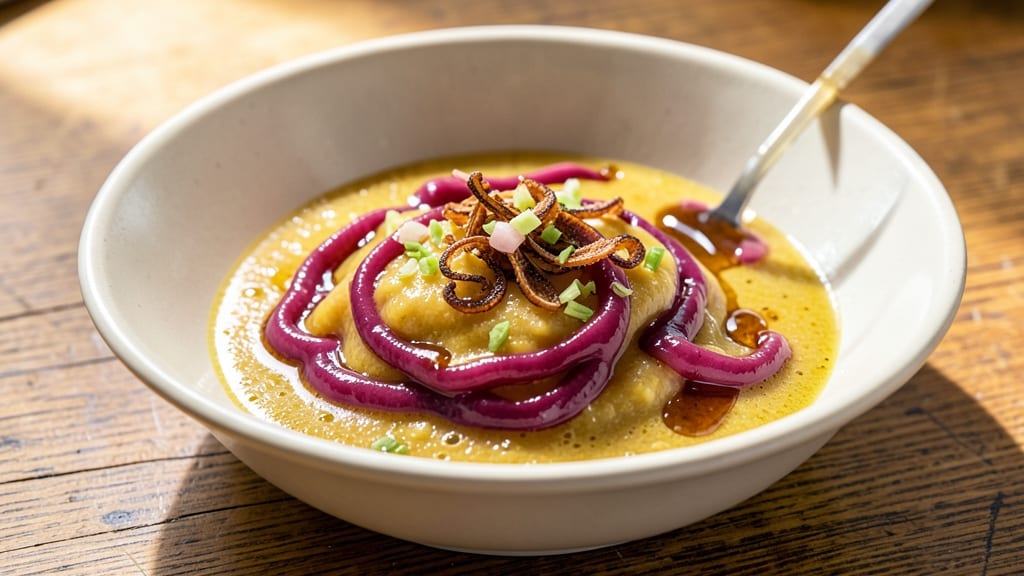
This Asian pineapple sauce recipe transforms simple ingredients into a vibrant, sweet-tart glaze that elevates everything from grilled meats to fresh spring rolls.
The perfect balance of tropical pineapple, aromatic ginger, and a hint of chili creates a sauce that's both bold and versatile—ideal for marinades, dipping, or finishing dishes with a bright, tangy kick.
What makes this recipe stand out is its adaptability: adjust the sweetness or heat to suit any palate while keeping the process straightforward and foolproof.
The foundation of this sauce lies in its core ingredients—ripe pineapple purée, rice vinegar, and a touch of honey or brown sugar to create that signature sweet-tart harmony. Fresh ginger and garlic add depth, while a splash of soy sauce ties everything together with umami richness.
The secret to achieving the right texture lies in simmering the mixture until it thickens just enough to coat the back of a spoon, ensuring it clings beautifully to whatever you're serving. This isn't just a sauce; it's a flavor enhancer that turns ordinary dishes into standout meals.
Once you've mastered the base, the possibilities are endless. Use it as a glaze for grilled chicken or pork, a dipping sauce for spring rolls or dumplings, or even a marinade for tofu or shrimp.
The sauce keeps well in the refrigerator for up to a week, making it perfect for meal prep, or you can jar it for longer storage. With just 15 minutes of active time and a handful of pantry staples, you'll have a sauce that's restaurant-quality but entirely homemade.
What sets this recipe apart is its flexibility—scale it up for a crowd or down for a quick weeknight dinner. The celery pepper zest adds a subtle, refreshing note that brightens the sauce without overpowering its tropical sweetness.
Whether you're hosting a dinner party or simply craving a flavor boost, this pineapple sauce delivers a punch of flavor that's impossible to resist.
Ingredients for asian pineapple sauce
Nine simple ingredients create a vibrant, restaurant-quality glaze for grilled meats and spring rolls.
| Ingredient | Amount | Notes |
|---|---|---|
| Ripe Pineapple Purée 🍍 | 1 cup | Fresh or canned, no sugar added |
| Rice Vinegar 🍶 | ½ cup | White or seasoned variety |
| Honey 🍯 | ¼ cup | Or brown sugar for depth |
| Fresh Ginger 🧄 | 2 tbsp | Grated, aromatic variety |
| Garlic Cloves 🧄 | 3 cloves | Minced for depth |
| Soy Sauce 🍜 | 2 tbsp | Light or dark preferred |
| Celery Pepper Zest 🧅 | 1 tbsp | Freshly grated for brightness |
| Red Chili Flakes 🌶️ | 1 tsp | Adjust for heat preference |
| Extra-Virgin Olive Oil 🫒 | 1 tbsp | For richness and balance |
| Salt 🧂 | ½ tsp | Kosher or sea salt |
The pineapple purée is the heart of this sauce—look for ripe, fresh pineapple or high-quality canned purée without added sugar. Trader Joe's and Costco often carry great options, but any ripe pineapple works. Fresh ginger and garlic should be vibrant and aromatic; peel the ginger with a spoon to avoid the tough skin. The celery pepper zest is non-negotiable—it adds a subtle, refreshing note that brightens the sauce without overpowering. If you can't find celery pepper, substitute with a mix of celery and black pepper.
No honey? Brown sugar or maple syrup works just as well for depth. Short on rice vinegar? Apple cider vinegar or lime juice adds tang, though rice vinegar's mild sweetness is ideal. The soy sauce can be swapped for coconut aminos if you're avoiding soy. For extra heat, add a dash of sriracha or fresh chili. The olive oil is key for richness—use a fruity, extra-virgin variety to complement the tropical flavors. If you're making a large batch, consider doubling the ingredients for easy storage.
This sauce thickens as it cools, so simmer until slightly reduced for the perfect consistency. Store in an airtight container in the fridge for up to 1 week, or freeze for 3 months. It reheats beautifully—just warm gently on the stove or microwave. For a restaurant-quality finish, drizzle over grilled meats or use as a dipping sauce for spring rolls. The celery pepper zest can be prepped ahead and stored in the freezer for convenience.
Why You'll Love This Recipe
- No Blender Needed: I swear by this version—just mash the pineapple with a fork, then stir in the rest. That ginger-garlic punch hits different when you don’t overprocess it, and honestly? The texture stays just thick enough to cling to everything.
- Sweet-Savory Magic: The honey and rice vinegar balance is chef’s kiss—bright, tangy, with that deep warmth from the garlic. I’ll be real: I’ve tried store-bought versions, and none taste like this homemade mix where the ginger’s zing cuts through the sweetness.
- Dress-Up Any Meal: Slather it on grilled chicken, drizzle over rice bowls, or toss with noodles—it’s my go-to for weeknight dinners and potlucks. Even my picky teenager sneaks extra when I serve it with takeout.
- Lasts All Week: Makes enough for leftovers (trust me, it disappears fast), and the flavors only get better as the vinegar mellows. Plus, pineapple purée is cheap—this sauce costs pennies compared to bottled versions, and I’ll never buy those again.
Step-by-step instructions for sweet-tart Asian pineapple glaze
This vibrant sauce balances sweetness and acidity with aromatic ginger and celery pepper zest.
Bloom the Aromatics in Olive Oil
Heat the 1 tablespoon extra-virgin olive oil in a medium saucepan over medium-low heat. Add the 3 minced garlic cloves and 2 tablespoons fresh ginger, stirring constantly for 1-2 minutes until fragrant but not browned. The ginger should release its bright, citrusy aroma while the garlic just begins to soften.
Watch the heat carefully—ginger burns quickly. If it starts to darken, reduce the heat immediately. This step builds the sauce's aromatic foundation that carries through every drop. The oil should be shimmering but not smoking when you add the next ingredients.
Combine Wet Ingredients and Simmer
Pour in the 1 cup ripe pineapple purée, 0.5 cup rice vinegar, and 0.25 cup honey, stirring to combine. Add the 2 tablespoons soy sauce and 0.5 teaspoon salt, then bring the mixture to a gentle simmer over medium heat. Let it cook uncovered for 8-10 minutes until it reduces by about one-third and thickens slightly.
You'll notice the sauce darkening slightly as it reduces, developing deeper caramelized notes. Stir occasionally to prevent sticking, especially as the vinegar's acidity intensifies. The mixture should coat the back of a spoon but still be pourable. Here's where the sweet-tart balance starts to emerge.
Incorporate the Zesty Finishing Touches
Remove the pan from heat and let the sauce cool for 2 minutes. Stir in the 1 tablespoon celery pepper zest and 1 teaspoon red chili flakes, mixing until fully incorporated. The zest adds a bright, almost citrusy freshness that cuts through the sweetness, while the chili flakes introduce subtle heat.
For maximum flavor impact, I recommend letting the sauce sit for 10-15 minutes at room temperature before using. This allows all the components to meld together, with the vinegar's acidity softening slightly and the ginger's heat mellowing into the background. The sauce should have a glossy sheen and a consistency between syrup and light glaze.
Adjust Consistency and Heat to Taste
If the sauce is too thick for your application, thin it with 1-2 teaspoons hot water at a time, stirring until smooth. For extra heat, add another ¼ teaspoon chili flakes. If you prefer less sweetness, increase the rice vinegar by 1 tablespoon and simmer for an additional 2 minutes to reduce.
Taste and balance the flavors: the pineapple should be prominent but not overpowering, the vinegar should be noticeable but not sour, and the ginger-chili combination should add complexity without dominating. This sauce works beautifully as a glaze for grilled meats, a dipping sauce for spring rolls, or a finishing drizzle for Asian-inspired dishes.
Pro Tips For Making Asian Pineapple Sauce
- Simmer Slow and Low: I learned this the hard way—boiling this sauce on high turns it into a sad, thin glaze. Instead, keep the heat at a gentle simmer (just bubbles breaking occasionally) for 10-12 minutes. That’s where the flavors meld and the ginger’s bite softens without disappearing.
- Peel That Ginger: Skipping the peel? You’re missing the real depth. Fresh ginger’s outer skin holds more heat and complexity than the pale center—especially in this sauce. Use a spoon to scrape off just the thin outer layer, leaving the rest intact. (Yes, it looks weird, but it works.)
- Taste Before You Sweeten: Dumping in all the honey at once guarantees a cloying mess. After adding rice vinegar and ginger, taste the raw mixture—you’ll likely need less honey than you think. Balance is everything; start with 2 tablespoons and adjust.
- Blend the Garlic: Minced garlic burns faster than you’d expect in this sauce. Save yourself from bitter notes by crushing the cloves with the flat side of your knife first, then blending them into the purée before cooking. No blender? A mortar and pestle works—just don’t rush it.
Best sauces and condiments for this asian pineapple sauce
Sweet-Tart Glaze Perfection
This sauce excels as a glaze for grilled meats—think pork chops or shrimp skewers. Brush it on 10-15 minutes before cooking for a caramelized crust. The pineapple's natural sugars create a beautiful sheen while the ginger and chili add depth.
I love using it on boneless pork chops, basting them every 3-4 minutes over medium-high heat. 🔥
Dipping Sauce Magic
For spring rolls or dumplings, thin the sauce slightly with 1-2 teaspoons water until it reaches a light syrup consistency. Serve it in a small bowl with a celery pepper garnish and a sprinkle of sesame seeds.
The tangy-sweet balance cuts through fried foods beautifully. I often double the batch for parties—it disappears fast! ✨
Marinade for Tender Meats
Use this sauce as a marinade for chicken or tofu by adding 1 tablespoon cornstarch to thicken it slightly. Let proteins marinate for at least 30 minutes (or up to 4 hours in the fridge).
The acidity tenderizes while the pineapple adds tropical brightness. I recommend using it on boneless chicken thighs for extra juiciness.
Fruit Salad Brightener
Drizzle over mango or papaya salads for a refreshing twist. The sweet-tart contrast elevates fresh fruit dishes instantly. Toss 2 cups cubed pineapple with 1 tbsp lime juice and 1 tbsp of this sauce for a 5-minute dessert that feels gourmet. Garnish with mint leaves for a restaurant-worthy touch. 🌟
Rice Bowl Elevator
Stir 2-3 tablespoons into steamed rice for an instant Asian-inspired rice bowl. Add grilled chicken, steamed broccoli, and sesame seeds for a complete meal.
The sauce's umami from soy sauce pairs perfectly with rice's mild flavor. I often make a big batch to keep on hand for quick lunches.
Storage Secrets
Store in an airtight container in the fridge for up to 1 week. For longer storage, freeze in ice cube trays—thaw and reheat gently for perfect consistency.
The sauce thickens as it cools, so thin with water if needed. I always keep a jar in my pantry for spontaneous flavor boosts. 💫
Nutrition facts
Frequently asked questions
Can I substitute fresh pineapple for canned pineapple purée?
For fresh pineapple, blend 1.5 cups peeled and chopped ripe pineapple until smooth, then strain to remove any fiber. Fresh pineapple adds a brighter, more vibrant flavor, but canned purée works perfectly when you need convenience. Just ensure it's labeled "no sugar added" to maintain the right balance in your sauce.
How do I adjust the sweetness or heat level?
For less sweetness, increase the rice vinegar by 1 tablespoon and simmer for an extra 2 minutes to reduce. For more heat, add ¼ teaspoon chili flakes or a dash of sriracha. If you prefer a milder sauce, reduce the chili flakes to ½ teaspoon or omit them entirely. The sauce's balance is key—taste as you go!
Why did my sauce turn out too thin?
This usually happens if you didn't simmer the sauce long enough to reduce it. Next time, cook it uncovered for 10-12 minutes until it thickens slightly. If it's already too thin, simmer it again for 3-5 minutes to evaporate excess liquid. For immediate results, mix 1 teaspoon cornstarch with 1 tablespoon water, stir into the sauce, and cook for 1 minute until thickened.
Can I make this sauce without soy sauce?
Yes! For a soy-free version, replace the 2 tablespoons soy sauce with 2 tablespoons coconut aminos or 1 tablespoon fish sauce (for umami depth). If avoiding both, use 1 tablespoon additional rice vinegar and ½ teaspoon extra salt to compensate for the missing umami. The sauce will still taste delicious—just slightly less complex.
How can I use this sauce in vegetarian dishes?
This sauce is fantastic with tofu, tempeh, or grilled vegetables like eggplant or bell peppers. Use it as a marinade (add 1 tablespoon cornstarch to thicken) or glaze (brush on 5-10 minutes before grilling). It also pairs beautifully with stir-fried noodles or as a dipping sauce for spring rolls. The tangy-sweet profile works wonderfully with plant-based proteins!