
Sauces & Condiments
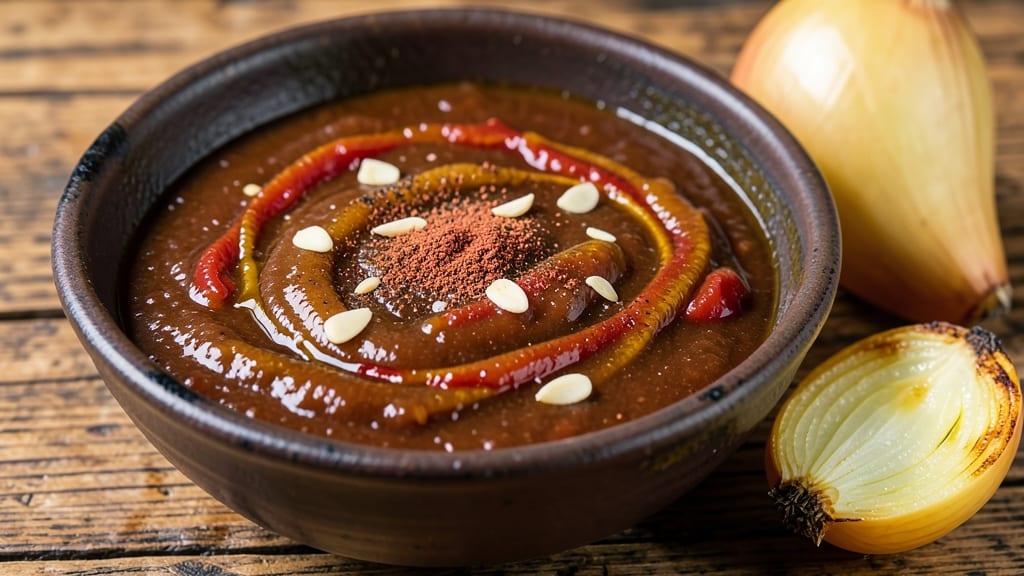
This bbq sauce recipe no apple cider vinegar delivers deep, bold flavors without apple cider vinegar—perfect for grilling, slow-cooked meats, or dipping. The secret lies in balancing white vinegar, molasses, and brown sugar for that classic sweet-tangy profile, while smoked paprika and a touch of liquid smoke add authentic depth.
I developed this recipe after realizing many traditional BBQ sauces rely too heavily on apple cider, limiting versatility in both flavor and storage. The foundation is simple: crushed tomatoes, brown sugar, and white vinegar create the core sweetness and tang, while garlic, onion, and spices build complexity.
A 30-minute simmer reduces the sauce to a thick, glossy consistency that clings beautifully to ribs, chicken, or pulled pork. The addition of liquid smoke or chipotle powder ensures that smoky flavor we all crave in great BBQ sauce. What sets this apart is its versatility and longevity.
Unlike sauces with apple cider vinegar, this version stays fresh in the fridge for up to 2 weeks or can be canned for longer storage. The flavor develops even more richness over time, making it ideal for meal prep or gifting.
Whether you're slathering it on grilled brisket or basting wings, this sauce delivers restaurant-quality results every time. For extra depth, consider adding a splash of red wine or a pinch of black pepper during the final simmer. The possibilities are endless, but the base remains foolproof—just simmer, taste, and adjust.
Let’s make sauce that stands up to any cookout or weeknight meal.
Ingredients for bbq sauce recipe no apple cider vinegar
Nine simple ingredients transform into rich, smoky BBQ sauce without apple cider vinegar.
| Ingredient | Amount | Notes |
|---|---|---|
| Crushed Tomatoes 🍅 | 2 cups | High-quality canned preferred |
| White Vinegar 💧 | ½ cup | For tangy balance |
| Brown Sugar 🍚 | ¾ cup | Light or dark variety |
| Molasses 🍯 | ¼ cup | Unsulphured preferred |
| Smoked Paprika 🌶️ | 2 tbsp | For smoky depth |
| Garlic Cloves 🧄 | 4 cloves | Minced for even distribution |
| Yellow Onion 🧅 | ½ whole | Diced for base flavor |
| Liquid Smoke 🔥 | 1 tbsp | Adjust for smokiness |
| Salt 🧂 | 1 ½ tsp | Diamond Crystal preferred |
| Black Pepper 🌶️ | ½ tsp | Freshly ground preferred |
The crushed tomatoes are the heart of this sauce—Muir Glen or Hunts are my go-tos, but any good-quality canned works. White vinegar is key here; distilled white vinegar gives the cleanest tang without overpowering. Brown sugar and molasses? Don’t skimp. Trader Joe’s has a great unsulphured molasses that’s perfect. Smoked paprika can be found in the spice aisle, but Penzeys has a deeper, more complex version if you want to splurge. The liquid smoke is what really elevates this—Kikkoman is the brand I always grab, but any food-grade liquid smoke will work.
No white vinegar? Apple cider vinegar or red wine vinegar works in a pinch, though the flavor will shift slightly. Short on molasses? Maple syrup at half the amount gets you close, but it’ll be sweeter. The garlic and onion can be swapped for 1 tbsp garlic powder and 1 tbsp onion powder if you’re in a rush, though fresh is always better. Want more heat? Add ½ tsp cayenne pepper or a pinch of chipotle powder. The sauce thickens as it cools, so if it’s too thin after simmering, mix in 1 tsp cornstarch with 1 tbsp water and stir it back in.
This sauce keeps beautifully—2 weeks in the fridge or 6 months in the freezer. I like to portion it into small jars so it’s ready for quick meals. If you’re gifting it, sterilized jars with a water bath make it last even longer. The flavor actually improves over time, so don’t hesitate to make a big batch. Once opened, just give it a quick stir to redistribute any spices that might settle.
Why You'll Love This Recipe
- Pantry Magic: I swear by this sauce—no special shopping trip needed. The crushed tomatoes and white vinegar give it that tangy backbone, while the brown sugar and molasses melt together like a secret weapon.
- Smoky Sweet Heat: That smoked paprika? It’s the star. One whiff and you’re transported to a backyard cookout, but with a depth that store-bought sauces can’t touch. It’s rich, caramelized, and just spicy enough to linger.
- Weeknight Wonder: Slap it on ribs, chicken, or even roasted veggies—no fuss, no stress. Honestly, I’ve used it as a glaze for brussels sprouts (yes, really) and it still brings the crowd.
- Leftover Goldmine: Make a big batch—it tastes even better the next day. I keep a jar in my fridge for emergencies, and it’s the only sauce my picky husband won’t complain about. Budget-friendly? Absolutely. Worth it? Always.
Step-by-step instructions for smoky tomato BBQ sauce
This sauce delivers deep, smoky flavor without apple cider vinegar—just simple pantry staples and bold technique.
Sauté Aromatics Until Fragrant
Heat a medium saucepan over medium heat and add 2 tablespoons olive oil. Once shimmering, add the ½ whole yellow onion and 4 cloves garlic cloves that you've minced. Cook for 5-6 minutes until the onion becomes translucent and the garlic releases its aroma—you'll smell that sweet, pungent scent. This step builds the flavor foundation, so don't rush it.
I like to press the garlic into the onion with a wooden spoon to help it break down faster. If the onions start to brown too quickly, reduce the heat to medium-low. The goal is to develop flavor, not color. Once the garlic is golden and fragrant, you're ready for the next step.
Build the Sauce Base with Tomatoes and Vinegar
Add the 2 cups crushed tomatoes and ½ cup white vinegar to the pan. Stir well to combine, scraping up any browned bits from the bottom—those contain concentrated flavor. Bring the mixture to a gentle boil, then reduce heat to medium-low and let it simmer uncovered for 10 minutes.
This simmering time allows the tomatoes to break down and release their natural sweetness. You'll notice the sauce thickening slightly and developing a rich, tangy aroma. If the sauce reduces too quickly, add 1-2 tablespoons water to keep it moving. The vinegar here provides the necessary acidity that apple cider vinegar would normally give, balancing the sweetness.
Sweeten and Add Smoky Depth
Stir in the ¾ cup brown sugar, ¼ cup molasses, and 2 tablespoons smoked paprika. The mixture will look thick and syrupy at first, but keep stirring as it comes back to a simmer. Add the 1 tablespoon liquid smoke and 1½ teaspoons salt, then let the sauce cook uncovered for another 15-20 minutes.
Here's where the magic happens—the sugar and molasses caramelize, deepening the sauce's color and flavor. Stir occasionally to prevent sticking, and watch for a glossy sheen that indicates the sauce is thickening properly. The smoked paprika and liquid smoke work together to create that authentic BBQ smokiness without needing a smoker.
Season and Simmer to Perfection
Once the sauce has thickened to your desired consistency—it should coat the back of a spoon but still be pourable—add the ½ teaspoon black pepper. Taste and adjust seasoning: you might need a bit more salt to balance the sweetness, or perhaps a splash more vinegar if it's too rich. Return to a gentle simmer for 5 more minutes to let all the flavors meld together.
For the perfect finish, I like to let the sauce sit off the heat for 10 minutes before using it. This resting time allows the flavors to fully develop and the sauce to thicken slightly more. If it becomes too thick while cooling, simply stir in a tablespoon or two of water to reach your preferred consistency. This sauce keeps well in the refrigerator for up to 2 weeks, so you can make a big batch and enjoy it over time.
Pro Tips For Making Bbq Sauce Recipe No Apple Cider Vinegar
- Simmer Slow and Steady: I learned this the hard way—rushing the sauce on high heat turns it into syrup. Keep it at a gentle boil for at least 20-25 minutes, stirring occasionally, until it thickens enough to coat the back of a spoon. The longer it simmers, the deeper the flavor.
- Reduce Vinegar Gradually: White vinegar is strong stuff, and dumping it all in at once can overwhelm the sauce. Add half the amount first, taste it, then adjust as you go. You’re aiming for tangy, not sour—trust your palate, not the recipe.
- Toast the Smoked Paprika: This isn’t just about flavor—it’s about aroma. Dry-toast the smoked paprika in a small pan over low heat for 2-3 minutes until it smells rich and earthy. Skip this, and your sauce will taste flat, even if the ingredients are good.
- Strain Out the Skins: Crushed tomatoes leave behind seeds and skins, which turn the sauce grainy over time. After simmering, strain it through a fine-mesh sieve or cheesecloth for a smooth, professional finish. Yes, it’s an extra step, but it’s worth it.
Flavor customization for this bbq sauce recipe no apple cider vinegar
Sweet-Tangy Balance
Adjust the sweetness-to-tang ratio by swapping ingredients. For a bolder tang, increase white vinegar by 1-2 tablespoons while reducing brown sugar by 1 tablespoon. If you prefer less sweetness, cut molasses to 2 tablespoons and add 1 teaspoon Dijon mustard for depth.
I often test small batches first—taste as you go! 💛
Smoky Intensity
Want more smokiness? Add ½ teaspoon chipotle powder or 1 extra tablespoon liquid smoke for a deeper barbecue flavor. For milder smoke, reduce liquid smoke to ½ tablespoon and use 1 teaspoon smoked paprika instead.
The key is balance—too much liquid smoke can taste artificial, while too little leaves it flat.
Spice Variations
Add heat with ½ teaspoon cayenne pepper or 1 teaspoon hot sauce (like Frank’s RedHot). For earthy warmth, stir in 1 teaspoon ground cumin or ½ teaspoon cinnamon. I love a pinch of allspice for a unique twist—it adds complexity without overpowering. Adjust to taste after simmering.
Flavor Boosters
Brighten the sauce with 1 tablespoon red wine or 1 teaspoon balsamic vinegar for a sophisticated touch. For umami depth, add 1 teaspoon soy sauce or ½ teaspoon Worcestershire sauce.
A splash of orange juice (about 1 tablespoon) adds freshness, especially for pulled pork or grilled chicken. Always taste before finalizing!
Regional Twists
For a Kansas City-style sauce, add 1 teaspoon black pepper and ½ teaspoon mustard powder. A Carolina-inspired version calls for 1 teaspoon celery salt and ½ teaspoon black pepper.
In Texas, chipotle powder and a dash of cinnamon are classic. Each region tweaks the base—experiment to find your favorite! 🌶️
Storage Hacks
This sauce thickens as it cools, so store it in airtight glass jars in the fridge for up to 2 weeks. For longer storage, freeze in ice cube trays—perfect for portion control!
Reheat gently on the stove, stirring in 1 tablespoon water if needed. The flavors deepen over time, making it even better after a few days. 💡
Nutrition facts
Frequently asked questions
Can I substitute white vinegar with another acid?
Yes! For a slightly different flavor profile, use red wine vinegar or lemon juice instead of white vinegar. Red wine vinegar adds depth, while lemon juice brightens the sauce. Use the same ½ cup measurement, but taste as you go—lemon juice may require a pinch of salt to balance the acidity.
Why does my sauce turn out too thin?
Sauce thickness depends on simmering time and sugar reduction. If yours is too thin, simmer uncovered for 5-10 more minutes or stir in 1 teaspoon cornstarch mixed with 1 tablespoon water. For next time, increase brown sugar to ¾ cup + 1 tablespoon to ensure proper thickening.
How can I make this sauce spicier?
Add ½ teaspoon cayenne pepper or 1 teaspoon hot sauce during the final 5-minute simmer. For smoky heat, swap 1 tablespoon liquid smoke for ½ teaspoon chipotle powder. Always taste first—spices intensify as the sauce cools!
Can I use this sauce on vegetables?
This sauce works beautifully on grilled vegetables like portobello mushrooms, bell peppers, or asparagus. For extra adhesion, toss veggies in 1 tablespoon olive oil before grilling. The smoky-sweet flavor pairs well with roasted or charred produce.
How do I adjust the sweetness for a less sugary sauce?
Reduce brown sugar to ½ cup and molasses to 2 tablespoons. For extra depth, add 1 teaspoon Dijon mustard or ½ teaspoon cinnamon. Simmer longer to let flavors meld—this helps balance the reduced sweetness. Always taste at the end!