
Sauces & Condiments
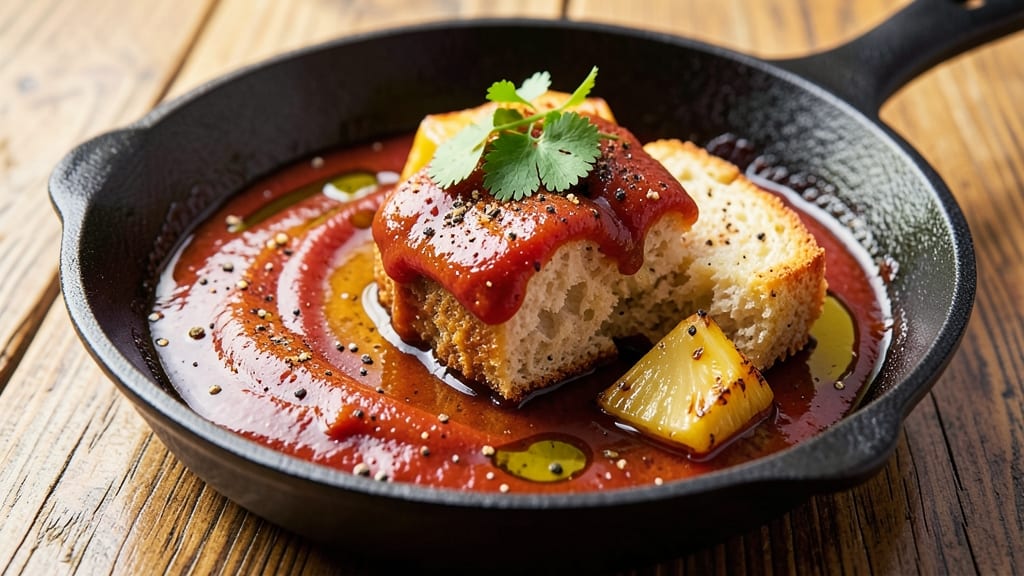
This BBQ sauce recipe with pineapple juice transforms your grill game with a bold tropical twist that caramelizes meat into irresistible sweetness. The secret lies in balancing pineapple’s tangy brightness with smoky depth, creating a sauce that’s sticky, aromatic, and packed with umami.
I developed this after years of experimenting with commercial sauces that never quite hit the mark—too sweet, too thin, or lacking complexity. This version delivers a perfect harmony, where the pineapple’s acidity cuts through richness while molasses and brown sugar create that signature caramelized crust on ribs or brisket.
The foundation starts with tomato paste and apple cider vinegar, building a rich base that simmers into a velvety consistency. Pineapple juice adds a fruity brightness that elevates traditional BBQ flavors, while spices like smoked paprika and mustard powder introduce layers of warmth.
The sauce thickens beautifully as it reduces, ensuring it clings to meat without overwhelming its natural taste. What sets this apart is the caramelization step—simmering until it reaches that perfect balance of sticky and glossy, with just enough tang to keep every bite vibrant.
By the time you’re done, you’ll have a sauce that’s versatile enough for ribs, pulled pork, or even grilled chicken, yet distinctive enough to stand out at any cookout. The pineapple’s tropical notes complement smoky meats beautifully, while the caramelized edges create a texture that’s impossible to resist.
This isn’t just another BBQ sauce—it’s a game-changer that turns ordinary grilling into a flavor adventure.
Best of all, the recipe scales effortlessly, whether you’re feeding a crowd or prepping for meal prep. Store it in the fridge for up to two weeks or freeze for months, so you’re always ready to elevate your next cookout.
Let’s get started on creating this tropical-inspired sauce that will have everyone asking for seconds.
Ingredients for bbq sauce recipe with pineapple juice
Tropical tang meets smoky depth—these ingredients create a BBQ sauce that caramelizes meat into perfection.
| Ingredient | Amount | Notes |
|---|---|---|
| Tomato Paste 🍅 | ½ cup | High-quality, no sugar added |
| Pineapple Juice 🍍 | 1 cup | Freshly squeezed preferred |
| Apple Cider Vinegar 💧 | ¼ cup | Raw, unfiltered for tang |
| Molasses 🍯 | ¼ cup | Unsulphured for depth |
| Brown Sugar 🍚 | ½ cup | Light or dark, packed |
| Smoked Paprika 🌶️ | 2 tbsp | High-quality for smoky flavor |
| Mustard Powder 🌶️ | 1 tbsp | Yellow or Dijon preferred |
| Garlic Powder 🧄 | 1 tbsp | Freshly ground preferred |
| Onion Powder 🧅 | 1 tbsp | Freshly ground preferred |
| Black Pepper 🌶️ | ½ tsp | Freshly cracked for heat |
| Salt 🧂 | 1 ½ tsp | Kosher or sea salt |
| Extra-Virgin Olive Oil 🫒 | ¼ cup | For richness and gloss |
The pineapple juice is non-negotiable here—Dole or Del Monte cans work fine, but fresh is a game-changer if you can find it. That vibrant, tangy brightness is what cuts through the sweetness and makes this sauce sing. Penzeys or bulk bins are great for the smoked paprika; look for a deep, rich color that indicates high quality. The tomato paste? Muir Glen is my go-to—it’s consistent and packed with flavor. Don’t skimp on the molasses; unsulphured gives you that deep, almost coffee-like richness that commercial sauces lack. And if you’re using pre-ground spices, toast them lightly in a dry pan before adding to wake up their flavors.
No pineapple juice? Mango nectar or orange juice can work in a pinch, but it’ll lose that signature tang. Running low on molasses? Maple syrup at half the amount adds sweetness but lacks depth. The apple cider vinegar can be swapped for white vinegar or lemon juice, though the flavor will shift slightly. If you’re avoiding sugar, monk fruit sweetener works, but it won’t caramelize the same way—expect a thinner, less glossy sauce. For the spices, freshly ground is always better, but if you’re using pre-ground, make sure it’s labeled ‘smoked’ and not just ‘paprika’—the difference is huge. And if you’re making a big batch, double the spices and store them in an airtight container to keep them fresh for next time.
This sauce gets better with time—let it sit in the fridge for at least 24 hours before using so the flavors meld. It’ll keep in the fridge for up to 2 weeks or 6 months in the freezer, though I recommend portioning it into ice cube trays for easy use later. The caramelized edges? That’s the magic—don’t rush the simmering. Low and slow is key for that sticky, glossy texture that clings to meat like a dream. And if you’re meal prepping, freeze it in small batches so you’re not thawing a giant jar every time.
Why You'll Love This Recipe
- Pantry Magic: I swear by this sauce because it uses stuff I already have—no special shopping needed. That jar of tomato paste, the pineapple juice from last week’s smoothie, even the molasses I bought on sale? Boom, instant flavor without extra trips.
- Sweet Heat Balance: The molasses and brown sugar give it this deep, caramelized richness, but the apple cider vinegar cuts through it just enough to keep it bright. Honestly, it’s the kind of sauce where one taste makes you want to drizzle it everywhere.
- Weeknight Hero: Slap this on grilled chicken, toss it with baked beans, or even drizzle it over roasted sweet potatoes—it works for breakfast tacos or Sunday dinners. I’ve used it for everything from slow-cooker pulled pork to a quick stir-fry, and it never lets me down.
- Leftovers That Shine: This sauce actually tastes better the next day. I make a big batch, store it in the fridge, and use it for days—no weird aftertaste or separation. Between us, it’s my secret weapon for lazy takeout nights when I’m too tired to cook.
Step-by-step instructions for tropical BBQ sauce
This sauce delivers bold, caramelized depth with a bright pineapple twist—perfect for glazing meats or dipping.
Bloom the Spices in Olive Oil
Heat the 0.25 cup extra-virgin olive oil in a medium saucepan over medium-low heat. Add the 2 tbsp smoked paprika, 1 tbsp mustard powder, 1 tbsp garlic powder, 1 tbsp onion powder, 0.5 tsp black pepper, and 1.5 tsp salt. Stir constantly for 2-3 minutes until the spices release their aromatic oils and the mixture smells deeply toasted.
This step builds the sauce’s flavor foundation. Watch for the spices to darken slightly—when they’re fragrant and vibrant, you’re ready to move forward. If the oil starts to smoke, reduce the heat immediately to prevent bitterness.
Add Wet Ingredients and Simmer
Pour in the 0.5 cup tomato paste, 1 cup pineapple juice, 0.25 cup apple cider vinegar, 0.25 cup molasses, and 0.5 cup brown sugar. Stir vigorously to combine, scraping the bottom of the pan to release any stuck-on bits. Bring the mixture to a gentle boil over medium-high heat, then reduce to medium-low and let it simmer uncovered for 15-20 minutes.
You’ll notice the sauce thicken and darken as the sugars caramelize. Stir occasionally to prevent sticking, and taste after 10 minutes—it should be tangy-sweet with a developing smokiness. If it reduces too quickly, add 1-2 tablespoons of water to maintain balance.
Thicken and Glaze to Perfection
Continue simmering for another 10-15 minutes until the sauce reaches a glossy, syrupy consistency. It should coat the back of a spoon smoothly but still cling to meat or tofu. If it’s too thin, simmer uncovered for an extra 5 minutes to intensify the flavors.
Here’s the magic: The pineapple juice adds brightness, while the molasses and brown sugar create a deep, caramelized finish. Taste and adjust—add a pinch more salt if needed, or a splash of vinegar for extra tang. The sauce should be bold, balanced, and ready to transform your grilled favorites.
Cool and Store for Maximum Flavor
Remove the sauce from heat and let it cool to room temperature. The flavors will deepen as it sits—this resting period allows the spices and sugars to meld. Transfer to a clean jar or airtight container and refrigerate for up to 2 weeks, or freeze for 3 months for long-term use.
For best results, let the sauce come to room temperature before using it on meats. The warmth helps it cling and caramelize beautifully on the grill or in the oven. This versatile sauce works wonders on ribs, chicken, or even as a dipping sauce for fries.
Pro Tips For Making Bbq Sauce Recipe With Pineapple Juice
- Bloom the Tomato Paste: Heat your tomato paste in a dry pan for 2-3 minutes before adding liquids—this deepens the flavor and prevents that raw, metallic taste. I used to skip this, and the sauce always felt flat until I tried it.
- Reduce Pineapple Juice First: Simmer the pineapple juice alone for 5 minutes before mixing it in—this concentrates the sweetness and prevents a watery sauce. After burning through three batches of thin, sad BBQ sauce, I finally learned this.
- Whisk in Molasses Slowly: Stir in the molasses a tablespoon at a time while tasting—too much too soon and you’ll end up with a cloying, overpowering sweetness. My grandmother swore by this, and she was right: balance is everything.
- Finish with Vinegar Last: Add the apple cider vinegar in the final 2 minutes of cooking—it brightens the sauce but evaporates fast. I was skeptical until I tried it: the acidity cuts through the sugar perfectly, but timing is everything.
Common mistakes when making this recipe
Over-Simmering the Sauce
I’ve made this mistake more than once—letting the sauce bubble away too long turns it into a thick, sticky syrup with no balance. The goal is a glossy, syrupy consistency, not a caramelized glaze that loses its tang.
Watch the sauce closely after the 15-20 minute simmer and remove it from heat as soon as it coats the back of a spoon. Over-simmering burns off the pineapple’s brightness and intensifies the sweetness, leaving you with a one-note sauce. 🌡️
Skipping the Spice Bloom
Rushing through the spice bloom step is a game-changer—literally. Those 2-3 minutes of toasting the spices in olive oil unlocks their full potential. If you skip this, your sauce will taste flat and one-dimensional.
The spices need time to release their aromatic oils, which build the sauce’s depth. I promise, taking the extra time here makes all the difference in the final product.
Using Low-Quality Ingredients
Cutting corners on ingredients like tomato paste or molasses can ruin your sauce. Cheap, sugar-loaded tomato paste will make your sauce cloyingly sweet, while low-quality molasses lacks that deep, almost coffee-like richness.
Invest in Muir Glen tomato paste and unsulphured molasses—your taste buds will thank you. The pineapple juice is also crucial; canned juice works, but fresh is unbeatable for brightness. Don’t compromise here!
Not Tasting as You Go
This is a big one—I see people simmer away without tasting until the end, only to realize the sauce is too sweet, too tangy, or needs more depth. Taste after 10 minutes of simmering, then again after 20 minutes.
Adjust the balance with a pinch of salt, a splash of vinegar, or even a drizzle of honey if needed. The sauce should be bold, tangy, and balanced—like a perfect dance between sweet, smoky, and bright.
Ignoring the Resting Period
Letting the sauce cool and rest is where the magic happens. The flavors meld and deepen during this time, but I’ve seen people rush to use it immediately, only to find it lacks complexity.
Give it at least 30 minutes to settle—overnight in the fridge is even better. This step ensures every layer of flavor shines through when you finally use it on your grilled meats. 💫
Using the Wrong Vinegar
The apple cider vinegar adds tang and depth, but swapping it for white vinegar or balsamic changes the sauce’s character entirely. White vinegar is too harsh and can overpower the sweetness, while balsamic adds a wine-like note that doesn’t complement the pineapple.
Stick with raw, unfiltered apple cider vinegar for that perfect balance of tang and complexity. It’s a small detail, but it makes a huge difference!
Nutrition facts
Frequently asked questions
Can I substitute pineapple juice with another fruit juice?
Yes, but expect a flavor shift. Mango nectar or orange juice work in a pinch, though they’ll lose the pineapple’s signature tang. For a similar tropical brightness, try passion fruit juice—it adds a unique citrusy depth. Avoid grape juice, as it can make the sauce overly sweet and heavy. Always taste as you go and adjust with vinegar if needed.
How do I adjust the sweetness level in this sauce?
The recipe balances sweetness with tang, but you can tweak it easily. For a less sweet version, reduce brown sugar to 0.25 cup and add 1 tbsp extra vinegar. For more sweetness, increase brown sugar to 0.75 cup or add 1 tbsp honey at the end. Remember, the pineapple juice already contributes natural sweetness, so go slow with adjustments.
Is this sauce vegan-friendly?
Almost! The recipe is naturally vegan except for potential cross-contamination with honey or animal-derived molasses. Use vegan molasses (like blackstrap) and ensure your spices are certified vegan. For extra richness, replace olive oil with avocado oil. The sauce’s tangy-sweet profile works perfectly on vegan grilled items like tofu or jackfruit.
Can I make this sauce in a slow cooker?
Combine all ingredients in your slow cooker and cook on LOW for 3-4 hours, stirring occasionally. The low heat prevents burning while allowing flavors to meld. You may need to add 1-2 tbsp water if it reduces too quickly. For a quicker version, use HIGH for 1.5-2 hours, but monitor closely to avoid over-simmering.
How should I store leftover sauce?
Transfer cooled sauce to an airtight container and refrigerate for up to 2 weeks. For longer storage, freeze in ice cube trays or small jars for 3 months. Thaw overnight in the fridge—never microwave directly. The sauce thickens when cold, so stir well before using. Pro tip: Label with the date to track freshness!