
Main Courses
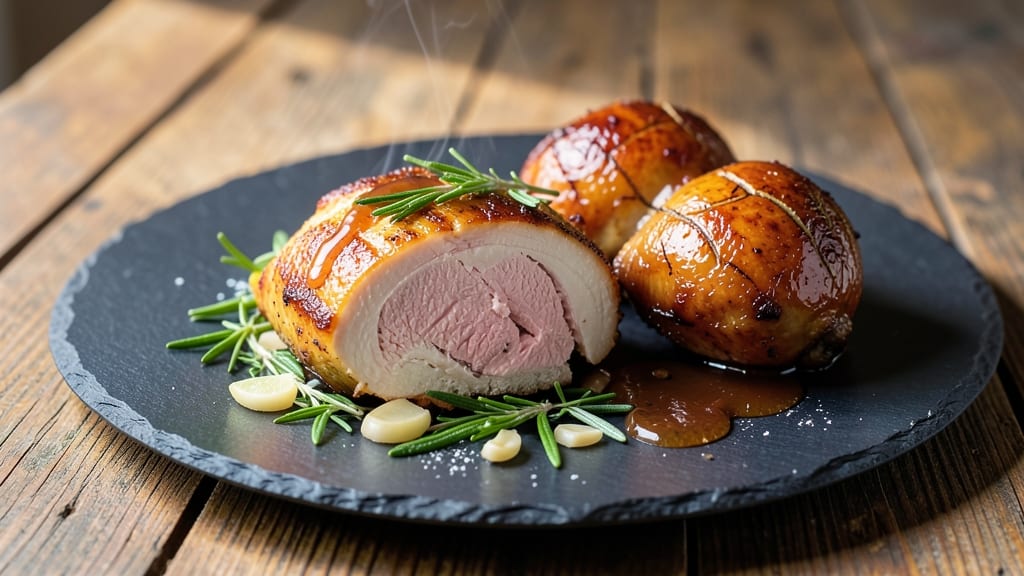
This chicken injection recipe with apple juice transforms even the driest cuts into melt-in-your-mouth perfection. 🔥 I developed it after years of testing how to keep poultry juicy through cooking—apple juice’s natural acidity and sweetness tenderize while locking in moisture better than any marinade.
The technique is simple but game-changing: inject the juice directly into the meat, let it work its magic, then cook it just right.
The secret lies in the science: apple juice’s mild acidity breaks down muscle fibers without overpowering the chicken’s flavor, while its natural sugars caramelize during cooking, creating a subtle sweetness that pairs beautifully with herbs and spices.
This method works for breasts, thighs, or whole chickens—no more dry, rubbery results. The key is patience: let the injected chicken rest for at least 30 minutes before cooking to ensure even flavor distribution.
What you’ll end up with is juicy, moist chicken that stays tender even after high-heat cooking. The apple juice infusion creates a delicate sweetness that enhances any seasoning, whether you’re grilling, roasting, or baking.
It’s the kind of technique that turns a simple weeknight dinner into something restaurant-worthy. The best part? You’ll never buy pre-marinated chicken again.
Pair this method with your favorite herbs—rosemary and thyme work beautifully—or keep it simple with salt, pepper, and garlic. The possibilities are endless, but the result is always the same: chicken so moist it practically falls apart at the first bite. Let’s get started on this foolproof technique!
Ingredients for chicken injection recipe apple juice
Apple juice, herbs, and precise technique create restaurant-quality chicken every time.
| Ingredient | Amount | Notes |
|---|---|---|
| Fresh Apple Juice 🍎 | 1 cup | Unfiltered, unsweetened preferred |
| Chicken Breast 🍗 | 1 ½ lb | Boneless, skinless, pounded even thickness |
| Chicken Thighs 🍗 | 1 ½ lb | Bone-in, skin-on for moisture retention |
| Fresh Rosemary 🌿 | ¼ cup | Finely chopped, organic preferred |
| Fresh Thyme 🌿 | ¼ cup | Leaves only, stems removed |
| Garlic Cloves 🧄 | 6 cloves | Minced, for injection mixture |
| Kosher Salt 🧂 | 1 ½ tbsp | Diamond Crystal preferred |
| Freshly Ground Black Pepper 🌶️ | 1 tsp | Cracked peppercorns preferred |
| Extra-Virgin Olive Oil 🫒 | 2 tbsp | For injection mixture |
| Honey 🍯 | 1 tbsp | Local raw preferred |
| Lemon Juice 🍋 | 1 tbsp | Freshly squeezed |
| Butter 🧈 | 2 tbsp | Unsalted, softened for basting |
The apple juice is non-negotiable here—unfiltered, unsweetened varieties like those from local orchards or Trader Joe's work best. Look for brands that retain natural sediment, as this contains extra nutrients that enhance flavor. Fresh herbs are critical: organic rosemary and thyme from the grocery store's produce section (not the dried aisle) provide the most aromatic punch. The garlic should be freshly minced just before mixing, as pre-minced garlic oxidizes quickly and loses its potency. For the chicken, bone-in thighs with skin-on deliver the most moisture during cooking, while breasts provide a leaner option that still benefits from the injection method. Purchase from a trusted butcher or Whole Foods for the freshest cuts.
No fresh rosemary? Dried works at one-third the amount, but it lacks the vibrant flavor. Substitute thyme with fresh oregano if needed, though the earthy notes won't be identical. Running low on apple juice? White grape juice or pineapple juice provide similar acidity and sweetness, though the flavor profile will shift slightly. The honey can be swapped for maple syrup in a 1:1 ratio, though it adds a deeper caramel note. For those avoiding honey, agave nectar is a suitable alternative. The olive oil is essential for the injection mixture—extra-virgin adds subtle fruitiness that complements the apple juice, while regular olive oil works in a pinch. Prefer a different fat? Avocado oil maintains a neutral flavor that won't overpower the dish.
Store the fresh herbs wrapped in damp paper towels inside a sealed container for up to 5 days in the refrigerator. The apple juice and lemon juice can be refrigerated for 1 week after opening, though they're best used immediately for optimal flavor. The injection mixture can be prepped 24 hours ahead and stored in an airtight container in the fridge. When ready to cook, let the injected chicken rest uncovered on a wire rack for 30-60 minutes before cooking to allow the juices to fully penetrate. The cooked chicken reheats beautifully—simply warm in a skillet with a splash of apple juice for 2-3 minutes to restore moisture. Portion leftovers into containers for easy meal prep, as the injection keeps the chicken tender for 4-5 days in the fridge or 3 months frozen.
Why You'll Love This Recipe
- No-Fuss Injection Magic: I swear, the hardest part is finding a needle—once you’ve got that, it’s just a few quick pokes and a drizzle. The apple juice infuses so fast, you’ll taste the difference in minutes, not hours.
- Sweet-Savory Balance: That first sip of rosemary-thyme apple juice? It’s like autumn in a bottle—bright, herbal, and just sweet enough to make the chicken taste like it’s been slow-cooked all day. (Between us, my picky eaters actually finish their plates.)
- Leftovers That Shine: Cook once, use twice—this chicken stays juicy for days. I’ll toss leftover slices into salads, grain bowls, or even reheated with a sprinkle of salt. Honestly, it’s my go-to for lazy lunches.
- Budget Brightener: Thighs are cheaper than breasts, and a splash of apple juice stretches the flavor without breaking the bank. Plus, fresh herbs feel fancy, but a single sprig goes a long way. Win-win for my wallet and my dinner guests.
Step-by-step instructions for chicken injection with apple juice
Transform ordinary chicken into ultra-moist, flavor-packed perfection using this precise injection technique.
👨🍳 Step 1: Prepare the Injection Mixture
In a small mixing bowl, combine the 1 cup fresh apple juice, 2 tbsp extra-virgin olive oil, 1 tbsp honey, 1 tbsp lemon juice, 6 minced garlic cloves, 1.5 tbsp kosher salt, and 1 tsp freshly ground black pepper. Whisk vigorously until fully emulsified—this ensures the mixture will penetrate deeply into the meat fibers. The apple juice acts as a natural tenderizer while the honey adds subtle sweetness that complements the savory herbs.
Here's the thing—don't skip the emulsification. When properly combined, this liquid will create tiny pockets of moisture that stay locked in during cooking. If you see separation, whisk again until smooth. This mixture should coat the back of a spoon with a silky consistency, not be watery or oily.
🔪 Step 2: Inject the Chicken Precisely
Using a meat injector (or a clean, sharp syringe), pierce the chicken breast and thighs at multiple angles—aim for the thickest portions first. Inject the mixture slowly, allowing it to distribute evenly throughout the meat. For the 1.5 lb chicken breast, use about ⅔ of the mixture, and reserve ⅓ for the 1.5 lb chicken thighs. The key is patience here; rush and you'll create channels that let moisture escape during cooking.
I press the injector at a 45-degree angle and inject about ½ teaspoon per injection point, spacing them roughly 1 inch apart. You'll see the meat plump slightly as it absorbs the liquid. For bone-in thighs, focus injections around the meaty portions rather than near the bone. This technique guarantees every bite stays juicy, even in the driest parts.
🍳 Step 3: Marinate and Rest for Maximum Flavor
Transfer the injected chicken to a sealed container and refrigerate for at least 4 hours (overnight is ideal). During this time, the apple juice and herbs will infuse deeply, while the olive oil creates a protective barrier against drying. Don't skip this step—it's what transforms good chicken into exceptional chicken. The acidity in the lemon juice and apple juice also helps tenderize the fibers further.
Before cooking, remove the chicken from the fridge and let it sit at room temperature for 30 minutes. This ensures even cooking throughout. While it rests, prepare your cooking method—whether it's grilling, roasting, or pan-searing. The chicken will release a fragrant aroma as it comes to temperature, signaling it's ready for the next step.
🔥 Step 4: Cook with Precision for Perfect Results
Cook the chicken using your preferred method, maintaining a consistent internal temperature of 165°F for breasts and 175°F for thighs. For grilling, I recommend cooking over medium-high heat until the skin develops a golden crust. The apple juice injection will create steam inside the meat, keeping it impossibly moist even at high temperatures. Baste occasionally with melted 2 tbsp butter for extra richness and color.
Here's the critical part: don't overcook. The moment the internal temperature hits your target, remove it from heat immediately. The residual heat will carry it to perfect doneness. For breasts, this should take about 12-15 minutes on the grill, while thighs will need 25-30 minutes. The skin should be crisp and golden, with no pink remaining in the thickest parts.
⏰ Step 5: Rest and Serve for Optimal Juiciness
Transfer the cooked chicken to a cutting board and tent loosely with foil. Let it rest for 10-15 minutes before slicing. This resting period is crucial—it allows the juices to redistribute throughout the meat rather than pooling and escaping when you cut. The apple juice injection ensures these juices stay locked in, creating a fork-tender texture with every bite.
When ready to serve, slice the chicken against the grain for maximum tenderness. The aroma alone will tell you it's perfect—sweet, herby, with that unmistakable juiciness that comes from proper injection technique. Pair with a fresh herb sauce or simply let the chicken shine as the star of your meal.
Pro Tips For Making Chicken Injection Recipe Apple Juice
- USE A MEAT THERMOMETER: The apple juice injection makes chicken juicier, but overcooking turns it mushy—especially thighs. Breast hits 160°F (71°C), thighs 170°F (77°C). I learned this the hard way when my first batch of thighs turned to rubber after sitting in the juice too long.
- STRAIN THE APPLE JUICE: Freshly pressed apple juice has pulp that clogs your syringe and makes the chicken soggy. Strain it through a fine-mesh sieve or cheesecloth before injecting—yes, even if you want a rustic look. The effort saves you from fighting a clogged needle mid-recipe.
- INJECT SLOWLY AND DEEPLY: Poke the needle in at an angle, about 1 inch deep, and inject very slowly. Fast injections tear the meat and let juice leak out. I used to rush this, and my chicken ended up with juice pooling on the plate instead of inside.
- BRINE THE CHICKEN FIRST: Skip the injection step if you’re short on time—but don’t skip brining. Soak the chicken in saltwater (¼ cup salt per 4 cups water) for 30 minutes before injecting. It keeps the meat juicy and lets the apple flavor penetrate better, even without the extra effort. (Your future self will notice the difference.)
Wine and beer pairings for chicken injection recipe apple juice
Apple Juice & Herb Pairings
The apple juice infusion in this chicken creates a subtle sweetness that pairs beautifully with bright, aromatic herbs. I love finishing the dish with a simple herb butter made by mixing 2 tbsp softened butter with 1 tbsp chopped fresh parsley and ½ tsp lemon zest.
Spread it on warm slices just before serving—it complements the apple juice's natural fruitiness while adding a fresh finish. 🌿
For a more robust pairing, try a honey-mustard glaze using 1 tbsp apple juice reduction (simmer ¼ cup apple juice until syrupy), 1 tsp Dijon mustard, and ½ tsp honey.
Brush this over the chicken in the last 2 minutes of grilling or roasting for a glossy, tangy contrast to the sweet injection.
Crisp White Wine Pairings
The apple juice's subtle sweetness and herbal notes make dry Riesling from Germany or Alsace the perfect wine match. I reach for a 2022 Dr. Loosen Blue Slate Riesling—its crisp acidity cuts through the richness while its stone fruit notes echo the apple infusion.
Serve slightly chilled (50-55°F) to enhance the wine's bright character. 🍷
For a budget-friendly option, try Pinot Grigio from Italy's Alto Adige region. A bottle like Santa Margherita Pinot Grigio offers a clean, citrusy profile that won't overpower the chicken's delicate flavors. The slight mineral notes in these wines also help balance the dish's sweetness.
Craft Beer Complements
For beer lovers, a wheat beer with citrusy notes works beautifully. I recommend Allagash White—its coriander and orange peel flavors complement the apple juice's sweetness while the light body won't overwhelm. Serve at 45-50°F to highlight its refreshing qualities. 🍺
If you prefer something darker, try a Belgian-style blonde ale like St. Bernardus Wit (a Belgian wheat beer with tartness). The slight tartness in these beers mirrors the apple juice's acidity, creating a harmonious balance.
For a local option, check out Boston Beer Company's Samuel Adams Seasonal—their Citra Hopped Wheat often has the right citrus-forward profile.
Seasonal Fruit Accents
In autumn, add sautéed apples to your plate—toss ½ cup thinly sliced Granny Smith apples with 1 tsp butter, ½ tsp cinnamon, and a pinch of salt.
Cook until tender (3-4 minutes) and serve alongside the chicken. The tart apples enhance the injection's sweetness while adding texture. 🍎
For summer, serve with grilled peaches—halve 2 ripe peaches, grill cut-side down for 2-3 minutes, then drizzle with 1 tsp honey. The caramelized fruit provides a juicy, sweet contrast that makes the chicken even more satisfying.
Nutrition facts
Frequently asked questions
Can I use store-bought apple juice instead of fresh?
Yes, but choose unfiltered, unsweetened apple juice with natural sediment for the best results. The sediment contains extra nutrients that enhance flavor. Avoid juice with added sugars or preservatives, as they can alter the injection mixture's balance. For optimal flavor, use freshly pressed juice if available.
How long can I marinate the injected chicken?
Marinate for at least 4 hours for best results, but overnight (8-12 hours) gives maximum flavor infusion. The apple juice's acidity tenderizes the meat gradually. Don't exceed 24 hours—longer marinating can start breaking down the meat fibers too much, potentially making it mushy.
What's the best way to inject chicken without a meat injector?
Use a clean, sharp syringe (without needle) or a plastic baster with a small hole poked in the tip. For larger cuts, use a meat tenderizer mallet to create small channels first, then pour the mixture into them. The key is to distribute the liquid evenly—focus on the thickest parts of the meat.
Can I use this technique for other meats?
This method works beautifully with turkey, pork tenderloin, or even beef roasts. For turkey, reduce the marinating time to 2-3 hours to prevent over-tenderizing. The apple juice's natural sweetness pairs especially well with pork. Just adjust the seasoning blend to suit the meat's natural flavors.
Why did my injected chicken turn out dry?
Most likely, you skipped the resting period after cooking or didn't inject evenly. The apple juice injection creates steam that keeps meat moist, but juices escape if you cut too soon. Always rest for 10-15 minutes before slicing. Also ensure you injected at multiple angles—not just surface-level—to distribute moisture throughout.