
Sauces & Condiments
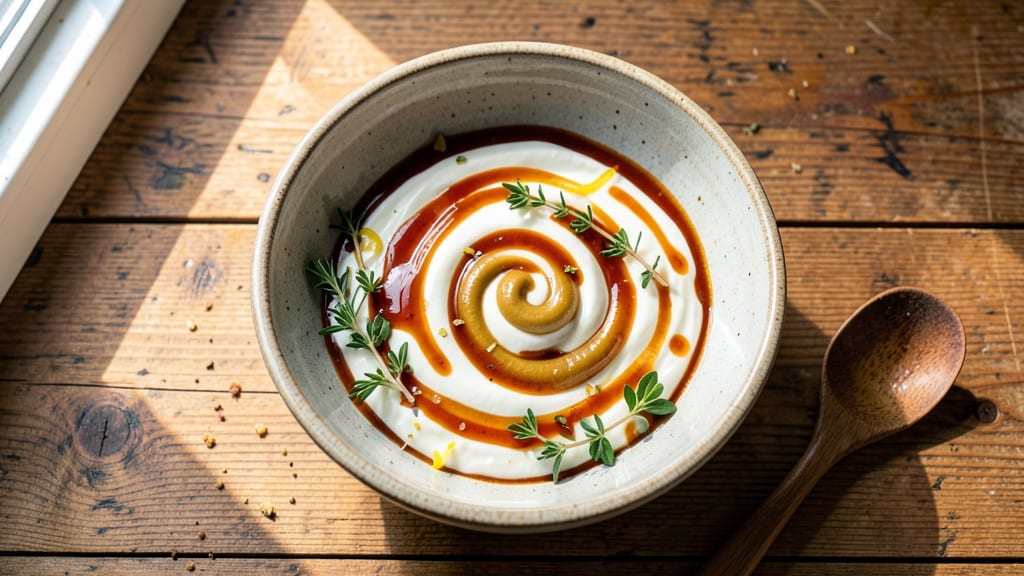
This creamy apple cider vinaigrette salad dressing recipe transforms ordinary salads into something extraordinary with its perfect balance of sweetness and herbal brightness. The secret lies in a simple yet effective emulsification technique using Dijon mustard, which binds the ingredients together for a silky, stable dressing that won't separate.
I developed this recipe after years of testing vinaigrettes, and it consistently delivers a flavor profile that's both sophisticated and approachable—ideal for those who love sweet-tangy dressings without the heaviness of creamy options.
The magic happens when apple cider vinegar's sharp acidity meets the natural sweetness of honey and the earthy depth of Dijon mustard, all while fresh herbs like thyme and tarragon add an aromatic lift.
What sets this dressing apart is its versatility—it elevates everything from crisp green salads to hearty grain bowls, and even works as a drizzle over roasted vegetables or grilled chicken. The creamy texture comes from a touch of Greek yogurt, which adds body without overpowering the bright apple cider flavor.
What you'll achieve is a dressing that's creamy yet light, with a perfect harmony of sweet, tangy, and herbal notes that cling beautifully to greens and other ingredients. The emulsification process ensures it stays smooth and consistent, whether you're tossing it with salad immediately or storing it for later use.
This isn't just another vinaigrette—it's a game-changer for anyone who wants restaurant-quality flavor at home. The best part? This recipe comes together in just a few minutes with simple ingredients you likely already have in your pantry.
It keeps well in the refrigerator for up to a week, making it perfect for meal prep. Whether you're dressing up a simple lunch or adding depth to a dinner salad, this creamy apple cider vinaigrette will become your go-to for balanced, flavorful meals.
Ingredients for creamy apple cider vinaigrette salad dressing
Pantry staples meet fresh herbs—just 10 ingredients for restaurant-quality dressing.
| Ingredient | Amount | Notes |
|---|---|---|
| Apple Cider Vinegar 🍏 | ½ cup | Raw, unfiltered preferred |
| Extra-Virgin Olive Oil 🫒 | ¾ cup | Light, fruity variety |
| Honey 🍯 | ⅓ cup | Wildflower or clover |
| Plain Greek Yogurt 🥛 | ½ cup | Full-fat for creaminess |
| Dijon Mustard 🌶️ | 1 tbsp | High-quality for emulsification |
| Fresh Thyme Leaves 🌿 | ¼ cup | Finely chopped, stems removed |
| Fresh Tarragon Leaves 🌿 | ¼ cup | Finely chopped, stems removed |
| Granulated Garlic 🧄 | 1 tsp | For subtle garlic depth |
| Sea Salt 🧂 | 1 tsp | Diamond Crystal preferred |
| Freshly Ground Black Pepper 🌶️ | ½ tsp | Freshly cracked for flavor |
The apple cider vinegar should smell bright and tangy—Bragg or Mott's are my go-tos. If you can find raw, unfiltered, even better. The Greek yogurt makes this creamy without heaviness, so Fage 5% or full-fat works best. I always grab fresh herbs at the grocery store's produce section—Whole Foods or Trader Joe's have the freshest thyme and tarragon. The Dijon mustard is non-negotiable for that perfect emulsification—Maille is the gold standard, but any quality brand works. For the honey, local wildflower is ideal if you can find it, but any good-quality honey will do.
No apple cider vinegar? White wine vinegar or balsamic vinegar works in a pinch, but the flavor will shift slightly. Short on fresh herbs? Dried thyme and tarragon at one-third the amount will give you a similar aromatic base. Want to make it vegan? Swap the Greek yogurt for vegan yogurt or cashew cream. The honey can be replaced with maple syrup for a vegan version, though the flavor will be slightly different. If you don't have granulated garlic, fresh minced garlic at half the amount works perfectly. And if you're watching your sugar, you can reduce the honey to 2 tablespoons and add a splash of water to balance the texture.
This dressing keeps beautifully in an airtight jar in the fridge for up to 7 days. The emulsification process means it won't separate, so you can shake it up and use it straight from the fridge. For longer storage, freeze portions in ice cube trays—just thaw in the fridge before using. A little goes a long way, so I usually make a double batch. It's perfect for meal prep—just toss it in your lunchbox or keep it on hand for quick salads. The flavor actually improves after a day or two as the ingredients meld together.
Why You'll Love This Recipe
- Five-Ingredient Magic: I swear by this combo—just swirl apple cider vinegar, honey, and Dijon mustard in a bowl, then fold in Greek yogurt and olive oil. No measuring cups, no stress, no fuss. The tangy-sweet balance happens in seconds.
- Creamy-Tangy Obsession: That Greek yogurt makes it rich without heaviness, while the apple cider vinegar cuts through like a crisp autumn breeze. Honestly? It’s the kind of dressing I’ll drizzle on everything—even plain toast.
- Weeknight Workhorse: Make a big batch on Sunday, and you’ve got lunch covered for days. Toss it with greens for salads, dollop it on roasted veggies, or even stir it into cold pasta. (Yes, even on a Tuesday night.)
- Budget-Friendly Luxury: Olive oil and vinegar stretch forever, and Greek yogurt adds creaminess without breaking the bank. Between us, this is the dressing that makes fancy salads feel achievable—no specialty ingredients needed.
Step-by-step instructions for creamy apple cider vinaigrette salad dressing
Here's how to blend this velvety dressing with perfect balance every time.
Whisk Vinegar, Honey, and Mustard Together
In a medium bowl, combine the 0.5 cup apple cider vinegar, 0.33 cup honey, and 1 tablespoon Dijon mustard. Use a whisk and stir vigorously for about 1 minute until the honey is completely dissolved and the mixture becomes smooth and glossy. You'll notice the honey will start to break down into the vinegar, creating a syrupy base that forms the dressing's sweet foundation.
This step is crucial because the honey needs to fully incorporate to prevent graininess in your final dressing. If you see any undissolved honey crystals after whisking, add 1 teaspoon of warm water and whisk again until fully combined. The mixture should be thick but pourable at this stage—like a sweet-tart syrup.
Gradually Incorporate the Olive Oil
With the whisk still in the bowl, begin adding the 0.75 cup extra-virgin olive oil very slowly—about 1 tablespoon at a time. After each addition, whisk vigorously for 10-15 seconds until the oil is fully emulsified. You'll see the mixture transform from a liquid to a creamy emulsion as the oil blends with the vinegar mixture.
This gradual approach is what creates the creamy texture. If you add the oil too quickly, you'll end up with a separated dressing. Keep whisking until the mixture holds its shape when you lift the whisk—it should coat the back of a spoon without immediately separating. The dressing should now have a velvety consistency with a rich, golden hue.
Fold in the Yogurt and Herbs
Using a rubber spatula, gently fold in the 0.5 cup plain Greek yogurt, being careful not to overmix. Then add the 0.25 cup finely chopped fresh thyme leaves and 0.25 cup finely chopped fresh tarragon leaves. Stir until the herbs are evenly distributed throughout the dressing. The yogurt will add a luxurious creaminess while the herbs infuse subtle earthy notes that complement the sweetness.
Here's the thing—don't worry if the dressing looks slightly broken when you first add the yogurt. As you continue to fold, the emulsion will stabilize and become smooth again. The herbs should be finely distributed but not pulverized—you want visible flecks for texture and flavor. Taste at this stage to check the balance of sweet, tangy, and herbal notes.
Season and Emulsify
Add the 1 teaspoon granulated garlic, 1 teaspoon sea salt, and 0.5 teaspoon freshly ground black pepper to the dressing. Using the whisk again, blend everything together for another 30-45 seconds until fully combined and smooth. The garlic will add a subtle depth while the salt and pepper enhance all the flavors. At this point, your dressing should be perfectly creamy with no separation.
For the final touch, transfer the dressing to a clean jar with a tight-fitting lid. Give it one last shake to ensure everything is well incorporated. The dressing should now have a luxurious, velvety texture with a perfect balance of sweet, tangy, and herbal flavors. It's ready to use immediately, but if you plan to store it, refrigerate for up to 1 week—though I promise you'll use it all before then!
Pro Tips For Making Creamy Apple Cider Vinaigrette Salad Dressing
- Whisk in stages: Start by mixing the apple cider vinegar, honey, and Dijon mustard—this prevents the Greek yogurt from breaking when you add the oil later. I used to dump everything in at once, and half the time, the dressing would curdle like a science experiment gone wrong.
- Use room-temperature yogurt: Cold Greek yogurt makes the dressing clump like lumpy butter. Let it sit out for 10-15 minutes before mixing—it blends smoother and gives that silky texture you’re after. Yes, even if you’re impatient like me.
- Balance the acid first: Taste the vinegar and honey mix before adding the yogurt—you want it sharp enough to cut through greens or roasted veggies. If it’s too sweet, add a splash more vinegar; too tangy? A pinch of salt or extra honey fixes it. Trust your tongue, not the recipe.
- Thin with olive oil gradually: Add the extra-virgin olive oil drop by drop at first, whisking like you’re trying to win a prize. Once it’s emulsified, you can pour the rest in—this keeps the dressing from splitting. I learned this after watching my first batch separate like oil and water in a sad divorce.
Pro cooking tips for great creamy apple cider vinaigrette salad dressing
Emulsification Secrets
The key to this creamy dressing lies in the Dijon mustard, which acts as a natural emulsifier. Start by whisking the vinegar, honey, and mustard together until smooth—this creates a stable base.
When adding the 0.75 cup olive oil, do it slowly (1 tbsp at a time) while whisking vigorously. This gradual incorporation prevents separation and creates that velvety texture.
I've found that using Maille Dijon makes all the difference—it's rich enough to bind the oil without overpowering the apple cider flavor. 🌶️
Yogurt Texture Tips
The Greek yogurt adds creaminess without heaviness, but how you incorporate it matters. Fold it in gently with a rubber spatula after the oil emulsion is complete—this prevents breaking the emulsion. For extra richness, I recommend full-fat Fage yogurt, which has a thicker consistency that holds up better.
If you're using non-fat yogurt, you might need to add an extra 1 tablespoon olive oil to maintain the creamy texture. The yogurt should blend in smoothly, leaving just a few visible flecks for subtle texture.
Herb Freshness Matters
Fresh herbs make all the difference in this dressing. I always use thyme and tarragon because their earthy notes complement the sweet-tart balance perfectly. For best results, finely chop the herbs and remove any tough stems.
If you're using dried herbs, reduce the amount to ⅓ cup and crush them lightly between your fingers to release their oils. Pro tip: Store your fresh herbs in the fridge wrapped in a damp paper towel—they'll stay fresher longer.
The herbs should be evenly distributed throughout the dressing, adding bright pops of flavor with every bite.
Balancing Sweet and Tang
Getting the sweet-tangy balance right is what makes this dressing special. Start with the 0.33 cup honey as your base, then adjust to taste. If it's too sweet, add a splash more vinegar (1 tsp at a time). Too tangy?
Add a bit more honey or a pinch of salt to round it out. I like to taste as I go—this is where the magic happens. The goal is a dressing that's bright, balanced, and complex, not just sweet or sour. Trust your palate, and don't be afraid to adjust!
Storage and Reuse
This dressing keeps beautifully in an airtight jar in the fridge for up to 7 days, but I rarely let it last that long! The emulsion stays stable, so you can shake it up and use it straight from the fridge.
For longer storage, freeze portions in ice cube trays—just thaw in the fridge before using. A little goes a long way, so I usually make a double batch. The flavor actually improves after a day or two as the ingredients meld together.
Perfect for meal prep—just toss it in your lunchbox or keep it on hand for quick salads. 💡
Nutrition facts
Frequently asked questions
Can I make this dressing without Greek yogurt?
Yes! For a vegan version, swap the yogurt for 1/4 cup cashew cream or 2 tablespoons tahini to maintain creaminess. You may need to add an extra 1 tablespoon olive oil to compensate for the reduced fat content. The texture will be slightly lighter but still delicious.
How do I fix a dressing that separated?
If your dressing separates, simply whisk it vigorously for 1-2 minutes to re-emulsify. The Dijon mustard helps bind it back together. For stubborn separation, add 1 teaspoon warm water and whisk again. Always store in an airtight container to prevent future separation.
Can I use this dressing on non-salad dishes?
This versatile dressing works beautifully on grilled chicken, roasted vegetables, or even as a dip for crudités. The creamy texture and sweet-tangy flavor pair well with hearty dishes. Try drizzling it over warm grain bowls or using it as a marinade base for 10-15 minutes before cooking.
What if I don't have fresh tarragon?
No problem! Substitute with ½ teaspoon dried tarragon or ½ teaspoon fresh dill for a similar herbal brightness. If you're missing thyme entirely, rosemary or oregano work well too. The key is maintaining the herbal depth—just adjust to taste after mixing.
How much dressing should I make for a salad?
This recipe yields about 1.5 cups, which is perfect for 4-6 servings of salad. For a light dressing ratio, use 1-2 tablespoons per serving. For heartier dishes like grain bowls, you can use up to 3 tablespoons per serving. The creamy texture means a little goes a long way!