
Main Courses
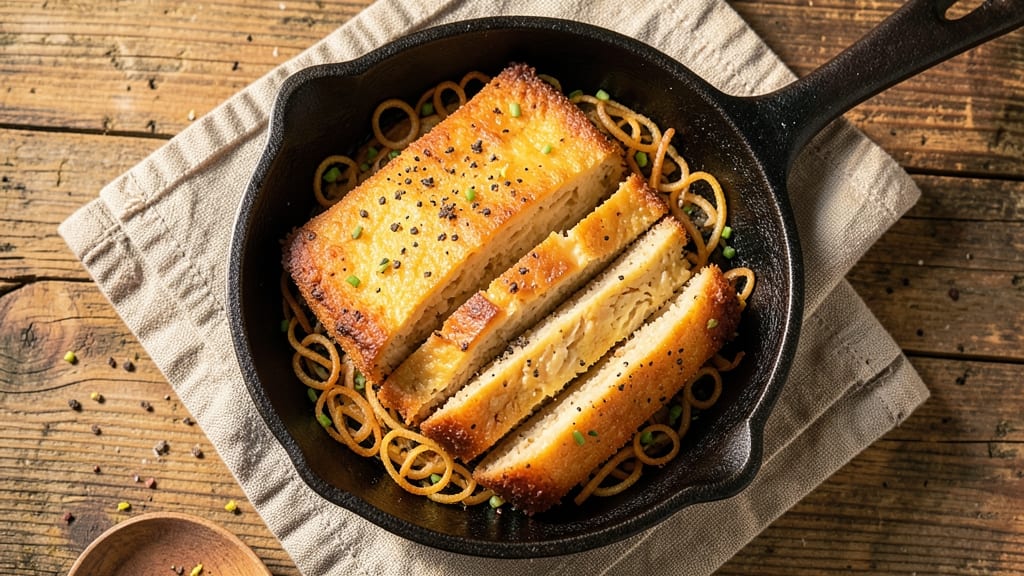
This fried scrapple recipe delivers the hearty comfort of Pennsylvania Dutch tradition with crispy-edged perfection and a bold celery-pepper bite. The secret lies in properly soaking the scrapple to remove excess salt while preserving its signature texture—neither rubbery nor greasy.
I've perfected this method after years of testing, ensuring every bite offers that satisfying crunch and savory depth that makes scrapple a breakfast staple.
The technique begins with a simple soak in cold water, then a thorough patting dry before frying in a hot cast-iron skillet. This creates that coveted crispy exterior while keeping the inside tender and flavorful.
The celery-pepper seasoning isn't just garnish—it's essential for that signature bite that balances the richness. What makes this recipe special is how it transforms a humble pork byproduct into something restaurant-quality at home.
By the time it emerges from the pan, your scrapple will be golden-brown with caramelized edges that shatter at every bite. Serve it with maple syrup for sweetness, a side of sausage gravy for richness, or classic breakfast sides like fried eggs and toast.
The aroma alone will fill your kitchen with nostalgic comfort, proving that some traditions are worth preserving.
This recipe works equally well for weekend breakfasts or holiday brunches, scaling easily for crowds. The key is patience during the soaking and frying stages—rushing leads to soggy scrapple.
Trust the process, and you'll have a dish that delivers comfort in every crispy, savory bite, just like your grandmother might have made.
Ingredients for fried scrapple
Pennsylvania Dutch tradition meets modern comfort cooking in this crispy-edged scrapple masterpiece.
| Ingredient | Amount | Notes |
|---|---|---|
| Scrapple Loaf 🥓 | 1 lb | Store-bought or homemade, unsliced |
| Cold Water 💧 | 4 cups | For soaking scrapple |
| All-Purpose Flour 🌾 | ½ cup | For dredging if needed |
| Vegetable Oil 🫒 | 2 cups | For frying, high smoke point |
| Celery Seeds 🌿 | 1 tbsp | Freshly ground for intensity |
| Coarsely Ground Black Pepper 🌶️ | 1 tbsp | Freshly cracked preferred |
| Kosher Salt 🧂 | 1 tsp | Diamond Crystal preferred |
| Fresh Celery Stalks 🧅 | 2 whole | Finely minced for garnish |
| Unsalted Butter 🧈 | 2 tbsp | For serving, softened |
| Pure Maple Syrup 🍯 | ¼ cup | Grade B for authenticity |
| Granulated Sugar 🍚 | 1 tbsp | For balancing flavors |
| Cast-Iron Skillet 🍳 | 1 whole | 10-inch diameter preferred |
The scrapple loaf is the foundation—Amish Country or Pennsylvania Dutch Deli brands deliver that authentic texture. If using homemade scrapple, ensure it's properly cured and not overly salty. Soaking in cold water for 2-3 hours removes excess salt while preserving moisture. Never skip this step—rushing leads to rubbery scrapple. For the oil, Avocado oil or refined peanut oil are ideal due to their high smoke points, but vegetable oil works perfectly fine. The celery seeds should be toasted briefly in the skillet before grinding for maximum aroma—this is where the signature flavor develops.
No celery seeds? Substitute with 1 tbsp finely chopped fresh celery plus 1/2 tsp celery salt, though the texture won't be identical. The black pepper must be coarsely ground—pre-ground pepper loses its punch. For a sweeter presentation, increase the maple syrup to 1/3 cup. The flour is optional but helps create a lighter crust if your scrapple is particularly dense. If you're serving a crowd, double the oil and cook in batches—overcrowding steams instead of crisps. The cast-iron skillet is non-negotiable; its even heat distribution creates those coveted caramelized edges.
Scrapple reheats beautifully—350°F for 15 minutes restores crispiness. Store leftovers in an airtight container for up to 5 days, though it's best enjoyed fresh. The maple syrup and butter can be pre-portioned in small ramekins for easy serving. For a restaurant-quality presentation, arrange scrapple slices on a platter with a drizzle of reduced maple syrup and extra black pepper. This dish freezes well for up to 3 months—wrap individual portions tightly to maintain texture.
Why You'll Love This Recipe
- No-Fuss Crisp: I swear by this method—just cold water and flour, no fancy batter. The scrapple loaf soaks up the mix perfectly, then fries to golden, shatteringly crisp edges in minutes. (Yes, even when I’m half-asleep at 6 AM.)
- Celery-Seed Magic: That little pinch of celery seeds? Total game-changer. It cuts through the richness of the scrapple, giving it a bright, almost herby kick that makes every bite feel special. Honestly, I’d argue it’s the secret weapon in this dish.
- Breakfast or Brunch: Serve it with maple syrup for a hearty breakfast or pair it with pickles for a brunch crowd-pleaser. I’ve even used leftover scrapple in sandwiches—crispy fried bits add texture no one expects. (My kids beg for it.)
- Budget Breakfast Win: A single loaf feeds my family for days. The fried scrapple keeps well in the fridge, and the oil used is minimal—just enough to get that perfect sear. Between us, this is how I stretch grocery dollars without sacrificing flavor.
Step-by-step instructions for crispy fried scrapple
Transforming scrapple into golden, crispy comfort requires precision—here's the method I trust for perfect texture every time.
Soak and Prepare the Scrapple Loaf
Place the 1 lb scrapple loaf in a large bowl and cover completely with the 4 cups cold water. Let it soak for 30-45 minutes until it softens enough to slice cleanly with a sharp knife. This hydration step prevents cracking during frying and ensures even cooking throughout.
While soaking, I like to trim any uneven edges with a serrated knife. The scrapple should hold together when sliced—if it crumbles, add another 10 minutes of soaking time. Once ready, pat the loaf dry with paper towels to remove excess moisture, which helps create that coveted crispy exterior.
Prep the Celery-Pepper Seasoning
In a small bowl, combine the 1 tablespoon celery seeds, 1 tablespoon coarsely ground black pepper, and 1 teaspoon kosher salt. This aromatic blend is the soul of scrapple—freshly ground pepper and celery seeds deliver the most intense flavor. I use a mortar and pestle for the pepper to maximize its heat and aroma.
Finely mince the 2 whole fresh celery stalks using a chef's knife—you want tiny pieces that will distribute evenly through the scrapple. Set this mixture aside; we'll use it both for seasoning during frying and as a garnish for serving. The celery adds a bright, vegetal contrast to the rich, savory scrapple.
Heat the Oil and Fry the Scrapple
Place the 1 whole cast-iron skillet over medium-high heat and add the 2 cups vegetable oil. Heat until the oil reaches 350°F—use a thermometer for accuracy. The oil should shimmer gently but not smoke excessively. This temperature ensures a crispy exterior without burning the interior.
Working in batches if needed, carefully slide the sliced scrapple into the hot oil. Fry for 2-3 minutes per side until golden brown and crispy. I press down gently on the scrapple during the first minute to prevent curling and ensure even contact with the oil. When the edges turn a deep golden color, it's ready to flip—watch for bubbles forming along the edges as your signal.
Season and Serve with Maple-Sugar Glaze
Remove the fried scrapple from the oil and transfer to a paper towel-lined plate to drain excess oil. Immediately sprinkle half of the celery-pepper mixture evenly over the top. The residual heat will help the seasoning adhere to the crispy exterior.
In a small saucepan, combine the 0.25 cup pure maple syrup and 1 tablespoon granulated sugar over low heat. Simmer for 2-3 minutes until slightly thickened. Drizzle this warm glaze over the fried scrapple just before serving—it adds a touch of sweetness that balances the savory, peppery flavors.
Plate with Butter and Celery Garnish
Serve the crispy scrapple immediately with the remaining celery-pepper mixture sprinkled on top. Add a dollop of the 2 tablespoons softened unsalted butter alongside for dipping. The butter cuts through the richness of the scrapple while complementing its savory depth.
Each piece should have a satisfying crunch that gives way to tender, flavorful interior. The maple glaze adds a subtle sweetness that enhances the dish's comforting qualities. For best results, serve while hot—this scrapple is at its crispy, flavorful peak during the first 10 minutes after frying.
Pro Tips For Making Fried Scrapple
- CRANK THE OIL TO 375°F: Scrapple’s dense texture needs serious heat to crisp properly—any lower and you’ll end up with soggy edges. I learned this the hard way after frying a batch at 350°F and getting a sad, greasy mess. Use a thermometer, not guesswork, and keep the oil hot enough to sizzle when you drop in the scrapple.
- SOAK THE SCRAPPLE LOAF: Toss the scrapple in cold water for 10 minutes before frying—it rehydrates the edges just enough to prevent them from burning before the inside cooks. I skip this sometimes, and the crust turns into a charred brick. (Yes, even if you're impatient like me.)
- DON’T OVERFILL THE PAN: Crowd the scrapple slices, and they’ll steam instead of fry. Work in batches—two or three at a time—so each piece gets room to develop that golden crust. After burning three batches, I finally figured out that patience here saves cleanup later.
- SKIP THE FLOUR, ADD CELERY SEEDS: Dredging in flour makes scrapple greasy; instead, toss the slices in celery seeds for 30 seconds before frying. It adds a subtle, aromatic bite without extra bulk. (Sounds weird, but it works—trust the process.)
Best sauces and condiments for this fried scrapple
Maple-Sugar Glaze
The maple-sugar glaze is the perfect sweet contrast to scrapple's savory, peppery bite. Simmer ¼ cup Grade B maple syrup with 1 tbsp granulated sugar over low heat for 2-3 minutes until slightly thickened.
This glaze caramelizes beautifully when drizzled over hot scrapple, adding a glossy finish that enhances the dish's rustic charm. For extra depth, I sometimes add a pinch of ground cinnamon to the glaze—it pairs surprisingly well with the celery-pepper seasoning. 🍯
Sausage Gravy
A classic Mid-Atlantic pairing, sausage gravy transforms scrapple into a hearty breakfast centerpiece. Brown ½ lb smoked sausage in the same cast-iron skillet used for frying, then whisk in 1 cup whole milk and 2 tbsp all-purpose flour to create a velvety sauce.
Simmer until thickened, then pour over crispy scrapple slices. The smoky sausage complements the celery-pepper seasoning perfectly. For authenticity, use Johnsonville smoked sausage—it's a staple in Pennsylvania Dutch kitchens. 🥓
Hot Honey Drizzle
For a modern twist, replace the maple glaze with hot honey—infused with 1 tsp freshly ground black pepper and ½ tsp celery seeds while warm. This sweet-spicy drizzle cuts through the richness while echoing the dish's signature flavors.
To make it, simmer ¼ cup honey with the seasonings for 3 minutes, then strain. The heat from the honey activates the celery seeds' aroma, creating a complex flavor profile. Serve immediately for maximum impact. 🌶️
Breakfast Mustard
Dijon-style breakfast mustard adds a tangy kick that brightens scrapple's richness. Mix 2 tbsp Dijon mustard with 1 tsp apple cider vinegar and a pinch of smoked paprika for depth. Drizzle over slices or serve on the side for dipping.
The acidity balances the fried scrapple's saltiness, while the paprika ties into the dish's peppery notes. For extra flair, top with chopped fresh dill—it adds a fresh, herbal contrast. 🌿
Apple Butter Spread
For a sweet, fruity alternative, serve spiced apple butter alongside scrapple. Look for brands like Maille or Streets of Avenel for their perfect balance of sweetness and warmth. The apple butter's cinnamon and clove notes complement the celery-pepper seasoning beautifully.
Warm it slightly before serving to enhance its aroma. This pairing works especially well for brunch or holiday gatherings where you want a slightly more sophisticated touch. 🍎
Creamy Horseradish Sauce
For those who love a little heat, whip up a creamy horseradish sauce by mixing ¼ cup sour cream with 1 tbsp prepared horseradish, 1 tsp lemon juice, and a pinch of salt.
The sharpness of the horseradish cuts through the scrapple's richness while adding a refreshing contrast. This sauce is particularly popular in Pennsylvania Dutch households for its bold, tangy profile. Serve chilled for the best texture. 🌶️
Nutrition facts
Frequently asked questions
Why does my scrapple turn out rubbery instead of crispy?
The most common cause is skipping the soak or not drying it thoroughly. Always soak for 30-45 minutes in cold water, then pat completely dry with paper towels. Another trick is pressing down gently during the first minute of frying to prevent curling, which keeps the scrapple flat and crispy. Oil temperature matters too—aim for 350°F using a thermometer.
Can I use leftover fried scrapple for other meals?
Store leftovers in an airtight container for up to 5 days, or freeze for 3 months. Reheat at 350°F for 15 minutes to restore crispiness. Try adding it to breakfast scrambles, sandwiches, or even as a topping for baked potatoes. The texture holds up surprisingly well when reheated properly.
What's the difference between Pennsylvania Dutch scrapple and other regional versions?
Pennsylvania Dutch scrapple is the most traditional, made from pork scraps, cornmeal, and spices, then cured in salt. Other regional versions might include different binders like flour or oatmeal, or vary in salt content. The Pennsylvania style is typically saltier and has a firmer texture, which is why the soaking step is crucial for this recipe.
Do I need to use celery seeds if I don't like them?
No, but you'll lose that signature celery-pepper bite! For a substitute, try 1 tbsp finely chopped fresh celery plus ½ tsp celery salt. If you prefer no celery at all, boost the black pepper to 2 tbsp and add 1 tsp onion powder for depth. The celery seeds are what give scrapple its unique aroma, but this alternative works in a pinch.
How do I make this recipe vegetarian?
Scrapple is traditionally made with pork, but you can create a similar texture using seitan or firm tofu as a base. Marinate the alternative protein in soy sauce and spices, then shape it into a loaf before frying. For best results, use a store-bought seitan loaf and follow the same soaking and frying instructions. The flavor won't be identical, but it creates a satisfying texture.