
Sauces & Condiments
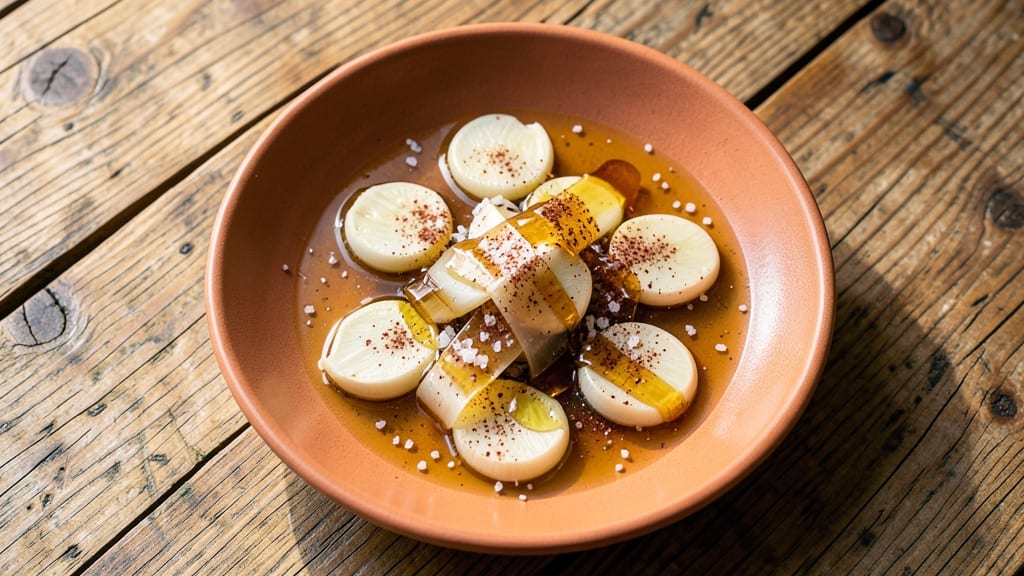
This garlic and apple cider vinegar recipe transforms simple ingredients into a bold umami glaze that elevates meats, vegetables, and even salads with just a few minutes of prep.
The tangy-sweet balance comes from simmering garlic in olive oil until golden, then deglazing with apple cider vinegar—a technique that captures deep, savory flavors without overpowering your dish.
I developed this recipe after realizing how often I reached for store-bought glazes that lacked complexity, and it became an instant pantry staple.
The beauty of this glaze lies in its versatility—use it as a marinade for chicken or pork, a finishing sauce for roasted vegetables, or even a tangy dressing for hearty salads. The vinegar tenderizes proteins while adding brightness, while the caramelized garlic delivers rich, aromatic depth.
Unlike many sauces, this one requires no special ingredients—just garlic, vinegar, a touch of sweetness, and patience for the flavors to meld.
What sets this recipe apart is how it transforms ordinary dishes into restaurant-quality meals with minimal effort. A quick simmer reduces the sauce to a glossy, concentrated consistency that clings beautifully to grilled meats or crisp roasted vegetables.
The acidity also helps cut through richness, making it perfect for balancing fatty cuts or hearty sides. Best of all, it keeps well in the fridge for up to two weeks, so you’ll always have a flavor booster on hand.
For extra depth, add a pinch of smoked paprika or a splash of soy sauce to the glaze—these small adjustments let you customize it for different cuisines or personal tastes.
Whether you’re prepping for a weeknight dinner or planning a holiday feast, this recipe delivers professional results with just five simple ingredients. Let’s make it!
Ingredients for garlic and apple cider vinegar
Five simple ingredients transform into a restaurant-quality umami glaze that elevates meats and vegetables with minimal effort.
| Ingredient | Amount | Notes |
|---|---|---|
| Fresh Garlic Cloves 🧄 | 8 cloves | Peeled, thinly sliced for even caramelization |
| Extra-Virgin Olive Oil 🫒 | ½ cup | High-quality, fruity variety preferred |
| Apple Cider Vinegar 🍏 | ½ cup | Raw, unfiltered preferred for depth |
| Pure Maple Syrup 🍁 | 2 tbsp | Grade B for richer caramel notes |
| Diamond Crystal Kosher Salt 🧂 | 1 tsp | Fine grain for even distribution |
| Smoked Paprika 🌶️ | ½ tsp | Optional for enhanced depth (adjust to taste) |
| Freshly Ground Black Pepper 🌶️ | ¼ tsp | Freshly cracked for maximum aroma |
The garlic is the foundation—look for plump, firm cloves with no sprouting. Whole Foods or local farmers markets carry the freshest varieties, but even the grocery store will do if they're stored properly. For the olive oil, California extra-virgin brands like Corto or Otto deliver the best flavor profile, though any high-quality EVOO works. The apple cider vinegar should be raw and unfiltered—Bragg or Texas Pete are reliable choices, but check the label for 'raw' or 'unpasteurized'. Maple syrup quality matters less here, but Grade B offers deeper caramel notes that enhance the glaze's complexity.
No smoked paprika? Regular paprika at double the amount works in a pinch, though it lacks the smoky depth. Short on maple syrup? Honey or agave nectar can substitute, though the flavor will differ slightly. The vinegar can be subbed with white wine vinegar or balsamic vinegar, but apple cider's fruity tang is ideal. For a quicker version, garlic powder at half the amount replaces fresh garlic, though the texture will be less luxurious. Always taste as you go—this glaze's beauty lies in its balance of sweet, tangy, and umami.
Store the glaze in a glass jar with an airtight lid in the fridge, where it keeps for up to two weeks. The flavors actually improve over time as the vinegar's acidity melds with the caramelized garlic. For longer storage, freeze in ice cube trays—perfect for single-use portions. When reheating, simmer gently to restore its glossy consistency. A quick brush over grilled meats or roasted vegetables transforms them instantly, proving that professional results start with simple, quality ingredients.
Why You'll Love This Recipe
- Five-Ingredient Magic: I swear by this combo—minced garlic, rich olive oil, tangy vinegar, a drizzle of maple, and salt. That’s it. No fancy techniques, no last-minute shopping runs. Just open, measure, mix.
- Sweet-Tangy Balance: The maple syrup cuts through the sharpness of the vinegar while the garlic adds depth. It’s bright, it’s bold, and it’s the kind of flavor that lingers without being overpowering—like a well-made dressing should.
- Weeknight & Meal Prep: I drizzle this over roasted veggies, toss it into pasta, or even use it as a marinade. The leftovers keep for weeks in the fridge, and honestly? It’s the only sauce I make that actually improves the next day.
- Budget-Friendly Flexibility: Garlic and vinegar are pantry staples, and maple syrup stretches further than you’d think. A little goes a long way—perfect for stretching meals without breaking the bank or complicating things.
Step-by-step instructions for bold umami glaze
Transform simple ingredients into a rich, complex glaze with perfect balance and depth.
Prepare the Garlic for Even Caramelization
Peel the 8 cloves of fresh garlic and slice them thinly—about ⅛-inch thick—using a sharp chef's knife. Thin slices caramelize more evenly and infuse their flavor completely into the oil. I like to work in batches, keeping the sliced garlic in a small bowl while I finish peeling and slicing the rest.
Place the sliced garlic in a small skillet over low heat with the 0.5 cup extra-virgin olive oil. Let it cook slowly for 3-4 minutes until the garlic turns a pale golden color and becomes fragrant. This gentle cooking prevents burning while developing the garlic's natural sweetness. Stir occasionally to ensure even exposure to the heat.
Build the Base with Vinegar and Sweetener
Remove the skillet from heat and carefully add the 0.5 cup apple cider vinegar and 2 tbsp pure maple syrup. The vinegar will sizzle slightly—this is normal. Return the skillet to medium-low heat and let the mixture simmer gently for 5-6 minutes until slightly reduced by about 20%. You're looking for a syrupy consistency that coats the back of a spoon.
This reduction step concentrates the flavors and creates the perfect balance between the tangy vinegar and sweet maple syrup. If the mixture starts to bubble vigorously, reduce the heat slightly to maintain a gentle simmer. The goal is to develop depth without burning the garlic or creating a harsh acidity.
Season and Finish the Glaze
Remove the skillet from heat again and stir in the 1 tsp diamond crystal kosher salt, 0.5 tsp smoked paprika, and 0.25 tsp freshly ground black pepper. Let the mixture cool slightly for 2-3 minutes while the spices bloom and infuse. The smoked paprika adds a subtle earthiness, while the black pepper provides a bright finish that cuts through the richness.
For a smoother texture, strain the glaze through a fine-mesh sieve to remove any garlic bits. If you prefer a rustic texture, leave the garlic slices in for added visual appeal and extra flavor. The glaze should now have a glossy sheen and a complex aroma—sweet, tangy, umami-rich, and slightly smoky. Taste and adjust the seasoning if needed, adding more salt or vinegar as necessary.
Test and Store for Maximum Flavor
Use the glaze immediately over grilled meats, roasted vegetables, or as a finishing drizzle for soups and salads. For best results, let the glaze sit at room temperature for 15-20 minutes before using—this allows the flavors to meld completely. The glaze should coat the back of a spoon and cling beautifully to whatever it's drizzled over.
Store any unused glaze in an airtight container in the refrigerator for up to 1 week. Before using, gently reheat it in a small saucepan over low heat until warmed through. Avoid boiling, as this can alter the delicate balance of flavors. This glaze works equally well as a marinade, basting sauce, or finishing touch—its versatility makes it a kitchen essential.
Pro Tips For Making Garlic And Apple Cider Vinegar
- SMASH THAT GARLIC FIRST: I learned this the hard way—peeling garlic cloves right before crushing them makes all the difference. Cold, raw garlic from the fridge releases less moisture and burns faster; let it sit at room temperature for 10 minutes first. Your pan will thank you (and so will your lungs).
- USE THE RIGHT VINEGAR: Not all apple cider vinegar is created equal. For this recipe, grab the cloudy, unfiltered kind—the kind with those little sediment bits. It’s more flavorful and less harsh, and it won’t overpower the maple syrup’s sweetness. (Yes, even if the bottle says “organic.”)
- SALT THE OIL BEFORE GARLIC: Add your kosher salt to the olive oil before heating it. The salt dissolves better in cold oil and creates a more even seasoning base. Skip this, and you’ll end up with clumps of salt that burn and make the whole dish taste uneven.
- CONTROL THE HEAT: Low and slow is your friend here. If you crank the heat too high, the garlic will turn bitter before it’s golden, and the vinegar will evaporate into thin air. Keep it at a steady simmer—just enough to hear a gentle bubble. Patience pays off with rich, caramelized flavor.
Troubleshooting your garlic and apple cider vinegar
Glaze Too Thin?
If your glaze ends up too watery, simply return it to low heat and simmer uncovered for 3-5 additional minutes to reduce further. The key is patience—rushing will burn the garlic and make the vinegar taste harsh.
I’ve found that simmering until it coats the back of a spoon guarantees the right consistency. For a quicker fix, stir in ½ tsp cornstarch mixed with 1 tsp water to thicken instantly. 🔥
Garlic Burns Too Fast
Burnt garlic ruins the glaze’s delicate balance. To prevent this, keep heat at low and stir every 30 seconds. If your garlic starts browning too quickly, reduce heat further or switch to a smaller skillet for better heat control.
I’ve also had success using a double boiler for gentle, even cooking. Never rush this step—golden garlic is the foundation of flavor. 💡
Acidity Overpowers
Too much vinegar can dominate the glaze. Balance it by adding ½ tsp maple syrup or a pinch of salt to mellow the sharpness. If the glaze still tastes too tangy, simmer it longer to reduce the liquid content.
For a smoother profile, strain out some of the vinegar after simmering and replace it with 1 tsp honey. Taste as you go—this is where patience pays off. 🍯
Glaze Separates
Separation happens when the glaze cools too quickly or sits too long. To fix it, gently reheat the glaze over low heat while whisking continuously until smooth. If the oil and vinegar fully separate, whisk in 1 tsp Dijon mustard or 1 tbsp cornstarch slurry to emulsify.
Store properly in an airtight container to prevent future separation. 🥄
Storage Issues
If your glaze develops mold or an off smell after refrigeration, it’s time to toss it—safety first! To extend shelf life, store in a glass jar with a tight-sealing lid and use within 1 week.
For longer storage, freeze in ice cube trays—thaw quickly in the fridge before reheating. Never refreeze thawed glaze, as this can alter texture and safety. ❄️
Nutrition facts
Frequently asked questions
Can I use white vinegar instead of apple cider vinegar?
White vinegar will work in a pinch, but it lacks the fruity depth of apple cider. For the best flavor, stick with raw, unfiltered apple cider vinegar—its mellow tang and subtle sweetness create the perfect balance with the caramelized garlic. If you must substitute, reduce the amount by 1 tbsp to account for its stronger acidity.
How can I make this glaze spicier?
Add ½ tsp cayenne pepper or 1 tsp chili flakes when finishing the glaze, or stir in 1 tbsp hot sauce after it cools. For smoky heat, increase the smoked paprika to 1 tsp. Always taste first—vinegar-based glazes can amplify spice intensity!
What are the best meats to use this glaze with?
This glaze shines on pork chops, chicken thighs, and salmon fillets—its tangy-sweet profile cuts through richness beautifully. For vegetables, try brushing it on eggplant or portobello mushrooms before roasting. The vinegar also makes it ideal for grilled shrimp or marinated tofu.
Can I make this without maple syrup?
Yes! Substitute with honey (same amount) or brown sugar (dissolved in 1 tbsp water). For a fruitier note, try 1 tbsp apricot jam or orange juice. The key is balancing the vinegar's acidity—reduce other liquids slightly if using a sweeter substitute.
How do I fix a glaze that's too thick?
Thin with 1 tsp water or apple cider vinegar at a time, stirring constantly. For a smoother texture, whisk in ½ tsp Dijon mustard to help emulsify. If it's too syrupy for drizzling, use it as a marinade instead—it'll work beautifully!