
Sauces & Condiments
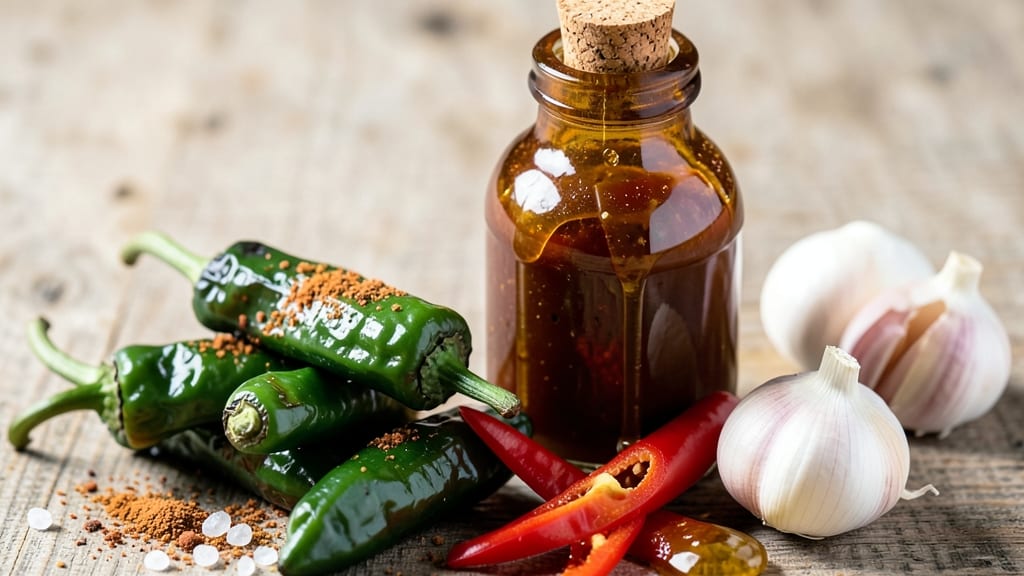
This jalapeño hot sauce recipe with apple cider vinegar delivers restaurant-quality heat in just minutes—no fermentation required. The tangy vinegar base cuts through the pepper's sharpness while preserving its bold, fruity depth, creating a sauce that's perfect for drizzling on tacos, wings, or even deviled eggs.
I developed this after years of testing homemade hot sauces, and this version consistently earns raves for its balanced heat and complex flavor profile that store-bought versions can't match.
The beauty of this recipe lies in its simplicity: just four core ingredients (jalapeños, apple cider vinegar, garlic, and salt) come together through a quick cooking process that preserves all the pepper's natural oils and capsaicin.
Unlike traditional hot sauces that require weeks of fermentation, this version develops its signature smoky, slightly sweet heat in under 30 minutes—ideal for when you need flavor fast. The apple cider vinegar also acts as a natural preservative, keeping your sauce fresh for months in the refrigerator.
What makes this sauce truly special is how versatile it is—adjust the heat by controlling pepper ripeness (green for sharper, red for smoother) and customize the flavor with optional additions like smoked paprika or a touch of honey.
The result is a smooth yet fiery sauce that adds depth to any dish while keeping the focus on the food itself. Whether you're a hot sauce enthusiast or just looking to elevate your meals, this recipe delivers professional-quality results with minimal effort.
Best of all, this hot sauce scales perfectly—double or triple the batch for gifting or stocking your pantry. The instructions walk you through every step, from proper pepper preparation to achieving the ideal consistency.
Let's get started on creating your own bold, tangy hot sauce that'll have everyone asking for the recipe.
Ingredients for jalapeno hot sauce recipe apple cider vinegar
Four core ingredients transform into bold, tangy heat that rivals restaurant-quality sauces.
| Ingredient | Amount | Notes |
|---|---|---|
| Fresh Jalapeño Peppers 🌶️ | 1 lb | Green for sharper heat, red for smoother |
| Apple Cider Vinegar 🍎 | 2 cups | Raw, unfiltered preferred for depth |
| Garlic Cloves 🧄 | 5 whole | Freshly minced for aromatic punch |
| Kosher Salt 🧂 | 1 ½ tbsp | Diamond Crystal preferred for purity |
| Smoked Paprika 🌶️ | 1 tbsp | Optional for smoky complexity |
| Honey 🍯 | 1 tbsp | Optional for subtle sweetness |
| Olive Oil 🫒 | 1 tbsp | Extra-virgin for richness |
The jalapeños are everything here. Green peppers deliver sharper heat, while red ones offer smoother, sweeter depth—pick based on your heat preference. I always grab mine from Trader Joe's or local farmers markets where they're fresher. If you can't find fresh, high-quality frozen jalapeños work in a pinch, just drain them well. The apple cider vinegar should be raw and unfiltered—Bragg's is my go-to, but any good brand with visible sediment will work. Skip the distilled white vinegar; it lacks the fruity complexity that makes this sauce special.
No smoked paprika? Regular paprika at double the amount gives you color without the smoky depth, but it won't be the same. Short on honey? A pinch of maple syrup works, though it's less natural. The olive oil is non-negotiable for emulsification—it binds the vinegar and pepper oils together. If you're making this for gifting, double the batch and store it in amber glass bottles to preserve color. For extra heat, add a dash of cayenne pepper or a few drops of hot sauce to the final blend.
This sauce keeps for up to 6 months in the fridge, though it tastes best within the first month. The vinegar acts as a natural preservative, but always store it in a clean glass jar with a tight seal. For gifting, I use small amber bottles with corks—they look professional and keep the sauce stable. If you make a big batch, portion it into ice cube trays first, then transfer to bottles. Each cube is perfect for single servings, and you can freeze extras for up to 3 months if needed.
Why You'll Love This Recipe
- No-Fuss Infusion: I swear by this recipe because it’s literally dump-and-steep. Toss chopped jalapeños, crushed garlic, and a splash of vinegar into a jar, let it sit—no stirring, no babysitting. The vinegar works its magic while I’m making dinner, and boom, ready when I am.
- Smoky Garlic Kiss: That smoked paprika? It’s the MVP. The jalapeños bring the heat, but the garlic and vinegar soften it into something ridiculously balanced—bright, tangy, with just a hint of smoky sweetness. Drizzle it on eggs, and you’ll forget store-bought ever existed.
- Pantry Staple Power: Between us, this sauce is my secret weapon for everything. Too bland? Add a splash to soups or tacos. Need a quick pick-me-up? Toss it in salad dressings or even marinades. I’ve even used it to wake up boring roasted veggies—works like a charm.
- Makes a Month’s Worth: Honestly, I make a big batch and it lasts. The vinegar preserves the heat and flavor, so I’m not stuck buying expensive hot sauce every week. Plus, the cost? A fraction of what you’d pay at the store—and way better. Win-win.
Step-by-step instructions for jalapeño hot sauce
Here's how to craft a vibrant, balanced hot sauce with layers of heat and tang.
Prepare the Jalapeños for Maximum Flavor
Cut the 1 lb fresh jalapeño peppers in half lengthwise and remove stems and seeds. For extra heat, leave the membranes intact. If you prefer milder sauce, scrape out most of the seeds and veins. Place the jalapeños on a baking sheet and broil for 5-7 minutes until the skins blister and turn black in spots—this deepens their smoky character.
Here's the thing—broiling creates a caramelized edge that transforms the heat from sharp to complex. Watch them closely; charred spots are perfect, but don't let them burn. Once they're done, transfer the jalapeños to a bowl, cover with plastic wrap, and let them steam for 10 minutes. This makes peeling effortless.
Blister the Garlic and Infuse the Oil
While the jalapeños steam, heat the 1 tablespoon olive oil in a small skillet over medium heat. Add the 5 whole garlic cloves and cook until they're golden brown and fragrant—about 2-3 minutes. You want them to sizzle but not burn; burned garlic tastes bitter and overpowers the sauce.
Remove the garlic from the oil and set aside. Keep the infused oil warm as you'll use it later to bind the sauce. The garlic's deep aroma will carry through the entire process, adding a rich, savory foundation that balances the vinegar's acidity.
Combine Ingredients for Fermentation
Peel the blistered jalapeños and roughly chop them. In a blender, combine the jalapeños, the cooked garlic, 2 cups apple cider vinegar, 1.5 tablespoons kosher salt, 1 tablespoon smoked paprika, and 1 tablespoon honey. Blend until completely smooth, scraping down the sides as needed. The mixture should be vibrant green with no visible texture.
Taste a small amount—you'll notice the initial heat from the jalapeños and the sharp tang of the vinegar. The honey and smoked paprika will add subtle sweetness and depth, rounding out the flavors. If the sauce tastes too sharp, add another ½ teaspoon of honey to balance it.
Simmer and Reduce for Concentrated Flavor
Pour the blended mixture into a saucepan and bring it to a gentle simmer over medium-low heat. Let it cook uncovered for 15-20 minutes, stirring occasionally. You're looking for the sauce to reduce slightly and develop a glossy sheen—this concentrates the flavors and removes any raw taste.
Strain the sauce through a fine-mesh sieve into a clean jar, pressing on the solids with a spoon to extract every last drop of liquid. The strained sauce should be smooth and vibrant, with no visible particles. The infused oil you set aside earlier can be whisked in now to add richness and help emulsify the sauce for a silky texture.
Rest and Adjust for Perfect Balance
Let the hot sauce cool to room temperature, then refrigerate for at least 24 hours before using. This resting period allows the flavors to meld and the heat to mellow slightly. After 24 hours, taste the sauce again—you'll notice how the initial sharpness has softened into a more complex, layered heat.
If needed, adjust the balance: add more vinegar for tang, honey for sweetness, or salt for depth. The sauce should be bold but not overwhelming, with a perfect harmony of heat, tang, and smokiness. Once balanced, it'll keep in the refrigerator for up to 3 months, making it perfect for gifting or batch cooking.
Pro Tips For Making Jalapeno Hot Sauce Recipe Apple Cider Vinegar
- REMOVE SEEDS CAREFULLY: I learned this the hard way—leaving even a few seeds in your jalapeños turns your hot sauce into a mouth-on-fire disaster. Use a sharp knife to slice the peppers lengthwise, then scrape out the seeds and membranes with your fingernail (not your teeth, trust me). For extra control, wear gloves if you’re sensitive to capsaicin.
- SIMMER LOW AND SLOW: Cranking the heat to boil this sauce will make it bitter and harsh. Instead, keep it at a gentle simmer—tiny bubbles, barely there—so the flavors meld without turning harsh. I used to rush it, and the vinegar would taste sharp and one-dimensional. Patience here makes all the difference.
- TOAST THE GARLIC FIRST: Raw garlic in hot sauce can taste sharp and metallic. Instead, crush the cloves and toast them in a dry pan for 30 seconds until fragrant and golden. Then toss them into the vinegar with the peppers. It’s a small step, but it rounds out the flavor and keeps the garlic from overpowering the heat.
- STRAIN TWICE IF YOU WANT CLEAR SAUCE: Want a smooth, seed-free sauce? After simmering, strain the mixture through a fine-mesh sieve, then press the solids with a spoon. For extra clarity, strain again through a coffee filter or cheesecloth. It takes 10 minutes but looks like a pro made it—no chunky surprises.
Make-ahead tips for jalapeno hot sauce recipe apple cider vinegar
Batch Prep Strategy
Double or triple the recipe when making ahead—this sauce scales perfectly! Use a large stockpot for bigger batches and maintain the same 15-20 minute simmer time per 2 cups vinegar.
Store finished sauce in amber glass bottles (like Ball Mason jars) to preserve color and quality. I always prep 2 quarts at once for gifting—it makes beautiful presents! 🎁
Freezer Storage Hacks
Portion sauce into ice cube trays before freezing—each cube equals 1 tablespoon of perfect single servings. Once frozen, transfer cubes to ziplock bags with labels. For reheating, thaw a cube in the fridge overnight, then stir into warm dishes.
The texture stays smooth, and you avoid reheating the entire bottle. 🧊
Flavor Development Timeline
Let the sauce rest for 48 hours before final adjustments—this is when the heat mellows and flavors deepen. I taste mine at 24 hours and 48 hours to track progression.
The longer it rests, the smoother the heat becomes. For immediate use, wait at least 4 hours—rushing this step makes the sauce taste raw. ⏳
Gifting Ready
Use small amber bottles with corks (available at Amazon or specialty stores) for professional presentation. Attach a handwritten label with the recipe date and heat level. I include a spoon in each bottle—it's a thoughtful touch that guests appreciate. These bottles keep sauce fresh for 6 months unopened. 💛
Heat Level Control
To adjust heat for different preferences, blend extra jalapeño seeds (for spicier) or red jalapeños (for milder) into the final sauce. For a medium heat version, use ½ lb jalapeños instead of the full pound. Always taste and adjust gradually—you can't remove heat once it's added! 🌶️
Nutrition facts
Frequently asked questions
Can I use dried jalapeños instead of fresh?
Fresh jalapeños work best for vibrant flavor, but you can use ½ cup dried jalapeños (about ¼ lb equivalent) rehydrated in warm water for 10 minutes. Drain well before blending, as excess moisture will dilute your sauce. The heat will be more concentrated, so start with half the amount of fresh peppers called for in the recipe.
How do I make this sauce spicier?
For extra heat, add ½ teaspoon cayenne powder to the blend before simmering, or include extra jalapeño seeds when blending. For a fiery kick, blend in 1-2 drops of hot sauce (like Tabasco) after straining. Remember: you can't remove heat once added, so adjust gradually!
Can I substitute apple cider vinegar?
While apple cider vinegar gives the best fruity depth, you can use white vinegar (for sharper tang) or red wine vinegar (for fruity notes). For a milder version, try rice vinegar, but the heat will be less balanced. If substituting, reduce the honey slightly (½ teaspoon less) as some vinegars are sweeter.
Why does my sauce look cloudy after straining?
Cloudiness usually means unblended pepper particles or oil separation. For smoother results, blend the sauce longer or press it through a cheesecloth-lined strainer. To fix oil separation, whisk in 1 extra tablespoon olive oil or gently reheat the sauce (don't boil) to re-emulsify. The sauce will clear as it rests!
How do I use this hot sauce in cooking?
This versatile sauce works as a marinade, glaze, or finishing drizzle! Toss it with grilled chicken or tofu for 10 minutes before cooking. Use as a glaze for pork ribs by brushing on in the last 5 minutes of grilling. For extra depth, reduce it with ½ cup broth for 5 minutes to create a tangy sauce for tacos or wings.