
Sauces & Condiments
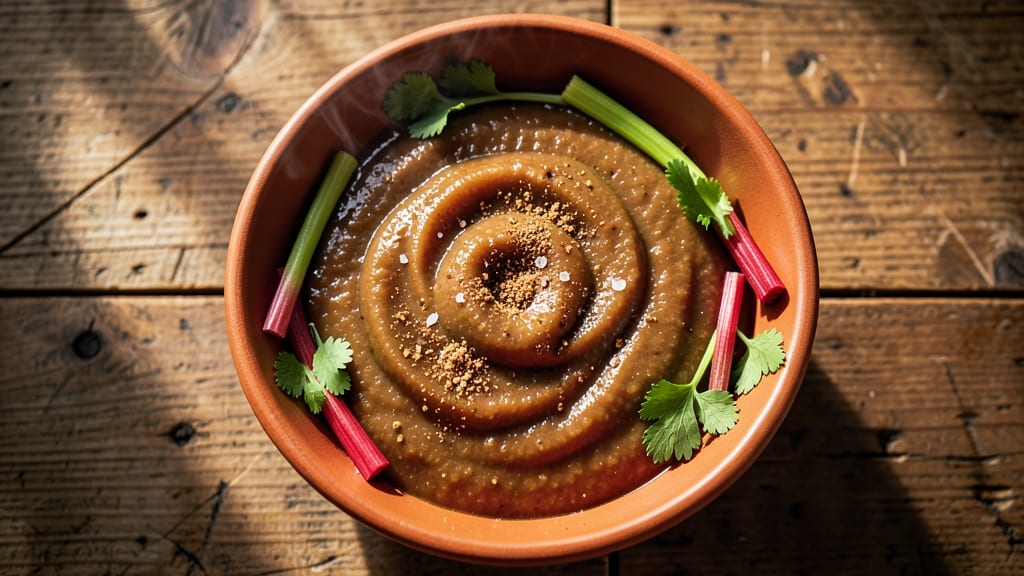
This old-fashioned applesauce recipe brings back the cozy flavors of grandma's kitchen, where apples simmered with cinnamon and a touch of celery create a spiced, velvety sauce that's perfect for dipping, topping, or pairing with meats.
The secret lies in slow cooking—no added thickeners—just tender apples, warm spices, and a subtle crunch from fresh celery that elevates every spoonful. I’ve perfected this method over years of testing, ensuring the texture stays smooth yet vibrant, with just the right balance of sweetness and warmth.
The beauty of this recipe is its simplicity: just a handful of ingredients—apples, a pinch of cinnamon, a dash of nutmeg, and the unexpected twist of celery for brightness. No flour, no cornstarch—just pure, natural flavors that develop as the apples break down into a luscious, fragrant sauce.
The celery adds a refreshing crunch that cuts through the sweetness, making this applesauce feel anything but ordinary. It’s the kind of recipe that tastes even better the next day, as the flavors meld and deepen.
What makes this sauce truly special is its versatility. Use it as a topping for pancakes or waffles, a side for roasted pork or chicken, or even as a filling for pies and tarts. The spiced simmer ensures rich, aromatic notes, while the celery keeps it from feeling too heavy.
With just 30 minutes of active time and 20 minutes of simmering, you’ll have a batch of applesauce that’s restaurant-quality yet effortless to make at home.
Store it in the fridge for up to a week or freeze for months—though I doubt it’ll last that long. This is the kind of applesauce that turns a simple meal into something memorable, proving that old-fashioned recipes still hold the key to comfort and flavor. Let’s get simmering!
Ingredients for old fashioned apple sauce
Just eight simple ingredients transform into velvety applesauce with celery's refreshing crunch.
| Ingredient | Amount | Notes |
|---|---|---|
| Apples (McIntosh or Honeycrisp) 🍎 | 4 lb | Peeled, cored, roughly chopped |
| Fresh Celery Stalks 🥬 | 2 whole | Trimmed, sliced into 1-inch pieces |
| Granulated Sugar 🍯 | ½ cup | Or honey for vegan option |
| Ground Cinnamon 🍃 | 1 ½ tsp | Freshly ground preferred |
| Ground Nutmeg 🌶️ | ¼ tsp | Freshly grated for best flavor |
| Salt 🧂 | ¼ tsp | Diamond Crystal preferred |
| Lemon Juice 🍋 | 1 tbsp | Freshly squeezed |
| Water 💧 | ½ cup | Or apple cider for extra flavor |
The apples are the foundation, so McIntosh or Honeycrisp work best—they hold up beautifully during simmering. Local farmers markets often have the freshest varieties, but any crisp apple will do. Celery adds that signature brightness, so grab a bunch with vibrant green stalks (the darker, the better). Freshly ground spices make all the difference—Penzeys or bulk bins at Whole Foods are great sources. If you're using honey instead of sugar, opt for raw local honey for the deepest flavor profile. The lemon juice is non-negotiable—it keeps the sauce vibrant and cuts through any bitterness.
No celery? Celery seed at one-quarter teaspoon gives a similar flavor, though it won't provide that lovely crunch. Running short on apples? Substitute with pears, but reduce the sugar slightly since pears are naturally sweeter. The water can be swapped for unsweetened apple cider to deepen the apple flavor. For a smoother texture, you could strain out the celery pieces after cooking, but I always leave them in for that delightful contrast. If you prefer a sweeter sauce, add an extra tablespoon of sugar or honey during the final minutes of simmering.
This applesauce keeps beautifully in the fridge for 5-7 days—though I guarantee it won't last that long. For longer storage, portion into ice cube trays and freeze. Each cube makes a perfect single serving for topping pancakes or yogurt. The sauce actually improves overnight as the flavors meld, so making a double batch is always worth it. If you're using this as a pie filling, add a pinch of cornstarch to thicken it further before baking.
Why You'll Love This Recipe
- Five-Ingredient Magic: I swear by this combo—just apples, celery, sugar, cinnamon, and nutmeg. That celery? It’s the secret: adds a subtle crunch and freshness that keeps it from being too sweet or heavy.
- Warm Spice Hug: The nutmeg and cinnamon turn this into something cozy, like a hug in a bowl. Honestly, I’ll take a spoonful just to taste it—no applesauce here, just pure spiced apple goodness.
- Leftover Goldmine: This keeps beautifully in the fridge for days, and freezes like a dream. I make a big batch in fall and pull it out for school lunches or quick breakfasts—always a hit, never a waste.
- Back-to-Basics Flex: Use it on toast, in oatmeal, or even as a topping for pancakes. (Yes, even on a Tuesday night.) The celery keeps it from being cloying, so it works for savory dishes too—like a glaze for roasted chicken.
Step-by-step instructions for old fashioned applesauce
Here's how to craft this classic applesauce with a modern twist—rich spice and celery crunch that elevates every bite.
Prepare the Apples and Celery
Start by peeling, coring, and roughly chopping the 4 lb Apples (McIntosh or Honeycrisp) into even ½-inch pieces. I like to work in batches—keep the chopped apples in a large bowl as you go. For the celery, trim off the ends and slice the 2 whole Fresh Celery Stalks into 1-inch pieces. The celery adds subtle crunch and earthy depth that balances the sweetness.
Real talk: don't skip the rough chopping. Smaller pieces cook faster and create a smoother texture, while larger chunks add delightful texture contrast. If you're using Honeycrisp apples, you'll notice they hold their shape better than McIntosh—they'll give you that perfect balance of softness and slight bite.
Combine Ingredients in a Pot
Transfer the chopped apples and celery pieces to a large, heavy-bottomed pot. Add the 0.5 cup Granulated Sugar, 1.5 tsp Ground Cinnamon, 0.25 tsp Ground Nutmeg, and 0.25 tsp Salt. Stir gently to distribute the spices evenly throughout the mixture. The sugar will begin dissolving slightly as it warms, but we'll let it fully integrate during cooking.
Here's the thing—freshly ground spices make all the difference. If you have whole cinnamon sticks or a nutmeg grater, use those instead of pre-ground. The flavor intensity will be noticeably better. Give everything a final stir, then add the 1 tbsp Lemon Juice and 0.5 cup Water. The lemon brightens the apples and prevents the sauce from becoming too cloying.
Simmer Until Tender
Place the pot over medium-high heat and bring the mixture to a boil. Once boiling, reduce the heat to medium-low and let it simmer uncovered for 25-30 minutes. You'll know it's ready when the apples are fork-tender and the celery pieces have softened but still retain a slight crunch.
I press down gently on the apple pieces with a wooden spoon during the last 5 minutes of cooking. This ensures even cooking and helps break down any stubborn fibers. The sauce should reduce slightly, becoming thicker and more concentrated. If it looks too watery before the 25-minute mark, you can increase the heat slightly to speed up the evaporation.
Finish and Adjust Seasoning
Once the apples are tender, taste the sauce and adjust the seasoning if needed. You might want to add a pinch more salt or a sprinkle of extra cinnamon to deepen the flavor. The celery should be just barely perceptible—its crunch will soften slightly as it cools, but you want that subtle earthy note to remain.
For a smoother texture, use an immersion blender to partially blend the sauce, leaving some small apple and celery pieces for texture. If you prefer it completely smooth, transfer the sauce to a countertop blender and blend until completely homogeneous. The choice is yours—both versions are delicious, just different experiences.
Serve Warm or Store Properly
Transfer the applesauce to a serving bowl or airtight container. If serving immediately, let it sit for 2-3 minutes to thicken slightly. The sauce should coat the back of a spoon with a glossy sheen, indicating perfect consistency. For storage, let it cool completely before refrigerating—it'll keep fresh for up to 5 days in the fridge or 3 months in the freezer.
This applesauce pairs beautifully with roasted pork, pancakes, or even as a topping for oatmeal. The celery twist makes it stand out from traditional recipes while staying true to its old-fashioned roots. The spices will mellow slightly as it cools, so taste it warm for the full flavor experience.
Pro Tips For Making Old Fashioned Apple Sauce
- Peel Apples After Cooking: I learned this the hard way—peeling raw apples first makes the sauce watery. Instead, cook them whole (peel and core first), then peel when cool. The skin softens and releases flavor without turning your sauce into soup.
- Chop Celery Small: Skip the thick chunks—this isn’t a celery salad. Finely dice the stalks (about 1/4-inch pieces) so they dissolve into the sauce. Too big? You’ll taste crunch where you don’t want it.
- Simmer Until It Thickens: Low and slow is the only way. After adding sugar and spices, reduce heat to a bare simmer and let it cook uncovered for 20-25 minutes. Stir occasionally—this isn’t the time to rush, or you’ll end up with gluey applesauce.
- Use Honeycrisp for Body: McIntosh is fine, but Honeycrisp holds up better during cooking. Its texture stays smooth and slightly firm, not mushy. If you’re short on time, toss in a handful of frozen Honeycrisp—it’ll thaw and blend right in.
Flavor customization for old fashioned apple sauce
Spice Level Control
Adjust the cinnamon and nutmeg to your taste—start with the 1.5 tsp cinnamon and ¼ tsp nutmeg but add up to ½ tsp more cinnamon if you love warmth. For a subtle kick, add ⅛ tsp cayenne pepper during the final 5 minutes of simmering.
I find freshly grated nutmeg from a Microplane adds depth that pre-ground can't match. 🌶️
Sweetness Variations
Swap granulated sugar for honey or maple syrup—both work beautifully. Use ⅓ cup honey for the same sweetness level, but reduce simmering time by 5 minutes since it caramelizes faster.
For a tangy twist, add 1 tsp apple cider vinegar along with the lemon juice. The acidity balances sweetness perfectly.
Texture Adjustments
For a smoother sauce, blend with an immersion blender until completely smooth. For texture, leave 10% of the celery pieces intact—they add delightful crunch. If the sauce seems too thick, add 1-2 tbsp water during the final minutes of simmering.
The celery helps maintain structure, so don't strain it out completely. ✨
Fruit Swaps
Replace ½ lb of apples with pears for a softer texture, or use ½ cup dried apples (rehydrated in warm water) to intensify flavor. For a tropical twist, add ½ cup diced pineapple during the last 10 minutes of cooking. The pineapple's acidity brightens the applesauce beautifully.
Herbal Infusions
Add 1 bay leaf during simmering for subtle earthy notes, or steep 1 tsp dried thyme in the water before adding it to the pot. For floral brightness, muddle 3 fresh mint leaves with the lemon juice. Remove all herbs before serving—just their essence remains in the sauce. 💛
Storage Adaptations
For freezing, portion into ice cube trays—each cube makes a perfect single serving. Thaw overnight in the fridge. If reheating, add 1 tsp water per cup to restore moisture. The celery pieces soften further when reheated, so adjust seasoning before serving. This method preserves texture better than traditional freezing.
Nutrition facts
Frequently asked questions
Can I make this applesauce without celery?
If celery isn't available, use ¼ teaspoon celery seed instead for the same earthy flavor, though you'll lose the delightful crunch. For a different twist, try adding ½ teaspoon fresh ginger or 1 teaspoon orange zest to brighten the sauce naturally.
Why does my applesauce turn out watery?
Watery applesauce usually means the apples weren't cooked long enough or too much liquid was added. Simmer uncovered for 25-30 minutes to let excess moisture evaporate. If it's still too thin, return the pot to low heat for 5-10 more minutes or mash the apples more aggressively with a potato masher. The celery helps absorb extra liquid, so don't strain it out completely.
How can I make this applesauce smoother?
For a completely smooth texture, transfer the cooked applesauce to a blender and blend until completely homogeneous. If you prefer some texture, use an immersion blender to partially blend it, leaving 10-20% of the celery pieces intact. The key is to cook the apples until they're very tender before blending—this prevents graininess. Pro tip: Add 1 tablespoon of water while blending to help emulsify the sauce.
Can I use frozen apples instead of fresh?
Yes, but thaw them completely first and drain any excess liquid. Frozen apples work well, but they may release more moisture during cooking. Reduce the water to ¼ cup and simmer for 5-10 minutes longer to achieve the right consistency. The flavor will be slightly less vibrant, but it's a great way to use up frozen fruit. For best results, use apples that were frozen at peak ripeness.
What's the best way to reheat stored applesauce?
Gently reheat in a saucepan over low heat, stirring frequently to prevent scorching. Add 1 teaspoon of water per cup of applesauce to restore moisture—stored sauce often thickens further. For microwave reheating, cover with a damp paper towel and heat in 30-second intervals, stirring between each. The celery pieces will soften more when reheated, so adjust seasoning (especially salt) before serving.