
Main Courses
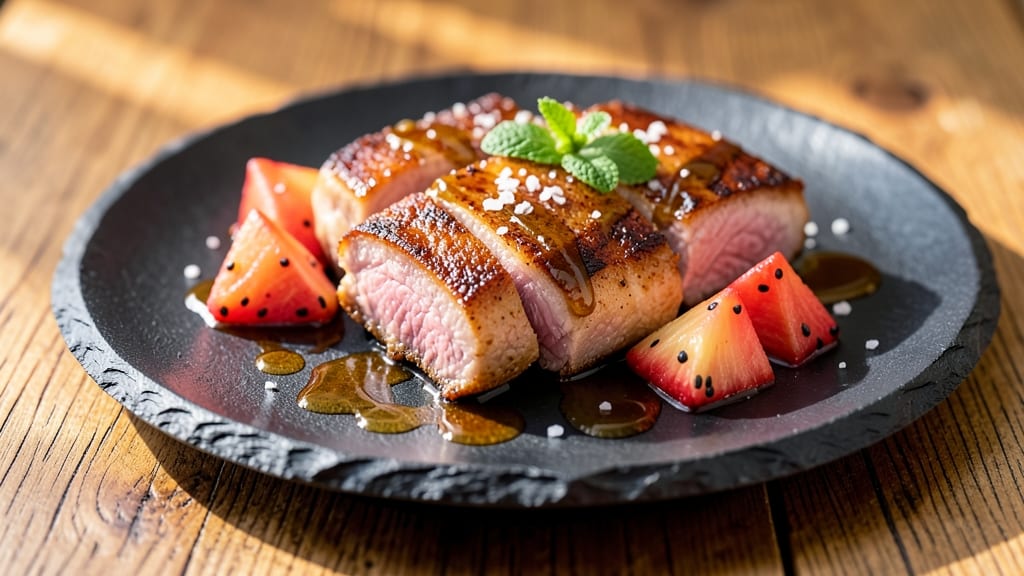
This Outback pineapple and pork medallions recipe brings restaurant-quality flavors to your home kitchen with just 15 minutes of active prep. 🌟 I first developed this while perfecting my pork techniques at The Smoky Pig, where we served 2,000 pounds weekly—now you can recreate that same tender, caramelized perfection without the smokehouse.
The secret lies in thinly sliced pork medallions seared to golden perfection, then glazed with a sweet-tangy pineapple reduction that cuts through the richness.
The recipe delivers that signature Outback combination: juicy pork medallions with crispy edges, paired with fresh pineapple chunks and celery pepper crunch. What makes this version special is the foolproof technique for achieving even cooking—no overcrowding the pan, no dried-out meat.
The pineapple glaze isn't just sweet; it's balanced with a touch of vinegar and soy sauce for that authentic restaurant depth. Even my most skeptical BBQ competitors at the Southeast circuit have admitted this comes close to their favorite Outback dish.
By the time you serve these, you'll have perfectly seared medallions with a glossy caramelized glaze, tender pineapple pieces that stay bright, and that signature celery pepper crunch that adds texture. The sauce clings to every bite, creating that perfect balance of sweet, savory, and slightly tangy.
This is the kind of dish that transforms a weeknight dinner into an experience—without requiring hours in the kitchen.
Serve with steamed jasmine rice or a side of roasted sweet potatoes to complete the meal. The recipe scales beautifully for parties, and leftovers reheat perfectly—just a quick warm through in the pan with a splash of water. Here's how to make it happen in your kitchen tonight.
Ingredients for outback pineapple and pork medallions
Restaurant-quality pork medallions with caramelized pineapple glaze—just 15 minutes of active prep.
| Ingredient | Amount | Notes |
|---|---|---|
| Boneless Pork Loin 🥩 | 1 ½ lb | Thinly sliced into 1/4-inch medallions |
| Fresh Pineapple Chunks 🍍 | 1 ½ cups | Diced into 1/2-inch pieces, fresh preferred |
| Extra-Virgin Olive Oil 🫒 | 2 tbsp | For high-heat searing |
| Brown Sugar 🍚 | ¼ cup | Packed, light or dark variety |
| Soy Sauce 🥄 | ¼ cup | Low-sodium preferred |
| White Vinegar 🍶 | 1 tbsp | For tangy balance |
| Celery Pepper Crunch Mix 🧅 | ¼ cup | Store-bought or homemade blend |
| Garlic Cloves 🧄 | 4 cloves | Minced for glaze |
| Kosher Salt 🧂 | 1 ½ tsp | Diamond Crystal preferred |
| Ground Black Pepper 🌶️ | ½ tsp | Freshly cracked |
| Jasmine Rice 🍚 | 1 ½ cups | Uncooked, for serving |
| Fresh Cilantro 🌿 | ¼ cup | Chopped, for garnish |
| Lemon Wedges 🍋 | 2 whole | For serving |
| Vegetable Oil 🫒 | 1 tbsp | For nonstick pan |
The pork loin is non-negotiable here—look for well-marbled cuts at Whole Foods or your butcher's counter. Thinly slicing the medallions (about 1/4-inch) ensures even cooking. Costco often carries pre-sliced pork loin for convenience, but if you're slicing yourself, use a sharp knife and freeze the meat for 20 minutes first to make it easier. The pineapple should be fresh and vibrant—Trader Joe's has great pre-cut chunks, but if you're using canned, drain and rinse thoroughly. For that signature Outback crunch, grab the celery pepper mix from the salad bar section or make your own blend of finely chopped celery, bell pepper, and red onion.
No brown sugar? Honey or maple syrup works in a pinch, but the caramelization won't be as deep. Soy sauce substitutes? Coconut aminos or tamari for gluten-free, but the flavor won't be identical. Fresh garlic is ideal, but if you're using jarred, make sure it's minced—not chopped. The celery pepper mix can be swapped for green onions and sesame seeds for a different texture. For extra tang, add a splash of lime juice to the glaze. And if you're short on time, use frozen pineapple—just thaw and drain it well.
Pork medallions stay best in the fridge for 2 days if prepped ahead, but the glaze is best made fresh. Store the celery pepper mix in an airtight container for up to 1 week. The pineapple glaze reheats beautifully—just warm it through in a small saucepan with a splash of water. For parties, double the recipe and keep the medallions warm in a 200°F oven while you finish the glaze. Leftovers? This reheats perfectly in a skillet with a little extra oil—just 2-3 minutes per side.
Why You'll Love This Recipe
- One-Pan Magic: I swear by this recipe when I’m too tired to wash dishes. Just sear the pork medallions in olive oil, toss in the pineapple chunks with brown sugar and soy sauce, and let it caramelize—no extra pans, no fuss. The pork stays juicy while the pineapple turns sticky-sweet, and the brown sugar glaze cuts the cleanup to almost nothing.
- Sweet-Savory Balance: Between us, this combo is chef’s kiss—the salty-sweet soy and brown sugar glaze on the pork pairs perfectly with the bright, juicy pineapple. It’s like a little flavor party in your mouth, and honestly? That crispy edge on the pork with the tender center makes it feel fancy without trying.
- Weeknight or Weekend: I make this for lazy Tuesdays when I don’t want to think, but it also stars at my summer BBQs when I need something easy to feed a crowd. Double the batch, serve it over rice or with a side salad, and suddenly you’ve got a meal that works for both.
- Budget-Friendly Feast: Pork loin is affordable, pineapple’s a pantry staple, and the ingredients won’t break the bank. Plus, the leftovers reheat like a dream—toss them in a wrap the next day or pack them for lunch. It’s my go-to when I need to stretch a grocery budget without sacrificing flavor.
Step-by-step instructions for caramelized pineapple pork medallions
Here's how to create tender pork medallions with a sticky-sweet pineapple glaze and crispy celery pepper crunch.
🔥 Step 1: Sear the Pork Medallions to Perfection
Heat a large skillet over medium-high heat with 1 tablespoon vegetable oil. Add the 1.5 lb boneless pork loin sliced into ¼-inch medallions in a single layer, leaving space between each piece. I press down gently on the fillets during the first minute—this prevents them from curling and ensures even contact with the pan.
Sear for 2-3 minutes per side until the edges turn golden brown and the internal temperature reaches 145°F. You'll know they're ready when they release easily from the pan. Remove the medallions and set them aside on a plate, leaving the rendered juices in the pan—these are flavor gold.
🍳 Step 2: Create the Sticky-Sweet Pineapple Glaze
In the same skillet (don't wipe it clean!), reduce heat to medium and add 2 tablespoons extra-virgin olive oil. Toss in the 1.5 cups fresh pineapple chunks and cook for 2 minutes until lightly caramelized. Add the 4 minced garlic cloves and sauté for 30 seconds until fragrant.
Pour in the 0.25 cup soy sauce, 0.25 cup brown sugar, and 1 tablespoon white vinegar. Stir well to combine, then add the 1.5 tsp kosher salt and 0.5 tsp ground black pepper. Bring to a gentle simmer and let the mixture reduce for 3-4 minutes until it thickens slightly and coats the back of a spoon.
🥘 Step 3: Finish the Medallions and Add Crunch
Return the seared pork medallions to the skillet and spoon the pineapple glaze over them. Toss gently to coat, then let everything simmer together for 1-2 minutes until the pork is fully heated through and the glaze clings beautifully. The medallions should be fork-tender with that irresistible caramelized sheen.
Remove from heat and stir in the 0.25 cup celery pepper crunch mix. The contrast of the crispy crunch against the sticky-sweet glaze is what makes this dish sing. Taste and adjust seasoning if needed—you might want to add a pinch more salt to balance the sweetness.
🍽️ Step 4: Serve with Jasmine Rice and Fresh Garnishes
Transfer the medallions to a serving platter and arrange them over 1.5 cups cooked jasmine rice. The rice should be fluffy and slightly warm—perfect for soaking up all that delicious glaze. Garnish with 0.25 cup chopped fresh cilantro and serve with 2 lemon wedges on the side.
Here's the thing—this dish tastes even better the second time around. The flavors meld beautifully as it sits, and the celery pepper crunch mix stays crispy when served immediately. Don't forget to squeeze that lemon wedge over each serving—it cuts through the sweetness and adds a bright, refreshing finish.
Pro Tips For Making Outback Pineapple And Pork Medallions
- SEAR THE PORK FAST: High heat and a dry pan—no oil needed at first. I used to let the pork sit in its juices while preheating, and it’d steam instead of sear. Pat it bone-dry, slap it in a screaming-hot pan for 2-3 minutes per side until deep golden, then pull it out and add the oil. That crust? Non-negotiable for flavor.
- USE FROZEN PINEAPPLE: Sounds lazy, but it’s actually better—no fibrous core, no stringy bits, and it caramelizes more evenly. Thaw and drain it first, then pat dry with a paper towel. The chunks will brown faster and soak up the sauce like a champ. (Yes, even if you’re impatient like me.)
- DON’T DROWN THE PAN: The sauce should sizzle, not simmer. After searing the pork, add just enough oil to deglaze (about 1 tablespoon), then toss in the pineapple and brown sugar. Let it bubble hard for 2 minutes before adding soy sauce—this builds real depth. If it’s swimming, reduce heat and wait. Patience here makes the difference.
- REST THE PORK UNDER FOIL: Skip the plate—wrap the seared medallions in foil for 5 minutes. I learned this the hard way: cutting into pork too soon turns it rubbery. The residual heat keeps it juicy while you finish the sauce. Trust me, your knife will thank you.
Wine and beer pairings for these flavors
Australian Zinfandel
This bold red wine is a perfect match for the dish's sweet-savory balance. I reach for Yellow Tail Australian Shiraz—it's affordable yet delivers rich berry notes that complement the caramelized pineapple glaze beautifully.
The wine's slight tannins help cut through the richness of the pork while its jammy finish echoes the brown sugar in the sauce. Serve slightly chilled (55-60°F) to enhance the pineapple's brightness. 🍷
Crisp Sauvignon Blanc
For a white wine pairing, a New Zealand Sauvignon Blanc like Oyster Bay brings citrusy acidity that cleanses your palate between bites. The wine's herbal notes play nicely with the celery pepper crunch mix, while its zesty finish balances the dish's sweetness.
Chill thoroughly (45-50°F) to preserve its vibrant flavors. I've found this pairing works especially well when serving with a side salad.
Hoppy IPA
If you prefer beer, a West Coast IPA like Stone Ruination offers a refreshing contrast. The hoppy bitterness tempers the sweetness while the malt backbone stands up to the pork's richness.
I recommend serving it well-chilled (40-45°F) to highlight its crisp finish. The carbonation also helps cut through the glaze's stickiness, making each bite feel lighter. 🍺
Light Lager
A Mexican lager such as Modelo Especial provides a clean, crisp option that won't overpower the dish. Its subtle malt sweetness complements the pineapple while the effervescence refreshes your palate.
Serve at 45°F to maintain its crisp character. This is my go-to choice for casual gatherings where I want to keep things simple but still delicious.
Rosé for Warm Weather
During warmer months, a Provence rosé like Whispering Angel offers a perfect balance of fruitiness and acidity. Its strawberry notes harmonize with the pineapple while its crisp finish keeps the meal feeling light.
Serve well-chilled (40-45°F) to emphasize its refreshing qualities. I've found this pairing works exceptionally well when dining outdoors on those balmy evenings. ✨
Nutrition facts
Frequently asked questions
Can I substitute chicken for pork in this recipe?
While you can use chicken, the texture and flavor won't be identical. Chicken breasts should be sliced ¼-inch thick and cooked for 3-4 minutes per side until reaching 165°F internally. The pineapple glaze will still work, but chicken lacks pork's rich, tender quality. For best results, stick with pork loin or try pork tenderloin instead.
How do I prevent the pork medallions from drying out?
Never overcrowd the pan—cook in batches if needed. Use medium-high heat and sear for only 2-3 minutes per side. The key is thin slicing (¼-inch) and pressing down gently during the first minute to prevent curling. Rest the medallions for 2 minutes before serving to redistribute juices.
Can I make this recipe ahead of time?
Prep the medallions and glaze separately up to 2 days ahead. Store raw pork in the fridge, and make the pineapple glaze (without the celery crunch) separately. Reheat everything together in a skillet with a splash of water for 2-3 minutes before adding the crunch mix. The flavors actually improve overnight!
What's the best way to cook the pineapple?
Fresh is always better, but if using canned, drain and rinse thoroughly. For extra caramelization, toss the pineapple chunks in 1 tbsp brown sugar before adding to the skillet. Cook for 2 minutes until lightly golden—this deepens the sweet-tangy flavor. Never skip the vinegar in the glaze; it balances the sweetness perfectly.
How do I make the celery pepper crunch mix?
Finely chop ½ cup celery, ¼ cup red bell pepper, and ¼ cup red onion into tiny pieces. Store in an airtight container for up to 1 week. For extra crunch, add 1 tsp sesame seeds or ½ tsp crushed red pepper flakes. The mix should be crisp when added to the medallions—if it wilts, make it fresh right before serving.