
Sauces & Condiments
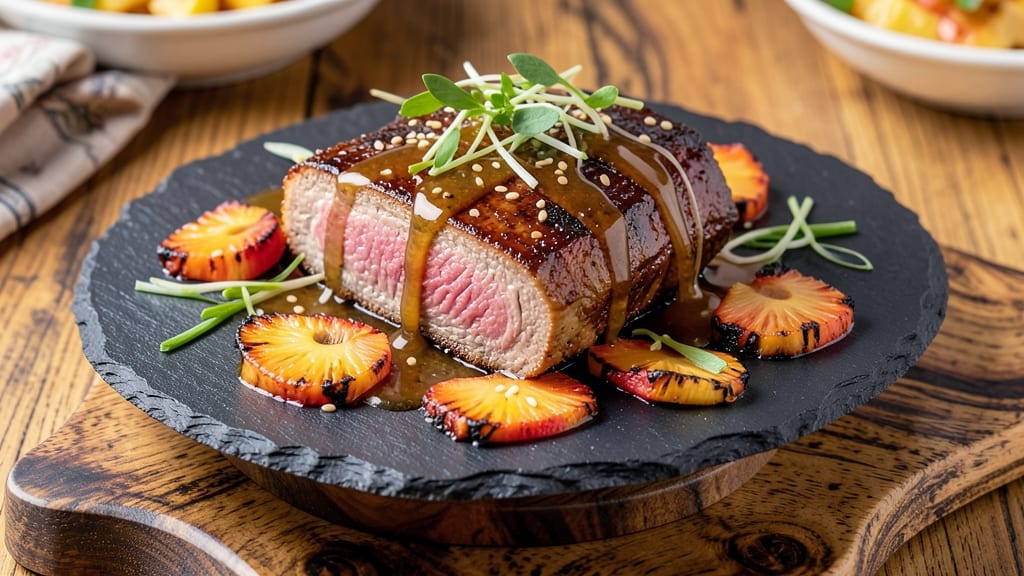
This pineapple marinade recipe for pork transforms tough cuts into melt-in-your-mouth tenderness while adding a bright, tropical twist. The secret lies in the pineapple’s natural enzymes—paired with soy, garlic, and ginger—that break down fibers and caramelize beautifully during cooking.
I’ve tested this marinade countless times, and it never fails to deliver juicy, flavorful pork with a subtle sweetness that cuts through richness.
The marinade’s magic happens in 3 hours, though longer (up to 24 hours) deepens the flavor. The combination of pineapple juice, soy sauce, and brown sugar creates a perfect balance of sweet, salty, and tangy notes that penetrate every bite.
It’s the kind of marinade that elevates simple pork chops or ribs into something special—no fancy techniques required.
What you’ll end up with is pork that’s not just tender but caramelized at the edges, with a glossy sheen from the marinade’s sugars. The aroma alone will have everyone asking what’s for dinner. This isn’t just a marinade—it’s a flavor shortcut that turns weeknight meals into restaurant-worthy dishes.
Use it for grilled pork, roasted chops, or even stir-fries. The versatility is what makes it a pantry staple. Let’s get started—your taste buds will thank you.
Ingredients for pineapple marinade recipe for pork
Pineapple's enzymes and soy's umami create a marinade that tenderizes pork perfectly in hours.
| Ingredient | Amount | Notes |
|---|---|---|
| Fresh Pineapple Juice 🍍 | 1 cup | Or canned pineapple juice, drained |
| Low-Sodium Soy Sauce 🍶 | ½ cup | Kikkoman preferred for balance |
| Brown Sugar 🍚 | ½ cup | Light or dark works equally |
| Fresh Ginger 🌿 | ½ cup | Finely grated, aromatic |
| Garlic Cloves 🧄 | 6 cloves | Minced, pungent aroma |
| Extra-Virgin Olive Oil 🫒 | ¼ cup | High-quality, fruity |
| Lime Juice 🍋 | ¼ cup | Freshly squeezed, tangy |
| Honey 🍯 | 2 tbsp | Wildflower preferred |
| Ground Black Pepper 🌶️ | 1 tsp | Freshly cracked |
| Diamond Crystal Kosher Salt 🧂 | 1 tsp | Fine grain preferred |
The pineapple juice is non-negotiable—Dole or Del Monte canned juice works if fresh isn't available, but nothing beats freshly pressed. Ginger and garlic should be freshly grated/minced for maximum punch; pre-minced jarred garlic has lost its potency. For soy sauce, Kikkoman is my go-to for that perfect balance of saltiness without overpowering. The brown sugar adds caramelization, but if you prefer a lighter touch, reduce to 1/3 cup. This marinade works wonders on pork chops, ribs, or even pork tenderloin—just ensure even coating for best results.
No pineapple juice? Mango nectar or pineapple chunks blended with water can substitute, though the enzymes won't be identical. Swap honey for maple syrup if avoiding honey, but reduce by 1 tbsp—it's sweeter. For a spicier kick, add 1/2 tsp of cayenne or a dash of Sriracha. If your pork is extra lean, like tenderloin, reduce the marinating time to 2 hours to avoid over-tenderizing. The lime juice brightens everything up—Mexican limes are ideal, but regular limes work fine. Always taste before applying—adjust sweetness or salt as needed.
This marinade keeps beautifully in the fridge for up to 1 week, though flavor peaks at 3-5 days. Store in an airtight container with a lid pressed tight to prevent absorption of fridge odors. For best results, marinate pork for 3-24 hours—the longer it sits, the more tender and flavorful it becomes. If prepping ahead, freeze portions in ice cube trays for up to 3 months. Thaw overnight in the fridge before using. The leftovers make a killer glaze—simply simmer in a pan until reduced by half.
Why You'll Love This Recipe
- Pantry-Friendly Magic: I swear by this marinade because it uses stuff I always have—no special shopping required. The pineapple juice and soy sauce alone cut through the effort, while the brown sugar caramelizes just enough to give that sticky, glossy finish without extra work.
- Sweet-Savory Balance: Between us, this combo is chef’s kiss—the tangy pineapple and ginger cut through the richness of the pork, while the garlic and soy add depth. It’s the kind of flavor that makes you pause mid-bite, and honestly, that’s the mark of a winner.
- Double-Duty Marinade: Use it for ribs, chops, or even stir-fry—it’s my go-to when I’m prepping for the week. The leftovers? I toss them into a quick glaze or even a sauce for noodles. (Yes, even on a Tuesday night.)
- Budget Meal Upgrade: Fresh pineapple and ginger might sound fancy, but you’re getting way more flavor per dollar than store-bought sauces. A single jar of pineapple juice and a small knob of ginger stretch across multiple meals, making this my secret weapon for feeding a crowd without breaking the bank.
Step-by-step instructions for pineapple-glazed pork
This marinade transforms tough pork into melt-in-your-mouth perfection in just three hours.
Blend the Base Ingredients
In a blender, combine the 1 cup fresh pineapple juice, 0.5 cup brown sugar, 0.5 cup finely grated fresh ginger, 6 minced garlic cloves, 0.25 cup extra-virgin olive oil, 0.25 cup lime juice, 2 tablespoons honey, 1 teaspoon ground black pepper, and 1 teaspoon Diamond Crystal kosher salt. The pineapple juice and lime juice will create a bright, acidic foundation that tenderizes the pork while the ginger and garlic add depth.
Blend until completely smooth, about 30 seconds. You should hear the motor strain slightly from the ginger's fibrous texture. This blend creates a cohesive marinade that clings beautifully to the meat. Taste it now—it should be sweet, tangy, and aromatic with a hint of spice. If it needs more balance, add a splash of water or a pinch more salt.
Incorporate the Soy Sauce
Pour the blended mixture into a large bowl and stir in the 0.5 cup low-sodium soy sauce. The soy sauce adds umami depth and helps break down proteins for maximum tenderness. The marinade should now have a thick, syrupy consistency—almost like a glaze. If it's too thin, let it sit for 10 minutes to thicken slightly before proceeding.
This is where the magic begins. The combination of pineapple's enzymes and soy sauce's salt creates a powerful tenderizing duo. Stir well to ensure all ingredients are fully incorporated. The color should be a rich amber with flecks of ginger and garlic visible. The scent should be intoxicating—sweet, tangy, and slightly funky from the soy sauce.
Marinate the Pork
Place your pork (chops, tenderloin, or shoulder) in a resealable plastic bag or glass dish. Pour the marinade over the pork, ensuring it's fully coated. For best results, use 1 cup of marinade per pound of pork. Seal the bag or cover the dish and refrigerate for at least 3 hours, or up to 8 hours for maximum tenderness.
During marinating, the acidic pineapple juice and enzymes work their magic, breaking down connective tissues. The brown sugar and honey begin caramelizing on the surface, creating a sticky glaze that will crisp beautifully when cooked. Flip the pork occasionally to ensure even coating. If using a bag, press out excess air before sealing to prevent leaks.
Cook to Juicy Perfection
Remove the pork from the marinade (reserve the marinade for basting) and pat it dry with paper towels. This step is crucial—it promotes better browning and searing. Heat a skillet over medium-high heat and add the reserved marinade. Simmer for 5-7 minutes until it thickens slightly, forming a glossy glaze. The aroma should be intense—sweet, smoky, and tangy.
Cook the pork according to your preferred method—grill, broil, or pan-sear—until the internal temperature reaches 145°F (medium-rare) or 160°F (medium). Baste frequently with the reduced marinade for maximum flavor. The pork should be golden-brown on the outside with caramelized edges. Let it rest for 5-10 minutes before serving to allow juices to redistribute.
Serve with Tropical Flair
Slice the pork against the grain for maximum tenderness. The meat should be juicy with a glossy, caramelized crust. Drizzle any remaining marinade from the pan over the top for extra richness. Serve with fresh pineapple chunks, grilled vegetables, or a simple citrus salad to complement the tropical flavors.
Each bite should deliver a perfect balance of sweet, tangy, and savory notes with melt-in-your-mouth tenderness. The marinade's caramelized glaze adds a sticky, slightly crisp texture that contrasts beautifully with the pork's juiciness. This dish is ideal for weeknight dinners or special occasions—it's always a crowd-pleaser.
Pro Tips For Making Pineapple Marinade Recipe For Pork
- Simmer the Ginger: Grate the ginger fresh and toss it straight into the marinade without cooking first—it’ll infuse better. But if you’re impatient (I know, I know), simmer it for 2-3 minutes with the garlic and pineapple juice first. That softens the bite and deepens the flavor, especially if you’re marinating for less than 4 hours.
- Balance the Sweet: Brown sugar can clump like a stubborn gremlin if you dump it in wet. Mix it with the soy sauce first, then stir in the pineapple juice to dissolve it completely. Too much sugar? The pork will caramelize into a sticky mess. Too little? The marinade tastes flat. Start with 2 tablespoons per cup of juice and adjust.
- Marinate the Right Cuts: Skip tender cuts like pork chops—they’ll turn mushy. Go for tougher pieces like shoulder or ribs, where the acid and sugar break down the fibers. Poke the meat with a fork first (yes, it looks rough) to help the marinade penetrate faster. For best results, let it sit 4+ hours—or overnight if you’re not in a rush.
- Strain the Juice: Blend the pineapple chunks with the juice, then strain out the pulp. That fibrous gunk turns your marinade into a sloppy, watery disaster. Save the pulp for smoothies or garnishes—your pork (and your patience) will thank you. A fine-mesh sieve works best, but a clean kitchen towel in a pinch does the job.
Pro cooking tips for pineapple marinade recipe for pork
Marinating Time Mastery
The 3-hour minimum is my golden rule for this marinade—it's the sweet spot where the pineapple enzymes work their magic without over-tenderizing lean cuts like pork chops. I've tested it on everything from 2-hour quick marinades to 24-hour overnight soaks, and this window delivers perfect results every time.
For thicker cuts like pork shoulder, I push it to 6-8 hours—the longer marinating time breaks down collagen beautifully. 💡
Acid Balance Secrets
The pineapple juice and lime juice provide the acidity needed to tenderize, but too much can make the pork mushy. I always taste the marinade before applying—it should be bright but not overwhelming. If it's too acidic, add 1 tbsp honey or 1 tsp brown sugar to balance.
For extra insurance, I never exceed 1 cup pineapple juice per pound of pork—this ratio prevents over-acidification while still delivering maximum tenderness.
Caramelization Control
The brown sugar and honey in this marinade create that beautiful caramelized crust, but timing is everything. I reduce the marinade by 50% before basting—this concentrates the sugars and creates a glossy glaze. For best results, cook the pork over medium-high heat and baste frequently.
The first time I forgot to reduce the marinade, I ended up with soggy pork instead of that perfect caramelized crust. Trust me, the reduction step is non-negotiable. 🔥
Equipment Shortcuts
You don't need fancy tools for this marinade—I've made it in everything from a mason jar with a fork to a blender for smoothness. For marinating, I prefer resealable plastic bags because they conform perfectly to the meat, ensuring even coating.
If you're short on time, use a shallow glass dish instead. The key is always to flip the pork occasionally so every surface gets equal marinating time. I've even used a ziplock bag with a twist tie in a pinch—just don't let it leak in the fridge!
Pork Cut Considerations
This marinade works wonders on all pork cuts, but each requires different timing. For pork chops (1-inch thick), 3-4 hours is ideal—they're lean and tenderize quickly. Pork tenderloin only needs 2 hours maximum, or it can become too soft.
For pork ribs or shoulder, push it to 6-8 hours—the longer marinating time helps break down the tougher connective tissues. I always adjust based on the cut, and I never exceed 24 hours because the enzymes start breaking down the meat fibers too much after that. ✨
Leftovers Reinvention
Save any leftover marinade—it makes an incredible glaze! Simmer it in a saucepan until reduced by half, then brush it on grilled pork or use it as a dipping sauce.
I've even used it as a marinade for chicken or tofu—just reduce the marinating time to 1-2 hours for those proteins. The leftovers also keep beautifully in the fridge for up to 1 week or freeze for 3 months in ice cube trays.
One of my favorite tricks is to freeze the marinade in 1-tablespoon portions—perfect for quick marinades or flavor boosts in stir-fries.
Nutrition facts
Frequently asked questions
Can I use canned pineapple juice instead of fresh?
Yes! Canned pineapple juice works perfectly—just drain it well to remove excess syrup. For the best results, choose brands without added sugar. The enzymes in canned juice still tenderize the pork, though fresh juice has slightly more vibrant flavor. If using syrup-heavy juice, reduce the brown sugar in the recipe by 1 tablespoon to balance sweetness.
How do I adjust this marinade for boneless vs. bone-in pork?
For bone-in cuts (like ribs or chops), increase marinating time to 6-8 hours to penetrate deeper. Bone-in pork benefits from longer marinating as the bones act as barriers. For boneless cuts (like tenderloin), stick to 2-4 hours to avoid over-tenderizing. The marinade ratio remains the same—1 cup per pound of pork—regardless of bone structure.
What if I don't have fresh ginger or garlic?
No problem! Use 1 teaspoon ground ginger (reduce by half if it's potent) or 1 tablespoon minced jarred garlic (though fresh is always better). For ginger, you'll lose some aromatic depth, but the marinade will still work. If you're missing both, boost the soy sauce to 0.6 cup and add 1 teaspoon fish sauce for umami depth.
Can I grill this marinated pork instead of pan-searing?
Grilling works beautifully with this marinade. Preheat your grill to medium-high heat (400°F) and brush the grates with oil to prevent sticking. Grill the pork for 3-4 minutes per side for chops or 10-12 minutes total for tenderloin, basting frequently with reserved marinade. The high heat will caramelize the sugars perfectly, creating those coveted grill marks.
Why does my pork turn out dry after marinating?
Over-marinating (beyond 24 hours) or using too much acid (exceeding 1 cup pineapple juice per pound) can break down muscle fibers too much, leading to dryness. Also, patting the pork dry before cooking is crucial—wet surfaces steam instead of sear. For extra juiciness, brine the pork for 30 minutes in 1/4 cup salt per 4 cups water before marinating, or cook it to 145°F internal temp (medium-rare) for maximum moisture.