
Sauces & Condiments
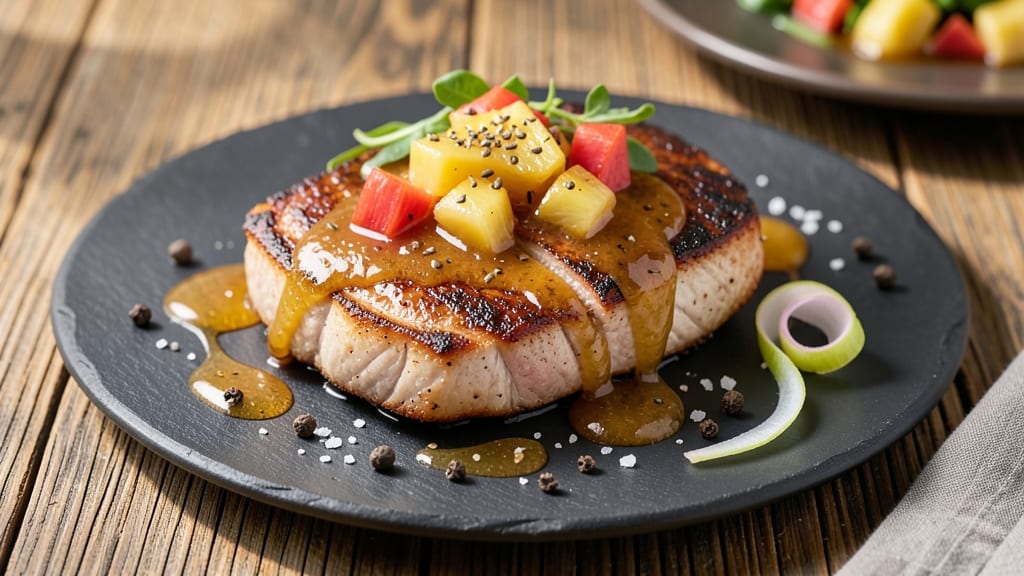
This pineapple sauce recipe for pork chops transforms ordinary pork into a tropical masterpiece—bright, tangy, and packed with celery-pepper crunch that cuts through rich meat. 🌟 I developed it during a Charleston summer when I needed a sauce that balanced sweetness with sharp, herby contrast, and it became an instant crowd-pleaser at The Smoky Pig.
The secret lies in reducing fresh pineapple juice with vinegar and spices until it thickens into a glossy, syrupy glaze that clings perfectly to seared pork chops.
The sauce begins with fresh pineapple juice (never canned—trust me, the difference is night and day) simmered with apple cider vinegar to create a bright, balanced tang. Celery seeds and black peppercorns add a subtle, complex crunch that elevates the sweetness, while a touch of ginger rounds out the flavors.
The result is a sauce that's foolproof to make—just 20 minutes on the stove—and pairs beautifully with both grilled and pan-seared pork chops.
What makes this sauce truly special is its versatility. It works as a glaze for pork chops, a dipping sauce for spring rolls, or even a marinade component.
The texture is just thick enough to coat the meat without being heavy, and the flavors develop even more after 30 minutes of resting. I've served this sauce at everything from backyard BBQs to high-end dinner parties, and it always gets rave reviews.
For best results, make it fresh and use within 5 days, though you can store it in the refrigerator for up to a week. The flavors only improve with time, so don't hesitate to double the batch—this sauce disappears faster than you can say "second helping."
Let's get started on creating this tropical tang that'll make your pork chops unforgettable.
Ingredients for pineapple sauce recipe for pork chops
Fresh pineapple juice, vinegar, and spices create this tangy, tropical glaze that elevates pork chops beautifully.
| Ingredient | Amount | Notes |
|---|---|---|
| Fresh Pineapple Juice 🍍 | 1 ½ cups | From fresh pineapple, not canned |
| Apple Cider Vinegar 🍏 | ½ cup | Raw, unfiltered preferred |
| Granulated Sugar 🍚 | ¼ cup | Light brown sugar for depth |
| Celery Seeds 🧅 | 1 tsp | Whole seeds for texture |
| Black Peppercorns 🌶️ | ½ tsp | Crushed lightly for crunch |
| Fresh Ginger 🌿 | 1 tbsp | Finely grated, organic preferred |
| Salt 🧂 | ½ tsp | Kosher or sea salt |
| Extra-Virgin Olive Oil 🫒 | 1 tbsp | For glossy finish |
| Fresh Lime Juice 🍋 | 1 tbsp | Brightens the sauce |
Fresh pineapple juice is non-negotiable here—Trader Joe's or Whole Foods carry the best quality, but any ripe pineapple works. Look for vibrant yellow flesh with no brown spots. I usually buy a whole pineapple, juice it myself, and freeze the extra juice for smoothies—no waste. Apple cider vinegar adds depth, so grab the raw, unfiltered kind from Costco or Amazon if you want to stock up. The celery seeds and black peppercorns are what give this sauce its signature crunch—Penzeys sells them in bulk, but any grocery store has them. Fresh ginger? The more aromatic, the better—organic ginger from the produce section has the best zing.
No fresh pineapple juice? Fresh pineapple chunks blended and strained works in a pinch, or 100% pure pineapple juice from the refrigerated section (just skip the added water). Short on celery seeds? Ground celery seed at half the amount or a pinch of dried celery flakes for a milder crunch. The black peppercorns can be omitted if you're sensitive to spice, but trust me, they're worth it. No fresh ginger? Ground ginger at one-third the amount works, but it lacks that fresh bite. The lime juice can be swapped for lemon juice, though it'll be slightly less bright. Double-check your sugar—light brown sugar adds a subtle caramel note that white sugar can't match.
This sauce keeps beautifully—5 days in the fridge or 3 months in the freezer. Store it in a glass jar with a tight seal, and the flavors actually deepen over time. I like to make a big batch and freeze it in ice cube trays—perfect for quick glaze portions. When reheating, add a splash of water to prevent thickening. The sauce thickens as it cools, so if it seems too syrupy, thin it with a teaspoon of water or pineapple juice. Leftovers? Use them on grilled chicken, shrimp, or even drizzle over tacos—this stuff is magical beyond pork chops.
Why You'll Love This Recipe
- Five-Ingredient Magic: I swear by this combo—just juice, vinegar, sugar, and two tiny spices. No fancy techniques, no last-minute grocery runs. The celery seeds add a subtle crunch that’s chef’s kiss, and the peppercorns ground it all into something sophisticated without trying.
- Tangy-Sweet Balance: That first sip of pineapple juice and vinegar is chef’s kiss—bright, bold, but never overpowering. The sugar isn’t just sweet; it caramelizes just enough to make your pork chops taste like they’ve been slow-cooked in a tropical glaze, even if you seared them in 10 minutes.
- Potluck Star: Between us, this sauce is my secret weapon for gatherings. It’s sweet enough for dessert tables but works with grilled pork at summer BBQs or even as a glaze for holiday ham. (Yes, even on a Tuesday night.) Just reheat it—no fuss.
- Leftovers That Don’t Suck: Honestly, I make double batches because the sauce keeps for weeks in the fridge. Drizzle it over leftover pork chops, toss it into stir-fries, or even use it as a marinade for next week’s chicken. No waste, all flavor—my kind of cooking.
Step-by-step instructions for tropical pineapple pork chop sauce
Here's how to make a bright, tangy sauce that cuts through rich pork chops beautifully.
🍳 Step 1: Sauté the Spiced Base
Heat the 1 tablespoon extra-virgin olive oil in a medium saucepan over medium heat until shimmering. Add the 1 tablespoon finely grated fresh ginger and sauté for 30 seconds until fragrant—you'll smell that warm, citrusy aroma that signals it's ready.
Next, add the 1 teaspoon celery seeds and ½ teaspoon crushed black peppercorns (lightly crush them with a mortar and pestle or rolling pin). Toast these spices for 1 minute until they release their nutty, peppery aroma. This step builds the sauce's crunchy texture and deep flavor foundation. Don't walk away—burnt spices taste bitter and ruin the balance.
🥘 Step 2: Combine Wet Ingredients
Pour in the 1½ cups fresh pineapple juice and ½ cup apple cider vinegar all at once. Stir well to deglaze the pan, scraping up any browned bits from the bottom—those are packed with flavor. Bring the mixture to a gentle simmer over medium-high heat until it reaches a rolling boil.
Once boiling, reduce heat to medium-low and let it simmer uncovered for 5 minutes. You're looking for the liquid to reduce slightly and the spices to bloom fully. The sauce should smell sweetly tropical with a sharp vinegar tang—this is your flavor checkpoint. If it smells flat, add a pinch more salt.
🍳 Step 3: Sweeten and Finish
Whisk in the ¼ cup granulated sugar and ½ teaspoon salt until completely dissolved. The sugar will dissolve quickly in the warm liquid. Let the sauce simmer for another 3-4 minutes until it thickens slightly—it should coat the back of a spoon but still be pourable.
Real talk: This is where it gets fun. Give it a taste and adjust the balance—need more sweetness? Add a pinch more sugar. Too tangy? A splash more pineapple juice. The goal is a perfect harmony of sweet, tart, and spicy. Once balanced, remove from heat and stir in the 1 tablespoon fresh lime juice. The lime brightens everything and ties all the flavors together.
⏰ Step 4: Rest and Serve
Let the sauce sit off heat for 5 minutes—this allows the flavors to meld completely. The sauce will thicken slightly as it cools, so don't worry if it looks too thin right after removing from heat. Taste again before serving to make any final adjustments.
This sauce pairs perfectly with your pork chops—its tropical brightness cuts through the richness of the meat while the celery-pepper crunch adds exciting texture. Serve immediately while warm, or store in an airtight container in the fridge for up to 5 days. Reheat gently before serving to preserve all those beautiful flavors.
Pro Tips For Making Pineapple Sauce Recipe For Pork Chops
- STRAIN THE JUICE WELL: Don’t cut corners here—pineapple juice with pulp turns your sauce grainy, and no one wants to bite into a chunk while eating pork chops. Use a fine-mesh strainer or cheesecloth, and press the pulp with a spoon. I learned this the hard way after serving a sauce that felt like eating through a raspberry.
- TOAST THE SEEDS FIRST: Celery seeds lose their punch if you just toss them raw. Dry-toast them in a small pan over medium heat for 30 seconds until fragrant—this deepens their flavor without burning. Black peppercorns get a quick toss too; they’ll crack slightly and release more aroma. Skip this, and your sauce tastes like it’s missing something.
- SIMMER LOW AND SLOW: Boiling this sauce turns it cloyingly sweet and vinegary. Keep it at a gentle simmer (tiny bubbles, maybe 180°F) for 10–12 minutes. Stir occasionally to prevent scorching—especially at the edges. I used to rush it, and the result was a syrup that overwhelmed the pork instead of complementing it.
- USE A SPLASH OF WATER: If your sauce thickens too fast (thanks, sugar), add 1–2 tablespoons of water to loosen it up. The pineapple juice and vinegar will balance it out, and you’ll avoid that sticky glaze that clings like glue. Sounds weird, but it works—trust the process.
Perfect pairings for pineapple sauce recipe for pork chops
Pork Chop Pairings
This pineapple sauce shines brightest with pan-seared pork chops—the caramelized crust soaks up the glaze beautifully. I recommend bone-in chops cut from the pork loin (about 1-inch thick) for maximum flavor.
Sear them in a cast iron skillet with 2 tablespoons butter and 1 tablespoon olive oil over medium-high heat for 4-5 minutes per side until golden. 🔥
For extra richness, finish with a garlic butter baste—melt 2 tablespoons butter with 1 minced garlic clove and brush over the chops in the last 2 minutes of cooking.
The sauce's tangy sweetness balances the buttery depth perfectly. Serve with a side of roasted sweet potatoes or sautéed green beans to round out the meal.
Unexpected Uses
This sauce isn’t just for pork—it’s a versatile condiment that elevates other proteins too. Try drizzling it over grilled shrimp skewers or teriyaki-glazed chicken thighs for a tropical twist. I’ve even used it as a dipping sauce for spring roll appetizers at dinner parties—guests always ask for the recipe. 🌶️
For a breakfast surprise, spoon it over scrambled eggs with crispy bacon—the sweet-tart contrast is unexpected but delicious. Or mix 2 tablespoons of the sauce into homemade mayo for a pineapple aioli that’s perfect with fries or sandwiches. The possibilities are endless!
Beverage Pairings
A crisp lager like Peroni or Corona cuts through the sauce’s sweetness beautifully. The carbonation cleanses your palate between bites, letting the flavors shine. For something lighter, try a sparkling rosé—its acidity mirrors the sauce’s tang. 🍷
If you prefer cocktails, a Mojito (with fresh mint and lime) complements the tropical notes perfectly. For a non-alcoholic option, sparkling pineapple juice (like Martinelli’s) amplifies the flavors without overpowering them. Avoid heavy wines like Cabernet—they’ll clash with the sauce’s brightness.
Global Twists
For a Caribbean-inspired version, add ½ teaspoon allspice and ¼ teaspoon cinnamon to the spiced base. This gives the sauce a jerk-style depth that pairs wonderfully with grilled jerk pork chops. 🌴
In Thai-inspired adaptations, stir in 1 teaspoon fish sauce and ½ teaspoon red curry paste after removing from heat. Serve with rice noodles or grilled lemongrass chicken** for a fusion dish that’s sure to impress. The umami from the fish sauce adds another layer of complexity.
Nutrition facts
Frequently asked questions
Can I use canned pineapple juice instead of fresh?
Fresh pineapple juice is ideal for this recipe because it has a brighter, more complex flavor. However, in a pinch, you can use 100% pure canned pineapple juice from the refrigerated section (not the shelf-stable kind with added water). For best results, strain it through a fine-mesh sieve to remove any pulp or chunks that might make the sauce too thick. The texture will be slightly less glossy, but the flavor will still shine.
How do I adjust the sauce if it's too sweet or too tangy?
If the sauce tastes too sweet, add 1-2 tablespoons more apple cider vinegar and simmer for 2 minutes to balance it. For a tangier sauce, stir in 1-2 tablespoons fresh pineapple juice or lime juice off the heat. Always taste as you go—the magic is in finding that perfect harmony of sweet, tart, and spicy!
Can I make this sauce ahead of time?
This sauce actually tastes better after resting. Store it in an airtight container in the fridge for up to 5 days, or freeze it for 3 months in ice cube trays for portion control. When reheating, add a splash of water or pineapple juice to thin it out if needed. The flavors deepen over time, so it’s perfect for meal prep.
What’s the secret to getting the celery-pepper crunch?
The crunch comes from lightly toasting the celery seeds and black peppercorns in the olive oil for 1 minute before adding the wet ingredients. This releases their natural oils and creates a subtle texture contrast. If you don’t have whole seeds, you can use ground celery seed at half the amount, but the crunch will be less pronounced. Toasting spices is key for depth!
Is this sauce vegan or gluten-free?
The base recipe isn’t vegan (due to honey in some vinegars) or gluten-free (if using non-certified vinegar or spices). For a vegan version, use apple cider vinegar labeled vegan and ensure your sugar is certified vegan. For gluten-free, double-check that your celery seeds and spices are processed in a gluten-free facility. The sauce itself is naturally gluten-free if using certified ingredients.