
Main Courses
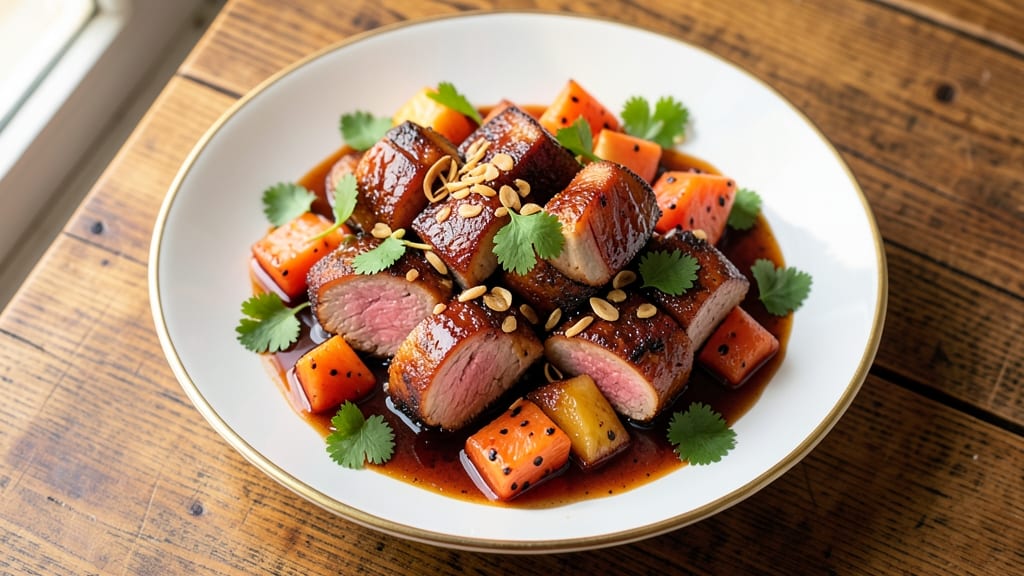
This pork and pineapple Chinese recipe delivers the perfect balance of sweet, savory, and umami—just like the dishes I learned to make during my apprenticeship under Master Chef Chen.
The secret lies in achieving those crispy edges on the pork while keeping the pineapple bright and juicy, a technique that transforms a simple stir-fry into something truly special.
What sets this recipe apart is the wok hei—those coveted smoky, charred flavors that come from high-heat cooking. We'll start with tender pork shoulder cut into bite-sized pieces, marinated in a blend of soy sauce, Shaoxing wine, and a touch of brown sugar to develop deep flavor.
The pineapple, fresh and crisp, adds a bright contrast that cuts through the richness.
By the time you're done, you'll have a dish that's restaurant-quality at home: golden-brown pork with crispy edges, tender yet slightly chewy, and sweet pineapple pieces that stay juicy.
The sauce—a velvety combination of hoisin, oyster sauce, and a hint of chili—ties everything together with just the right balance of sweet and spicy.
Serve this over steamed jasmine rice for the full experience, or pair it with egg rolls for a classic Chinese feast. The leftovers reheat beautifully, making this a perfect recipe for meal prep or feeding a crowd. Let's get cooking!
Ingredients for pork and pineapple chinese
Sweet, savory, and smoky—this stir-fry delivers restaurant-quality pork with crispy edges and juicy pineapple.
| Ingredient | Amount | Notes |
|---|---|---|
| Pork Shoulder 🥩 | 1 ½ lb | Cut into 1-inch cubes, trimmed of fat |
| Fresh Pineapple 🍍 | 1 cup | Cubed, fresh and juicy |
| Shaoxing Wine 🍷 | 2 tbsp | For marinade depth |
| Light Soy Sauce 🥄 | 3 tbsp | Kikkoman preferred |
| Brown Sugar 🍚 | 1 tbsp | Packed, for caramelization |
| Hoisin Sauce 🍶 | 2 tbsp | For umami richness |
| Oyster Sauce 🦪 | 2 tbsp | Lee Kum Kee brand |
| Chili Garlic Sauce 🌶️ | 1 tbsp | Adjust for heat preference |
| Garlic Cloves 🧄 | 4 cloves | Minced for aromatic base |
| Fresh Ginger 🌿 | 1 tbsp | Grated, for zesty kick |
| Sesame Oil 🫒 | 1 tsp | Toasted, for aroma |
| Neutral Oil 🫒 | 2 tbsp | Peanut or vegetable oil |
| Green Onions 🧅 | 3 whole | Sliced, for garnish |
| Jasmine Rice 🍚 | 1 ½ cups | Uncooked, for serving |
| Salt 🧂 | ½ tsp | Kosher salt for seasoning |
The pork shoulder is where it all starts. Look for well-marbled cuts at Asian markets or Whole Foods—they often carry premium pork shoulders ideal for stir-fries. Cutting it into even 1-inch cubes ensures consistent cooking, and trimming excess fat keeps the dish from getting greasy. For that authentic wok hei, you'll want a heavy-bottomed pan or wok—All-Clad or Lodge cast iron are my go-tos. The pineapple should be ripe but firm; Dole brand is a safe bet if you're buying pre-cut, but fresh is always better. If you're using canned pineapple, drain it well and pat dry with paper towels—you want those pieces crispy, not soggy.
No Shaoxing wine? Dry sherry or even a splash of apple cider vinegar works in a pinch, though it won't have the same depth. The soy sauce is non-negotiable—Kikkoman light soy is the gold standard, but any good-quality light soy will do. For extra umami, add a dash of fish sauce (if not vegetarian) or a pinch of MSG. The chili garlic sauce can be swapped for Sriracha at half the amount if you prefer a smoother heat. Fresh ginger is best, but if you're using powdered, reduce to half a teaspoon. And if you're feeling fancy, toast your sesame oil in the pan for 30 seconds before adding other ingredients—that nutty aroma is pure magic.
This dish tastes even better the next day, so double the sauce if you're meal prepping. Store leftovers in airtight containers for up to 4 days in the fridge, or freeze for 3 months. The rice reheats beautifully with a splash of water—just microwave until steamed. For serving, I like to plate the pork and pineapple over rice, drizzle with extra sauce, and scatter those green onions on top. Pro tip: If you're feeding a crowd, prep the marinade and chop all veggies the night before—cooking day will be a breeze.
Why You'll Love This Recipe
- One-Pan Magic: I swear by this recipe when I’m too tired to scrub pots—just brown the pork shoulder, toss in pineapple chunks and that sticky-sweet sauce (Shaoxing wine + brown sugar = chef’s kiss), then let the oven do the work. The pork falls apart like it’s been slow-cooked, but honestly? I’m not even trying that hard.
- Sweet-Savory Balance: Between us, this combo is ridiculously good—juicy pork with caramelized pineapple threads cutting through the richness. The light soy and Shaoxing wine add depth without tasting like "Chinese takeout," and that brown sugar? It turns the pineapple into little pockets of gooey perfection. (Yes, even my picky husband licks his plate.)
- Leftover Hero: This dish tastes better the next day, which is huge for me—I always end up with half a pan. Reheat it in a skillet with a splash of water, and it’s basically a free, crave-worthy dinner for lazy nights. (Pro tip: Freeze portions for those "I don’t wanna cook" days.)
- Budget-Friendly Feast: Pork shoulder is cheap, pineapple’s on sale year-round, and a bottle of Shaoxing wine lasts forever. For under $15, I feed four people a dish that feels fancy but costs next to nothing. Plus, the leftovers stretch into lunches—win, win. (My wallet thanks me every time.)
Step-by-step instructions for sweet-savory pork and pineapple stir-fry
Here's how to balance sweet, savory, and crispy perfection in every bite—no shortcuts, just technique.
Prep the Pork for Maximum Crispiness
Cut the 1.5 lb pork shoulder into 1-inch cubes and trim any visible fat. This size ensures even cooking and those coveted crispy edges we're after. Toss the pork cubes in a bowl with 2 tbsp Shaoxing wine, 3 tbsp light soy sauce, 1 tbsp brown sugar, 2 tbsp hoisin sauce, 2 tbsp oyster sauce, and 0.5 tsp salt. Mix well so every piece gets coated in the marinade—this develops deep flavor while tenderizing the meat.
Let the pork marinate for at least 20 minutes at room temperature. This step is non-negotiable—cold meat steams instead of searing. While it marinates, prep the pineapple by cutting it into 1-inch cubes (peel and core first). The acidity in pineapple will tenderize the pork slightly as it cooks, so we want to balance that with proper prep.
Build the Flavor Base in Stages
Heat 2 tbsp neutral oil in a wok or large skillet over medium-high heat until shimmering. Add the 4 cloves minced garlic and 1 tbsp grated fresh ginger—cook for 30 seconds until fragrant but not browned. This quick sauté unlocks their aromatic potential without burning them.
Push the aromatics to the side and add the marinated pork in a single layer. Let it sear undisturbed for 2-3 minutes until the edges turn golden brown. This initial sear locks in juices and builds that crispy texture we're chasing. Only then should you stir occasionally for another 3-4 minutes until the pork is 80% cooked through—it'll finish in the stir-fry.
Stir-Fry with Pineapple for Perfect Balance
Add the 1 cup pineapple cubes to the wok along with 1 tbsp chili garlic sauce. Stir-fry everything together for 2-3 minutes over high heat, tossing constantly to distribute the sauce evenly. The pineapple should soften slightly but retain its shape—overcooking turns it mushy. Here's the thing: the residual heat from the pork will carry the pineapple to perfect tenderness.
Drizzle in 1 tsp toasted sesame oil and toss once more. This final touch adds nutty depth and ties all the flavors together. Taste and adjust seasoning—you might need a splash more light soy sauce if the pineapple's acidity overpowers the savory elements. The sauce should coat the back of a spoon but still allow the pork's natural juices to shine through.
Finish with Crispy Edges and Fresh Garnish
Transfer the stir-fry to a serving platter and let it rest for 2 minutes. This brief pause allows the juices to redistribute, ensuring every bite stays moist. While it rests, slice the 3 whole green onions into ¼-inch pieces—we'll use them for garnish and freshness.
Return the stir-fry to the wok over medium heat for 1 minute to reheat slightly, then garnish with the sliced green onions. Serve immediately over 1.5 cups cooked jasmine rice—the contrast of fluffy rice with the crispy, saucy pork and pineapple makes this dish sing. Each bite should deliver a harmony of sweet, savory, umami, and a touch of heat from the chili garlic sauce.
Pro Tips For Making Pork And Pineapple Chinese
- CUT PINEAPPLE SMALLER THAN YOU THINK: I learned this the hard way—big chunks stay undercooked while small pieces burn. Aim for 1-inch cubes or smaller so they soften evenly in the same time as the pork. (Yes, it’ll look messy, but that’s how it’s supposed to taste.)
- SEAR PORK IN BATCHES: Crowding the pan turns your pork into steamed cutlets. Work in single layers, even if it takes two rounds, so you get that deep, caramelized crust that holds up to the sweet sauce. (Your future self will notice the difference.)
- USE LESS SOY SAUCE: Light soy sauce is salty—way saltier than you remember. Start with half the amount listed, taste, then add more if needed. Overdoing it makes the pineapple’s sweetness fight for attention instead of singing.
- DON’T SKIP THE WINE REDUCTION: Pour in the Shaoxing wine first, let it evaporate until it’s syrupy and smells rich (about 3–4 minutes). This builds flavor faster than just dumping everything in at once. (Sounds weird, but it works—trust the smell.)
Storing and reheating your leftovers
Fridge Storage Tips
Let your pork and pineapple stir-fry cool completely before storing—this prevents condensation that makes the pork soggy. Transfer to an airtight container with a lid, leaving ½-inch headspace for expansion. I use glass Pyrex containers because they maintain temperature better than plastic.
Store for up to 4 days at 40°F or below, but I find the flavors actually deepen after 24 hours as the ingredients meld together. 🧊
Freezer Prep
For longer storage, freeze portions in single-serving glass containers—this prevents freezer burn and makes reheating easier. Spread a thin layer of neutral oil on the surface before sealing to protect the crispy edges.
Label with the date and freeze for up to 3 months. When ready to eat, thaw overnight in the fridge rather than at room temperature to preserve texture. 🥶
Reheating Like a Pro
My preferred method is stovetop reheating—it restores that crispy edge better than microwave. Heat 1 tbsp neutral oil in a wok over medium-high heat, add the cooled stir-fry, and cook for 3-4 minutes until piping hot.
Add 1 tbsp water if it looks dry, then finish with a splash of light soy sauce to revive the flavors. For microwave reheating, cover with a damp paper towel and heat in 1-minute intervals on 70% power, stirring between each interval. 🔥
Rice Handling
Jasmine rice reheats best with a splash of water—microwave for 1-2 minutes until steamed. For extra fluffiness, spread it on a plate and cover with a damp towel for 30 seconds before serving.
If you're reheating the whole meal, warm the rice first, then add the pork and pineapple to prevent sogginess. I often serve reheated portions with quick-pickled cucumbers to cut through any richness. 🍚
Garnish Refresh
Fresh green onions and sesame seeds make all the difference after reheating. Add them just before serving to maintain that bright, restaurant-quality finish. For extra zing, drizzle with 1 tsp toasted sesame oil or a dash of chili garlic sauce.
If the pineapple looks dry, toss it with ½ tsp lime juice to restore moisture and acidity. This simple step transforms reheated leftovers into a fresh-tasting meal. ✨
Make-Ahead Sauce
Double the sauce recipe and store it separately in a small airtight container. This lets you reheat the pork and pineapple without worrying about the sauce separating. When ready to serve, simply toss the reheated stir-fry with 2 tbsp of the reserved sauce and adjust seasoning as needed.
I keep a batch of this sauce in my freezer at all times—it's perfect for quick weeknight meals. 💡
Nutrition facts
Frequently asked questions
Can I substitute fresh pineapple with canned?
While fresh pineapple is ideal for texture, you can use canned in a pinch. Drain it thoroughly and pat dry with paper towels to remove excess moisture—this prevents soggy stir-fry. Look for crushed pineapple rather than chunks, as it blends better with the pork. For extra brightness, add ½ teaspoon lime juice to mimic fresh pineapple's acidity.
What's the best cut of pork for this recipe?
Pork shoulder (also called Boston butt) is perfect because it stays tender while developing crispy edges. If you can't find it, pork tenderloin works too, but cut it into ½-inch thick slices instead of cubes for even cooking. Avoid fatty cuts like pork belly—they can make the dish greasy. Always trim visible fat before cooking for cleaner results.
How do I get the pork extra crispy?
Start with a hot wok or skillet—the pan should be smoking slightly when you add the pork. Use medium-high heat and let the pork sear undisturbed for 2-3 minutes—this builds the crispy crust. For extra crunch, toss the cooked pork in 1 teaspoon cornstarch—this creates a light, golden coating. The key is patience: rushing the searing steams the pork instead of browning it.
Can I make this recipe in a regular skillet?
While a wok is traditional, any heavy-bottomed skillet—like cast iron or stainless steel—works perfectly. The goal is high, even heat distribution. If your skillet isn't wide enough, cook the pork in batches to avoid crowding—this ensures proper browning. For best results, preheat your skillet for 3-5 minutes—this mimics the wok's heat retention.
What are the best sides to serve with this?
Steamed jasmine rice is classic, but you could also serve with egg rolls, stir-fried bok choy, or cucumber salad. For a heartier meal, add fried rice—the leftover pork and pineapple work perfectly in it. Pro tip: A simple green tea or jasmine tea—served lightly chilled—**complements the dish's sweet-savory balance without overpowering it.