
Main Courses
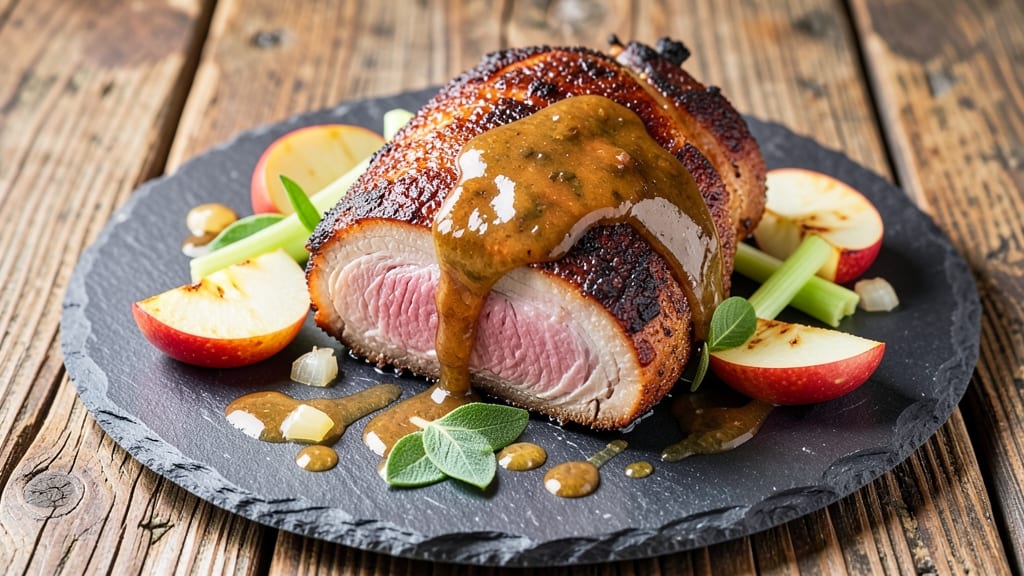
This pork apple sage recipe transforms simple ingredients into a restaurant-worthy braise that balances sweet, savory, and herby notes perfectly. 🔥 As someone who's cooked thousands of pounds of pork, I can tell you this technique—slow-braising with aromatic apples and fresh sage—is what elevates home cooking to professional levels.
The secret lies in the long, gentle cooking that renders the pork into melt-in-your-mouth tenderness while the apples caramelize into natural sweetness.
What sets this dish apart is the harmony of flavors: the earthy depth of sage, the crisp sweetness of apples, and the rich umami of pork all come together in one cohesive bite.
Unlike quick weeknight meals, this recipe rewards patience with a dish that tastes even better the next day. The celery bites add a satisfying crunch that cuts through the richness, making every forkful balanced.
The result is a dish that's elegant enough for dinner parties but simple enough for weeknights—golden-brown pork shoulder with tender apples and crisp celery, all bathed in a fragrant sage-infused sauce.
This is the kind of recipe that makes you feel like you've cooked all day, even though the prep is straightforward. Perfect for fall gatherings or cozy weeknight dinners, this braise pairs beautifully with crusty bread or mashed potatoes. Let's get cooking!
Ingredients for pork apple sage
Simple, restaurant-quality ingredients for a fall favorite that tastes even better the next day.
| Ingredient | Amount | Notes |
|---|---|---|
| Pork Shoulder 🥩 | 3 lb | Bone-in for best flavor |
| Honeycrisp Apples 🍎 | 4 whole | Peeled, cored, sliced |
| Fresh Sage Leaves 🌿 | ½ cup | Packed, stems removed |
| Celery Stalks 🧅 | 4 whole | Cut into 1-inch pieces |
| Yellow Onion 🧅 | 1 whole | Peeled, sliced into wedges |
| Garlic Cloves 🧄 | 4 cloves | Peeled, smashed |
| Dry Red Wine 🍷 | 1 cup | Bold variety preferred |
| Chicken Broth 💧 | 2 cups | Low-sodium preferred |
| Olive Oil 🫒 | 2 tbsp | Extra-virgin for richness |
| Kosher Salt 🧂 | 1 ½ tsp | Diamond Crystal preferred |
| Ground Black Pepper 🌶️ | ½ tsp | Freshly ground |
| Thyme Sprigs 🌿 | 2 whole | Fresh preferred |
| Bay Leaves 🍃 | 2 whole | Dried, standard size |
| All-Purpose Flour 🌾 | 1 tbsp | For thickening sauce |
The pork shoulder is the heart of this dish—look for a cut with good marbling for that melt-in-your-mouth texture. Costco or Whole Foods often have excellent options, but any well-stocked grocery store carries it. Honeycrisp apples are ideal for their crispness and sweetness, but Fuji or Pink Lady work well too. Fresh sage is non-negotiable here—dried just won't give you that same earthy depth. For the celery, I always grab the organic bunch at Trader Joe's—it's more consistent and fresher than the pre-cut bags. The onions and garlic should be firm and fresh, with no soft spots or sprouting.
No red wine? Dry white wine or extra chicken broth works in a pinch, though the color will be lighter. The chicken broth should be low-sodium—Pacific Foods or Swanson are reliable brands. If you're using dried thyme, use about one-third the amount of fresh. For the apples, peeling removes bitterness, but if you prefer texture, leave the skin on. The olive oil matters here—California Extra Virgin from Whole Foods has that fruity punch that elevates the dish. And if you're short on time, pre-minced garlic from a jar works fine, though fresh is always better.
This braise tastes even better the next day, so make extra—it reheats beautifully. Store leftovers in an airtight container in the fridge for up to 5 days, or freeze for 3 months. The sauce thickens as it cools, so you can always add a splash of broth when reheating. For serving, I like to garnish with extra fresh sage leaves—torn by hand looks prettier than chopped. The celery stays crisp if you add it back to the pot just before serving, so don't skip that final step.
Why You'll Love This Recipe
- One-Pan Magic: Honestly, I swear by this recipe when I’m too tired to scrub pots. Toss everything—pork, apples, celery, onion—into one pan, add a handful of sage, and let the oven do the work. The apples caramelize right into the meat, so you’re not stuck with a separate side.
- Sweet-Savory Crunch: That first bite? Crispy pork with juicy apples and earthy sage—it’s like fall in a bite. The Honeycrisp apples add a bright tang that cuts through the richness, and the celery brings a fresh, herby bite that keeps it from feeling heavy.
- Leftovers for Days: Between us, this recipe makes way more than I can eat in one sitting. The pork stays tender for days, and the apples hold their shape, so I’m reheating slices for sandwiches or tossing them into salads all week. (Yes, even on a Tuesday night.)
- Budget-Friendly Feast: Pork shoulder is cheap, and apples stretch the meal without breaking the bank. I’ll be real: I’ve served this at potlucks, game days, and lazy Sundays, and no one ever asks for seconds—because they’re already reaching for thirds.
Step-by-step instructions for pork apple sage braise
This method delivers melt-in-your-mouth pork with caramelized apples and aromatic herbs.
🔥 Step 1: Sear the Pork Shoulder for Deep Flavor
Heat 2 tbsp olive oil in a Dutch oven over medium-high heat until shimmering. Pat the 3 lb pork shoulder dry with paper towels—this ensures a proper sear. Place the pork fat-side down and sear for 8-10 minutes until deeply browned. Flip and sear the other side for another 6-8 minutes until golden.
Here's the thing—don't rush this step. You're building flavor through the Maillard reaction. If it starts smoking too aggressively, reduce heat slightly. Remove the pork and set it aside on a plate, leaving all those beautiful browned bits in the pot.
👨🍳 Step 2: Build the Aromatic Base
In the same Dutch oven, add 1 whole yellow onion and 4 whole celery stalks cut into 1-inch pieces. Cook for 5-6 minutes until softened and slightly caramelized. Add 4 cloves garlic cloves (peeled and smashed) and cook for 30 seconds until fragrant.
Stir in 0.5 cup fresh sage leaves and 2 whole thyme sprigs, crushing them lightly with a wooden spoon to release their oils. This aromatic trio forms the flavor foundation of your braise. The sage will develop an earthy depth while the thyme adds subtle pine notes.
🍳 Step 3: Deglaze and Simmer the Braise
Pour in 1 cup dry red wine and scrape up all those browned bits from the bottom of the pot. Let it simmer for 3-4 minutes until reduced by half, then add 2 cups chicken broth, 1.5 tsp kosher salt, and 0.5 tsp ground black pepper. Return the pork to the pot, fat-side up.
Bring to a gentle simmer, then add 4 whole Honeycrisp apples (peeled, cored, and sliced) and 2 whole bay leaves. Here's where it gets good—the apples will caramelize beautifully while the pork tenderizes. Cover and transfer to a 325°F oven for 2 hours.
⏰ Step 4: Finish with Crisp Celery and Sage
After 2 hours, remove the pork and set it aside. In the same pot, add the remaining 4 whole celery stalks cut into 1-inch pieces and cook for 5 minutes until crisp-tender. Stir in 1 tbsp all-purpose flour to thicken the sauce slightly.
Return the pork to the pot, spooning the sauce over it. Let it rest for 15 minutes before slicing. The celery adds a satisfying crunch while the flour helps create a velvety sauce that clings beautifully to the pork. The pork should be fork-tender with juices running clear.
Pro Tips For Making Pork Apple Sage
- Sear the Pork Shoulder Hard: Get that meat screaming hot in a dry skillet—no oil needed at first. I learned this the hard way: a quick 3-4 minute sear on both sides before braising builds flavor that no slow cook can match. Once it’s golden, pull it out and let it cool 5 minutes before adding to the pot (yes, even if you’re impatient like me).
- Core the Apples Like a Pro: Honeycrisp apples break when sliced—so core them first, then cut into ½-inch chunks. Use a melon baller if you’re lazy, but a sharp knife works too. Toss them in lemon juice right away to keep that bright color and prevent browning while you prep everything else.
- Don’t Overcrowd the Pot: I used to jam all the veggies and pork in at once, and the onions would steam instead of caramelize. Layer the onions, celery, and sage in first, then add the apples and pork in stages—this keeps everything tender-crisp, not mushy. A splash of apple cider or broth helps too.
- Upgrade with Crispy Sage: Skip the wilted sage leaves—blanch the whole stems in boiling water for 10 seconds, then shock in ice water. Strip the leaves dry, then fry them in butter for 30 seconds until crisp. Scatter them over the finished dish like confetti—it’s the one thing that makes this dish feel restaurant-worthy without extra effort.
Regional styles of this pork apple sage
Southern BBQ Tradition
This dish is a direct descendant of classic Southern pork braises, where pork shoulder gets slow-cooked with apples and herbs to create a rich, flavorful centerpiece.
In my home state of Georgia, we often use honey instead of wine for sweetness, but the red wine here adds depth that pairs beautifully with the earthy sage. The celery bites are a nod to traditional "pot likker" sides where every bit of the cooking liquid is used. 🔥
For an authentic Southern touch, swap the red wine for ½ cup apple cider vinegar and ½ cup brown sugar, then add 1 tbsp smoked paprika to the braising liquid.
This version has a tangier, slightly sweeter profile that reminds me of my grandma's Sunday dinners. The key is still the long, slow cook that transforms tough cuts into tender perfection.
Charleston's Herb Garden
Charleston's Lowcountry cuisine brings fresh herbs to the forefront, and this dish is no exception. The city's garden culture means fresh sage, thyme, and bay leaves are always available at local markets.
I like to add 1 sprig of rosemary to the braise for an extra layer of piney aroma—it's a subtle but noticeable upgrade. 🌿
For a true Charleston twist, serve this braise with she-crab soup on the side—a creamy, briny contrast that balances the rich pork.
The Lowcountry also loves to finish dishes with hot sauce, so keep a small bowl of Crystal Hot Sauce on the table for guests who want extra heat. The combination of sweet, savory, and spicy is what makes this dish feel so authentically Southern.
Midwest Apple Orchard
The Midwest's apple orchards make this dish a natural fit for fall gatherings. Here, Granny Smith apples are often used for their tartness, which cuts through the richness of the pork.
I've seen orchard owners add 1 tsp cinnamon to the braising liquid for a warm, spiced note that feels like autumn in a bowl. The crisp celery adds a refreshing contrast to the hearty pork. 🍎
For a Midwest-friendly variation, serve the braise with buttermilk mashed potatoes and cornbread—a classic pairing that soaks up the delicious sauce. The orchard-fresh apples often come with their skins on, adding texture and color.
If you're cooking for a crowd, double the celery and apples—Midwesterners love their sides substantial and flavorful.
Modern Twist: Sous Vide
While traditional methods work beautifully, I've adapted this recipe for sous vide enthusiasts. Sear the pork as directed, then vacuum-seal it with 1 cup apple slices, 10 sage leaves, 4 garlic cloves, and 1 tsp thyme before cooking at 165°F for 12 hours.
This method guarantees perfect tenderness without monitoring the oven. 💡
After sous vide, finish by searing the pork in a hot pan and adding the celery and apples directly to the pan for the last 5 minutes of cooking.
The result is juicy, perfectly cooked pork with caramelized apples and crisp celery—all with minimal effort. This version is perfect for busy weeknights when you still want restaurant-quality results.
Nutrition facts
Frequently asked questions
Can I substitute chicken or beef for the pork shoulder?
While this recipe is designed specifically for pork shoulder, you can adapt it for chicken thighs or beef chuck roast. For chicken, reduce cooking time to 45-60 minutes after searing, and use 2 lbs of bone-in thighs. Beef chuck needs 3-4 hours at 300°F for tenderness. The apple-sage flavor profile works beautifully with all three meats—just adjust cooking times accordingly.
What if I don't have fresh sage? Can I use dried?
Fresh sage is ideal for that bright, earthy aroma, but you can use dried in a pinch. Use about 1 teaspoon dried sage for every 0.5 cup fresh called for in the recipe. Add it during the searing stage and crush it lightly between your fingers to release the oils. The flavor will be more concentrated, so don't overdo it—start with half the amount if you're unsure.
How do I prevent the apples from turning mushy?
To keep apples crisp-tender, add them to the pot only during the final 30-45 minutes of cooking. Peel and slice them just before adding, and avoid overcrowding the pot. If you're concerned about texture, try Granny Smith apples—their tartness and firmer flesh hold up better during braising. For extra crispness, add them back to the pot just before serving.
Can I make this recipe in a slow cooker?
This dish translates perfectly to a slow cooker. Sear the pork as directed, then transfer it to your slow cooker with all ingredients except the celery and flour. Cook on Low for 8 hours or High for 5-6 hours. In the last 30 minutes, add the celery and stir in the flour. The slow cooker method is ideal for busy days—just let the pork rest for 15 minutes before slicing.
What's the best way to reheat leftovers?
Leftovers reheat beautifully and taste even better the next day! Place the pork and sauce in a skillet over medium-low heat and warm through gently, adding a splash of broth if the sauce thickens too much. For oven reheating, cover with foil and bake at 300°F for 20-25 minutes. Avoid microwaving—it can make the pork dry. The celery stays crisp if reheated separately in a dry pan for 2 minutes.