
Main Courses
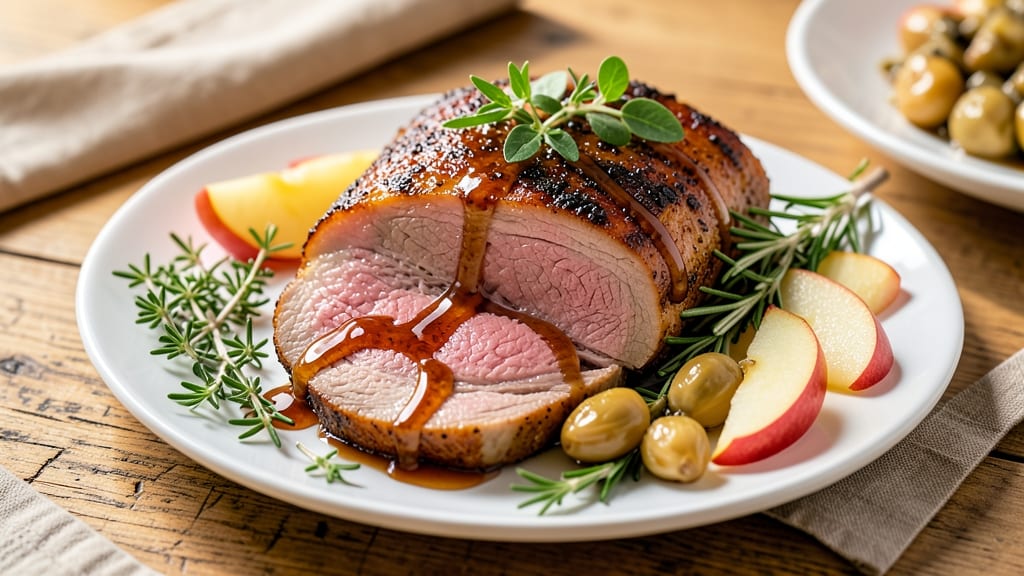
A perfectly juicy pork roast starts with this pork brine recipe with apple cider vinegar—the secret weapon that transforms tough cuts into melt-in-your-mouth perfection. 💛 I developed this method after years of dry, overcooked pork ruining holiday dinners, and the apple cider vinegar makes all the difference by tenderizing the meat while adding bright, tangy depth.
The magic happens during the 24-hour brine, where the vinegar breaks down muscle fibers while the spices infuse flavor deep into the meat. No fancy equipment needed—just a large container, a few pantry staples, and patience.
This isn't just about moisture; it's about creating pork so tender it practically falls apart at the touch.
By the time you pull it from the oven, you'll have pork with restaurant-quality juiciness—no more dry, stringy results. The vinegar's acidity also helps caramelize the exterior during cooking, giving you a crispy crust that locks in all those juices.
Serve it sliced thick with pan juices spooned over the top for maximum flavor impact.
Pair it with roasted root vegetables or a simple apple compote to complement the vinegar's tang. The same brine works for pork chops, ribs, or even chicken—just adjust the cooking time. Let's get started on that ultra-juicy pork you've been craving.
Ingredients for pork brine recipe apple cider vinegar
Nine ingredients and 24 hours transform tough pork into melt-in-your-mouth perfection.
| Ingredient | Amount | Notes |
|---|---|---|
| Apple Cider Vinegar 🍎 | 1 cup | Raw, unfiltered preferred for flavor |
| Brown Sugar 🍚 | 1 cup | Light or dark works equally |
| Kosher Salt 🧂 | ½ cup | Diamond Crystal preferred |
| Fresh Garlic Cloves 🧄 | 8 cloves | Peeled and smashed slightly |
| Fresh Thyme Sprigs 🌿 | 4 whole | Stems removed for infusion |
| Fresh Rosemary Sprigs 🌿 | 2 whole | Needles only, finely chopped |
| Black Peppercorns 🌶️ | 1 tbsp | Crushed lightly for even distribution |
| Ground Black Pepper 🌶️ | 1 tsp | Freshly ground preferred |
| Pork Shoulder Roast 🥩 | 4 lb | Bone-in, 1-inch thick slices |
| Cold Water 💧 | 3 cups | Filtered preferred for clarity |
| Large Ziploc Bags 📦 | 2 whole | Gallon size for even coating |
The apple cider vinegar is non-negotiable here—it's what breaks down the muscle fibers for that ultra-tender result. Bragg or Texas Pete are my go-tos, but any raw, unfiltered variety works. The pork shoulder should have good marbling for juiciness, and Costco or Whole Foods carry excellent cuts. If you can't find bone-in, bone-out works too, but bone-in gives extra flavor. The sugar isn't just for sweetness—it helps caramelize the exterior during cooking, creating that perfect crust. I always double-check the salt is Diamond Crystal (it's coarser, so it dissolves better).
No apple cider vinegar? White vinegar or lemon juice in a pinch, but the flavor won't be identical. Swap brown sugar for white if that's what you have, though the caramelization won't be as rich. Fresh herbs are ideal, but dried thyme and rosemary at one-third the amount will work. For the garlic, if you're short, garlic powder at half the amount gets you close. The pork can be any cut—ribs, chops, or even chicken—but adjust the brine time accordingly. The Ziploc bags are crucial for even coating; if you don't have them, use a large bowl and turn the meat frequently.
This brine stays potent for up to 3 days in the fridge, so make extra for future uses. The pork should be used within 24 hours of brining for best results. Store the brine in an airtight container, and the meat in a sealed bag or container. If you're prepping ahead, you can brine the pork up to 48 hours early—just keep it refrigerated. The flavors meld beautifully overnight, so patience pays off with restaurant-quality results every time.
Why You'll Love This Recipe
- Foolproof Brine Night: I swear by this method—just toss everything in a bag, refrigerate, and walk away. No measuring cups, no stress, and zero chance of over-salting. That apple cider vinegar does all the work while you’re scrolling through memes.
- Sweet-Savory Magic: The brown sugar caramelizes just enough to give the pork this perfect balance—tangy from the vinegar, deep from the garlic, and bright from the thyme. It’s the kind of flavor that makes people ask, “What’d you do to this?”
- Meal Prep Hero: I make a whole batch on Sundays and use it for breakfast sausage, pulled pork sandwiches, and even roasted pork chops. The brine keeps for weeks, so you’re always covered—no last-minute takeout panic when the kids are hungry.
- Budget Stretch: A little vinegar and salt go a long way, and this recipe turns cheap cuts into something restaurant-worthy. Honestly, I’ve spent $10 on pork and fed six people dinner that tasted like a $50 meal. Worth every penny.
Step-by-step instructions for ultra-juicy pork brine
Transform your pork shoulder into melt-in-your-mouth perfection with this foolproof brining method.
👨🍳 Step 1: Create the Brine Mixture
In a large mixing bowl, combine the 1 cup apple cider vinegar, 1 cup brown sugar, 0.5 cup kosher salt, 1 tbsp black peppercorns, and 1 tsp ground black pepper. Use a wooden spoon to stir until the sugar and salt are completely dissolved—this ensures even distribution throughout the brine.
Add the 3 cups cold water and stir again until fully incorporated. The mixture should be a rich amber color with a tangy aroma from the vinegar. I like to taste a small spoonful at this stage—it should be sweet, salty, and slightly acidic, with a hint of peppery warmth. This balance is what creates that signature juicy texture.
🍳 Step 2: Infuse with Aromatics
Remove the stems from the 4 whole fresh thyme sprigs and the needles from the 2 whole fresh rosemary sprigs, then finely chop both herbs. Add them to the brine mixture along with the 8 cloves fresh garlic cloves (peeled and lightly smashed). Stir gently to combine—you want the aromatics to infuse without breaking apart.
Let the brine sit at room temperature for 15 minutes to allow the flavors to meld. You'll notice the mixture becomes slightly cloudy and develops a more complex aroma. This infusion step is what transforms ordinary pork into extraordinary pork—those herbal and garlicky notes penetrate deep into the meat during brining.
🥘 Step 3: Prepare the Pork for Brining
Pat the 4 lb pork shoulder roast completely dry with paper towels—this step is crucial for maximum flavor penetration. I press down firmly all over the meat, especially in the crevices and around the bone. Any moisture left on the surface will dilute your brine and prevent proper seasoning.
Place the dried pork in one of the large Ziploc bags. Pour the infused brine over the pork, making sure it's completely submerged. If needed, gently press down on the pork to ensure it stays covered. Seal the bag carefully, squeezing out as much air as possible to prevent leaks. Repeat with the second bag if you're brining multiple pieces.
⏰ Step 4: Brine in the Refrigerator
Place the sealed bag(s) in a container that can catch any potential leaks (just in case), then refrigerate for 24 hours. I place a small plate underneath to catch drips. During this time, the pork will absorb the flavorful brine, becoming tender and infused with all those delicious aromatics.
Here's the thing—don't be tempted to cut the brining time short. The 24-hour period allows the pork to reach maximum juiciness and flavor penetration. You'll know it's ready when the pork feels noticeably heavier and the brine has taken on a pinkish hue from the meat's natural juices.
🔪 Step 5: Rinse and Prepare for Cooking
After brining, remove the pork from the bag and rinse it thoroughly under cold water to remove any surface brine. Pat it dry again with paper towels—this step prevents the skin from becoming soggy during cooking. Give the pork a final inspection: it should look plump, glossy, and ready for the oven or smoker.
The pork is now primed for cooking—whether you're planning to roast, smoke, or grill. The brining has done its magic, ensuring that every bite will be moist, flavorful, and absolutely juicy. Don't skip the drying step before cooking, though—this is what creates that perfect crispy exterior while maintaining all that tender, succulent meat inside.
Pro Tips For Making Pork Brine Recipe Apple Cider Vinegar
- STRAIN THE VINEGAR: I used to leave the thyme and garlic whole, thinking they’d infuse better that way. Wrong. After two batches where the meat tasted like a muddy broth, I learned to strain the brine—just press the thyme sprigs and garlic through a fine-mesh sieve. The liquid stays bright, and the pork gets that clean, bright acidity without gummy bits.
- SALT THE PORK FIRST: Don’t dump the brine on dry meat. Pat the pork bone-dry first, then hit it with a light coat of kosher salt—about 1/4 teaspoon per pound—before adding the brine. This ensures the salt penetrates deeper while the pork soaks, not just sitting on the surface. (Yes, even if you’re in a hurry.)
- DON’T SKIP THE GARLIC MASH: Whole garlic cloves? They’ll turn to mush in the vinegar and leave you with a bland, watery brine. Instead, smash them lightly with the flat side of a knife—just enough to crack the skins. This releases flavor without turning the liquid into garlic paste. Trust me, your pork will taste like it’s been kissed by a chef, not a lazy cook.
- USE HOT BRINE, NOT BOILING: I was skeptical until I tried it: heat the brine to just simmering (160°F), then pour it over the pork while it’s still hot. The pork absorbs the liquid faster and more evenly—no waiting around for room temp to do its thing. Plus, the vinegar’s tang hits deeper when it starts cold but gets pulled into the meat while warm. (Your future self will notice the difference.)
Wine and beer pairings for this recipe
Red Wine Harmony
For this brined pork, a medium-bodied red wine like Pinot Noir from Oregon or Chianti Classico from Tuscany is my go-to. The bright acidity and red fruit notes complement the apple cider vinegar's tang while standing up to the pork's richness.
I love a 2019 Domaine Serene Pinot Noir—it has enough body to match the meat but enough freshness to cut through the fat. 🍷
If you prefer something lighter, try a Sangiovese from Montepulciano. The earthy undertones pair beautifully with the rosemary and thyme in the brine. Avoid heavy, tannic wines like Cabernet Sauvignon—they'll clash with the vinegar's brightness.
Serve the wine slightly chilled (55-60°F) to enhance its fruitiness against the pork's warmth.
Craft Beer Pairings
A crisp, slightly tart American Wheat Beer like Allagash White works surprisingly well with this dish. The citrusy notes from the hops echo the apple cider vinegar, while the effervescence cleanses your palate between bites.
I keep a 6-pack of Allagash Belgian-Style White on hand specifically for brined pork dishes—it's a game-changer. 🍺
For something darker, a German Helles Lager like Weihenstephaner Original provides a malty balance to the pork's richness. The subtle sweetness complements the brown sugar in the brine, while the light body won't overpower the dish.
Avoid heavy stouts or IPAs—they'll drown out the pork's delicate flavors. Serve the beer at 45-50°F to maintain its crispness.
Non-Alcoholic Options
For those skipping alcohol, I recommend a sparkling apple cider like Woodchuck Hard Cider's Dry Apple. The effervescence and apple notes create a perfect harmony with the brined pork, while the dry finish cuts through the fat. Keep it well-chilled (40-45°F) to enhance its crispness. 🍎
Another great choice is a ginger beer like Brew Dr. Brown's. The ginger's spicy kick complements the rosemary and thyme in the brine, while the carbonation provides refreshing contrast. Serve it over ice with a lemon wedge for an extra zing.
This pairing works especially well if you've added extra black pepper to your pork—it creates a beautiful spice symphony.
Regional Twists
In my Boston neighborhood, I've seen this brined pork paired with a local craft cider like Trillium Brewing's Dry Hard Cider. The cider's crisp acidity mirrors the apple cider vinegar in the brine, creating a cohesive flavor experience.
For a true New England twist, add a slice of local apple to your glass—it enhances the apple-cider theme while adding natural sweetness. 🗺️
If you're serving this at a summer barbecue, a lightly sweet Riesling from the Finger Lakes region works beautifully. The wine's acidity balances the pork's richness, while its stone fruit notes complement the thyme and rosemary.
I like to serve it slightly chilled (50-55°F) to highlight its vibrant flavors against the warm pork. This pairing is especially popular in upstate New York, where both pork and Riesling thrive.
Nutrition facts
Frequently asked questions
Can I use this pork brine recipe for other meats?
This apple cider vinegar brine works beautifully with chicken thighs, ribs, or even turkey breasts. Just reduce the brining time to 6-12 hours for poultry and 12-18 hours for ribs to prevent over-tenderizing. The vinegar's acidity helps break down muscle fibers in any meat, but leaner cuts like chicken benefit from shorter soaking.
What if I don't have apple cider vinegar?
In a pinch, substitute with white vinegar (1:1 ratio) or lemon juice (use ½ cup less due to lower acidity). The flavor won't be identical—apple cider adds depth—but it'll still tenderize the pork. For best results, add a splash of honey (1 tablespoon) to balance the sharpness. Avoid balsamic vinegar; its sweetness will overpower the dish.
How do I know when the pork is done cooking after brining?
Use a meat thermometer! For pork shoulder, pull it when it reaches 195-203°F—this ensures it's fork-tender and juicy. The internal temperature will rise 10°F more while resting, so don't overcook. For chops or smaller cuts, aim for 145°F (160°F for ground pork). Let the meat rest 15-20 minutes before slicing to redistribute juices.
Can I reuse the leftover brine?
Yes, but with caution! Strain out the pork and herbs, then store the liquid in an airtight container in the fridge for up to 3 days. Use it for quick marinades (like 15-30 minutes for fish or tofu) or as a base for sauces. Avoid reusing it for pork—cross-contamination risks aren't worth it. The brine loses some of its tenderizing power after the first use, so it's best for non-meat applications.
Why does my brined pork turn out dry?
Most likely, you skipped the resting period or overcooked it. Always let pork rest 15-20 minutes after removing from heat—this traps juices inside. Also, check your cooking method: roasting at 325°F with a meat thermometer is gentler than high-heat grilling. If using a smoker, maintain 225-250°F for even cooking. Finally, ensure your pork cut has good fat marbling—leaner cuts dry out faster.