
Sauces & Condiments
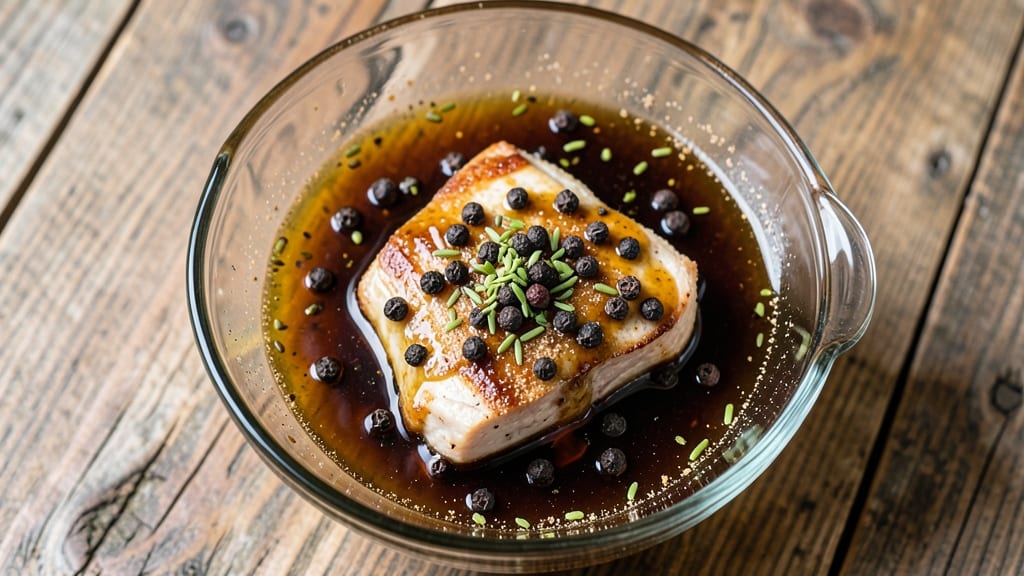
This pork chop marinade recipe with apple cider vinegar transforms tough cuts into tender, flavor-packed masterpieces in just 4 hours. The tangy-sweet balance of apple cider vinegar and celery-pepper crunch creates a marinade that tenderizes while building layers of depth—perfect for bone-in or boneless chops.
I developed this after years of butchering store-bought marinades that left pork dry or bland.
The secret lies in the acid-to-oil ratio: ¼ cup apple cider vinegar (for tenderizing) balanced with ¼ cup olive oil (to carry flavor), plus crushed peppercorns and celery seeds for that signature crunch.
A splash of Worcestershire adds umami depth while brown sugar caramelizes during cooking. For best results, marinate pork chops 2-4 hours in the fridge—never longer, or the vinegar will "cook" the meat.
What you'll achieve is pork with a perfectly crispy exterior and fork-tender interior, infused with bright apple-cider tang and peppery crunch. The marinade doesn't just flavor—it transforms, creating a texture that rivals dry-aged beef at a fraction of the cost.
This is the kind of marinade that makes weeknight dinners feel like a restaurant experience.
Works equally well for grilling, pan-searing, or braising. The celery-pepper crunch remains intact even after cooking, adding texture contrast to every bite. Let's make this marinade—your pork chops will never be the same.
Ingredients for pork chop marinade recipe apple cider vinegar
Nine ingredients. Four hours. Restaurant-quality pork chops at home.
| Ingredient | Amount | Notes |
|---|---|---|
| Apple Cider Vinegar 🍎 | ¼ cup | Raw, unfiltered preferred |
| Extra-Virgin Olive Oil 🫒 | ¼ cup | High-quality, fruity variety |
| Worcestershire Sauce 🍶 | 1 tbsp | Anchovy-free if needed |
| Light Brown Sugar 🍚 | 1 tbsp | Packed firmly for accuracy |
| Crushed Black Peppercorns 🌶️ | 1 ½ tsp | Freshly crushed for intensity |
| Celery Seeds 🥬 | 1 tsp | Whole seeds for texture |
| Garlic Cloves 🧄 | 2 cloves | Minced finely for depth |
| Kosher Salt 🧂 | ½ tsp | Diamond Crystal preferred |
| Fresh Rosemary 🌿 | ¼ tsp | Finely chopped, stems removed |
The apple cider vinegar is non-negotiable—Bragg or Texas Pete are my go-tos, but any raw, unfiltered brand works. Whole Foods or Trader Joe's carry great options if you want to splurge. For the peppercorns, buy them whole and crush them fresh (a mortar and pestle or rolling pin works). Celery seeds are a game-changer—they add that signature crunch that store-bought marinades miss. If you can't find them, ground celery seed works in a pinch, but it loses some texture. The garlic should be fresh, not that jarred minced stuff—it makes all the difference.
No Worcestershire? Soy sauce plus a pinch of sugar mimics the umami punch. Skip the brown sugar? Maple syrup at half the amount adds sweetness without caramelizing. Fresh rosemary hard to find? Dried works at one-third the quantity, but it won't have the same brightness. For the olive oil, don't skimp—California Olive Ranch or Bertolli are solid mid-range options. The acid-to-oil ratio is key: if you adjust one, tweak the other to maintain balance. This marinade works for both bone-in and boneless chops—just marinate bone-in 4 hours max to avoid over-tenderizing.
Store leftovers in a sealed jar in the fridge for up to 1 week. The flavors actually deepen overnight, so make extra if you're grilling. For best results, marinate chops in a sealed bag or container—glass or BPA-free plastic only. The marinade can also be frozen for 3 months—thaw in the fridge before using. If you're prepping ahead, marinate the chops 2-4 hours before cooking, then pat dry for a better sear.
Why You'll Love This Recipe
- Five-Ingredient Magic: I swear by this combo—just stir, pour, and let the apple cider vinegar work its tangy transformation while I prep the rest of dinner. No fancy techniques, no stress.
- Tangy-Sweet Balance: That brown sugar and vinegar duo? It’s the secret to tender, caramelized edges that’ll have you licking the plate. The Worcestershire sauce adds this deep, umami punch that makes every bite unforgettable.
- Weeknight to Dinner Party: Same marinade, endless uses—grill it for summer BBQs, pan-sear for a quick Tuesday night, or even toss it on chicken thighs. My kids ask for it more than their favorite takeout.
- Marinade Leftovers = Free Flavor: Make a double batch and stash it in the fridge. That same jar of vinegar and oil becomes tomorrow’s glaze or next week’s stir-fry sauce. Zero waste, maximum flavor.
Step-by-step instructions for pork chop marinade with apple cider vinegar
This marinade transforms ordinary pork chops into tender, flavor-packed masterpieces with minimal effort.
Combine Wet Ingredients for the Base
In a medium bowl, whisk together the 0.25 cup apple cider vinegar and 0.25 cup extra-virgin olive oil until fully emulsified. The vinegar will initially separate, but vigorous whisking for about 30 seconds creates a silky, balanced base. This combination tenderizes while adding depth—don't skip the emulsification step, or you'll end up with a separated marinade.
Add the 1 tablespoon Worcestershire sauce and 1 tablespoon light brown sugar, whisking until the sugar dissolves completely. The sugar should create a subtle caramelization when cooked, while the Worcestershire adds that unmistakable umami punch. Taste the mixture now—it should be tangy with a hint of sweetness and savory complexity.
Incorporate Aromatics and Seasonings
Finely mince the 2 cloves garlic using a microplane or sharp knife—you want a paste-like consistency that will distribute evenly. Add it to the bowl along with the 1.5 teaspoons crushed black peppercorns, 1 teaspoon celery seeds, 0.5 teaspoon kosher salt, and 0.25 teaspoon fresh rosemary. Stir thoroughly to combine all ingredients completely.
The celery seeds add a subtle earthy crunch that pairs beautifully with the vinegar's acidity, while the rosemary brings herbal brightness. Here's the thing—don't overthink the rosemary quantity. Too much can overpower; too little won't make an impact. The 0.25 teaspoon is your sweet spot for balanced flavor.
Marinate Pork Chops for Optimal Tenderness
Place the pork chops in a resealable plastic bag or shallow dish and pour the marinade over them, ensuring each piece is fully coated. For best results, marinate in the refrigerator for at least 4 hours, but I recommend overnight for maximum tenderness and flavor penetration. The acid in the vinegar begins breaking down muscle fibers immediately, so timing matters.
Turn the chops occasionally during marinating to ensure even exposure to all flavors. If you're short on time, a minimum of 2 hours will still yield noticeable improvement, though the texture won't be as tender. When ready to cook, remove the chops from the marinade and let them sit at room temperature for 15-20 minutes before cooking—this ensures even heat distribution and prevents cold spots.
Pro Tips For Making Pork Chop Marinade Recipe Apple Cider Vinegar
- STIR THE MARINADE WELL: Don’t just pour everything in and call it a day—give that vinegar and oil a good 30-second mix with a whisk or fork. The brown sugar needs to dissolve completely, or you’ll end up with gritty bits clinging to your pork. I learned this the hard way when my first batch had sugar crystals that refused to melt, no matter how long I cooked it.
- USE RAW APPLE CIDER VINEGAR: That pasteurized stuff from the salad dressing aisle won’t cut it here. Raw, unfiltered apple cider vinegar has more flavor and sediment that adds texture—think of it as the roughage that makes the marinade work better. If you’re in a pinch, strain out the "mother" (the cloudy bits) after mixing, but don’t skip the raw version entirely.
- MARINATE NO LONGER THAN 4 HOURS: Vinegar’s acidity breaks down meat fast, and pork chops turn rubbery if left too long. Four hours max is your sweet spot—enough time for flavor to penetrate without overdoing it. Pro tip: If you’re short on time, poke the chops with a fork every 30 minutes to help the marinade seep in faster.
- CRUSH PEPPERCORNS FRESH: Pre-ground pepper loses its punch and aroma fast. Grab a mortar and pestle or roll a heavy skillet over them—just a few firm presses will do. The oil in your marinade will instantly bloom those flavors, making the difference between a dull aftertaste and a bright, peppery kick that lingers. (Yes, even if you’re impatient like me.)
Serving suggestions for this recipe
Classic Pairings
Serve your marinated pork chops with creamy mashed potatoes—their buttery richness balances the vinegar's tang beautifully. I like adding roasted garlic to the mashed potatoes for extra depth.
For a lighter option, try sautéed green beans with slivered almonds for crunch. The celery seeds in your marinade will echo in the green beans' earthy flavor. 🥔
Apple Cider Sides
New England-inspired sides take this dish to the next level. Apple cider braised red cabbage—simmered with 1 cup apple cider, 1 tbsp brown sugar, and ½ tsp cinnamon—adds sweet-tart contrast.
For a quicker option, caramelized onions with a sprinkle of fresh thyme work perfectly. The onions' natural sweetness complements the pork's savory notes.
Bread Service
Don't skip the bread! A crusty baguette or sourdough loaf is ideal for soaking up any extra marinade. I love toasting slices and rubbing them with garlic butter while the pork cooks.
For a Boston touch, try cornbread—its slight sweetness pairs wonderfully with the apple cider's acidity. Serve with honey butter on the side for extra indulgence.
Wine Recommendations
A dry Riesling from Germany or Washington State cuts through the pork's richness while enhancing the apple cider notes. For red wine lovers, a Pinot Noir with its bright acidity and red fruit flavors works beautifully.
Avoid heavy, oaky wines—they'll overpower the dish's delicate balance. A crisp Sauvignon Blanc is another excellent choice for its citrusy freshness. 🍷
Make-Ahead Sides
Prep sides the night before to streamline your cooking process. Roasted root vegetables (carrots, parsnips, and sweet potatoes) tossed in olive oil, salt, and rosemary can be roasted ahead and reheated. Cranberry-orange relish—made with 1 cup cranberries, 1 tbsp orange zest, and 2 tbsp sugar—adds a festive touch.
Both keep well in the fridge for 3-4 days.
Nutrition facts
Frequently asked questions
Can I use this marinade for other meats besides pork chops?
This apple cider vinegar marinade works beautifully with chicken thighs or beef steaks. For chicken, marinate for 2-3 hours—the acid tenderizes without overcooking. For beef, reduce the marinating time to 1-2 hours to avoid over-tenderizing tougher cuts. The celery-pepper crunch adds a unique texture contrast to any protein.
What if I don't have apple cider vinegar? Can I substitute?
Yes, but with adjustments. White wine vinegar works in a 1:1 ratio, though it lacks the subtle sweetness of apple cider. For a sweeter profile, use balsamic vinegar (reduce marinating time to 2 hours to prevent over-acidification). Avoid distilled white vinegar—it's too harsh and lacks depth. The key is balancing acidity with sweetness for that signature flavor.
How do I prevent the pork chops from drying out after marinating?
Pat the chops dry with paper towels before cooking—this ensures a better sear and prevents steaming. For bone-in chops, remove from the fridge 15-20 minutes before cooking to equalize temperature. Cook over medium-high heat for 3-4 minutes per side for boneless, or 5-6 minutes per side for bone-in. A meat thermometer should read 145°F internally. Rest for 5 minutes before serving to retain juices.
Can I reuse leftover marinade?
Never reuse marinade that's touched raw pork—it can harbor bacteria. However, you can use the leftover marinade (strained) as a sauce for the cooked chops. Simmer it with 1 tablespoon butter and 1 teaspoon cornstarch to thicken, then drizzle over the finished dish. For extra richness, add a splash of heavy cream. This turns leftover marinade into a delicious pan sauce!
Why does my marinade separate? How do I fix it?
Separation happens when oil and vinegar aren't properly emulsified. Whisk vigorously for 30-60 seconds to combine, or blend with an immersion blender. For a quick fix, stir in 1 teaspoon Dijon mustard or 1 egg yolk to stabilize. Always store marinade in the fridge—heat accelerates separation. If fully separated, just shake well before using.