
Main Courses
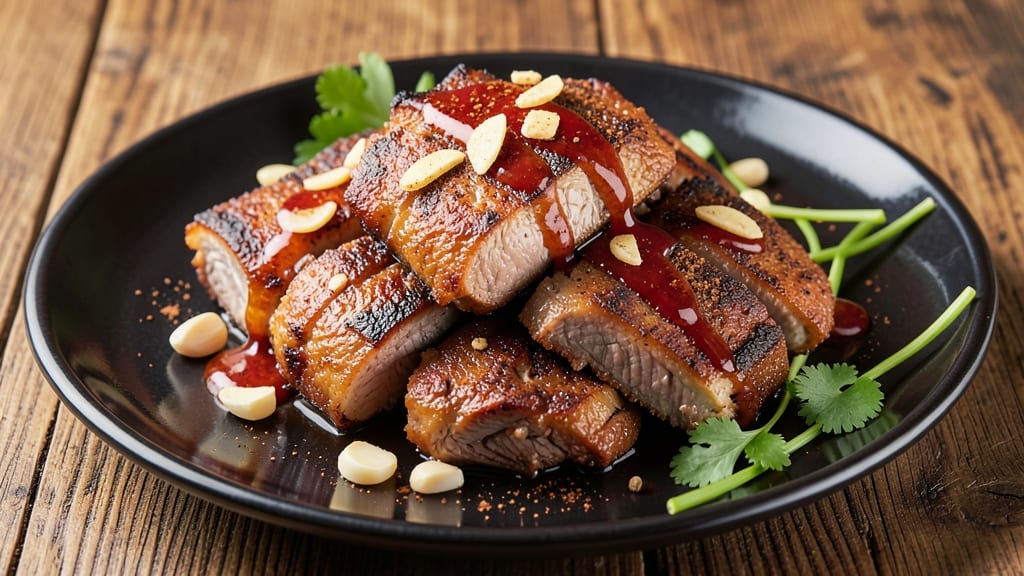
This pork humba recipe with pineapple juice brings vibrant Caribbean flavors to your kitchen with minimal effort. 🌴 The secret lies in marinating the pork in a sweet-spiced blend of pineapple juice, garlic, and warm spices like cinnamon and allspice—creating a dish that's tender, aromatic, and perfectly balanced between sweet and savory.
I first discovered this recipe while traveling in Jamaica, where it's a staple for gatherings, and it's become a go-to for my family's Sunday dinners.
The beauty of this recipe is its adaptability—whether you're grilling, braising, or slow-cooking, the flavors develop beautifully. The pineapple juice not only tenderizes the meat but also adds a bright, tropical tang that cuts through the richness of the spices.
I've streamlined the process for modern kitchens while keeping the soul of the dish intact, so you get restaurant-quality results without the fuss.
By the time you're done, you'll have succulent pork with a caramelized crust, infused with the warm, spiced aroma of the marinade. The pineapple juice ensures a juicy, tender bite, while the spices add depth and complexity.
This dish pairs perfectly with steamed rice, fried plantains, or a fresh tropical salad—making it a complete, satisfying meal that feels like a vacation in every bite.
What I love most about this recipe is how versatile it is. Double the marinade for leftovers, or use it as a sauce for grilled chicken or fish.
The flavors only get better as they sit, so it's perfect for meal prep or feeding a crowd. Let's get cooking—your taste buds are in for a treat!
Ingredients for pork humba recipe with pineapple juice
Sweet-spiced pork meets tropical tang—just 15 ingredients for Caribbean vibes at home.
| Ingredient | Amount | Notes |
|---|---|---|
| Boneless Pork Shoulder 🥩 | 2 lb | Cut into 1.5-inch chunks |
| Fresh Pineapple Juice 🍍 | 1 cup | Freshly squeezed, no additives |
| Garlic Cloves 🧄 | 6 cloves | Minced, aromatic base |
| Fresh Ginger 🌿 | 2 tbsp | Grated, for zesty kick |
| Ground Cinnamon 🌶️ | 1 tsp | Warm, sweet spice |
| Ground Allspice 🌶️ | ½ tsp | Earthy, complex flavor |
| Ground Nutmeg 🌶️ | ¼ tsp | Pinch for depth |
| Dried Thyme 🌿 | 1 tsp | Or 1 tbsp fresh |
| Brown Sugar 🍚 | 2 tbsp | Dark variety preferred |
| Olive Oil 🫒 | 2 tbsp | For searing pork |
| Salt 🧂 | 1 ½ tsp | Kosher or sea salt |
| Black Pepper 🌶️ | ½ tsp | Freshly cracked |
| Scotch Bonnet Pepper 🔥 | 1 whole | Seeded, optional heat |
| Fresh Scallions 🧅 | 3 whole | Sliced, for garnish |
| Lime Juice 🍋 | 1 tbsp | Freshly squeezed |
The pork shoulder is your secret weapon here—Costco or butcher shops often have it pre-cut, but if you're buying a whole shoulder, ask for the bone-in, skin-on cut. That extra fat renders down beautifully, keeping everything juicy. For the pineapple juice, fresh is non-negotiable—canned juice lacks the bright acidity. I grab a small pineapple at Trader Joe's or Whole Foods and juice it myself—takes 2 minutes in a juicer. The ginger and garlic? Freshly grated and minced make all the difference, but if you're in a pinch, jarred minced garlic works in a bind. The Scotch bonnet? Wear gloves—it's spicy stuff, and even a little goes a long way.
No fresh pineapple juice? Fresh mango purée works in a pinch, though it'll taste different. Short on allspice? Mix 1/4 tsp cinnamon + 1/4 tsp cloves for a similar warmth. The brown sugar can be swapped for coconut sugar if you prefer, but it'll taste slightly different. For the scotch bonnet, jalapeño or habanero are safer substitutes if you're avoiding extreme heat. The lime juice at the end? Fresh is a must—bottled just doesn't cut it. And if you're making this ahead, add the lime juice right before serving to keep everything bright.
This marinade keeps for 3 days in the fridge, so double it if you're feeding a crowd. The cooked pork reheats beautifully—best the next day when the flavors meld. Store leftovers in an airtight container with a splash of pineapple juice to keep it moist. Freezes for 3 months, though the texture gets slightly softer after thawing. I always make extra marinade to use as a glaze for grilled chicken later in the week—no waste, all flavor.
Why You'll Love This Recipe
- One-Pan Magic: I swear by this for lazy nights—the pork cooks right in the same pot as the pineapple juice, so no extra dishes. Just brown the meat, toss in the garlic-ginger paste, pour on that tangy juice, and let it simmer. Boom. Done.
- Sweet-Savory Balance: That first sip of pineapple juice cutting through the rich pork? It’s like a flavor hug. The cinnamon adds warmth, but the ginger keeps it bright—no heavy spices here, just layers that make every bite addictive.
- Leftovers That Beg: This dish actually tastes better the next day. The pork gets fork-tender, the sauce thickens just enough, and I’ve reheated it for lunch three times without a single complaint. (My husband’s favorite, honestly.)
- Budget Meal for Crowds: A whole pork shoulder feeds six, and the pineapple juice stretches the flavors without breaking the bank. Plus, if I double the batch, I’ve got freezer meals ready—no sad takeout nights ahead. Win.
Step-by-step instructions for pork humba with pineapple juice
This one-pot wonder delivers tender pork infused with tropical sweetness and warm spices.
🍳 Step 1: Sear the Pork for Deep Flavor
Heat the 2 tablespoons olive oil in a large Dutch oven over medium-high heat. Pat the 2 lb boneless pork shoulder chunks dry with paper towels—this ensures a good sear. Working in batches, add the pork and cook for 3-4 minutes per side until deep golden brown forms on all sides. You're building flavor here, so don't rush this step.
As the pork browns, you'll smell the fat rendering and hear it sizzle—this is your signal that the Maillard reaction is working. Once all pieces are browned, transfer them to a plate. If your pan has accumulated too much fat, carefully pour off all but 1 tablespoon to prevent boiling later.
👨🍳 Step 2: Build the Spice Base
In the same Dutch oven, reduce heat to medium and add the 6 cloves minced garlic and 2 tablespoons grated fresh ginger. Cook for 1-2 minutes until fragrant—you should smell that bright, zesty aroma. Be careful not to burn them; they cook quickly.
Next, stir in the 1 teaspoon ground cinnamon, 0.5 teaspoon ground allspice, 0.25 teaspoon ground nutmeg, and 1 teaspoon dried thyme. Toast these spices for 30 seconds while stirring constantly. This step awakens their flavors, making them more aromatic. Then add the 2 tablespoons brown sugar and the 1 whole seeded Scotch bonnet pepper, cutting it into quarters first. Stir for another 30 seconds until everything is well combined.
🍳 Step 3: Simmer the Pork in Tropical Juices
Return the browned pork to the pot. Pour in the 1 cup fresh pineapple juice and add 1.5 teaspoons salt and 0.5 teaspoon black pepper. Bring everything to a gentle simmer over medium heat, then reduce heat to low. Cover and let it cook for 1 hour, stirring occasionally. You're looking for the pork to become fork-tender and the sauce to reduce slightly.
Here's the thing—don't peek too often. Every time you lift the lid, you lose heat and moisture. After 1 hour, check for tenderness by piercing a chunk with a fork. If it offers slight resistance, return it to the pot and continue cooking for another 15-20 minutes. The sauce should be thick and glossy, clinging to the pork.
🥘 Step 4: Finish with Bright Lime and Fresh Scallions
Once the pork is tender, uncover the pot and increase heat to medium. Stir in the 1 tablespoon fresh lime juice and let it simmer for 2-3 minutes to brighten the flavors. The citrus will cut through the richness of the pork and spices, balancing the sweetness.
Finally, add the 3 whole sliced fresh scallions and stir gently. Taste and adjust seasoning if needed—you might want to add a pinch more salt or a splash of pineapple juice if the sauce is too thick. The humba should have a perfect balance of sweet, spicy, and tangy flavors with tender, juicy pork.
⏰ Step 5: Rest and Serve
Let the pork humba rest for 5 minutes before serving. This allows the juices to redistribute throughout the dish, ensuring each bite is moist and flavorful. Serve it hot, straight from the pot, with steamed rice or crusty bread to soak up that delicious sauce.
For an extra touch, garnish each serving with a sprinkle of fresh scallions and a lime wedge. The contrast of the bright lime with the warm, spiced pork makes this dish truly special. Enjoy your tropical-inspired one-pot meal!
Pro Tips For Making Pork Humba Recipe With Pineapple Juice
- Sear the Pork First: Hit that pork shoulder with a screaming-hot pan for 3-4 minutes per side before braising—it builds flavor crust that doesn’t dissolve when the pineapple juice later turns everything saucy. I learned this the hard way after serving mushy pork that tasted like it was cooked in its own juices.
- Strain the Pineapple Juice: Skip the pulp—blend fresh pineapple, then strain through a fine-mesh sieve to remove fibers that turn your sauce gritty. (Yes, even if you’re impatient and want to skip this.) The smoother the liquid, the cleaner the final humba tastes.
- Add Cinnamon Late: Toss the ground cinnamon in only during the last 10 minutes of cooking—any earlier, and it burns before the pork absorbs its warmth. A sprinkle over the finished dish also brightens the aroma without overpowering the garlic-ginger base.
- Prep Ginger Like a Pro: Use a microplane for the ginger, not a knife—it releases oils and blends seamlessly into the sauce without clumping. (Knife-minced ginger always looks like you rushed it, and it tastes like it too.) Do this right after peeling, while the ginger’s still firm.
Troubleshooting your pork humba recipe with pineapple juice
Pork Too Dry?
If your pork humba comes out dry, you likely didn’t cook it long enough or used too much heat. The pork shoulder should reach 203°F internal temperature for perfect tenderness. I’ve found that 1.5 hours of simmering at low heat works best for 2 lb of pork.
If it’s still tough, add ¼ cup pineapple juice and simmer uncovered for 10 minutes to restore moisture. 💫
Sauce Too Thin?
This happens when the pineapple juice doesn’t reduce enough. After the initial simmer, uncover the pot and cook over medium heat for 5-10 minutes to thicken the sauce.
For extra richness, stir in 1 tablespoon cornstarch mixed with 2 tablespoons water and simmer for 2 minutes. Trust me, this trick saves the day every time.
Spices Overpowering?
If the spices dominate the dish, you might have used too much or toasted them too long. Reduce cinnamon and allspice by half next time, and toast spices for only 20 seconds instead of 30 seconds.
Balance the heat with extra lime juice or a pinch of salt—this brightens the flavors without masking them. 🌶️
Pineapple Flavor Weak?
Fresh pineapple juice is non-negotiable here—canned juice lacks the bright acidity. If your dish tastes flat, add 1 extra tablespoon lime juice or a splash of fresh orange juice to cut through the richness.
For next time, use 1 cup plus 2 tablespoons pineapple juice to ensure bold flavor. I swear by Trader Joe’s fresh pineapple for the best results.
Burnt Spices?
Toasting spices too long turns them bitter. Keep the heat at medium and stir constantly for 20-30 seconds max. If you notice a burnt smell, immediately remove the pot from heat and stir in 1 tablespoon brown sugar to mellow the flavors.
This happens more often in cast iron—stick to stainless steel or enameled Dutch ovens for better control. 🔥
Leftover Sauce Too Thick?
Reheat leftovers with 2 tablespoons water or pineapple juice over low heat, stirring until smooth. If the sauce is still too thick, thin it with a splash of broth or coconut milk.
Store leftovers in an airtight container with a splash of pineapple juice to keep them moist for up to 4 days. Freezing works too, but add 1 extra tablespoon pineapple juice before storing.
Nutrition facts
Frequently asked questions
What makes this pork humba different from regular pork stew?
This recipe uses pineapple juice as the base liquid instead of water or broth, creating a sweet-tangy balance that's uniquely Caribbean. The marinade includes toasted spices like cinnamon and allspice, which add depth, while the Scotch bonnet pepper brings heat. It's more aromatic and flavorful than a standard stew, with a glossy sauce that clings beautifully to the pork.
Can I substitute pineapple juice with something else?
Fresh pineapple juice is ideal, but you can use fresh mango purée (1:1 ratio) or orange juice in a pinch. For a non-fruit option, try apple cider or ginger beer (½ cup juice + ½ cup ginger beer). Avoid tomato-based liquids—they'll change the dish's character. The key is acidity and sweetness to balance the spices.
How do I adjust the heat level for picky eaters?
Remove the Scotch bonnet pepper entirely for mild heat, or use jalapeño (seeds removed) for a gentle kick. If you want warmth without spice, add ½ teaspoon ground nutmeg instead—it's earthy and aromatic. Always taste the marinade before cooking to adjust seasoning. The lime juice at the end helps balance any remaining heat.
What's the best way to reheat leftovers?
Reheat in the same Dutch oven over low heat with 2 tablespoons pineapple juice or water to prevent drying. For microwave reheating, cover with a damp paper towel and heat in 30-second intervals, stirring between each. The sauce may thicken—add a splash of juice to restore consistency. Never reheat uncovered, or the spices will lose their aroma.
Can I make this recipe in a slow cooker?
Brown the pork first in a skillet, then transfer everything to the slow cooker. Cook on low for 6-7 hours or high for 3-4 hours. The slow cooking enhances tenderness, but you may need to add ¼ cup pineapple juice if the sauce reduces too much. Finish with lime juice and scallions as directed in the recipe.