
Main Courses
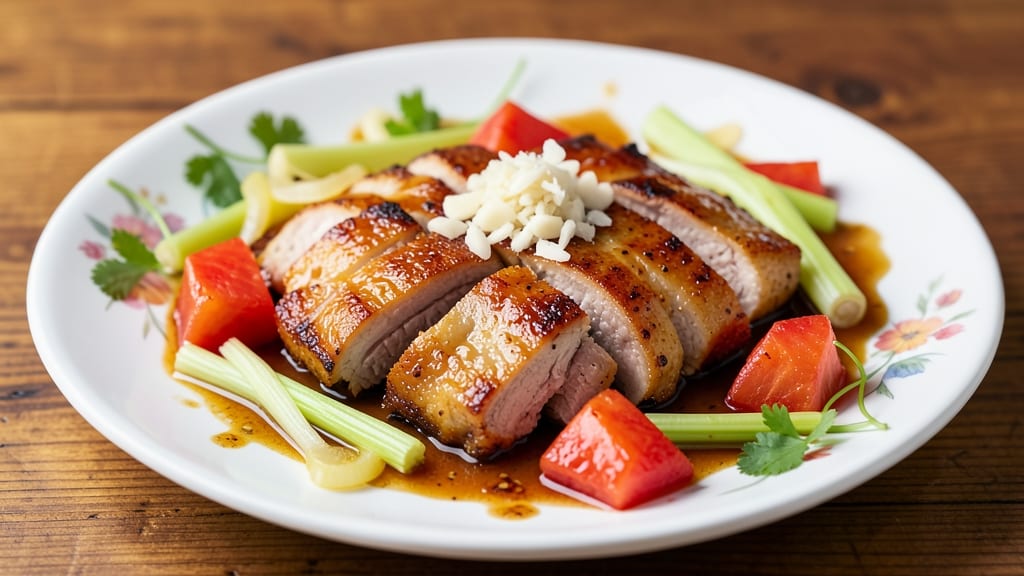
This Filipino pork pineapple recipe delivers the perfect balance of tangy, sweet, and savory flavors in every bite—just like your favorite turo-turo dish from a bustling Manila street market. 🌟 The secret lies in marinating the pork in a vinegar-soy-soy sauce blend, then braising it until fork-tender while caramelizing pineapple chunks for natural sweetness.
Crispy celery bites add a satisfying crunch that cuts through the rich, sticky sauce.
The beauty of this recipe is its versatility—whether you're making it for a family dinner or a special gathering, the flavors come together effortlessly. The pork stays juicy and tender, while the pineapple caramelizes into a glossy, sweet glaze that ties everything together.
Filipino home cooks swear by this technique, which transforms simple ingredients into a dish that's both comforting and impressive.
What makes this recipe truly special is the crispy celery bites—a technique that adds texture and visual appeal without overpowering the main dish. The celery absorbs just enough of the braising liquid to stay tender inside while developing a satisfying crunch on the outside.
It's the kind of detail that elevates a weeknight meal into something restaurant-worthy.
Serve this dish with steamed jasmine rice to soak up every last drop of that tangy, sweet sauce, and pair it with a side of atchara (pickled papaya) for a classic Filipino combination.
The flavors are bold, the technique is straightforward, and the results are guaranteed to impress. Let's get cooking!
Ingredients for pork pineapple recipe filipino
Filipino comfort food essentials—pork, pineapple, and celery transform into a restaurant-worthy braise.
| Ingredient | Amount | Notes |
|---|---|---|
| Boneless Pork Shoulder 🥩 | 1 ½ lb | Cut into 1-inch cubes |
| Fresh Pineapple Chunks 🍍 | 1 ½ cups | Canned works in a pinch |
| Celery Stalks 🥬 | 3 whole | Cut into 1-inch pieces |
| Yellow Onion 🧅 | 1 whole | Thinly sliced, about 1 cup |
| Garlic Cloves 🧄 | 6 cloves | Minced, about 1 tbsp |
| Cane Vinegar 💧 | ½ cup | White vinegar substitute |
| Soy Sauce 🍶 | ½ cup | Use light soy for milder flavor |
| Brown Sugar 🍚 | ¼ cup | Packed, not spooned |
| Olive Oil 🫒 | 2 tbsp | Extra-virgin preferred |
| Black Peppercorns 🌶️ | 1 tsp | Freshly cracked |
| Bay Leaves 🌿 | 2 whole | Remove before serving |
| Salt 🧂 | 1 ½ tsp | Diamond Crystal preferred |
| Jasmine Rice 🍚 | 2 cups | Uncooked, for serving |
| Pickled Papaya (Atchara) 🍈 | ½ cup | Optional garnish |
The pork shoulder is your secret weapon here—ask your butcher to cut it into 1-inch cubes for even cooking. Filipino markets often carry pre-cut pork shoulder, but if you're at a regular grocery store, look for the boneless shoulder roast and cube it yourself. Fresh pineapple is ideal, but canned pineapple chunks in juice (drained) work perfectly when fresh isn't available. The celery needs to be crisp, so choose stalks with vibrant green leaves—they'll stay crunchy when cooked properly. For the vinegar, cane vinegar gives that authentic Filipino tang, but white vinegar in a pinch won't ruin the dish.
No cane vinegar? Substitute white vinegar or even apple cider vinegar—just add an extra pinch of sugar to balance the flavor. Running low on brown sugar? Honey or maple syrup at half the amount works, though the texture will be slightly different. The soy sauce should be light soy for a milder flavor profile—dark soy adds color but can overpower the dish. For the crispy celery bites, cut the celery into even 1-inch pieces so they cook uniformly. If you're short on time, blanch the celery first in boiling water for 1 minute before adding to the braise to jumpstart the cooking process.
This braise tastes even better the next day as the flavors meld. Store leftovers in an airtight container in the fridge for up to 5 days. For longer storage, freeze portions for up to 3 months. The crispy celery bites will soften slightly when reheated, so reserve some fresh celery to add back in when serving. The jasmine rice pairs perfectly—cook 2 cups uncooked rice for 4 servings. For an authentic touch, serve with pickled papaya (atchara), which you can find at Asian markets or make yourself with papaya, vinegar, and chili flakes.
Why You'll Love This Recipe
- Fewer Cuts, Same Magic: Honestly, I swear by this one—just chop the onion, mince the garlic, and slice the celery into rough sticks. The pork shoulder stays in big chunks, and the pineapple? Grab it pre-cut from the store if you’re in a rush. That’s it. No fancy knife work, no stress.
- Sweet-Savory Balance: Between us, the garlic and soy sauce caramelize into something ridiculously good, while the pineapple’s tang cuts through the richness. That first bite? Crispy pork edges, juicy center, and a burst of fresh fruit—like a hug in a skillet.
- Leftover Hero: I make a double batch on Sundays because this reheats like a dream. The flavors deepen overnight, and it’s perfect for packed lunches or quick dinners. (Yes, even on a Tuesday night when you’re exhausted.)
- Budget-Friendly Feast: Pork shoulder is cheap, celery lasts forever, and you can use whatever pineapple’s on sale. A single pan, minimal ingredients, and enough leftovers to feed the whole family without breaking the bank. My wallet thanks me every time.
Step-by-step instructions for adobo-style pork pineapple braise
Master this Filipino technique for tender pork, sweet pineapple, and crispy celery bites—every element balanced perfectly.
🔥 Step 1: Sear the Pork Shoulder for Depth of Flavor
Heat the 2 tablespoons olive oil in a large Dutch oven over medium-high heat until shimmering. Add the 1.5 pounds boneless pork shoulder cut into 1-inch cubes and sear undisturbed for 3-4 minutes per side until golden brown. This creates a flavorful crust that forms the base of our braise.
Real talk: don't crowd the pan or the pork will steam instead of sear. Work in batches if needed, but keep the oil hot between additions. Once browned, transfer the pork to a plate and set aside. You'll notice the pork releases easily when properly seared—this is your signal it's ready for the next step.
🍳 Step 2: Build the Braising Base with Aromatics
In the same Dutch oven, reduce heat to medium and add the thinly sliced yellow onion and minced garlic cloves. Cook for 3-4 minutes until the onion softens and becomes translucent, stirring occasionally. Add the 1-inch celery pieces and cook for another 2 minutes until they begin to soften slightly.
Here's where the magic happens: sprinkle the 1.5 teaspoons salt and 1 teaspoon freshly cracked black peppercorns over the aromatics. Stir for 30 seconds to toast the spices gently—this enhances their flavor before we add the liquids. The spices should smell aromatic and slightly toasted, not burnt.
🥘 Step 3: Braise with Vinegar and Soy for Tangy Balance
Pour in the ½ cup cane vinegar and ½ cup soy sauce, scraping up any browned bits from the bottom of the pot. These bits are packed with flavor—don't miss this step! Add the ½ cup packed brown sugar and stir until dissolved. Return the seared pork to the pot along with the 1.5 cups fresh pineapple chunks.
Bring the mixture to a simmer over medium-high heat, then reduce to low heat. Cover and let it cook for 1 hour, stirring occasionally. The liquid should reduce slightly but still coat the pork. You're looking for pork that's tender enough to pierce with a fork but still holds its shape—this is the sweet spot for texture.
🔪 Step 4: Finish with Bay Leaves and Crispy Celery
Add the 2 whole bay leaves to the pot and continue simmering uncovered for another 20-25 minutes until the sauce thickens to a glossy consistency. The pork should be fork-tender with a rich, caramelized sauce. Here's the crispy secret: remove the celery pieces with a slotted spoon and set them aside. They'll crisp up beautifully as they cool.
Taste and adjust seasoning if needed—you might need a pinch more salt or sugar to balance the tangy-sweet flavors. The final sauce should coat the back of a spoon and have a perfect harmony of sweet, salty, and tangy notes. The bay leaves should be fragrant but not overpowering—remove them before serving.
🍽️ Step 5: Serve with Jasmine Rice and Pickled Papaya
Transfer the pork and pineapple to a serving platter, spooning the sauce over the top. Serve immediately alongside the 2 cups cooked jasmine rice. Arrange the crispy celery pieces on the side as a garnish—their texture contrast makes this dish pop. For an authentic touch, serve with ½ cup pickled papaya (atchara) on the side to cut through the richness.
Each bite should deliver perfectly tender pork, sweet pineapple, and that signature Filipino adobo tang. The crispy celery adds a delightful textural element that keeps this dish from feeling too heavy. Don't forget to save some of that glorious braising sauce for drizzling over your rice!
Pro Tips For Making Pork Pineapple Recipe Filipino
- Sear the Pork First: Pork shoulder needs that initial crust to stay juicy. Hit it with high heat in a hot pan for 3-4 minutes per side before adding anything else—even if it means your kitchen smells like heaven for a second.
- Slice Pineapple Thin: Thick chunks turn mushy when simmering. Cut the pineapple into ½-inch slices and halve them if they’re too wide—this keeps the texture bright and the flavors balanced instead of turning the dish into a watery stew.
- Don’t Overcrowd the Pan: I learned this the hard way—adding all the veggies at once steams them instead of browning. Sauté onions, garlic, and celery in batches until they soften but still hold their shape before tossing in the rest.
- Deglaze with Soy Sauce: After browning the pork, don’t just add water. Splash in 2 tablespoons of soy sauce first—it scrapes up all the flavorful bits stuck to the pan and gives the dish that classic umami kick without extra effort.
Essential equipment for this recipe
Dutch Oven Essentials
A 5-quart Dutch oven is your best friend for this recipe—I use my trusty Le Creuset Stoneware because it distributes heat evenly and handles the braising process beautifully. The deep sides prevent spills when adding liquids, and the heavy construction ensures consistent temperatures.
If you don’t have one, a stainless steel Dutch oven like All-Clad works too, though it may require slightly more attention to heat control. 🔥
Celery Prep Tools
For the crispy celery bites, a sharp chef’s knife and cutting board are non-negotiable. I recommend a Wüsthof Classic knife for clean cuts—it glides through celery stalks effortlessly. A mandoline slicer is optional but speeds up prep if you’re making this for a crowd.
Just be cautious with the thin slices! For extra safety, wear cut-resistant gloves if you’re not comfortable with sharp knives. 🥬
Measuring Precision
Filipino cooking relies on balanced flavors, so accurate measurements matter. Use a digital kitchen scale for the pork and brown sugar to ensure precision—1.5 lbs pork and ½ cup packed brown sugar make all the difference.
For liquids, a liquid measuring cup with clear markings helps avoid over- or under-measuring the ½ cup vinegar and ½ cup soy sauce. A spice grinder for fresh black peppercorns ensures maximum flavor impact. 🌶️
Heat Control Gear
Monitoring the braising temperature is key. A meat thermometer like Thermoworks Smoke lets you check the pork’s internal temp—aim for 195°F for fork-tender results. If you don’t have one, a timer helps track the 1-hour simmering window.
For the stovetop, silicon oven mitts protect your hands when adjusting the Dutch oven’s heavy lid. Pro tip: Keep a small bowl of water nearby to cool the pot handle if needed. ⏰
Serving Essentials
Presentation matters! A large serving platter (like Corelle Stoneware) keeps everything warm while showcasing the dish. For the crispy celery, a slotted spoon makes it easy to transfer them without breaking.
Don’t forget a rice server—a wooden spoon works best for jasmine rice to avoid scratching your Dutch oven. Garnish with pickled papaya using a small bowl for easy serving. 🍽️
Nutrition facts
Frequently asked questions
Can I use pork chops instead of pork shoulder for this recipe?
Pork chops work, but they'll require half the cooking time—about 20-25 minutes total instead of braising. Use ½-inch thick chops and reduce the soy sauce to ¼ cup to prevent overpowering the delicate meat. Sear them first, then cook just until 145°F internal temp, adding pineapple in the last 5 minutes to avoid overcooking.
How do I make this recipe less sweet?
Reduce the brown sugar to 2 tablespoons and increase cane vinegar to ⅔ cup to amplify the tangy flavor. For extra depth, add 1 tablespoon fish sauce (a Filipino staple) or a pinch of ground white pepper to balance sweetness. Taste as you go—adjust in 1-teaspoon increments until perfect.
Can I make this in a slow cooker?
Brown the pork first, then transfer everything (including celery) to a 6-quart slow cooker. Cook on low for 6 hours or high for 3 hours, stirring once halfway. The celery will soften more, but the pork stays tender. For crispy celery, reserve some fresh pieces to add just before serving.
What's the best way to store leftovers?
Store in an airtight container with the sauce for up to 5 days in the fridge. For longer storage, freeze portions (without rice) for 3 months. Reheat gently on low heat with a splash of water to restore moisture. Save some crispy celery separately—it reheats best when fresh.
Why does my pineapple turn mushy?
Pineapple softens quickly in acid—reduce cooking time to 15 minutes after adding it. Use firm, fresh pineapple (not canned) and add it only in the last 20 minutes of braising. For extra protection, toss pineapple chunks in 1 teaspoon cornstarch before adding to the pot.