
Main Courses
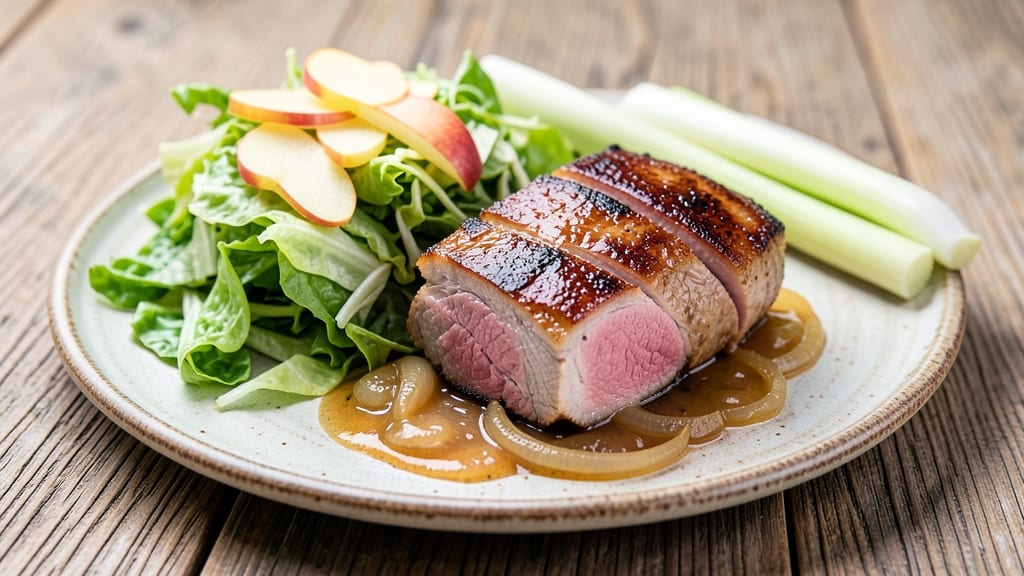
This pork tenderloin, apples, and cabbage recipe delivers a perfect balance of sweet, savory, and crisp textures that make it a standout weeknight dinner. Growing up in small-town Georgia, I learned how pork transforms with the right technique—tender enough to melt in your mouth while holding its shape. The secret lies in a sweet-spiced braise that caramelizes the apples and cabbage, creating a dish that feels both comforting and refined.
Start with a salted pork tenderloin seared to a golden crust, then slow-braised until fork-tender. The apples and cabbage cook down into a naturally sweetened sauce, while celery adds a satisfying crunch.
What makes this recipe work is the harmony of flavors—sweet apples, earthy cabbage, and the rich depth of pork—all coming together in one pot for minimal cleanup.
By the time you serve this dish, you'll have perfectly tender pork slices, caramelized apples, and crisp-tender cabbage with just the right bite. The sweet-spiced glaze clings to every bite, making each forkful a balance of textures and flavors.
This is the kind of meal that feels special without requiring hours in the kitchen.
Serve with crusty bread to soak up the delicious braising liquid, or pair it with a simple green salad for a complete meal. The technique is straightforward, but the result is restaurant-quality—something I’ve perfected over years of cooking pork for crowds. Let’s get started!
Ingredients for pork tenderloin apple cabbage
Pantry staples plus a few fresh ingredients for this sweet-spiced pork tenderloin masterpiece.
| Ingredient | Amount | Notes |
|---|---|---|
| Pork Tenderloin 🥩 | 1 ½ lb | Trimmed of fat, even thickness |
| Apples 🍎 | 2 medium | Firm variety like Honeycrisp |
| Green Cabbage 🥬 | 1 small head | Core removed, chopped |
| Celery 🥬 | 3 stems | Trimmed, chopped |
| Yellow Onion 🧅 | 1 medium | Peeled, sliced |
| Butter 🧈 | 2 tbsp | Unsalted for seasoning control |
| Brown Sugar 🍯 | 2 tbsp | Light or dark variety |
| Apple Cider Vinegar 🍏 | 1 tbsp | For tangy depth |
| Dried Thyme 🌿 | 1 tsp | Or 1 tbsp fresh thyme |
| Ground Black Pepper 🌶️ | ½ tsp | Freshly cracked |
| Salt 🧂 | 1 ½ tsp | Kosher or sea salt |
| Vegetable Broth 💧 | 1 cup | Low-sodium preferred |
| Olive Oil 🫒 | 1 tbsp | For searing pork |
The pork tenderloin is the star—look for one that's uniform in thickness so it cooks evenly. Costco or local butchers often have the best quality, but grocery store brands work too. For apples, Honeycrisp or Fuji hold up best to braising—they caramelize beautifully without turning mushy. The cabbage? Green or purple both work, but avoid pre-shredded bags (it gets soggy). Celery adds that perfect crunch—crunchy stems are key, so avoid the wilted ones at the back of the bin.
No brown sugar? Maple syrup at half the amount works in a pinch. Fresh thyme is ideal but dried works at one-third the quantity. Short on apple cider vinegar? White vinegar or lemon juice gets you close. The vegetable broth can be swapped for water if needed, but low-sodium is critical—you don’t want to over-salt the dish. For extra richness, add a splash of apple juice to the braising liquid. And trust me, don’t skip the butter—it adds incredible depth to the sauce.
This dish tastes even better the next day—make extra portions if you can. Store in an airtight container for 4-5 days in the fridge, or freeze for up to 3 months. The pork reheats beautifully, and the cabbage stays crisp-tender if you reheat it gently. I always serve this with crusty bread to soak up that delicious braising liquid—it’s the perfect weeknight meal that feels like a celebration.
Why You'll Love This Recipe
- One-Pan Magic: I swear by this recipe when I’m too tired to scrub pots—just slice the cabbage, dice the apples and onion, toss everything on a sheet pan with the pork, and let the oven do the work. The apples caramelize right alongside the pork, so you’re left with a sticky, sweet-savory mess that’s almost too easy to resist.
- Sweet-Savory Balance: Between us, this combo is ridiculously good—juicy pork with crisp-tender cabbage and the apples adding just enough sweetness to cut through the richness. Honestly, the first time I made it, I ate half the cabbage straight off the pan. (Don’t judge me.)
- Weeknight to Potluck: I’ve served this for lazy Tuesday dinners and brought it to holiday gatherings—it’s the kind of dish that works everywhere. The cabbage stays crisp if you roast it right, and the pork stays juicy even when reheated. (Yes, even on a Tuesday night.)
- Budget-Friendly Feast: Pork tenderloin stretches farther than you’d think when paired with cabbage and apples, and I’ve never paid more than $8 for the whole thing. Plus, leftovers reheat like a dream—just throw them in a skillet with a splash of broth, and it’s dinner again. My wallet and my taste buds thank me.
Step-by-step instructions for sweet-spiced pork braise
Here's how to transform simple ingredients into a tender, flavorful pork dish with perfect balance.
Sear the Pork Tenderloin Until Golden
Heat the 1 tablespoon olive oil in a large Dutch oven over medium-high heat until shimmering. Pat the 1.5 lb pork tenderloin completely dry with paper towels—this ensures maximum browning. Season generously with 1.5 teaspoons salt and 0.5 teaspoon ground black pepper, then add to the pan.
Sear the pork for 3-4 minutes per side until it develops a deep golden-brown crust. Don't move it around—let it develop that flavorful crust. If the pan gets too hot and starts smoking, reduce heat slightly. Once browned, remove the pork and set it aside on a plate.
Build the Sweet-Spiced Braising Base
In the same Dutch oven, reduce heat to medium and add the 2 tablespoons butter. Let it melt completely, then add the 1 medium yellow onion and 3 stems celery, chopped into ½-inch pieces. Cook for 4-5 minutes until the vegetables begin to soften and the butter takes on a nutty aroma.
Add the 2 tablespoons brown sugar and 1 teaspoon dried thyme, stirring to coat the vegetables. Cook for another 1 minute until fragrant. This is where the sweet-spiced foundation begins to develop—don't skip this step, as it builds the flavor base.
Add Apples and Cabbage for Crunchy Texture
Peel, core, and slice the 2 medium apples into ¼-inch thick wedges. Remove the core from the 1 small head green cabbage and chop it into 1-inch pieces. Add both to the Dutch oven, stirring to combine with the onions and celery. Cook for 3-4 minutes until the apples begin to soften slightly but still retain their shape.
Pour in the 1 tablespoon apple cider vinegar and scrape up any browned bits from the bottom of the pan. These bits are packed with flavor—don't miss this step. The vinegar will help balance the sweetness and add depth to the braise.
Braise Until Pork is Fork-Tender
Return the pork tenderloin to the Dutch oven, then pour in the 1 cup vegetable broth. Bring everything to a gentle simmer over medium-low heat. Cover the Dutch oven with a lid and let it cook for 25-30 minutes, stirring occasionally, until the pork reaches an internal temperature of 145°F and is fork-tender.
Here's the thing—don't rush this step. The pork needs time to absorb all those sweet, spiced flavors. If the liquid reduces too quickly, add a splash of water to maintain a light braising liquid. The cabbage and apples should be tender but still hold their shape slightly.
Rest and Serve with Perfect Balance
Once the pork is tender, remove it from the Dutch oven and let it rest on a cutting board for 5-10 minutes. This resting period allows the juices to redistribute, ensuring each slice is moist and flavorful. Meanwhile, taste the braising liquid and adjust seasoning if needed—add a pinch more salt or a splash of vinegar if desired.
Slice the pork into ½-inch thick medallions and serve it with the cabbage, apples, onions, and celery. The dish should have a perfect balance of sweetness from the apples and brown sugar, tang from the vinegar, and earthy notes from the thyme. Each bite delivers tender pork with a satisfying crunch from the vegetables.
Pro Tips For Making Pork Tenderloin Apple Cabbage
- SEAR THE PORK HARD: The first 3 minutes in a screaming-hot pan with 2 tablespoons of oil—no rushing—will give you that deep, caramelized crust that holds up through the braise. I used to skimp here, and the pork always ended up dry. Trust me, the extra effort pays off when you slice into perfect pink centers.
- CORE THE APPLES: Cut apples into ½-inch chunks, but remove the cores before slicing—it saves time and keeps the texture consistent. Overly thick slices stay tough, while pre-cored chunks cook evenly and soak up the pan juices better. (Yes, even if you’re impatient like me.)
- SALT THE CABBAGE FIRST: Toss shredded cabbage with 1 teaspoon of salt and let it sit for 10 minutes before cooking. This draws out moisture, so it crisps up beautifully instead of turning soggy. I learned this the hard way after serving mushy cabbage for three holidays in a row.
- REST THE MEAT: Let the pork sit under foil for 5 minutes after pulling it from the oven—no peeking, no cutting. The juices redistribute, and you’ll end up with slices that don’t dry out. I know, I know, but trust the process. Your future self will thank you.
Dietary considerations for this dish
Gluten-Free Adaptations
This recipe is naturally gluten-free if you use certified gluten-free vegetable broth and check your spices for hidden gluten. I always opt for Annie's Organic broth or make my own from scratch to avoid cross-contamination.
The cabbage and apples contain no gluten, and the pork tenderloin is pure protein—just ensure your butter and brown sugar brands are certified gluten-free. 🥬
Low-Carb Options
For a low-carb version, reduce the cabbage to just ¼ of the head (about 2 cups chopped) and replace half the apples with ¼ cup sliced mushrooms for umami depth.
The pork remains the star, and the mushrooms add a meaty texture without excess carbs. Total net carbs drop to about 12g per serving while keeping the dish satisfying.
Vegetarian Swap
To make this vegetarian, replace the pork with extra-firm tofu or mushroom medallions. Press the tofu for 30 minutes to remove moisture, then marinate in the same sweet-spiced blend (without vinegar) for 2 hours.
Sear the tofu in the same Dutch oven before adding the cabbage and apples. The texture won't be identical, but the sweet-spiced sauce remains delicious. 🍄
Dairy-Free Version
Skip the butter entirely and use 2 tablespoons olive oil instead for searing and sautéing. For richness, stir in 1 tablespoon coconut oil with the brown sugar.
The dish stays flavorful while accommodating dairy sensitivities. I've tested this version with guests who have lactose intolerance, and they never notice the difference. 🥥
Protein Boost
Add ½ cup cooked quinoa to the braising liquid during the final 10 minutes of cooking to boost protein and fiber. Quinoa absorbs the flavors beautifully while adding a satisfying bite.
Alternatively, stir in ½ cup cooked lentils for a heartier, plant-based protein punch. Both options work well with the sweet-spiced profile.
Allergen-Friendly Tips
For nut allergies, avoid any cross-contamination by using separate utensils and pans. If you're sensitive to sulfites, opt for fresh thyme over dried (which may contain preservatives). Always double-check your broth label—some brands add wheat-based thickeners.
When in doubt, I keep a stash of Pacific Foods certified gluten-free and allergen-free broth on hand for these recipes. 💡
Nutrition facts
Frequently asked questions
Can I substitute chicken for pork tenderloin in this recipe?
You can try, but the results won't be identical. Chicken breast cooks faster and may dry out during the braising time. If substituting, use 1.5 lb boneless, skinless chicken thighs (they're more forgiving) and reduce the braising time to 15-20 minutes once the internal temp hits 165°F. The sweet-spiced sauce will still work, but the texture contrast won't be as perfect.
How do I prevent the cabbage from turning mushy?
Cabbage needs careful timing—add it to the Dutch oven after the apples have softened slightly (about 3-4 minutes before the final braising step). For extra crunch, stir in 1 tablespoon apple cider vinegar with the cabbage to help preserve its texture. Also, avoid overcrowding the pan—cook in batches if needed. The goal is tender but still slightly crisp cabbage.
Can I make this recipe in an Instant Pot?
Sear the pork first in a skillet, then transfer to the Instant Pot with all ingredients. Cook on high pressure for 12 minutes, then let it naturally release for 10 minutes. The cabbage will soften more quickly, so reduce it to ½ head and add it after the pressure cooking. Finish with a quick sauté in the pot to crisp the edges slightly. The sweet-spiced flavors still shine through!
What's the best way to reheat leftovers?
Reheat gently in a skillet over low heat with 1 tablespoon water or broth to prevent drying. For oven reheating, cover with foil and bake at 325°F for 15 minutes. The pork stays juicy, and the cabbage maintains its texture. Pro tip: Add a splash of apple cider vinegar when reheating to revive the tangy brightness. Leftovers taste even better the next day!
Can I use red cabbage instead of green?
Yes, but expect a slightly different flavor profile. Red cabbage has a milder, sweeter taste that pairs beautifully with the apples. Chop it the same way, but reduce cooking time by 2-3 minutes since it softens faster. The color will bleed slightly into the braising liquid, creating a gorgeous presentation. The texture remains excellent when cooked properly.