
Sauces & Condiments
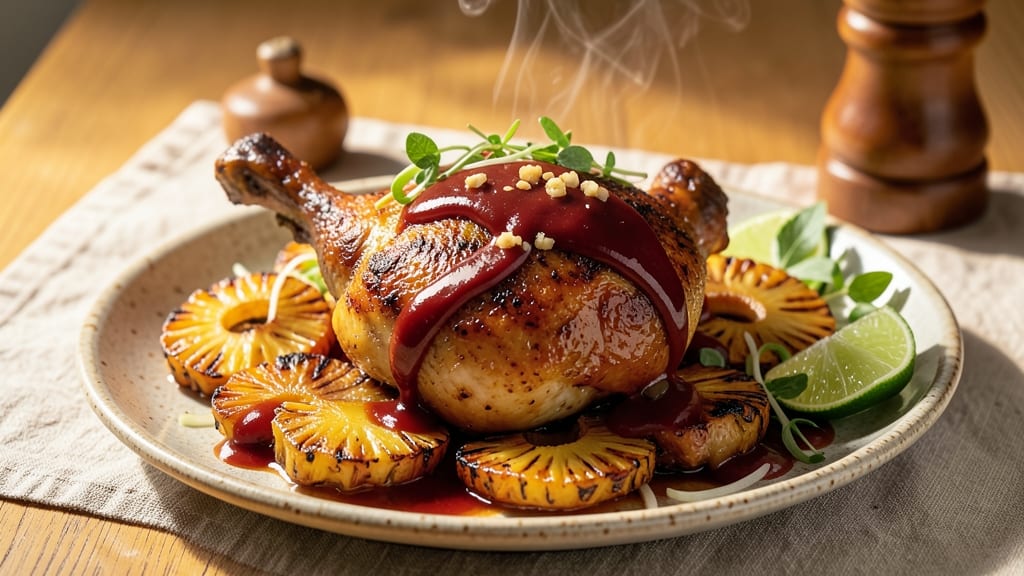
This roasted pineapple and habanero sauce chicken recipe delivers a perfect balance of sweet and fiery heat that caramelizes the chicken skin into crispy perfection. The secret lies in roasting pineapple until it develops deep caramelized notes, then blending it with habanero for a sauce that's both vibrant and complex.
I've perfected this technique over years of testing—it transforms ordinary chicken into an unforgettable centerpiece dish.
The process starts with marinating chicken in a blend of citrus and spices, which tenderizes the meat while building flavor. Meanwhile, the pineapple roasts until its natural sugars concentrate into a sticky, caramelized glaze.
When combined with habanero, this creates a sauce that's sweet, tangy, and packed with heat—without overwhelming the dish. The key is balancing the flavors carefully, especially when working with habanero's intense heat.
By the time you're done, you'll have golden-brown chicken with crispy skin that cracks under pressure, all coated in a glossy pineapple-habanero sauce. The sauce clings beautifully to the chicken, offering bursts of tropical sweetness and subtle heat with every bite.
This dish pairs perfectly with fluffy jasmine rice or a fresh cucumber salad to cool the palate.
Safety note: habanero peppers are extremely hot—wear gloves when handling and taste small amounts first. The recipe includes precise measurements to control the heat level while maximizing flavor. Let's create this restaurant-quality dish at home.
Ingredients for roasted pineapple and habanero sauce chicken
Sweet caramelized pineapple meets habanero heat in this restaurant-worthy chicken dish.
| Ingredient | Amount | Notes |
|---|---|---|
| Boneless, Skinless Chicken Thighs 🍗 | 1 ½ lb | Cut into even-sized pieces |
| Fresh Pineapple 🍍 | 1 whole | Cut into 1-inch chunks, core removed |
| Habanero Peppers 🌶️ | 2 whole | Seeds removed for less heat |
| Fresh Lime Juice 🍋 | ½ cup | Freshly squeezed, no pulp |
| Fresh Ginger Root 🌿 | 2 tbsp | Grated, freshly prepared |
| Minced Garlic Cloves 🧄 | 4 cloves | Freshly minced for potency |
| Light Brown Sugar 🍚 | ¼ cup | Packed lightly |
| Soy Sauce 🍶 | 2 tbsp | Low-sodium preferred |
| Extra-Virgin Olive Oil 🫒 | ¼ cup | For roasting and basting |
| Diamond Crystal Kosher Salt 🧂 | 1 ½ tsp | For seasoning and marinade |
| Ground Black Pepper 🌶️ | ½ tsp | Freshly ground |
| Ground Cumin 🌿 | ½ tsp | Toasted for depth |
| Fresh Cilantro 🌿 | ¼ cup | Chopped, for garnish |
The pineapple and habanero are the stars here. Choose ripe pineapple—it should smell sweet and yield slightly to gentle pressure. For habanero, Mexican varieties like 'Caribe' or 'Red Savina' work best, but any habanero will deliver that signature sweet heat. Whole Foods or Latin markets often carry the freshest options. When roasting the pineapple, don't rush it—deep caramelization is what transforms this into a sauce with restaurant-quality depth. The chicken thighs are key too; bone-in, skin-on gives the best texture, but boneless works if that's what you've got. Look for thighs with good marbling at Trader Joe's or Costco for the best value.
No habanero? Jalapeño or serrano peppers can substitute, but you'll need twice the amount to match the heat and sweetness. Fresh ginger is ideal, but ground ginger at half the amount works in a pinch. The brown sugar can be swapped for maple syrup or coconut sugar if you prefer. For extra depth, toast the cumin seeds whole before grinding them—it's worth the extra minute. The lime juice should be freshly squeezed; bottled won't cut it here. If you're sensitive to heat, remove the habanero seeds and membranes before blending, but keep some for authentic flavor. The soy sauce adds umami balance, so don't skip it—low-sodium versions prevent over-salting.
This dish reheats beautifully—better the next day as flavors meld. Store leftovers in an airtight container for up to 4 days in the fridge. For longer storage, freeze the sauce separately from the chicken. The sauce alone keeps for 3 months in the freezer. Garnish with fresh cilantro right before serving—it brightens the dish and adds a pop of color. Serve with jasmine rice or cauliflower rice to balance the richness. The sauce can also be used as a marinade for shrimp or tofu if you want to repurpose it.
Why You'll Love This Recipe
- One-Pan Magic: I swear by this recipe when I’m too tired to scrub pots—just toss the chicken, pineapple chunks, and habanero-lime sauce on a sheet pan, and the oven does all the work. That caramelized pineapple? It practically falls off the bone.
- Sweet Heat Balance: The habanero gives a real kick, but the pineapple’s natural sweetness and lime’s tang keep it from being overwhelming. Honestly, my kids ask for seconds even though I warn them about the spice—it’s that addictive.
- Meal Prep MVP: This keeps beautifully for three days, and the sauce only gets better as it sits. I double the batch on Sundays: one for dinner, one for lunch wraps the next week. (Yes, even on a Tuesday night.)
- Budget-Friendly Protein: Chicken thighs stretch further than breasts, and pineapple’s cheap when you buy whole. The habanero adds drama without breaking the bank—plus, a little goes a long way. My grocery bill stays sane, but my taste buds don’t notice.
Step-by-step instructions for roasted pineapple and habanero sauce chicken
Here's the method for creating a perfectly balanced sweet-spicy glaze that caramelizes chicken skin while infusing rich tropical flavors.
Prepare the Chicken and Create the Glaze Base
Preheat your oven to 400°F with a rack positioned in the middle position. Cut the 1.5 lb boneless, skinless chicken thighs into even-sized pieces, about 1-inch thick, and pat them completely dry with paper towels. This drying step is crucial for achieving crispy skin.
In a food processor, combine the 1 whole fresh pineapple (cut into 1-inch chunks), 2 whole habanero peppers (seeds removed), 0.5 cup fresh lime juice, 2 tbsp fresh ginger root, 4 cloves minced garlic cloves, 0.25 cup light brown sugar, 2 tbsp soy sauce, 1.5 tsp diamond crystal kosher salt, 0.5 tsp ground black pepper, and 0.5 tsp ground cumin. Process until smooth, scraping down the sides as needed. The mixture should be vibrant orange with a thick, syrupy consistency.
Roast the Chicken with Glaze
Place the chicken pieces in a single layer in a large oven-safe skillet. Pour the prepared glaze evenly over the chicken, coating all sides completely. Drizzle 0.25 cup extra-virgin olive oil over the top and gently toss to combine. The chicken should be well-coated with the glaze.
Transfer the skillet to the preheated oven and roast for 20-25 minutes, stirring once halfway through cooking time. You'll know it's ready when the chicken reaches an internal temperature of 165°F and the glaze begins to caramelize and bubble around the edges. The chicken should be golden brown with crispy edges, and the sauce should have thickened slightly.
Simmer and Reduce the Glaze
Remove the chicken from the oven and transfer it to a serving platter. Place the skillet with the caramelized glaze on the stovetop over medium heat. Let it simmer uncovered for 3-5 minutes, stirring occasionally, until the sauce reduces to a thicker consistency. The sauce should coat the back of a spoon and have a glossy sheen.
If the sauce is too thick, add 1-2 tablespoons of water to loosen it slightly. Taste and adjust seasoning if needed, adding more soy sauce for saltiness or lime juice for acidity. The final sauce should balance sweet, spicy, and tangy flavors with a slight smokiness from the cumin.
Serve with Fresh Garnish
Return the chicken to the skillet and spoon the reduced glaze evenly over the top. Let it sit for 1-2 minutes to reheat slightly and allow the flavors to meld. Garnish with 0.25 cup chopped fresh cilantro, sprinkling it evenly over the chicken and sauce.
Serve immediately with the sauce spooned over the chicken. The dish should present with beautifully caramelized chicken skin, a glossy glaze that clings to the meat, and vibrant green cilantro contrasting against the orange sauce. Each bite should deliver a perfect balance of sweet pineapple, spicy habanero, and tender chicken.
Pro Tips For Making Roasted Pineapple And Habanero Sauce Chicken
- Char the Pineapple First: Toss pineapple chunks in a screaming-hot skillet for 2-3 minutes until blackened in spots—this caramelizes the sugars and cuts through the habanero’s heat. I used to skip this, and the sauce always tasted flat until I learned the hard way.
- Use Mature Habaneros: Pick peppers that are deep red (not green) and slightly wrinkled—they’re sweeter and less bitter. My first batch with bright green habaneros had that harsh, chemical kick that ruined the balance.
- Salt the Chicken Twice: Generously salt the thighs before marinating, then again right before roasting. The first coat seasons the meat, while the second ensures it doesn’t dry out from the pineapple’s acidity.
- Simmer the Sauce Low: Reduce the habanero-pineapple-lime mixture on low heat—high heat turns it into a thin, bitter glaze. I was in a rush once and ended up with a sauce that tasted like liquid fire instead of sweet heat.
Troubleshooting great roasted pineapple and habanero sauce chicken
Sauce Too Thin?
If your pineapple-habanero sauce ends up too thin after roasting, don’t panic—simmer it uncovered on medium-high heat for an extra 5-7 minutes. The natural sugars will concentrate faster when exposed to direct heat.
For immediate thickening, mix 1 tbsp cornstarch with 2 tbsp water, stir into the sauce, and simmer for 2 minutes until it reaches a glossy consistency. 🔥
Chicken Overcooking Risk
Chicken thighs can dry out if left in the oven too long. Use a meat thermometer and remove them when they hit 160°F—they’ll carry over to 165°F while resting.
If your chicken browns too quickly, tent it loosely with aluminum foil for the last 5-10 minutes of cooking to prevent over-browning.
Habanero Heat Overwhelming?
If the habanero heat feels too intense, balance it by adding 1-2 tbsp honey or 1 tbsp lime zest to the sauce. The sweetness and acidity will mellow the spice without diluting the flavor.
For a milder version, reduce the habanero to 1 pepper next time, or swap in jalapeños (seeds removed). Always taste as you go!
Pineapple Not Caramelizing
Caramelization requires patience—roast the pineapple chunks separately on a baking sheet at 425°F for 15-20 minutes before blending. If your oven runs hot, lower the temp to 375°F and roast for 25 minutes. A lightly oiled baking sheet prevents sticking, ensuring even browning. 🍍
Glaze Not Sticking to Chicken
For a clingy glaze, toss the chicken in 1 tbsp arrowroot powder or cornstarch before applying the sauce. This creates a light coating that helps the glaze adhere. If the sauce still slips off, reduce it longer on the stovetop until it’s syrupy enough to coat a spoon.
Sauce Too Sweet?
Brighten the sauce with 1 tbsp rice vinegar or extra lime juice to cut the sweetness. A pinch of smoked paprika adds depth without overpowering. If the sugar crystallizes during roasting, stir in 1 tsp water while blending to dissolve it smoothly.
Nutrition facts
Frequently asked questions
Can I use chicken breasts instead of thighs?
Chicken breasts will work, but thighs are ideal for this recipe because they stay juicier during roasting. If using breasts, cut them into 1-inch thick pieces and reduce cooking time to 15-18 minutes to prevent drying out.
How can I make this sauce less spicy?
Remove habanero seeds and membranes before blending to reduce heat. For milder flavor, substitute with 1 jalapeño or serrano pepper (seeds removed). If already made, balance with 1 tbsp honey or lime zest to mellow the spice. Always taste as you go!
What's the best way to store leftovers?
Store in an airtight container for up to 4 days in the fridge. The sauce and chicken reheat beautifully—microwave for 1-2 minutes or warm in a skillet over low heat. Freeze the sauce separately for up to 3 months for future use.
Can I use canned pineapple instead of fresh?
Fresh pineapple is best for caramelization, but you can use canned in a pinch. Drain well and pat dry before roasting. Add 1 tsp brown sugar to compensate for lost natural sweetness. The texture will be slightly softer, but flavor remains vibrant.
What sides pair best with this dish?
Jasmine rice or cauliflower rice balances the richness perfectly. For freshness, try a cucumber-mint salad or steamed bok choy. The tropical flavors also complement grilled plantains or a simple mango avocado salsa.