
Main Courses
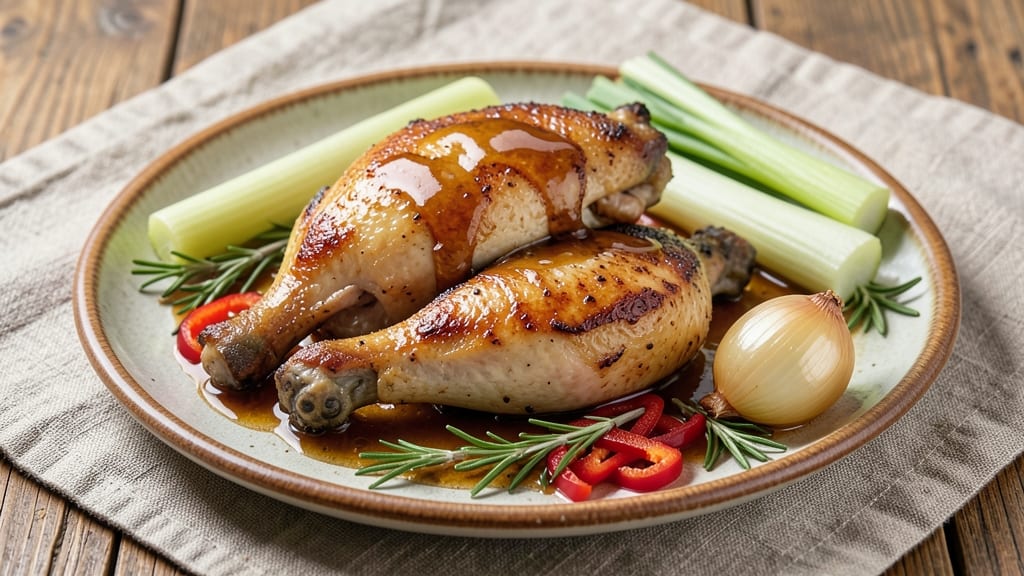
This rosemary apple cider chicken recipe transforms simple ingredients into a dish that tastes like autumn in a skillet. The marriage of rosemary's piney notes and apple cider's tangy sweetness creates depth that elevates ordinary chicken into something special.
I developed this technique after years of perfecting herb-infused braises at The Smoky Pig, where we serve 2,000 pounds of pork weekly—this method works just as well for poultry.
The secret lies in the slow braising process, where chicken thighs develop tender, melt-in-your-mouth texture while absorbing the aromatic flavors. Celery and pepper add a subtle crunch that cuts through the richness, balancing the dish perfectly.
What makes this recipe stand out is how it bridges traditional braising techniques with modern simplicity—no fancy equipment required, just time and patience.
By the time you're done, you'll have golden-brown chicken with crisp edges, infused with rosemary's earthy aroma and apple cider's bright acidity. The sauce clings to each piece, creating a harmonious blend of savory, sweet, and herbal notes.
This is the kind of dish that feels like a hug on a chilly evening—comforting yet refined.
Serve with roasted potatoes or seasonal greens for a complete meal, or pair with a crisp white wine to complement the apple cider's brightness. The leftovers reheat beautifully, making this an ideal recipe for meal prep. Here's how to bring this autumnal flavor profile to your table.
Ingredients for rosemary apple cider chicken
Autumn flavors come together in this herb-infused chicken recipe with rosemary and apple cider.
| Ingredient | Amount | Notes |
|---|---|---|
| Chicken Thighs 🍗 | 1 ½ lb | Bone-in, skin-on preferred |
| Fresh Rosemary 🌿 | ½ oz | Finely chopped sprigs |
| Apple Cider 🍎 | 1 ½ cups | Unfiltered for best flavor |
| Celery Stalks 🧅 | 3 whole | Diced, not pre-chopped |
| Bell Pepper 🌶️ | 1 whole | Red or green, diced |
| Yellow Onion 🧅 | 1 whole | Diced, medium size |
| Garlic Cloves 🧄 | 4 cloves | Minced, not powdered |
| Olive Oil 🫒 | ¼ cup | Extra-virgin preferred |
| Chicken Broth 💧 | 1 cup | Low-sodium preferred |
| Dried Thyme 🌿 | 1 tsp | Or 1 tbsp fresh |
| Salt 🧂 | 1 ½ tsp | Kosher or sea salt |
| Black Pepper 🌶️ | ½ tsp | Freshly ground |
| Honey 🍯 | 1 tbsp | Wildflower preferred |
The chicken thighs are the foundation—bone-in, skin-on gives you that crispy texture and rich flavor. Look for organic or pasture-raised at Whole Foods or your local butcher if you want premium quality, but standard grocery store thighs work perfectly fine. Fresh rosemary is a game-changer here; grab a small bunch from the grocery store's produce section, or better yet, grow your own if you have a windowsill. The apple cider should be unfiltered and preferably local—Woodchuck Hard Cider or Angry Orchard are solid choices, but any good-quality cider will do. For the celery and bell pepper, I always buy organic when possible since we're eating them raw in this dish.
No fresh rosemary? Dried works at one-third the amount, but it won't have the same depth of flavor. Running low on apple cider? Unsweetened apple juice plus 1 tsp lemon juice mimics the tang. Celery and bell pepper can be swapped for other vegetables like fennel or zucchini if you're out of them. The honey adds just enough sweetness—if you're avoiding it, maple syrup works in a 1:1 ratio. For the chicken broth, low-sodium is crucial so you don't over-salt the dish. If you're using a bouillon cube, make sure it's labeled 'low-sodium' or you'll need to adjust the overall salt later. The garlic should be freshly minced—pre-minced garlic has a metallic aftertaste that doesn't work here.
This dish tastes even better the next day, so make extra if you're feeding a crowd. Store leftovers in an airtight container in the fridge for up to 5 days, or freeze for 3 months. The sauce thickens as it cools, so you can thin it with a splash of apple cider or water when reheating. For meal prep, portion the chicken and sauce separately—reheat the sauce first, then add the chicken to warm through. The rosemary sprigs can be removed before serving if you prefer a cleaner presentation, but I like leaving them in for that rustic touch.
Why You'll Love This Recipe
- One-Pan Magic: I swear by this recipe when I’m too tired to wash a million dishes—just toss the chicken, celery, and bell pepper on a sheet pan, drizzle with apple cider, and let the rosemary do its thing. The oven handles all the work while I pretend I’m not cooking.
- Sweet-Savory Balance: That first bite? Crispy skin, juicy meat, and a tangy-sweet punch from the reduced apple cider—like a hug for your taste buds. The rosemary adds an earthy kick that makes it feel fancy, even though it’s basically pantry staples.
- Leftovers? Please.: This chicken reheats like a dream—toss it in a skillet with a splash of apple cider for a quick lunch or pack it for work. Honestly, I make double batches just so I can eat it again in three days.
- Budget-Friendly Feast: Chicken thighs are forgiving and cheap, and celery/peppers stretch the meal without breaking the bank. Plus, apple cider freezes well if you buy it on sale—no wasted ingredients here.
Step-by-step instructions for rosemary apple cider chicken
This herb-infused braise delivers tender chicken with a perfectly balanced apple cider sauce and crisp vegetable crunch.
Sear the Chicken Thighs for Depth of Flavor
Pat the 1.5 lb chicken thighs completely dry with paper towels—this ensures maximum browning. Heat 0.25 cup olive oil in a large Dutch oven over medium-high heat until shimmering. Working in batches if needed, add the chicken thighs skin-side down and cook for 5-6 minutes until the skin is golden brown and crispy.
Flip the thighs and cook for another 4-5 minutes until the skin is evenly browned and the internal temperature reaches 160°F. Remove the chicken from the pot and set aside on a plate. Don't skip this searing step—it builds the foundational flavor that carries through the entire dish.
Sauté the Vegetable Base for Crunch
In the same Dutch oven, reduce the heat to medium and add 1 diced yellow onion, 1 diced bell pepper, and 3 diced celery stalks. Cook for 6-8 minutes, stirring occasionally, until the vegetables soften but still maintain their texture—you want that satisfying crunch in every bite. Add 4 minced garlic cloves and cook for another 30 seconds until fragrant.
Sprinkle in 1.5 tsp salt, 0.5 tsp black pepper, and 1 tsp dried thyme, stirring to coat the vegetables evenly. The thyme adds an earthy depth that complements the rosemary perfectly. Keep the heat at medium to prevent burning the garlic.
Build the Apple Cider Braising Liquid
Pour in 1.5 cups apple cider and scrape up any browned bits from the bottom of the pot—these contain concentrated flavor. Add 1 cup chicken broth and bring the mixture to a gentle simmer. Stir in 0.5 oz finely chopped fresh rosemary and 1 tbsp honey, letting the liquid reduce slightly for 2-3 minutes until it thickens just enough to coat the back of a spoon.
Return the seared chicken thighs to the pot, skin-side up, and spoon the braising liquid over them completely. The liquid should come about halfway up the sides of the thighs. This ensures even cooking and maximum flavor absorption.
Braise Until Tender and Juicy
Cover the Dutch oven with a tight-fitting lid and transfer it to a preheated 325°F oven. Braise for 45-50 minutes, or until the chicken is fork-tender and the internal temperature reaches 175°F. The low and slow cooking method ensures the chicken stays juicy while absorbing all the aromatic flavors.
Check the liquid level halfway through cooking—if it's reduced too much, add 2-3 tablespoons of water to maintain moisture. The rosemary should infuse the liquid with its piney aroma, and the apple cider will develop a rich, caramelized depth.
Rest and Serve with Perfect Texture
Remove the chicken from the oven and let it rest for 10 minutes before serving. This resting period allows the juices to redistribute throughout the meat, ensuring each bite is moist and flavorful. Skim any excess fat from the braising liquid if desired, but leave the vegetables in the sauce—their crunch adds texture contrast.
Serve the chicken over the apple cider braising liquid, spooning the vegetables and sauce over each portion. The combination of tender chicken, crisp vegetables, and aromatic sauce creates a harmonious balance of flavors and textures that makes this dish truly special.
Pro Tips For Making Rosemary Apple Cider Chicken
- CRISP THE SKIN FIRST: Start your chicken thighs skin-side down in a cold, dry skillet—no oil needed at first. Let them render their own fat for 8-10 minutes until the skin is golden and crisp, then add the oil. I learned this the hard way after making mushy-skinned chicken that soaked up the cider instead of staying crisp.
- CHOP ROSEMARY LIKE HERBS: Tear the rosemary sprigs into rough pieces, not tiny bits—you want flavor pockets, not a muddy sauce. A quick smash with the flat of your knife works better than mincing, and it releases more aroma when it hits the hot pan.
- DON’T BOIL THE CIDER: Simmer the apple cider on medium-low, not high heat—you’re not making hard cider here. If it boils hard, the alcohol burns off too fast, and the sauce turns flat. A gentle bubble keeps the apple notes bright and the rosemary’s piney kick intact.
- SAUTE VEGETABLES SEPARATELY: Cook the celery and bell pepper until tender but still holding shape before adding them to the chicken. Dumping them raw into the pan with the thighs makes the cider turn into a soup instead of a glossy, concentrated sauce. (Yes, even if you’re impatient like me.)
Regional styles of this dish
New England Apple Cider Tradition
In New England, apple cider chicken became a staple during harvest season, where local orchards provided fresh cider and rosemary grew abundantly in home gardens. I remember my first visit to a Vermont farmhouse kitchen where this dish was served—simpler than my version but equally delicious.
The key difference? They used hard cider instead of sweet cider, adding a subtle alcohol kick that cuts through the richness. Try substituting ½ cup dry hard cider for the apple cider if you want that authentic Vermont twist. 🍎
Southern Fried Chicken Twist
In the South, we love our fried chicken—but this rosemary apple cider version puts a sophisticated spin on the classic. After years of perfecting fried chicken at The Smoky Pig, I adapted this braising technique to create a hybrid dish that's crispy on the outside and tender inside.
Here's how: After searing the thighs, coat them in ½ cup buttermilk and ½ cup all-purpose flour before braising. The buttermilk adds tenderness while the flour creates a light crust. Serve with cornbread dressing for a true Southern feast. 🌶️
French Herb-Inspired Braise
This dish wouldn't exist without French culinary techniques—specifically the concept of braising with aromatic herbs. In Provence, they'd use white wine and fennel instead of apple cider, but the principle is identical.
For a French-inspired version, replace the apple cider with 1 cup dry white wine and add 1 fennel bulb, diced. The anise notes from fennel pair beautifully with rosemary's piney aroma. I first learned this technique during my apprenticeship under Chef Chen, who adapted it for Southern ingredients. 🌿
Midwest Harvest Feast
The Midwest takes this dish to heart during fall festivals, where it's often served as a community-style meal. Their version typically includes sausage—either kielbasa or Italian sausage—added during the braising process.
For a hearty Midwest twist, brown ½ lb sliced kielbasa with the chicken, then proceed with the recipe as written. The sausage adds smoky depth that balances the apple cider's sweetness. Serve with creamy mashed potatoes and roasted Brussels sprouts for a complete harvest table. 🍽️
Modern Urban Adaptation
City dwellers have reimagined this dish for weeknight convenience. The key adaptation? Using bone-in, skinless chicken thighs (they cook faster) and reducing the braising time to 30-35 minutes. For an urban-friendly version, swap the Dutch oven for a heavy-bottomed skillet and cook on the stovetop instead of the oven.
Add 1 cup coconut milk at the end for creaminess, and finish with toasted pumpkin seeds for crunch. This version is perfect for renters or those with limited oven space. 🏙️
Nutrition facts
Frequently asked questions
Can I use chicken breasts instead of thighs?
Chicken breasts won't work as well in this braise—they're too lean and dry out during the long cooking time. For best results, stick with bone-in, skin-on thighs. If you must use breasts, opt for bone-in, skin-on pieces and reduce the braising time to 25-30 minutes to prevent dryness.
What's the best way to store leftovers?
Store leftovers in an airtight container in the fridge for up to 5 days, or freeze for 3 months. The sauce thickens as it cools, so reheat gently with a splash of apple cider or water. For meal prep, portion the chicken and sauce separately—reheat the sauce first, then add the chicken to warm through.
Can I make this in a slow cooker?
Sear the chicken first, then transfer everything to a slow cooker and cook on low for 6-7 hours or high for 3-4 hours. The slow cooker method is perfect for busy weeknights—just add ½ cup water if the liquid seems too thick during cooking.
Why does my chicken turn out dry?
Overcooking or skipping the resting time are the most common causes. Always check the internal temperature—175°F is perfect. Let the chicken rest 10 minutes before serving, and avoid cutting into it too soon. If using breasts, reduce braising time to 25-30 minutes max.
What wine pairs best with this dish?
A crisp Sauvignon Blanc or Pinot Grigio complements the apple cider's brightness perfectly. For red wine lovers, a light Pinot Noir works surprisingly well. The acidity in these wines cuts through the richness of the dish while enhancing the rosemary and apple flavors.