
Main Courses
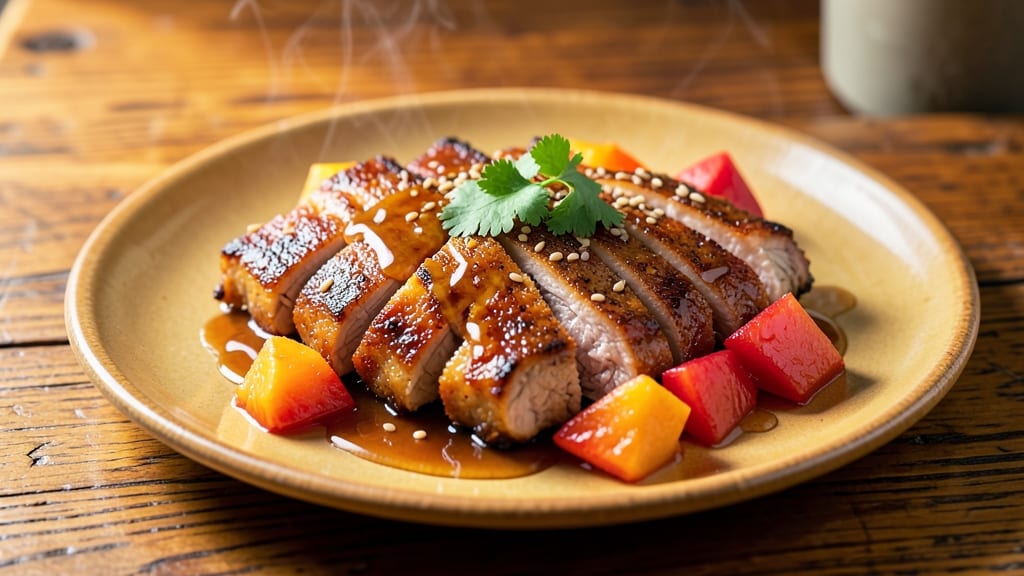
This sweet and sour pork recipe with pineapple juice delivers the perfect balance of crispy bites and tangy glaze—just like your favorite takeout, but better.
The secret lies in achieving that golden, shatteringly crisp pork while maintaining a sauce that's both sweet and bright, with pineapple juice adding a tropical twist.
I developed this recipe after years of testing, and it never fails to impress, whether you're feeding a crowd or treating yourself to a weeknight favorite.
The process is straightforward but delivers restaurant-quality results: tender pork cutlets are pan-fried to perfection, then tossed in a sauce that's equal parts sweet, sour, and aromatic. The pineapple juice cuts through the richness while adding a subtle sweetness that complements the tangy vinegar and bold spices.
What you'll end up with is a dish that's vibrant, flavorful, and impossible to resist—each bite offers a satisfying contrast of textures and flavors.
What makes this recipe stand out is the crispy exterior of the pork, achieved through a simple but effective technique that ensures every piece stays tender inside. The sauce, simmered until thick and glossy, coats the pork beautifully, creating a dish that's as visually appealing as it is delicious.
Serve it over steamed rice or with a side of steamed vegetables for a complete meal that's sure to become a staple in your rotation.
This recipe is designed to be foolproof, with clear steps that even beginners can follow.
The key to success lies in the preparation of the pork and the balance of flavors in the sauce, but don't worry—once you've got the hang of it, you'll be able to recreate this dish with ease.
Let's get started on making this sweet and sour pork that's crispy, tangy, and absolutely worth every bite.
Ingredients for sweet and sour pork recipe with pineapple juice
Crispy pork cutlets meet tangy pineapple glaze—just 15 ingredients for takeout-worthy flavor.
| Ingredient | Amount | Notes |
|---|---|---|
| Pork Shoulder Cutlets 🥓 | 1 ½ lb | Thinly sliced, 1/4-inch thick |
| All-Purpose Flour 🌾 | ½ cup | For dredging pork cutlets |
| Cornstarch 🌾 | ¼ cup | For extra crispiness |
| Large Eggs 🥚 | 2 whole | Beaten for egg wash |
| Vegetable Oil 🫒 | 2 cups | For frying pork |
| Pineapple Juice 🍍 | 1 cup | Freshly squeezed preferred |
| Rice Vinegar 🍶 | ½ cup | White or seasoned |
| Brown Sugar 🍚 | ½ cup | Light or dark |
| Soy Sauce 🍶 | ½ cup | Light or regular |
| Garlic Cloves 🧄 | 4 cloves | Minced for sauce |
| Fresh Ginger 🌿 | 1 tbsp | Grated, fresh preferred |
| Red Bell Pepper 🌶️ | 1 whole | Sliced into strips |
| Green Onion 🧅 | 3 whole | Sliced for garnish |
| Salt 🧂 | 1 tsp | Kosher or sea salt |
| Black Pepper 🌶️ | ½ tsp | Freshly ground |
The pork cutlets are the star, so look for well-marbled pork shoulder at your butcher or grocery store's meat counter. Thinly slicing them yourself ensures even cooking, but pre-cut packages work in a pinch. Costco or Trader Joe's often have great deals on pork shoulder—buy extra and freeze half for another meal. For the sauce, fresh pineapple juice gives the best flavor, but canned works too (just pick one without added sugar). The brown sugar is key—it caramelizes beautifully when simmered, adding depth to the sauce.
No cornstarch? Extra flour in the dredge helps with crispiness, though it won't be quite as golden. Substitute rice vinegar with apple cider vinegar if needed, but the flavor will be slightly milder. For a quicker prep, use pre-minced garlic and ginger from a jar—just make sure it's labeled fresh. The red bell pepper adds a nice crunch, but you can swap it for green bell pepper or snap peas if you prefer. Want more heat? Add a dash of sriracha or chili flakes to the sauce at the end. The green onions are just for garnish, so feel free to skip if you're short on time.
Pork cutlets stay crispy for about 20 minutes after frying, so keep them warm in a 200°F oven while you make the sauce. The sauce itself reheats beautifully—just add a splash of water or pineapple juice if it thickens too much. Store leftovers in the fridge for 3-4 days or freeze for up to 3 months. I like to reheat portions in a skillet with a splash of water to keep everything crispy. Serve over steamed rice to soak up all that delicious sauce!
Why You'll Love This Recipe
- Pantry-Friendly Crisp: The flour-cornstarch combo gives you that perfect crunch without fancy ingredients—just toss the cutlets in a bowl, dip, and fry. Honestly, I keep a bag of each in my cupboard just for this.
- Pineapple Magic: That tangy-sweet sauce? The pineapple juice cuts through the richness while keeping it bright—no heavy syrup needed. My kids fight over the last bite, and I’ve never heard them complain about dessert after.
- Leftovers Reinvented: Stale pork? Toss it in a stir-fry or over rice the next day—it’s just as good, if not better. I’ll be real: I’ve reheated this three times, and it’s still my go-to for lazy lunches.
- Budget Win: Pork shoulder is cheaper than tenderloin, and you’re using every bit—no waste. Plus, the sauce costs pennies to make, and you’ll want to double it anyway. My wallet and my taste buds thank me.
Step-by-step instructions for sweet and sour pork
Here's how to get that perfect balance of crispy pork and tangy-sweet sauce every time.
Prepare the Pork for Maximum Crispiness
Start by slicing the 1.5 lb pork shoulder cutlets into ¼-inch thick pieces. I like to cut them against the grain for maximum tenderness. Place the sliced pork in a shallow dish and season both sides generously with 1 teaspoon salt and ½ teaspoon black pepper. Let them sit for 10 minutes at room temperature—this helps them cook more evenly.
Next, create your dredging station. In one bowl, whisk together the ½ cup all-purpose flour and ¼ cup cornstarch. This combination gives you that signature crispy texture. In another bowl, beat the 2 whole large eggs until just combined. The eggs will help create a golden-brown crust on your pork.
Double-Fry for Extra Crispy Bites
Heat 1 cup vegetable oil in a large skillet over medium-high heat until it reaches 350°F—you'll see small bubbles forming around the edges. Working in batches (don't overcrowd the pan), dredge each pork piece in the flour mixture, shaking off any excess, then dip it into the beaten eggs, letting any excess egg drip off. Carefully slide the coated pork into the hot oil.
Fry for 2-3 minutes per side until the pork is golden brown and cooked through. The oil should be hot enough to keep the pork sizzling steadily. Transfer the fried pork to a paper towel-lined plate to drain. Here's the secret: increase the heat to 375°F and fry the pork again for 1-2 minutes per side to get that extra-crispy texture we're after.
Build the Tangy-Sweet Sauce
In the same skillet (no need to clean it—the browned bits add flavor), reduce the heat to medium. Add the 4 minced garlic cloves and 1 tablespoon grated fresh ginger, cooking for 30 seconds until fragrant. Pour in the 1 cup pineapple juice, ½ cup rice vinegar, ½ cup soy sauce, and ½ cup brown sugar, stirring to combine. Let the mixture simmer for 5-7 minutes until it thickens slightly and coats the back of a spoon.
Slice the 1 whole red bell pepper into strips and add it to the sauce along with the fried pork. Simmer for another 3-4 minutes, allowing the flavors to meld together. The sauce should be glossy and just thick enough to coat the pork. If it's too thin, let it reduce a bit longer—you want that perfect balance of sweet and tangy.
Finish and Serve with Fresh Garnish
Transfer the sweet and sour pork to a serving dish. Slice the 3 whole green onions and sprinkle them evenly over the top for a fresh finish. The green onions add a bright contrast to the rich, tangy sauce. Serve immediately while the pork is still crispy and the sauce is hot.
Each bite should deliver that perfect combination of crispy, juicy pork with a glossy, tangy-sweet glaze. The pineapple juice keeps the sauce bright and fresh, while the double-frying ensures that satisfying crunch. Enjoy with steamed rice to soak up all that delicious sauce!
Pro Tips For Making Sweet And Sour Pork Recipe With Pineapple Juice
- VELVEET THE PORK: Pound the pork cutlets to a scant ¼-inch thickness—thinner than you think. I learned this the hard way: thicker pieces stay chewy even after frying, and no one wants rubbery sweet-and-sour pork. Use a rolling pin or heavy pan, but don’t crush the meat; just flatten it evenly.
- DON’T SKIP THE DOUBLE-DREDGE: Toss the pork in flour first, then dip in beaten egg, then back in flour mixed with 1 tablespoon cornstarch. The extra starch in the second flouring creates a crispier crust that holds up to the tangy sauce. (Yes, it’s messy, but trust me—it’s worth the cleanup.)
- FRY IN BATCHES: Crowding the pan drops the temperature and turns your pork into greasy, soggy cutlets. Fry in two batches max, and keep the oil at a steady 350°F—use a thermometer, not guesswork. Undercooked? More time in the pan. Overcooked? You’ve already lost.
- SAVE THE FRYING OIL: After cooking the pork, strain the oil through a fine-mesh sieve into a clean pot. Use it to sauté your onions and garlic for the sauce—it’s already infused with pork flavor. Just don’t reuse it for anything else; this sauce deserves its own oil.
Perfect pairings for this recipe
Rice Pairings
Steamed jasmine rice is my go-to base for this dish—its delicate floral notes complement the tangy-sweet sauce beautifully. I like to cook 1 cup uncooked jasmine rice with 1.25 cups water for perfectly fluffy grains that soak up every last drop of that glossy glaze.
For extra flair, try black rice (also called forbidden rice) for a striking visual contrast that pairs wonderfully with the vibrant red bell peppers in the dish. 🍚
Vegetable Sides
Steamed bok choy or broccoli adds a fresh, slightly bitter element that balances the richness of the pork. I recommend blanching 1 bunch bok choy in boiling water for 1 minute, then shocking in ice water to keep it crisp.
For a heartier option, roast 1 lb baby potatoes at 400°F for 30 minutes until golden and tender. The earthy flavors ground the dish while keeping it light.
Crunchy Garnishes
Toasted cashews or peanuts add a satisfying crunch that contrasts perfectly with the tender pork. I toast ½ cup raw cashews in a dry skillet over medium heat for 3-4 minutes until golden, then sprinkle them over the dish just before serving.
For a Pacific Northwest twist, try toasted pumpkin seeds—they add a nutty depth that pairs beautifully with the pineapple's tropical brightness.
Dipping Sauces
A small bowl of hoisin sauce or sriracha mayo on the side lets everyone customize their experience. I mix 2 tbsp hoisin with 1 tbsp mayo and a pinch of red pepper flakes for a sweet-spicy contrast.
For a lighter option, serve with a lime wedge so guests can squeeze fresh juice over their portions—it brightens the flavors instantly. 🍋
Drink Pairings
A crisp green tea like jasmine or sencha cuts through the richness of the dish while complementing the pineapple's tropical notes. For something bubbly, try a sparkling lychee lemonade—the effervescence cleanses your palate between bites.
If you prefer beer, a light lager like Asahi or Peroni works perfectly, while a dry Riesling offers elegant acidity for wine lovers.
Make-Ahead Tips
Prep the sauce components ahead of time—mix the pineapple juice, vinegar, soy sauce, and sugar in a jar and refrigerate for up to 3 days. For the pork, fry it fresh but keep it warm in a 200°F oven while you reheat the sauce.
If making rice in advance, store it separately and reheat with a splash of water to keep it moist. The flavors actually deepen overnight, making this dish even more delicious the next day! ⏰
Nutrition facts
Frequently asked questions
Can I substitute chicken or shrimp for the pork?
This recipe works beautifully with chicken thighs or shrimp—just adjust the cooking time. For chicken, fry for 4-5 minutes per side until golden and cooked through (165°F internal temp). Shrimp cooks in 1-2 minutes per side and stays tender. The sauce ratio remains the same, but shrimp pairs especially well with the tropical pineapple notes.
How do I prevent the pork from getting soggy?
The double-fry method is key to keeping it crispy! After the first fry, transfer pork to a 200°F oven while making the sauce to maintain heat. Also, avoid overcrowding the pan during frying—this drops oil temp and creates steam. For extra insurance, toss the cooked pork in 1 teaspoon cornstarch before adding to the sauce. This creates a protective barrier.
What's the best way to thicken the sauce if it's too runny?
Simmer the sauce uncovered for 3-5 extra minutes to evaporate excess liquid. For faster results, mix 1 teaspoon cornstarch with 1 tablespoon cold water, stir into the sauce, and cook for 1 minute until thickened. Never add flour directly—it can make the sauce cloudy. If using pineapple juice concentrate, reduce it slightly before adding to prevent thinness.
Can I make this recipe in an air fryer?
Yes, but with adjustments! Coat the pork as directed, then air fry at 375°F for 8-10 minutes, flipping halfway. The sauce requires stovetop simmering—air fryers can't handle liquids. For extra crispiness, spray the pork with oil before the second air fry cycle. The texture will be slightly different but still delicious.
Why does my sauce taste too sweet?
Balance it by adding 1 extra tablespoon of rice vinegar and simmering for 1 minute to let flavors meld. The pineapple juice already contains natural sweetness, so reduce the brown sugar to ¼ cup next time. For a tangier profile, add ½ teaspoon of fish sauce (common in Asian cooking) or a pinch of MSG to deepen umami. Taste as you go!