
Sauces & Condiments
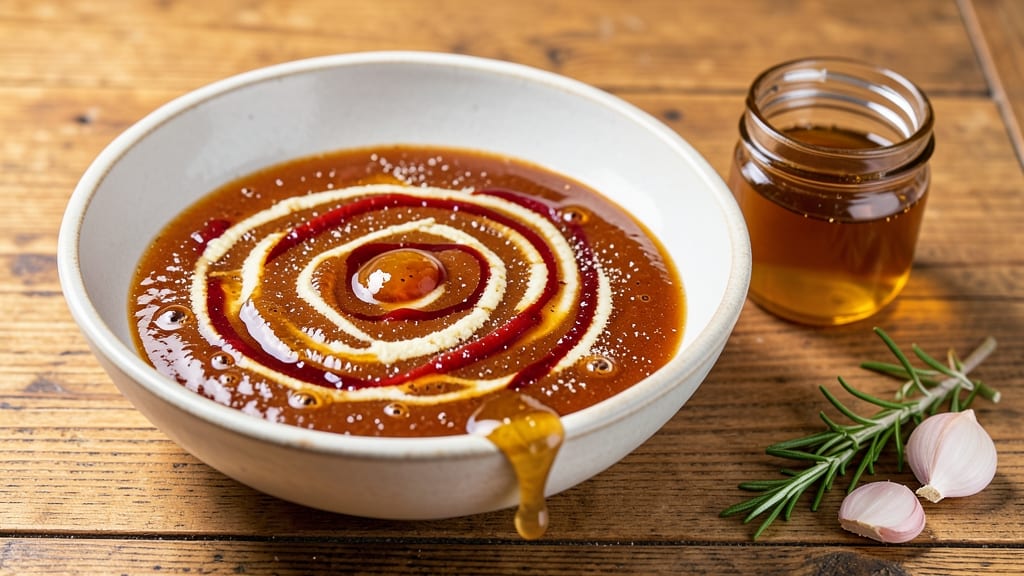
This sweet and sour sauce recipe with apple cider vinegar transforms ordinary meals into vibrant, restaurant-quality dishes in just 10 minutes. The secret lies in balancing apple cider vinegar’s bright tang with honey’s golden sweetness, creating a sauce that’s both bold and versatile.
I developed this after years of testing—it’s the one sauce that always delivers, whether drizzled over crispy fried chicken or tossed with stir-fried vegetables.
The foundation starts with a simple combination of apple cider vinegar, honey, and ketchup, but it’s the brown sugar that deepens the flavor while keeping it from tasting overly sweet.
A pinch of garlic powder and a splash of soy sauce add layers of umami that elevate the sauce beyond basic sweet-and-sour territory. What makes this recipe stand out is its adaptability—it works as a dipping sauce, marinade, or glaze, and the flavors only improve as it sits.
By the time you’re done, you’ll have a glossy, aromatic sauce that’s bright, tangy, and just sweet enough to complement rich proteins or crisp vegetables. The apple cider vinegar brings a subtle depth that store-bought versions miss, while the honey ensures it’s never cloying.
This isn’t just another sweet-and-sour sauce—it’s a game-changer for weeknight dinners and special occasions alike.
Store it in the fridge for up to 2 weeks, or freeze for longer shelf life. The sauce thickens slightly as it cools, making it perfect for drizzling or tossing.
Pair it with fried chicken, pork chops, or even grilled shrimp for a dish that feels restaurant-quality without the fuss. Ready to make it?
Ingredients for sweet and sour sauce recipe with apple cider vinegar
Nine ingredients, ten minutes—this sauce turns simple meals into restaurant-worthy dishes.
| Ingredient | Amount | Notes |
|---|---|---|
| Apple Cider Vinegar 🍏 | ½ cup | Raw, unfiltered preferred |
| Honey 🍯 | ½ cup | Wildflower or clover variety |
| Brown Sugar 🍚 | ¼ cup | Light or dark works |
| Ketchup 🍅 | ¼ cup | Heinz preferred for consistency |
| Garlic Powder 🧄 | 1 tsp | Freshly ground preferred |
| Soy Sauce 🍜 | 2 tbsp | Japanese-style preferred |
| Extra-Virgin Olive Oil 🫒 | 1 tbsp | For glossy finish |
| Water 💧 | ¼ cup | Adjust for desired thickness |
| Salt 🧂 | ½ tsp | Diamond Crystal preferred |
| Black Pepper 🌶️ | ¼ tsp | Freshly cracked |
The apple cider vinegar is non-negotiable here—raw, unfiltered has that subtle depth that store-bought versions miss. Trader Joe's or Whole Foods carry the best quality, but any raw vinegar works. Honey should be wildflower or clover—Manuka honey adds an extra layer if you're feeling fancy. The brown sugar is where the magic happens; it caramelizes slightly during cooking, giving that rich, molasses-like note without overpowering. For the ketchup, Heinz is your best bet—it's consistent and won't add weird flavors. If you're using a different brand, taste it first to make sure it doesn't have added vinegar or spices.
No apple cider vinegar? White vinegar or rice vinegar work in a pinch, but you'll lose that apple depth. Honey too expensive? Maple syrup or agave nectar are solid swaps, though maple will add a deeper caramel note. Short on brown sugar? White sugar plus a pinch of molasses mimics it pretty well. The garlic powder is non-negotiable for that umami kick—Penzeys or bulk bins are your friends here. Soy sauce can be tamari for gluten-free, but Japanese-style has the right balance of salt and funk. If your sauce ends up too thick, add a splash of water or a little more apple cider vinegar. Too thin? Simmer it longer or add a teaspoon of cornstarch mixed with water.
This sauce keeps like a dream. Store it in a sealed jar in the fridge for up to 2 weeks, and it actually tastes better after a day or two as the flavors meld. For longer storage, freeze it in ice cube trays—perfect for single-use portions. The sauce thickens as it cools, so if you want it pourable right away, reheat it gently. I always make a double batch—one for immediate use and one to freeze. It’s the secret to my weeknight fried chicken game. Trust me, you’ll reach for this over store-bought every time.
Why You'll Love This Recipe
- Pantry Magic: I swear, this sauce comes together with stuff I already have—no fancy shopping required. The apple cider vinegar cuts through the sweetness like a breath of fresh air, while the brown sugar and honey give it that sticky, golden depth you crave.
- Tangy-Sweet Balance: Honestly, the garlic powder isn’t just for flavor—it’s the secret. It rounds out the sharpness of the vinegar and makes the sauce taste alive, not just sweet. That ketchup base? It’s the unsung hero, giving it that familiar, comforting tang without overpowering.
- Weeknight Hero: Between us, this is my go-to for last-minute stir-fries, grilled chicken, or even drizzled over roasted veggies. It’s the kind of sauce that turns a simple meal into something special—no stress, no fuss, just done.
- Leftovers That Shine: I make a double batch every time because it keeps for weeks in the fridge. The flavors actually get better as it sits, and I’ve used it to glaze pork chops, toss with noodles, or even mix into a quick BBQ sauce—zero waste, all flavor.
Step-by-step instructions for sweet and sour sauce with apple cider vinegar
This sauce comes together faster than you can say "tangy perfection"—just combine, simmer, and taste.
Whisk Together the Wet Ingredients
In a medium saucepan, combine the 0.5 cup apple cider vinegar, 0.5 cup honey, 0.25 cup brown sugar, and 0.25 cup ketchup. Stir until the brown sugar dissolves completely—you should hear a gentle bubbling as the sugar integrates. Here's the thing: don't rush this step. The sugar needs a few seconds to fully incorporate, or you'll end up with grainy bits in your sauce.
I like to use a wooden spoon for this part because it helps me feel the texture of the mixture. You're aiming for a smooth, syrupy consistency at this stage. If you notice any undissolved sugar, just give it another 10 seconds of gentle stirring over low heat. The goal is a glossy, unified base before we add anything else.
Add Aromatics and Seasonings
With the saucepan still over low heat, sprinkle in the 1 teaspoon garlic powder, 2 tablespoons soy sauce, 0.5 teaspoon salt, and 0.25 teaspoon black pepper. Stir constantly for 1-2 minutes until everything is fully incorporated and the mixture smells deeply aromatic. The garlic powder will dissolve quickly, but the soy sauce adds that umami depth that makes this sauce truly special.
This is where the magic starts to happen. You should notice the sauce beginning to thicken slightly as the heat activates the flavors. If it looks too thick at this point, don't worry—we'll adjust it in the next step. The key is to keep stirring so nothing burns at the bottom of the pan. Real talk: if you walk away for even 30 seconds, you might come back to burnt sugar. Stay with it.
Simmer Until Thickened
Pour in the 0.25 cup water and the 1 tablespoon extra-virgin olive oil, then increase the heat to medium. Bring the mixture to a gentle boil, then immediately reduce the heat to low and let it simmer for 8-10 minutes. You're looking for the sauce to reduce by about one-third, until it coats the back of a spoon with a glossy sheen. This simmering step is what develops that perfect balance between sweet and tangy.
The olive oil here isn't just for flavor—it adds a silky texture that makes the sauce cling beautifully to whatever you're serving it with. Stir occasionally to prevent sticking, but don't over-stir. You want to let those flavors meld naturally. When you taste it at this stage, it should be pleasantly sweet with a bright vinegar tang cutting through—like biting into a perfectly ripe apple.
Adjust and Finish
After simmering, taste the sauce and adjust the seasoning if needed. If it's too sweet, add a splash more apple cider vinegar (about 1 teaspoon at a time). If it needs more depth, stir in another ½ teaspoon soy sauce. The sauce should be vibrant, glossy, and perfectly balanced—neither cloyingly sweet nor overly sour. Here's the moment that matters: this is when you decide whether your sauce is restaurant-quality or still needs a little more love.
Once you're satisfied with the flavor, let the sauce cool slightly before serving. The texture will thicken further as it cools, which is perfect for drizzling over grilled meats, roasted vegetables, or even as a dipping sauce for spring rolls. For extra shine, you can pass it through a fine-mesh sieve if you prefer a completely smooth texture, though I find the slight texture from the brown sugar adds nice contrast.
Pro Tips For Making Sweet And Sour Sauce Recipe With Apple Cider Vinegar
- Simmer Low and Slow: After burning the first batch, I learned to keep the heat at a gentle simmer—not a rolling boil—once all ingredients are combined. Apple cider vinegar is volatile; too much heat turns it sharp and bitter, and you lose the depth of the brown sugar’s caramel notes.
- Whisk the Honey First: Mix the honey into the warm vinegar before adding the ketchup or sugar. Cold honey clumps like glue, and you’ll end up with grainy sauce. Stir it in until it’s fully dissolved—this makes the whole process smoother.
- Skip the Garlic Powder Until Last: Add the garlic powder after the sauce has thickened, not at the start. Cooking it too early burns it, leaving a bitter, ashy taste. Sprinkle it in at the end and stir—it’ll bloom instantly without overpowering.
- Balance the Vinegar: Start with 2 tablespoons of apple cider vinegar, then taste as you go. If the sauce tastes too tangy, add a splash more honey or sugar. If it’s too sweet, a pinch of salt or a dash of vinegar fixes it—no guesswork.
Flavor customization for these flavors
Sweet Heat Twist
For a spicy kick, stir in 1 teaspoon of sriracha or ½ teaspoon cayenne pepper during the simmering step. This adds a slow-building heat that pairs beautifully with fried chicken or pork. I like to balance it with an extra ½ teaspoon honey to keep the sweetness in check. 🌶️
Citrus Zing
Brighten the sauce with 2 tablespoons of fresh lemon juice or orange juice after simmering. This adds a refreshing citrus note that cuts through the richness, especially when paired with seafood or grilled vegetables. For extra flair, add 1 teaspoon of grated lemon zest or orange zest.
Umami Boost
Deepening the umami profile is easy with 1 teaspoon of fish sauce or ½ teaspoon of miso paste. These additions work surprisingly well and give the sauce a savory depth that complements Asian-inspired dishes.
I recommend adding them in the final 2 minutes of simmering to preserve their delicate flavors.
Herbaceous Freshness
Finish the sauce with 1 tablespoon of chopped fresh herbs like cilantro, basil, or Thai basil. These add a bright, aromatic freshness that balances the sweet and tangy flavors.
For a more complex profile, try ½ teaspoon of finely chopped mint or parsley. Stir them in just before serving to keep their flavors vibrant.
Smoky Depth
Add a smoky dimension with ½ teaspoon of smoked paprika or 1 teaspoon of liquid smoke during the simmering step. This works especially well with grilled meats or barbecued dishes.
For a bolder flavor, use ½ teaspoon of chipotle powder instead. The smokiness pairs beautifully with the apple cider vinegar’s tang.
Rich Caramel Notes
For a deeper caramelized flavor, replace the 0.25 cup brown sugar with 0.25 cup caramelized onions or 2 tablespoons of caramel sauce. This adds a rich, molasses-like sweetness that enhances the sauce’s complexity. Simmer the onions separately until deeply browned before incorporating them into the sauce.
Nutrition facts
Frequently asked questions
Can I substitute apple cider vinegar with white vinegar?
You can use white vinegar in a pinch, but you'll lose the subtle apple depth that makes this sauce special. For a similar tang, try rice vinegar—it has a milder flavor that won't overpower the sweetness. If you're using white vinegar, add an extra ½ teaspoon of apple cider vinegar to maintain that signature flavor.
How do I adjust the sweetness or tanginess?
If your sauce tastes too sweet, add 1 teaspoon apple cider vinegar at a time until balanced. For extra tang, use ½ teaspoon more vinegar or a splash of lemon juice. If it's too tangy, stir in ½ teaspoon honey or brown sugar to mellow the acidity. Taste as you go—this sauce is all about balance!
Can I make this sauce without ketchup?
Replace the ketchup with 2 tablespoons tomato paste or ¼ cup crushed tomatoes for a deeper, fresher flavor. For a fruitier twist, try ¼ cup pineapple juice or 2 tablespoons apricot jam—both add natural sweetness and complexity. Just simmer slightly longer to thicken if using juices.
Why did my sauce turn out too thick?
This usually happens if you simmered too long or didn't add enough water. Thin it out with 1 tablespoon water or apple cider vinegar at a time while reheating. For a quicker fix, stir in ½ teaspoon cornstarch mixed with 1 teaspoon water and simmer for 1-2 minutes until smooth. Pro tip: Always taste as you go to avoid over-reducing!
What are the best dishes to pair with this sauce?
This versatile sauce shines with fried chicken, pork chops, or grilled shrimp. It also works as a dipping sauce for spring rolls, dumplings, or fries. For vegetables, toss it with roasted Brussels sprouts, broccoli, or green beans. The apple cider vinegar's tang cuts through rich proteins beautifully, while the sweetness balances crispy textures.