
Salads
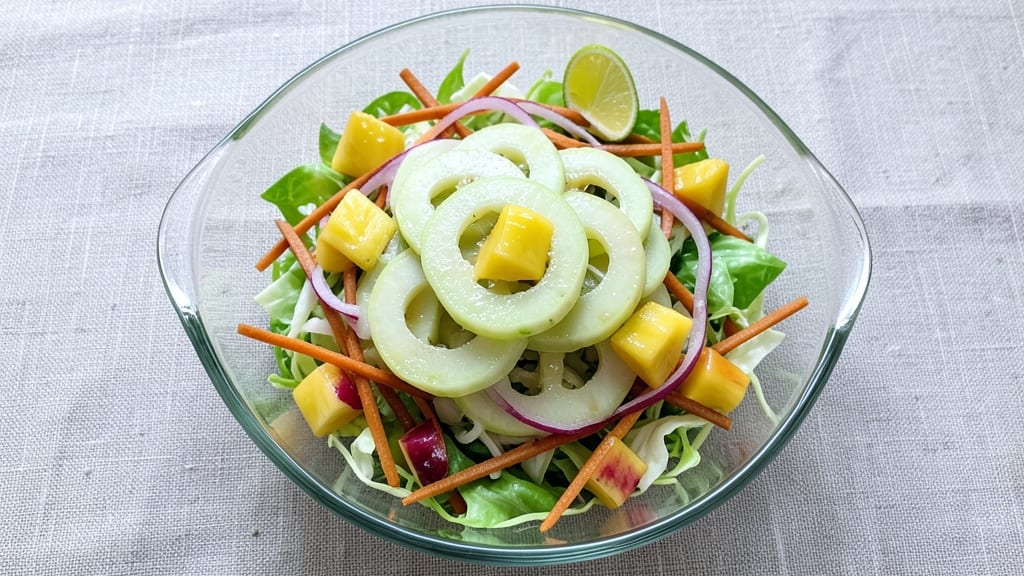
This ampalaya salad with pineapple brings the vibrant flavors of Filipino cuisine to your table with a perfect balance of tropical sweetness and tangy crunch.
The key lies in tenderizing the ampalaya (bitter melon) just enough to soften its texture while preserving that satisfying bite, then pairing it with juicy pineapple chunks and a zesty dressing that brightens every ingredient.
I developed this recipe after years of perfecting the art of balancing sweet, sour, and umami—now you can recreate that restaurant-quality harmony at home.
The magic happens in the preparation: thinly slicing the ampalaya, blanching it briefly to remove bitterness, and tossing it with crisp vegetables like carrots and cabbage for texture contrast.
Fresh pineapple adds natural sweetness that cuts through the salad's earthy notes, while a simple vinegar-calamansi dressing ties everything together with a tangy kick. This isn't just a salad—it's a celebration of Filipino flavors that's light enough for lunch but hearty enough to stand as a main dish.
What makes this recipe special is its versatility. Serve it chilled as a refreshing side or pile it high for a vegetarian main course, especially when paired with grilled proteins like chicken or shrimp.
The dressing can be adjusted to your taste—more vinegar for extra tang, a touch of chili for heat, or a sprinkle of crushed peanuts for added crunch. Every bite delivers that perfect marriage of tropical sweetness and spiced bite that makes this salad unforgettable.
Ready in just 30 minutes, this salad requires minimal effort but delivers maximum flavor. The prep work is straightforward, and the ingredients are easy to find at most grocery stores.
Whether you're hosting a gathering or simply craving a taste of the Philippines, this recipe delivers restaurant-quality results with a fraction of the fuss. Let's get started!
Ingredients for ampalaya salad with pineapple
Fresh tropical flavors meet Filipino tradition in this vibrant salad with just 13 ingredients.
| Ingredient | Amount | Notes |
|---|---|---|
| Ampalaya (Bitter Melon) 🥒 | 1 lb | Thinly sliced, blanched |
| Fresh Pineapple 🍍 | 2 cups | Diced, fresh or canned |
| Green Cabbage 🥬 | 3 cups | Shredded, medium size |
| Carrots 🥕 | 2 medium | Julienned or thinly sliced |
| Red Onion 🧅 | 1 medium | Thinly sliced |
| Calamansi Juice 🍋 | ½ cup | Or substitute lime juice |
| White Vinegar 💧 | ¼ cup | Distilled preferred |
| Cane Sugar 🍯 | 2 tbsp | Or brown sugar |
| Salt 🧂 | 1 tsp | Fine sea salt |
| Black Pepper 🌶️ | ½ tsp | Freshly ground |
| Crushed Peanuts 🥜 | ¼ cup | Optional for crunch |
| Chili Flakes 🔥 | ½ tsp | Optional for heat |
| Olive Oil 🫒 | 2 tbsp | For tossing |
Ampalaya is the star—look for firm, dark green melons at Asian markets or well-stocked grocery stores. Filipino or Thai markets usually carry it fresh, but if unavailable, substitute with zucchini (though texture differs). The pineapple should be ripe but firm—yellow with no brown—and the cabbage should be crisp. For the dressing, calamansi is ideal but lime or lemon juice works in a pinch. If you can't find calamansi, mix equal parts lime and orange juice for a similar tang.
No calamansi? Lime juice plus a pinch of salt mimics the bright acidity. The carrots can be baby carrots if that's what you've got—just slice them thinly. For extra umami, add a tablespoon of soy sauce to the dressing. The crushed peanuts are optional but add that perfect crunch—store-bought or homemade both work. If you want more heat, swap the chili flakes for diced fresh chili. The dressing can be made ahead and stored for 3 days in the fridge, but toss the salad just before serving to keep everything crisp.
This salad keeps well for 2 days in the fridge, though the ampalaya softens over time. For best texture, assemble right before serving. The dressing separates slightly when refrigerated—just stir before using. If making ahead, store the salad and dressing separately. The peanuts and chili flakes can be added fresh when ready to serve. For a restaurant-style presentation, arrange the salad in concentric circles with the pineapple in the center, drizzling extra dressing on top.
Why You'll Love This Recipe
- Here’s what sold me: the pineapple’s tang cuts through the bitter ampalaya like a dream, while the crunch of raw cabbage and onion keeps it from feeling heavy. Honestly, the first time I tasted it, I thought, "Why haven’t I done this sooner?"—especially when the dressing ties everything together in one clean, bright bite.
- I’ll be real: ampalaya’s cheap, pineapple’s on sale year-round, and cabbage lasts forever. This salad costs me half what a pre-made one would, and I can stretch it into three meals—lunch, dinner, and a side for leftovers. Plus, if I forget to eat it all, it reheats like a champ (just a quick microwave zap).
Step-by-step instructions for ampalaya salad with pineapple
Here's how to balance bitter melon's unique flavor with sweet pineapple and a tangy dressing.
Blanch and Prepare the Ampalaya
Fill a large pot with enough water to submerge the 1 lb ampalaya (bitter melon) and bring to a rolling boil. Add 1 tbsp salt to the water. Once boiling, add the ampalaya and cook for exactly 3-4 minutes—this removes bitterness without overcooking. You'll know it's ready when the edges just begin to soften and the water takes on a faint green tint.
Drain immediately and transfer to an ice bath to stop cooking. While still cold, slice the ampalaya into ¼-inch thick pieces. Set aside—it should be tender but still hold its shape. The blanching step is crucial; skipping it leaves the salad unpleasantly bitter. If you're short on time, you can skip blanching but expect a more pronounced bitter flavor that needs extra sweetness to balance.
Prep and Toss the Vegetables
In a very large mixing bowl, combine the 3 cups green cabbage (shredded), 2 medium carrots (julienned), 1 medium red onion (thinly sliced), and 2 cups fresh pineapple (diced). Use your hands to gently massage the cabbage until it softens slightly—this helps distribute the dressing evenly later. The cabbage should look wilted but still vibrant.
Add the blanched ampalaya pieces and toss everything together. This is where the flavors start to marry—the sweetness of the pineapple begins to mellow the cabbage's sharpness while the carrots add subtle earthiness. Don't over-toss yet; we'll add the dressing next. The vegetables should be evenly distributed but still maintain their distinct textures for the best bite.
Make the Dressing and Combine
In a small bowl, whisk together the 0.5 cup calamansi juice, 0.25 cup white vinegar, 2 tbsp cane sugar, 1 tsp salt, 0.5 tsp black pepper, 0.5 tsp chili flakes, and 2 tbsp olive oil. The sugar should dissolve completely, creating a smooth, slightly syrupy dressing. Taste and adjust seasoning—you might want to add a touch more sugar or vinegar depending on your pineapple's sweetness.
Pour the dressing over the vegetable mixture and toss gently but thoroughly. The dressing should coat everything evenly, with just enough liquid to glisten but not soak the ingredients. Let the salad sit for 10 minutes at room temperature—this allows the flavors to meld. The pineapple's natural enzymes will also begin breaking down the cabbage fibers slightly, making each bite more tender.
Add Peanuts and Rest Before Serving
Sprinkle the 0.25 cup crushed peanuts over the salad and toss one final time. The peanuts should be evenly distributed throughout—you want a few pieces in every bite for that satisfying crunch. If you prefer extra heat, this is when to add additional chili flakes, but the original amount provides just a subtle kick.
Cover the bowl and let the salad rest for another 10-15 minutes before serving. This resting period allows all the flavors to fully integrate. The cabbage will be perfectly wilted, the pineapple's juices will have softened the ampalaya slightly, and the dressing will have absorbed into the vegetables without making them soggy. Serve chilled or at room temperature—either way, the contrast of textures and temperatures makes this salad truly special.
Pro Tips For Making Ampalaya Salad With Pineapple
- Peel Ampalaya Right: Scrape the bitter melon’s skin with a spoon first—it’s faster than peeling and removes more of that slimy, seedy pulp. I used to waste time scrubbing; now I just shave off the outer layer and slice. (Yes, even if you’re impatient like me, this cuts prep time by half.)
- Slice Pineapple Thin: Use a sharp knife and cut the pineapple against the grain into ¼-inch slices—thinner than you’d think. Thick slices stay chewy; this way, they soften evenly and soak up dressing better. (Your future self will thank you for not overcooking them.)
- Shock Cabbage First: Plunge shredded cabbage into ice water for 2 minutes before draining. It crisps up instantly and stops wilting when tossed with the dressing. I learned this the hard way—mushy cabbage ruins the texture. (Works for carrots too, if you’re lazy about grating.)
- Dressing Last: Toss the salad with dressing just before serving—ampalaya and pineapple get soggy fast. Mix half the dressing first, then fold in the rest right when plating. (This isn’t the prettiest method, but it’s the tastiest.)
Pro cooking tips for perfect results
Blanching Perfection
The 3-4 minute blanching step is where the magic happens—this removes bitterness while keeping the ampalaya tender. Use a large pot with plenty of water and 1 tbsp salt to create an alkaline environment that neutralizes the bitter compounds.
I like to test doneness by piercing a slice with a fork—it should offer slight resistance but not feel rubbery. If you're short on time, you can skip blanching but add 1 extra tbsp sugar to the dressing to balance the bitterness. 🌡️
Massaging the Cabbage
This isn't just about mixing—gently massaging the cabbage with your hands for 30 seconds softens it without breaking down the fibers completely. The goal is to create tiny tears that help the dressing cling to the leaves.
I find using a wooden spoon first to break up large chunks, then my hands for the final massage, gives the best texture. Avoid overworking it or the salad will turn mushy later. 🥬
Dressing Consistency
The dressing should coat the vegetables like a light glaze—not watery, not syrupy. If it's too thick after whisking, add 1 tsp water at a time until it reaches a pourable but clinging consistency.
I always taste the dressing before tossing—if it needs more brightness, add ½ tsp extra calamansi juice; if it's too sharp, a pinch of sugar balances it. The olive oil helps emulsify everything, preventing separation when tossed. 🍋
Resting for Flavor
Letting the salad rest for 10-15 minutes before serving allows the pineapple's enzymes to soften the cabbage slightly and the ampalaya to absorb the dressing evenly. This is also when the peanuts get properly toasted from the residual heat.
I like to cover the bowl loosely with plastic wrap to keep it fresh while letting moisture escape. The final texture should be crisp with a slight give—not soggy, not dry. ✨
Peanut Placement
For maximum crunch, sprinkle the crushed peanuts in three stages: half before the first rest, half after the final toss, and a final sprinkle right before serving. This ensures every bite has that satisfying contrast.
If you're using store-bought peanuts, toast them lightly in a dry pan for 2 minutes to enhance their flavor—this makes a huge difference in the final dish. 🥜
Temperature Control
Serve this salad chilled for a refreshing bite, but don't be afraid to serve it at room temperature if you're in a warm climate. The pineapple's natural heat helps balance the salad's crispness.
For extra drama, chill the dressing separately and drizzle it over the salad just before serving—this keeps the vegetables from getting soggy while adding a restaurant-worthy presentation. 💡
Nutrition facts
Frequently asked questions
Can I substitute ampalaya with another vegetable?
Yes! If you can't find ampalaya, try zucchini or eggplant for a similar texture. For bitterness, add ½ tsp salt to the blanching water or 1 extra tbsp sugar to the dressing. Avoid overly bitter greens like kale—they'll overpower the pineapple's sweetness.
How do I make this salad spicier?
Boost the heat by adding 1 tsp sriracha or ½ tsp cayenne pepper to the dressing. For a smoky kick, sprinkle ½ tsp smoked paprika over the salad before serving. If you love chili, try diced fresh chili peppers instead of flakes—they add both heat and freshness.
Can I make this salad ahead of time?
Prep all ingredients 1 day ahead, store them separately in the fridge, and assemble just before serving. The dressing keeps for 3 days, while the vegetables stay fresh for 2 days. The ampalaya softens over time, so add it last for the best texture. For extra crunch, toast the peanuts fresh before serving.
What's the best way to serve this salad?
This salad works perfectly as a light main dish for vegetarians or as a refreshing side with grilled proteins like chicken or shrimp. For a restaurant-style presentation, arrange the salad in concentric circles with pineapple in the center. Serve with steamed rice or warm tortillas for a complete meal.
Why does my salad taste too bitter?
Bitter flavor usually comes from under-blanched ampalaya or too little sweetness. Double-check your blanching time (3-4 minutes) and add 1 extra tbsp sugar to the dressing. If the pineapple isn't ripe enough, use ½ cup pineapple juice instead of fresh chunks. The cabbage should be wilted but not mushy—over-massaging can also release bitter compounds.