
Sauces & Condiments
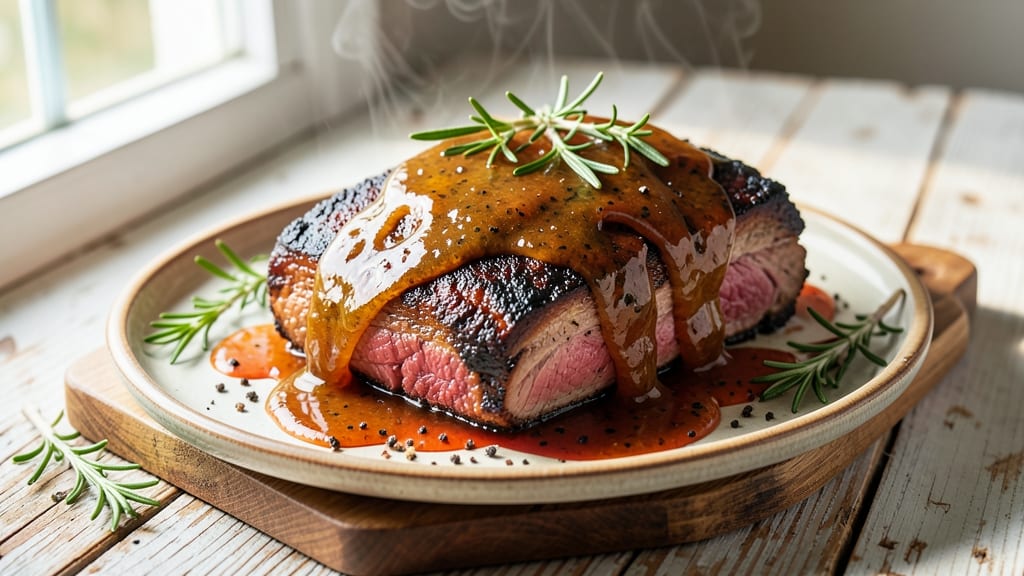
This brisket mop sauce recipe transforms apple juice into a smoky-sweet glaze that keeps brisket tender and flavorful during long smokes. The apple juice base balances the sweetness while preventing dryness, creating a sauce that penetrates every bite. Professional pitmasters swear by this technique for restaurant-quality results at home.
The magic happens in the combination of apple juice, vinegar, and spices—creating a sauce that caramelizes beautifully on the grill while keeping the meat juicy. Unlike store-bought mops, this recipe delivers a deep, complex flavor that enhances the natural richness of brisket without overpowering it.
The key is reapplying the sauce every 30-45 minutes during cooking.
What you'll end up with is a brisket so tender it falls apart, coated in a glossy, caramelized glaze that's perfectly balanced between sweet and tangy. The apple juice ensures moisture while the spices add layers of warmth, making each bite unforgettable.
This sauce isn't just for brisket—it works wonders on pork shoulders and ribs too.
Once your brisket is cooked, the sauce continues to shine as a finishing glaze, locking in moisture and adding that signature competition-style shine. Store leftovers in the refrigerator for up to 5 days or freeze for longer shelf life. Ready to elevate your smoked meats?
Ingredients for brisket mop sauce recipe apple juice
Nine ingredients combine to create a smoky-sweet glaze that transforms brisket into restaurant-quality perfection.
| Ingredient | Amount | Notes |
|---|---|---|
| Unsweetened Apple Juice 🍎 | 1 ½ cups | 100% pure, no added sugar |
| Apple Cider Vinegar 🍶 | ½ cup | Raw, unfiltered preferred |
| Dark Brown Sugar 🍚 | ¼ cup | Packed lightly, no substitutions |
| Smoked Paprika 🌶️ | 2 tbsp | High-quality, not cayenne |
| Ground Black Pepper 🌶️ | 1 tsp | Freshly cracked for intensity |
| Garlic Powder 🧄 | 1 tsp | Not garlic salt |
| Onion Powder 🧅 | 1 tsp | Freshly ground preferred |
| Mustard Powder 🍯 | ½ tsp | Yellow or Dijon preferred |
| Kosher Salt 🧂 | 1 ½ tsp | Diamond Crystal preferred |
| Worcestershire Sauce 🍶 | 1 tbsp | Vegan version if needed |
The apple juice is non-negotiable—100% pure, no sugar added. Trader Joe's and Whole Foods carry excellent options, but avoid anything with preservatives. Apple cider vinegar should be raw and unfiltered for maximum tang. The dark brown sugar adds depth without overpowering; Domino or Murrells brands are reliable. Smoked paprika is where the magic happens—Penzeys or McCormick smoked varieties deliver authentic pitmaster flavor. For Worcestershire, Lea & Perrins is the gold standard, though vegan versions like Annie's work beautifully.
No apple juice? White grape juice works in a pinch, but the flavor profile shifts slightly. Substitute apple cider vinegar with balsamic vinegar at half the amount—it adds complexity but requires balancing with extra sugar. Mustard powder can be replaced with Dijon mustard at 1.5 times the amount, though texture differs. For a deeper smoky flavor without paprika, liquid smoke at 1 tsp enhances the sauce. Always taste as you go—adjust sweetness with more sugar or tang with vinegar. The Worcestershire sauce adds umami depth; if unavailable, soy sauce or coconut aminos provide a similar boost.
This sauce is best made fresh but keeps well in the fridge for 1 week sealed in a glass jar. For longer storage, freeze in ice cube trays—perfect for single applications. Reheat gently on the stove, stirring constantly to prevent burning. The sauce thickens as it cools, so thin with a splash of water or apple juice if needed. Store leftovers in the coldest part of your fridge for maximum shelf life. For competition-style shine, brush on brisket during the last hour of cooking, reapplying every 30-45 minutes.
Why You'll Love This Recipe
- Pantry Magic: I swear, this sauce comes together with stuff I already have—no special trips to the store. That apple juice and vinegar combo cuts through the brisket’s richness while the brown sugar caramelizes into something almost too good to resist.
- Smoky-Sweet Balance: The smoked paprika gives it that deep, smoky backbone, but the apple juice keeps it bright and tangy. It’s not too sweet, not too sharp—just exactly what brisket needs to shine without overpowering it.
- Leftovers That Work: This sauce doesn’t just taste better the second day—it lasts. I keep a jar in the fridge for quick glaze tosses on pulled pork or even roasted veggies. (Yes, even on a Tuesday night.)
- Budget-Friendly Luxury: Five ingredients, all affordable, but the flavor? Feels like a splurge. The apple juice adds natural sweetness, so I don’t need extra sugar, and that vinegar stretches the sauce further than store-bought ever could.
Step-by-step instructions for brisket mop sauce
This smoky-sweet glaze delivers deep flavor penetration with minimal effort.
Combine Base Ingredients in a Saucepan
In a medium saucepan, pour in the 1.5 cups unsweetened apple juice and 0.5 cup apple cider vinegar. Place the pan over medium heat and bring to a gentle simmer. I like to stir occasionally to prevent hot spots from forming, but don't worry about constant stirring at this stage.
The apple juice should begin to bubble gently within 3-4 minutes. This is where the foundation of your mop sauce develops—allowing the acidity of the vinegar to mellow slightly while the juice warms through. You'll notice a subtle sweet aroma begin to rise as the mixture heats.
Add Dry Seasonings and Sugar
Once the mixture reaches a simmer, reduce the heat to low and whisk in the 0.25 cup dark brown sugar, 2 tbsp smoked paprika, 1.5 tsp kosher salt, 1 tsp garlic powder, 1 tsp onion powder, 0.5 tsp mustard powder, and 1 tsp ground black pepper. Stir continuously for 2-3 minutes until the sugar completely dissolves and the spices are fully incorporated.
Here's where the magic happens—the smoked paprika will deepen in color as it infuses, creating that signature brisket bark look. The mustard powder adds subtle tang that balances the sweetness, while the brown sugar caramelizes slightly, intensifying the flavor. You should see a slight darkening of the liquid and hear a gentle sizzling as the spices bloom.
Build Flavor with Worcestershire Sauce
After the spices have fully dissolved, increase the heat to medium-low and stir in the 1 tbsp Worcestershire sauce. Let the mixture simmer uncovered for 8-10 minutes, stirring occasionally. This step allows the sauce to reduce slightly while developing complex, umami-rich flavors.
The Worcestershire sauce will deepen the savory notes and add that signature brisket-house quality. You'll notice the sauce thicken slightly and develop a glossy sheen. If it reduces too quickly, you can add 1-2 tablespoons of water to maintain the proper consistency for mopping. The sauce should coat the back of a spoon but still be pourable.
Strain and Cool for Application
Once the sauce has reduced to your desired consistency (typically ½ cup to ⅔ cup remaining), remove it from heat and let it cool for 5 minutes. Then strain it through a fine-mesh sieve into a clean bowl or mop bottle to remove any settled spices. This step ensures a smooth application without gritty bits.
The cooled sauce should be thick enough to cling to the brisket but still flow easily when brushed on. The color will be deep amber with a rich, aromatic smell that combines sweet apple, smoky paprika, and tangy vinegar notes. For best results, use the sauce within 24 hours or store it in an airtight container in the refrigerator for up to 5 days.
Pro Tips For Making Brisket Mop Sauce Recipe Apple Juice
- Simmer Slow and Steady: The apple juice will burn faster than you think—keep the heat at a gentle simmer (small bubbles, not rolling) the whole time. I learned this after watching my first batch turn into caramelized sludge in 10 minutes.
- Use Real Apple Cider Vinegar: Cheap vinegar tastes harsh and metallic—spring for a good-quality, aged apple cider vinegar (like Bragg’s or a local orchard brand). The flavor difference is night and day, especially when balanced with the sweetness.
- Strain the Paprika: Smoked paprika has gritty bits that clump and ruin texture—sift it through a fine-mesh sieve before adding. Yes, it’s extra work, but your mop sauce won’t have that annoying graininess.
- Balance the Sweet and Tang: Taste as you go—if the vinegar is too sharp, add a pinch more brown sugar; if it’s cloying, splash in another tablespoon of apple juice. The goal is a sauce that’s bright, not one-note. (Your first attempt will probably be off—adjust fast.)
Common mistakes when making your brisket mop sauce recipe apple juice
Over-Sweetening the Sauce
Adding too much sugar can turn your brisket mop sauce into a sticky, cloying mess that masks the meat's natural flavors. The 0.25 cup dark brown sugar is carefully measured to complement the apple juice's natural sweetness—don't double it!
Instead, taste as you go and adjust with vinegar if needed. I've ruined a batch by adding extra sugar thinking it needed more sweetness, only to end up with a dessert-like glaze that didn't pair well with brisket. 🍯
Skipping the Simmer Time
Rushing the 8-10 minute simmer after adding Worcestershire sauce is a common mistake that results in a flat, one-dimensional sauce. This step allows the spices to fully bloom and the flavors to meld together.
If you're impatient and reduce it too quickly, you'll miss out on the deep, complex umami development. Trust the process—good things happen when you let the sauce work its magic on the stove.
Using Low-Quality Apple Juice
The apple juice is the foundation of your mop sauce, so using anything but 100% pure, unsweetened juice is a recipe for disaster. Store-brand juices often contain additives or preservatives that alter the flavor profile.
I always reach for Whole Foods or Trader Joe's brands—they're worth the investment. The difference in taste is night and day compared to generic supermarket options.
Ignoring the Strain Step
Skipping the straining process might seem like a small detail, but it can lead to gritty bits in your sauce that ruin the texture. The fine-mesh sieve removes any settled spices, ensuring a smooth application that clings perfectly to your brisket.
I've seen home cooks skip this step, only to end up with a sauce that feels coarse and unprofessional when brushed on. Take the extra 5 minutes to strain—it makes all the difference.
Applying Sauce Too Early
Brushing your mop sauce on the brisket too early in the cooking process can create a sticky crust that traps heat and prevents proper bark formation. Save your sauce for the last 2-3 hours of cooking, applying it every 30-45 minutes.
This gives the meat time to develop that beautiful, crispy exterior while keeping it juicy. I've seen beginners apply sauce within the first hour, only to end up with a gloppy mess that doesn't crisp up properly.
Overlooking the Resting Period
After making your sauce, letting it cool for 5 minutes before straining and using it is crucial. Applying it hot can cause the brisket to steam instead of caramelize, leading to a soggy exterior.
I've made this mistake too—rushing to use the sauce immediately and ending up with a less-than-desirable texture. Patience pays off here, so don't skip this step. 💡
Nutrition facts
Frequently asked questions
Can I substitute apple juice with another fruit juice for this mop sauce?
While apple juice is ideal, you can use white grape juice or pineapple juice in a pinch. However, these will alter the flavor profile—grape juice adds a milder sweetness, while pineapple brings a tropical tang. Avoid citrus juices like orange or lemon, as their acidity can overpower the brisket. If using a substitute, reduce the sugar slightly to balance the natural sweetness.
How often should I apply the sauce to brisket during smoking?
Apply the mop sauce every 30-45 minutes during the last 2-3 hours of cooking. This timing ensures proper bark formation while keeping the meat moist. Avoid applying sauce too early—it can create a sticky crust that prevents the bark from developing. For competition-style results, focus on the final hour for maximum shine and flavor penetration.
Can I make this sauce ahead of time and store it?
Yes! Store the sauce in an airtight container in the refrigerator for up to 5 days or freeze it in ice cube trays for longer storage. Reheat gently on the stove, stirring constantly to prevent burning. The sauce thickens as it cools, so thin with a splash of apple juice or water if needed. For best results, use it within 24 hours of making for peak flavor.
Why does my sauce turn out too thin or too thick?
Sauce consistency depends on simmering time. For a thicker sauce, simmer uncovered for 10-12 minutes to reduce it further. If it's too thick, thin with 1-2 tablespoons of apple juice or water. The ideal consistency coats the back of a spoon but remains pourable. Avoid rushing the simmer—patience ensures the perfect balance for mopping.
Can I use this sauce for other meats besides brisket?
This mop sauce works beautifully on pork shoulder, ribs, and even chicken thighs. The apple juice base keeps these larger cuts tender, while the smoky-spiced glaze adds depth. For poultry, reduce the salt slightly to avoid overpowering the delicate flavors. Apply the same timing rules for best results.