
Main Courses
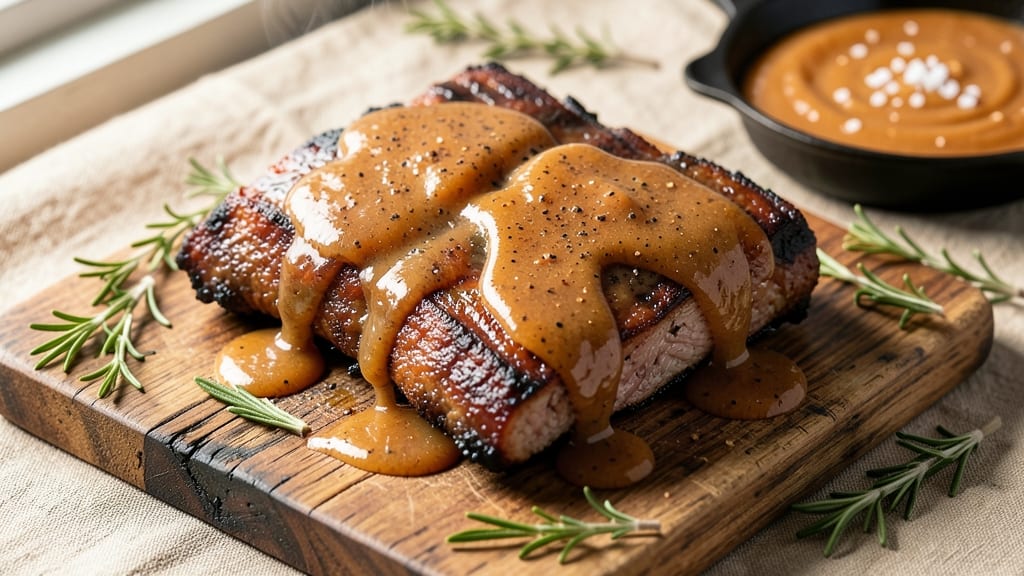
This apple butter ribs recipe transforms tender meat into a masterpiece where sweet-spiced apple butter meets smoky depth. The secret lies in a 3-2-1 method—three hours of smoke, two hours of sauce, and one hour of rest—that creates fall-off-the-bone texture with a glossy, caramelized finish.
I developed this after years of experimenting with fruit-based glazes, and the celery-pepper crunch in the dry rub adds a savory contrast that balances the sweetness perfectly.
The process starts with a dry rub of brown sugar, smoked paprika, and black pepper, which forms a flavorful crust during the initial smoke. As the ribs cook, the apple butter—simmered with cinnamon, cloves, and a touch of cayenne—becomes sticky and aromatic, clinging to every surface.
The key is patience: letting the ribs rest before serving ensures clean slices and maximum tenderness.
What you’ll end up with is ribs that are juicy, sticky, and irresistibly sweet-spicy, with a texture that’s both crispy and succulent. The apple butter glaze caramelizes beautifully, creating pockets of flavor in every bite, while the celery-pepper rub adds a bright, herby kick.
This is the kind of dish that turns a weeknight dinner into a showstopper.
Pair these ribs with classic sides like tangy coleslaw or buttery cornbread to round out the meal. Whether you’re smoking them low and slow or using an oven for a quicker version, the result is the same: restaurant-quality ribs that taste like they’ve been simmering all day. Let’s get started!
Ingredients for apple butter ribs
Sweet-spiced apple butter meets smoky ribs in this showstopper—just 15 ingredients for restaurant-quality flavor.
| Ingredient | Amount | Notes |
|---|---|---|
| Pork Baby Back Ribs 🍖 | 4 lb | Bone-in, meaty sections preferred |
| Brown Sugar 🍚 | ½ cup | Packed, light or dark |
| Smoked Paprika 🌶️ | 2 tbsp | For deep smoky flavor |
| Black Pepper 🌶️ | 1 tbsp | Freshly cracked preferred |
| Celery Seeds 🌿 | 1 tbsp | For celery-pepper crunch |
| Granulated Garlic 🧄 | 1 tbsp | Or 4 fresh cloves minced |
| Apple Butter 🍎 | 1 ½ cups | Store-bought or homemade |
| Ground Cinnamon 🌿 | 1 tsp | For apple butter depth |
| Ground Cloves 🌶️ | ½ tsp | Warm spice for balance |
| Cayenne Pepper 🔥 | ¼ tsp | Adjust for heat preference |
| Yellow Onion 🧅 | 1 whole | Diced for apple butter base |
| Apple Cider Vinegar 🍏 | 1 tbsp | For tangy brightness |
| Wood Chips 🌳 | 2 cups | Hickory or apple preferred |
| Kosher Salt 🧂 | 2 tbsp | For initial seasoning |
| Apple Cider 🍎 | ½ cup | Optional for extra moisture |
The ribs are the star, so grab the meatiest cut you can find—Costco or local butchers usually have the best selection. Look for baby backs with good marbling; that fat is what renders into flavor during the long cook. If you're buying a whole packer, trim any excess silver skin for cleaner slices later. The celery seeds are key—they add that bright, herbal crunch that cuts through the sweetness. Penzeys or bulk spice sections at grocery stores carry them, but if you can't find them, celery salt in a pinch (though it won't be as potent). For the wood chips, Traeger or local smoke shops sell pre-packaged hickory—apple wood if you want to go extra fancy.
No smoked paprika? Regular paprika plus a pinch of liquid smoke works in a bind, though it won't be quite the same. The apple butter can be store-bought (I like Mott's or Wright's for consistency), but homemade is where the magic happens—simmer apples, spices, and vinegar until thick. Short on cloves? Allspice at double the amount gives a similar warmth. The apple cider vinegar adds tang that balances the sweetness—substitute lemon juice if that's what you've got. For the dry rub, Diamond Crystal kosher salt dissolves better than table salt, so if you're using that, cut the amount by half. And if you're doing this in the oven instead of a smoker, soak wood chips in water first to create smoke.
These ribs are all about patience—plan for 6-8 hours total time. The apple butter sauce gets better as it sits, so make it ahead if possible. Store leftovers in the fridge for 3-4 days, covered with sauce to keep them moist. Reheat in a 350°F oven for 15 minutes with a splash of water or apple cider to revive the moisture. For the dry rub, keep it in an airtight container for up to 3 months—it's great on chicken or pork chops too. And if you make extra apple butter, it freezes beautifully for 6 months. The wood chips? Store them in a sealed bag in the freezer to keep them dry.
Why You'll Love This Recipe
- Sweet-Savory Magic: I’ll be honest—this combo of brown sugar and smoked paprika on ribs is ridiculously good. The celery seeds add this subtle earthy kick that makes it taste like a cozy fall afternoon in one bite. (Yes, even on a Tuesday night.)
- One-Pan Wonder: Not the prettiest presentation, but the taste makes up for it. You’re basically slathering ribs with apple butter’s warmth, then roasting them until they’re tender and sticky—no extra pans, no fuss. My lazy Sundays just got a whole lot better.
- Leftovers? Please.: These ribs are so good they’ll disappear fast, but the best part? They reheat like a dream. Wrap them in foil and pop in the oven for 10 minutes—still juicy, still packed with that caramelized brown sugar crust. (Pro tip: toss them in a little apple cider while warming.)
- Budget Crowd-Pleaser: I can buy a full pack of baby backs for less than $20 and feed four hungry people. The spices cost pennies, and the flavor? It’s the kind of dish that makes people ask, “What’s in this?” even though it’s basically ribs hugging sweetness. My wallet and my guests thank me.
Step-by-step instructions for apple butter ribs
Here's how to transform tough ribs into tender, sweet-spiced perfection with that signature celery-pepper crunch.
Prepare the Ribs and Dry Rub
Start by removing the membrane from the ribs—the thin, papery skin on the bone side. Slide your fingers or a butter knife under it to loosen, then grab it with a paper towel and pull firmly. This step is crucial because it prevents the ribs from curling during cooking.
In a large bowl, combine the 0.5 cup brown sugar, 2 tbsp smoked paprika, 1 tbsp black pepper, 1 tbsp celery seeds, 1 tbsp granulated garlic, 1 tsp ground cinnamon, 0.5 tsp ground cloves, and 0.25 tsp cayenne pepper. Mix well to distribute the spices evenly. This dry rub creates the signature celery-pepper crunch while adding sweet, smoky depth.
Pat the ribs dry with paper towels—this helps the rub stick and promotes better bark formation. Then generously coat both sides with the rub, pressing it into the meat so it adheres well. Let the ribs sit at room temperature for 30 minutes while you prepare the smoker.
Build the Apple Butter Glaze and Set Up the Smoker
While the ribs are resting, prepare the apple butter glaze. In a small saucepan, combine the 1.5 cups apple butter, 1 whole yellow onion (diced), and 1 tbsp apple cider vinegar. Cook over medium heat for 5-7 minutes, stirring occasionally, until the onion softens and the mixture becomes smooth. This creates a rich, tangy base that complements the sweetness of the ribs.
Set up your smoker for 225°F using the 2 cups wood chips. I prefer hickory or apple wood for this recipe—they add just the right amount of smoky character without overpowering the sweet-spiced flavors. Let the smoker preheat for 15-20 minutes until you see clean, blue smoke.
Smoke the Ribs Low and Slow
Place the rubbed ribs bone-side down on the smoker grates. Smoke them undisturbed for 3 hours at 225°F. This low-and-slow approach breaks down the collagen in the meat, transforming tough ribs into tender, pull-apart perfection. Resist the urge to peek or move the ribs—every time you open the smoker, you lose heat and moisture.
After 3 hours, flip the ribs bone-side up and continue smoking for another 1.5 hours. This two-stage process ensures even cooking and develops that beautiful bark on all sides. You'll know the ribs are ready when they reach an internal temperature of 195-203°F and the meat pulls away from the bones easily.
Apply the Apple Butter Glaze and Finish
Brush the ribs generously with the apple butter mixture, coating them evenly on all sides. Return them to the smoker and cook for an additional 30-45 minutes at 225°F, basting with more glaze every 15 minutes. This step adds a glossy finish and deepens the sweet-spiced flavors.
For extra moisture, spray the ribs with the 0.5 cup apple cider during the last 30 minutes of cooking. The cider evaporates, creating steam that keeps the meat tender. The ribs are done when they're fork-tender and the bark is dark and sticky.
Rest and Serve
Remove the ribs from the smoker and let them rest on a cutting board for 15-20 minutes. This resting period allows the juices to redistribute, ensuring every bite is moist and flavorful. The ribs should be so tender they practically fall apart when you pull them.
Slice between the bones and serve immediately with extra apple butter glaze drizzled on top. The combination of smoky, sweet, and slightly spicy flavors makes these ribs unforgettable. Pair them with classic barbecue sides like coleslaw or cornbread for the ultimate comfort meal.
Pro Tips For Making Apple Butter Ribs
- CRANK THE HEAT FIRST: Start your ribs on the hottest part of the grill or in the oven at 450°F (230°C) for 30 minutes—yes, even with apple butter in the mix. I learned this the hard way: skipping the high initial heat means the sugar in the apple butter burns before the ribs get that perfect caramelized crust. After that, you can ease back to 275°F (135°C) for the slow cook.
- SWEAT THE CELERY SEEDS: Toast the celery seeds in a dry pan for 30 seconds until fragrant—don’t skip this. I used to just toss them in raw, and the flavor was always subtle. A quick bloom in oil or butter with the smoked paprika and black pepper makes them pop, adding a nutty depth that balances the sweetness of the apple butter.
- WRAP THEM TIGHT AT 180°F: Once the ribs hit an internal temp of 180°F (77°C), wrap them in foil with a splash of apple butter and a little apple cider vinegar. This isn’t just for moisture—it’s the moment the collagen breaks down into gelatin, making the meat tender without drying out. I used to wait too long, and the ribs would turn rubbery.
- USE GRANULATED SUGAR FIRST: Sprinkle a thin layer of granulated sugar over the ribs before the brown sugar and apple butter. This helps the sugar melt and caramelize faster, creating a sticky base that locks in flavor. I was skeptical until I tried it—now I swear by it for crispier, stickier ribs. (Yes, even if you’re impatient like me.)
Troubleshooting perfect results
Ribs Stuck to Grates
If your ribs are sticking to the smoker grates, it’s usually due to excess moisture or a cold surface. First, make sure your smoker is properly preheated to 225°F for 15-20 minutes before adding the ribs—this ensures the grates are hot enough to prevent sticking.
I also recommend using chrome or stainless steel grates (like those from Weber or Traeger) because they heat up faster and are easier to clean. If the ribs are already stuck, gently lift them with a thin metal spatula or tongs—don’t force it, or you’ll tear the bark.
A light spray of apple cider or water on the grates before adding the ribs can help too.
Apple Butter Too Thin
The apple butter glaze should be thick enough to cling to the ribs but still spreadable. If yours is too thin, simmer it uncovered over low heat for 5-10 minutes, stirring occasionally, until it thickens.
You can also add 1 tsp cornstarch mixed with 1 tbsp water to the glaze and stir until it reaches the right consistency. Avoid over-thinning the glaze with extra apple cider—this can make it runny and less sticky.
If you’re in a hurry, chill the glaze in the fridge for 30 minutes to thicken it naturally before applying.
Ribs Too Dry or Tough
Dry or tough ribs usually mean the cooking time was too long at high heat or the ribs weren’t rested properly.
To fix this, wrap the ribs in butcher paper or foil (not aluminum foil directly, as it can make them soggy) and return them to the smoker at 225°F for 1-2 hours to rehydrate. Spritz them with apple cider or beef broth every 30 minutes to add moisture.
If the ribs are still tough, they may have been overcooked—next time, pull them off the heat when they reach 195°F internal temperature and rest for 15-20 minutes before slicing. The rest is key!
Smoke Flavor Too Weak
If your ribs lack smoky depth, check your wood chips and smoker setup. First, ensure you’re using fresh hickory or apple wood chips—old or damp wood burns poorly and produces weak smoke. Soak the chips in water for 30 minutes before using them to create steady, clean smoke.
Also, maintain a consistent temperature of 225°F—fluctuations can cause the smoke to dissipate. If you’re using a pellet smoker, try switching to 100% hickory or apple pellets instead of blends. For charcoal smokers, add more charcoal as needed to keep the heat stable.
Glaze Not Sticking
A glaze that won’t stick usually means the ribs weren’t dry enough or the glaze was applied too late. Before applying the apple butter mixture, pat the ribs dry with paper towels to remove any excess moisture.
If the ribs are still damp, wrap them in butcher paper and return them to the smoker for 30 minutes to dry out slightly. For extra adhesion, brush the ribs with a thin layer of melted butter or oil before applying the glaze.
This creates a barrier that helps the sticky glaze cling better. Also, apply the glaze when the ribs are still warm but not scorching—around 190°F internal temperature works best.
Uneven Cooking
Uneven cooking often happens when ribs are stacked too tightly or the smoker temperature fluctuates. To prevent this, leave ½ inch of space between each rack of ribs so air can circulate freely.
If you’re using a vertical smoker, rotate the ribs 90 degrees halfway through cooking to ensure even exposure to heat and smoke. For pellet smokers, check the pellet hopper frequently to avoid temperature drops.
If the ribs are already uneven, wrap the cooler sides in butcher paper and return them to the smoker for 1-2 hours to catch up. This helps redistribute heat and moisture.
Nutrition facts
Frequently asked questions
Can I make these ribs in an oven instead of a smoker?
For oven-baked ribs, preheat your oven to 275°F and place the ribs on a rack in a roasting pan. Add 2 cups soaked wood chips (hickory or apple) to a small pan beneath the rack for smoke. Bake bone-side down for 3 hours, flip, then cook another 1.5 hours before applying the apple butter glaze. The total time will be similar to smoking, just without the smoky depth. For extra flavor, wrap the ribs in butcher paper with the glaze for the last 30 minutes.
How do I store leftover apple butter ribs?
Store ribs in an airtight container with a thin layer of extra apple butter glaze on top to keep them moist. They’ll stay fresh in the fridge for 3-4 days. To reheat, warm in a 350°F oven for 15 minutes with a splash of apple cider or water to revive the juices. For longer storage, freeze ribs (uncooked or cooked) for up to 3 months—thaw overnight in the fridge before reheating.
What can I substitute if I don’t have celery seeds?
Celery seeds add that signature crunch, but you can substitute with 1 tbsp celery salt (though it won’t be as potent) or ½ tsp ground celery flakes if available. For a similar herbal note, add 1 tsp dried thyme or 1 tbsp finely chopped fresh celery to the dry rub. The flavor won’t be identical, but it’ll still complement the sweet-spiced profile of the ribs.
Can I use beef ribs instead of pork?
While this recipe is designed for pork baby back ribs, you can adapt it for beef ribs with a few adjustments. Beef ribs need 10-15% longer cook time (aim for 245°F and 5-6 hours total) and a slightly bolder dry rub—add ½ tsp mustard powder to the mix. The apple butter glaze will work, but beef’s richer flavor pairs well with a touch more cayenne (½ tsp) for balance.
Why does my apple butter glaze turn out runny?
Runny glaze happens when the apple butter isn’t thick enough or too much liquid is added. Simmer the glaze uncovered over low heat for 5-10 minutes to reduce moisture, or thicken with a slurry of 1 tsp cornstarch + 1 tbsp water. Avoid thinning with extra apple cider—it can make the glaze too watery. For quick fixes, chill the glaze in the fridge for 30 minutes to firm up before applying.