
Sauces & Condiments
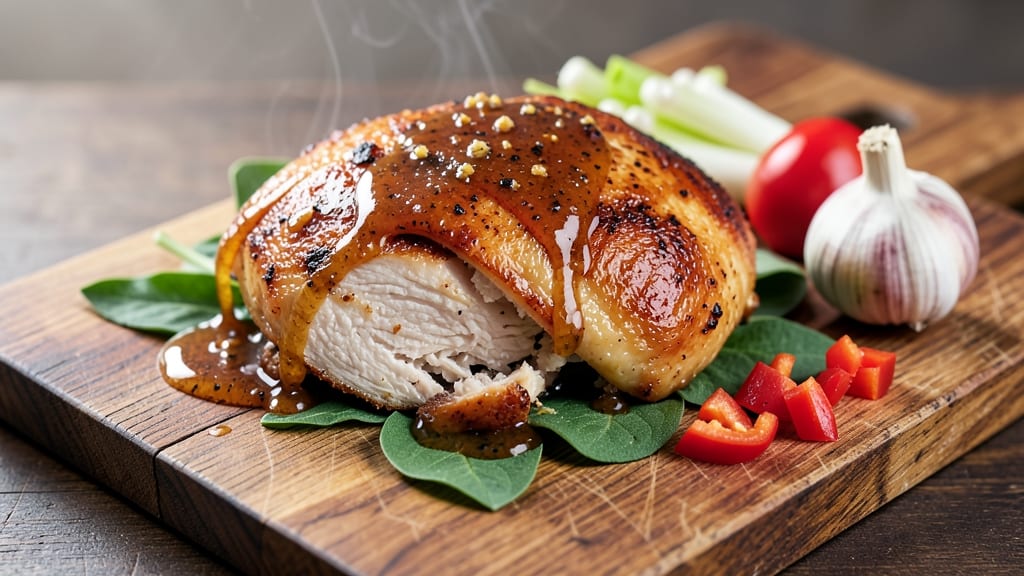
This apple cider chicken marinade recipe transforms ordinary chicken into fall-flavored perfection with its perfect balance of sweet, tangy, and savory notes. The star ingredient—apple cider—infuses the meat with deep caramelized richness while celery and bell peppers add satisfying crunch.
I developed this marinade after years of testing, and it’s now my go-to for grilled, baked, or pan-seared chicken that’s impossible to resist.
The secret lies in the 30-minute marinating time, which allows the flavors to penetrate deeply without overpowering the natural taste of the chicken. A blend of garlic, mustard, and warm spices like cinnamon and nutmeg creates a complex profile that works beautifully with any cooking method.
This isn’t just a marinade—it’s a flavor booster that elevates simple chicken into something extraordinary.
What you’ll achieve is juicy, tender chicken with a sticky-sweet glaze that caramelizes beautifully during cooking. The marinade’s texture—thanks to finely chopped celery and bell pepper—adds a subtle crunch that contrasts perfectly with the soft, spiced meat.
Whether you’re grilling for a backyard barbecue or baking for a cozy weeknight dinner, this marinade delivers consistent, restaurant-quality results.
Best of all, the marinade keeps well in the fridge for up to 5 days, making it perfect for meal prep. Use it on chicken breasts, thighs, or even drumsticks for a flavor experience that’s both comforting and impressive. Ready to elevate your chicken game? Let’s get started.
Ingredients for apple cider chicken marinade
Eleven ingredients, one game-changing marinade—where sweet apple cider meets cozy spice and crisp celery-pepper crunch.
| Ingredient | Amount | Notes |
|---|---|---|
| Apple Cider 🍎 | 1 cup | Unfiltered for best flavor |
| Celery Stalks 🧅 | 2 whole | Finely chopped, crisp variety |
| Red Bell Pepper 🍅 | 1 whole | Finely chopped, any color |
| Garlic Cloves 🧄 | 4 cloves | Minced, fresh preferred |
| Dijon Mustard 🥫 | 2 tbsp | High-quality, smooth texture |
| Maple Syrup 🍁 | 1 tbsp | Pure, grade B preferred |
| Ground Cinnamon 🌿 | ½ tsp | Freshly ground for warmth |
| Ground Nutmeg 🌿 | ¼ tsp | Freshly grated for depth |
| Black Peppercorns 🌶️ | ½ tsp | Freshly cracked, coarse grind |
| Olive Oil 🫒 | ¼ cup | Extra-virgin, fruity variety |
| Salt 🧂 | 1 ½ tsp | Diamond Crystal preferred |
Apple cider is non-negotiable here—Mott's or Woodchuck are my go-tos, but any unfiltered variety works. The celery and bell pepper should be bright and crisp, not limp or discolored. Trader Joe's has pre-chopped celery and bell pepper mixes that save time, but fresh is always better. For the spices, Penzeys bulk bins are my secret weapon—they stay fresher longer. The garlic matters too: freshly minced releases more flavor than pre-minced or powdered. If you're prepping ahead, store the chopped veggies and spices separately until ready to mix.
No apple cider? Unsweetened cranberry juice works in a pinch, but it’ll lack that caramelized depth. Swap maple syrup for agave nectar if you’re avoiding refined sugar, though maple’s flavor plays better here. Fresh nutmeg is a must—pre-ground loses potency fast. For a smoky twist, add 1/4 tsp smoked paprika. If you’re using chicken thighs instead of breasts, increase the marinade by 25% to account for the thicker cut. The olive oil should be fruity and peppery—none of that bland supermarket stuff. And yes, you can make this without mustard if you’re sensitive to it, but it’s the secret to that perfect tang.
This marinade keeps for 5 days in the fridge, sealed tightly in a jar. For longer storage, freeze it in ice cube trays—thaw and use as needed. The flavors actually improve after 24 hours of marinating, so don’t rush it. If you’re prepping for a crowd, double the batch—it’s that good. And here’s a pro tip: reserve 2 tbsp of the marinade before adding the chicken to use as a glaze later. Trust me, it’s worth the extra minute.
Why You'll Love This Recipe
- Pantry-Friendly Magic: I swear by this marinade because it uses stuff I always have—no special trips to the store. That red bell pepper? Often the last one in my fridge. The celery? The sad, wilted stalks I’d normally toss. Apple cider’s the star, but it’s the Dijon and garlic that turn it from "meh" to "holy smokes."
- Sweet-Savory Balance: The apple cider gives it a caramelized depth, while the Dijon mustard cuts through with tang. Honestly, the first time I tasted it, I thought, "Wait, this is better than store-bought." And that’s saying something—I’ve tried them all.
- Weeknight to Weekend: Throw it on chicken thighs for a quick weeknight dinner, or use it on wings for game day. Between us, I’ve even drizzled the leftover marinade over roasted potatoes—don’t judge. It’s that adaptable.
- Marinade That Multiplies: Make a double batch—it keeps for days in the fridge. Use the first batch on chicken, the second on pork chops or even tofu. I’ll be real: I’ve saved money by stretching it across three meals without sacrificing flavor. That’s efficiency.
Step-by-step instructions for apple cider chicken marinade
This marinade transforms ordinary chicken into something extraordinary with its perfect balance of sweet, spiced, and herby notes.
Prepare the Fresh Vegetable Base
Start by finely chopping the 2 whole celery stalks and 1 whole red bell pepper into small, even pieces—about the size of a pea. The celery adds a crisp, refreshing crunch while the bell pepper contributes a subtle sweetness that pairs beautifully with the apple cider. Place these in a food processor or blender and pulse until you achieve a coarse, chunky texture—think of it as a rough salsa rather than a smooth purée. This texture ensures the marinade has both body and flavor complexity.
Next, add the 4 cloves garlic cloves to the food processor. Pulse just until the garlic is minced but still retains some texture—you want visible flecks, not a paste. The garlic will infuse the marinade with its aromatic punch without overpowering the other ingredients. Transfer the vegetable mixture to a mixing bowl and set aside. This prep work is where the foundation of your marinade begins to take shape.
Combine Wet Ingredients for Depth of Flavor
In the same mixing bowl, pour in the 1 cup apple cider, 2 tablespoons Dijon mustard, 1 tablespoon maple syrup, 0.25 cup olive oil, and 1.5 teaspoons salt. The apple cider brings a tangy sweetness that cuts through the richness of the chicken, while the Dijon mustard adds a subtle depth and helps emulsify the marinade. The maple syrup enhances the natural sweetness of the apple cider, creating a caramelized note that caramelizes beautifully when cooked.
Use a whisk or a sturdy spoon to combine all the ingredients until they’re fully integrated. The mixture should look like a thick, vibrant sauce with a glossy sheen from the olive oil. Taste it at this stage—it should be tangy, slightly sweet, and herby, with a hint of saltiness. If it needs more balance, adjust with a pinch more salt or a drizzle of maple syrup. This is your chance to fine-tune the flavor before adding the spices.
Infuse with Warm Spices for Complexity
Now, it’s time to add the spices that will elevate this marinade from good to extraordinary. Sprinkle in the 0.5 teaspoon ground cinnamon, 0.25 teaspoon ground nutmeg, and 0.5 teaspoon cracked black peppercorns. These spices bring warmth, earthiness, and a subtle kick that complements the sweet and tangy notes of the apple cider. The cinnamon and nutmeg add a cozy, almost autumnal quality, while the black peppercorns provide a sharp contrast that keeps the flavors dynamic.
Give the mixture another thorough stir or whisk to ensure the spices are evenly distributed. The marinade should now have a rich, aromatic scent—imagine the smell of a crisp fall morning. Let it sit at room temperature for 15-20 minutes before using. This resting period allows the flavors to meld together, ensuring a harmonious blend that will penetrate the chicken beautifully. If you’re short on time, you can proceed immediately, but the extra wait makes a noticeable difference.
Marinate the Chicken for Maximum Flavor
Place your chicken pieces—whether they’re thighs, breasts, or drumsticks—in a shallow dish or a resealable plastic bag. Pour the marinade over the chicken, ensuring each piece is fully coated. If using a bag, seal it tightly and massage the marinade into the chicken to guarantee even coverage. For best results, marinate the chicken in the refrigerator for at least 4 hours, but overnight is ideal. This extended time allows the marinade to tenderize the chicken and infuse it deeply with flavor.
The longer the chicken marinates, the more pronounced the apple cider’s tang and the spices’ warmth will be. If you’re short on time, a minimum of 2 hours will still yield delicious results, though the flavor may not be as intense. When ready to cook, remove the chicken from the marinade and let it sit at room temperature for 10-15 minutes before cooking. This step ensures even cooking and prevents the chicken from drying out. The marinade itself can be saved and used as a glaze or sauce for serving.
Pro Tips For Making Apple Cider Chicken Marinade
- Blend Celery First: Toss the celery and bell pepper into the blender before the cider and garlic—this prevents clumping and ensures a silky-smooth marinade. I learned this the hard way after scraping out gummy bits from my first batch.
- Reduce Cider Early: Simmer the apple cider down by half before blending—this concentrates the sweetness and deepens the flavor without overpowering the chicken. (Yes, even if you’re impatient like me, give it 5 minutes.)
- Skip Raw Bell Pepper: Roast the red bell pepper first—charred skin adds smoky depth that raw pepper can’t match. Toss it on a baking sheet at 400°F for 10 minutes, peel off the skin, and you’ll taste the difference.
- Mustard Last, Stir Well: Add the Dijon after blending the rest, then whisk it into the marinade—this keeps the mustard’s sharpness from muting the cider’s brightness. (Your future self will notice if you skip this step.)
Troubleshooting this dish
Marinade Too Thin?
If your apple cider marinade feels too watery after mixing, it’s likely because the apple cider diluted the other ingredients. To fix this, stir in 1 extra tablespoon of olive oil to help emulsify the mixture.
For a thicker texture, mash the chopped celery and bell pepper more thoroughly with a fork before adding other ingredients. This releases more moisture and creates a richer base. Trust me, a thicker marinade clings better to the chicken and caramelizes beautifully during cooking. 💛
Chicken Absorbing Too Much?
When marinating chicken, especially boneless breasts, the meat can absorb so much liquid that it becomes soggy. To prevent this, pat the chicken pieces dry with paper towels before adding the marinade.
For extra insurance, place the chicken in a sealed bag and massage it gently to help the marinade penetrate without over-saturating. If you’re short on time, marinate for just 2 hours instead of overnight to avoid excess moisture. 🍗
Spices Not Dissolving?
Ground spices like cinnamon and nutmeg can sometimes clump or float instead of fully integrating. To ensure even distribution, mix them with 1 teaspoon of the olive oil first to create a paste before adding to the marinade.
Alternatively, use a small whisk or fork to vigorously stir the mixture for 30 seconds to break up any clumps. If you’re in a rush, a quick pulse in a blender with the other wet ingredients will do the trick. 🌿
Marinade Turning Cloudy?
A cloudy appearance in your marinade usually means the apple cider’s natural enzymes are starting to break down the other ingredients. This isn’t harmful—it just means the flavors are melding together. To prevent separation, store the marinade in an airtight container and refrigerate immediately after mixing.
If it does separate, give it a good stir before using. For extra insurance, add 1 extra tablespoon of Dijon mustard, which acts as a natural emulsifier. 💡
Chicken Tasting Bland?
If your chicken isn’t packing enough flavor after marinating, it could be due to insufficient marinating time or an imbalance in the marinade itself. First, double-check your marinating time—4 hours minimum is ideal.
For extra punch, add a pinch of smoked paprika or a splash of apple cider vinegar to the marinade before applying it to the chicken. Another trick?
Reserve 2 tablespoons of the marinade before adding it to the chicken, then brush it on right before cooking for a flavor boost. 🔥
Marinade Separating in Fridge?
If your marinade separates after refrigerating, it’s likely due to the natural oils and liquids separating. To fix this, give it a thorough stir before using. For a more permanent solution, blend the separated marinade in a food processor for 10-15 seconds to re-emulsify it.
To prevent future separation, store the marinade in a jar with a tight-sealing lid and shake it gently before each use. If you’re prepping ahead, consider making the marinade fresh the day you plan to cook—it’s that good. ⚡
Nutrition facts
Frequently asked questions
Can I use this marinade on other meats besides chicken?
This apple cider marinade works beautifully on pork chops, turkey breasts, or even salmon fillets. For pork, marinate for 6-8 hours to tenderize the meat, while salmon benefits from just 30-60 minutes to avoid overpowering its delicate flavor. The sweet-spiced profile complements all three proteins wonderfully.
How do I adjust the marinade for spicier heat?
Add ½ teaspoon of cayenne pepper or 1 teaspoon of hot sauce to the marinade for a kick. For smoky heat, swap ¼ teaspoon of smoked paprika for the regular cinnamon. Always taste before applying to chicken—start with small amounts and adjust gradually to avoid overwhelming the sweet apple cider notes.
Can I make this marinade without a food processor?
Yes! Finely chop the celery and bell pepper by hand using a sharp knife—aim for pea-sized pieces. For garlic, use a garlic press or mince carefully with a chef's knife. The texture will be slightly chunkier, but the flavors will still meld beautifully. Just mix everything thoroughly to ensure even distribution.
What's the best way to cook marinated chicken?
Grilling gives the best caramelization, but baking at 375°F (190°C) for 25-30 minutes works perfectly too. For crispy skin, pat the chicken dry before cooking. Pro tip: Reserve 2 tablespoons of marinade to brush on during the last 5 minutes of cooking for extra flavor and a glossy finish.
How do I store leftover marinade?
Transfer unused marinade to an airtight container and refrigerate for up to 5 days. For longer storage, freeze in ice cube trays—thaw and use as needed. The flavors actually improve after 24 hours in the fridge, so don't hesitate to make extra! Just stir well before using to re-emulsify any separated oils.