
Sauces & Condiments
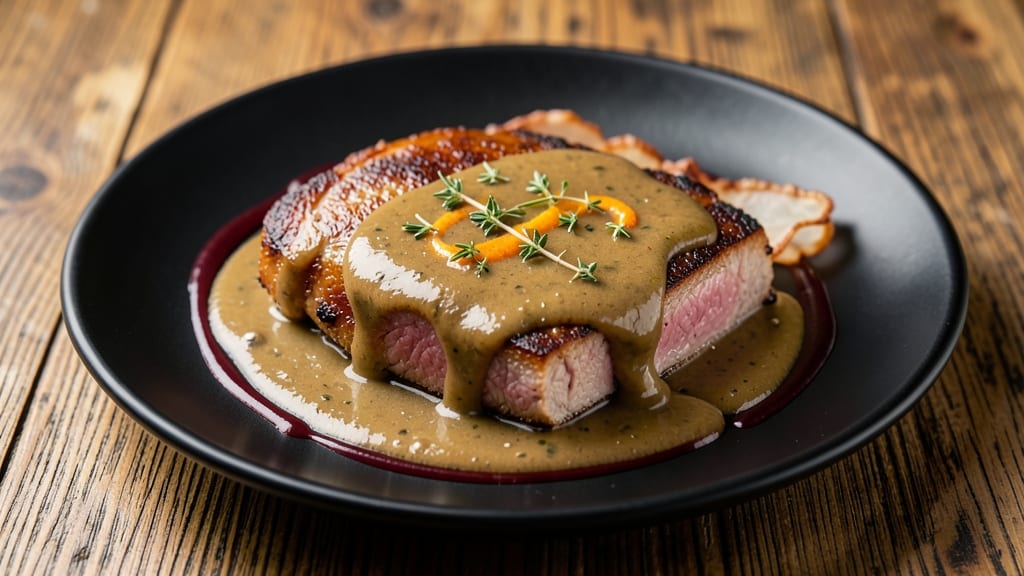
This apple cider gravy recipe for pork transforms simple weeknight dinners into restaurant-worthy meals with just 10 minutes of effort. The smoky-sweet sauce captures all the juices from roasted or pan-seared pork while adding depth with warm spices and apple cider's natural tang.
I developed this recipe during a chilly autumn weekend when I wanted to elevate store-bought pork chops—what started as an experiment became my go-to finishing sauce.
The secret lies in a quick roux that thickens the sauce perfectly, followed by a reduction that concentrates the apple cider's flavor without overpowering the pork's natural richness. A touch of Dijon mustard adds complexity, while fresh thyme and black pepper bridge the gap between sweet and savory.
What makes this gravy special is how it balances apple cider's brightness with pork's inherent richness, creating a sauce that's both comforting and sophisticated.
By the time you're done, you'll have a glossy, velvety sauce that clings beautifully to pork slices, turning ordinary roasts into showstopping centerpieces. The aroma alone—warm apples, caramelized pork drippings, and subtle spice—will have everyone at the table asking for seconds.
This isn't just a sauce; it's the perfect way to make pork feel like a special occasion dinner every time.
Works equally well with roasted pork tenderloin, pan-seared chops, or even braised pork shoulder. The recipe scales perfectly for leftovers, making it ideal for meal prep or holiday gatherings. Let's make this gravy—the easy way to elevate pork dishes without the fuss.
Ingredients for apple cider gravy recipe for pork
Ten simple ingredients transform pork drippings into restaurant-quality apple cider gravy.
| Ingredient | Amount | Notes |
|---|---|---|
| Pork Drippings 🥩 | 2 tbsp | From roasted or pan-seared pork |
| Unsalted Butter 🧈 | 3 tbsp | Cold, cut into small pieces |
| All-Purpose Flour 🌾 | ¼ cup | Diamond Crystal preferred |
| Apple Cider 🍎 | 1 cup | Unfiltered, preferably spiced |
| Dijon Mustard 🍯 | 1 tbsp | High-quality, smooth variety |
| Fresh Thyme Leaves 🌿 | 1 tbsp | Finely chopped, stems removed |
| Black Peppercorns 🌶️ | ½ tsp | Freshly cracked, coarse grind |
| Salt 🧂 | ½ tsp | Kosher or sea salt |
| Brown Sugar 🍚 | 1 tbsp | Light or dark, packed |
| Smoked Paprika 🌶️ | ½ tsp | For subtle smokiness |
The apple cider makes all the difference—look for unfiltered, spiced varieties at Trader Joe's or Whole Foods for that authentic autumn flavor. Fresh thyme is ideal, but dried works at half the amount if you're in a pinch. The Dijon mustard adds depth, so avoid the cheap stuff—Maille or Amora are my go-tos. For the roux, Diamond Crystal flour absorbs liquid better than most brands, giving you that perfect velvety texture. Smoked paprika is key for that subtle smokiness, and Penzeys has the best quality. If you're using pre-made pork drippings, make sure they're rich and caramelized for maximum flavor.
No apple cider? Substitute with a mix of apple juice and a splash of cider vinegar—it won't be identical, but it'll work in a bind. Running short on Dijon? Whole-grain mustard at half the amount gives a slightly different but still delicious result. The butter is non-negotiable for richness, but if you're avoiding dairy, use vegan butter or coconut oil (though the flavor will be slightly different). For a quicker roux, microwave the butter 40 seconds to just melt it before adding flour—saves time without sacrificing texture. The smoked paprika can be swapped for regular paprika if you're out, but you'll lose that smoky depth.
This gravy reheats beautifully—just warm it gently on the stove, stirring constantly to avoid lumps. Keeps 4-5 days in the fridge, sealed tightly to preserve its rich aroma. For leftovers, freeze in ice cube trays and pop out single servings as needed. The sauce thickens as it cools, so if it seems too thick when reheating, add a splash of warm water or apple cider to loosen it up. Trust me, the flavor only gets better the next day as everything melds together.
Why You'll Love This Recipe
- Uses What You’ve Got: I swear by this trick—no extra shopping needed. Just scoop up those pork drippings from your roast or chops, melt in butter, and boom—you’ve got the base. Honestly, it’s the kind of recipe that turns scraps into something special without breaking a sweat.
- Sweet-Savory Magic: That apple cider and Dijon mustard combo? It’s like autumn in a spoonful. The tangy depth of the cider cuts through the richness of the pork, while the mustard adds just enough bite to keep things interesting. Not too sweet, not too heavy—just right.
- Leftovers Reinvented: This gravy thickens beautifully when reheated, making it my go-to for turning next-day pork into a whole new meal. Slather it over mashed potatoes, drizzle it on biscuits, or even toss it with eggs for breakfast. Between us, it’s the reason I never waste a single drop.
- Weeknight Wonder: Five ingredients, one pot, 15 minutes max. I’ll be real: I’ve made this gravy while the kids argued over homework and the dog barked at squirrels. The flour-butter roux is foolproof, the cider simmers down fast, and cleanup? Just a quick wipe of the pan. Unfussy doesn’t even begin to cover it.
Step-by-step instructions for apple cider gravy with pork
Here's how to transform simple pan drippings into a rich, aromatic sauce that pairs perfectly with pork.
Create the Roux Base
Heat the 2 tablespoons pork drippings in a medium saucepan over medium heat until shimmering. Add the 3 tablespoons cold unsalted butter cut into small pieces and let it melt slowly, stirring occasionally. This gradual melting prevents scorching while building flavor.
Once the butter is fully incorporated and the drippings are bubbling gently, reduce the heat to medium-low. Whisk in the ¼ cup all-purpose flour all at once, stirring constantly for 1-2 minutes until you achieve a smooth, peanut-butter-like consistency. This roux forms the foundation of your gravy, so don't rush this step - the flour needs to cook out completely to eliminate any raw taste.
Deglaze with Apple Cider
Slowly pour in the 1 cup apple cider, whisking vigorously as you go to prevent lumps from forming. The liquid will bubble vigorously at first, but continue whisking until it smooths out completely. Here's the thing - you want to let this mixture simmer gently for 3-4 minutes until it thickens noticeably and the raw flour flavor disappears.
I like to taste the mixture at this point to check the balance. It should be tangy from the cider but not overly sweet yet. If it's too thin, you'll have time to adjust later, but don't let it boil vigorously or the sauce will seize up.
Build Depth with Seasonings
Add the 1 tablespoon Dijon mustard, 1 tablespoon chopped fresh thyme leaves, ½ teaspoon cracked black peppercorns, ½ teaspoon salt, 1 tablespoon brown sugar, and ½ teaspoon smoked paprika all at once. Stir well to combine - you'll see the spices begin to infuse immediately, releasing their aromatic oils into the sauce.
Let the mixture simmer gently for another 2-3 minutes until it reaches your desired consistency. It should coat the back of a spoon but still be pourable. The brown sugar will caramelize slightly, adding depth to the smoky notes from the paprika. If it thickens too much, whisk in 1-2 tablespoons water to loosen it.
Finish and Serve
Taste the gravy and adjust seasoning if needed - you might want to add a pinch more salt or sugar to balance the flavors. The sauce should be rich, slightly sweet, with a subtle smokiness from the paprika and a hint of tang from the mustard.
For the best texture, strain the gravy through a fine-mesh sieve to remove any thyme stems or peppercorns if you prefer a completely smooth sauce. Serve immediately over roasted pork, where it will beautifully complement the meat's natural flavors while adding a sophisticated touch to your meal.
Pro Tips For Making Apple Cider Gravy Recipe For Pork
- DEGLAZE IMMEDIATELY: Don’t let those pork drippings harden—scrape up every last bit with a wooden spoon while the pan’s still warm. Cold drippings turn to greasy sludge, and you’ll lose flavor faster than you can say “second batch.”
- WHISK THE FLOUR DRY: Toss that flour into the pan before adding cider—don’t pre-mix it into a paste. You want it to toast lightly and bloom properly, not turn into a gluey mess that clumps like overworked pie dough.
- SIMMER, DON’T BOIL: Once the cider hits the pan, keep it at a gentle bubble—no rolling boil. You’re making gravy, not cider reduction for cocktails. Boiling burns the mustard and turns the sauce thin and sad.
- SALT THE CIDER: Add a pinch of salt (½ tsp) to the apple cider before pouring it in. The pork drippings are already salty, and unsalted butter won’t save you—this balances the flavors without guessing later. (Yes, even if the recipe doesn’t say it.)
Flavor customization for this apple cider gravy recipe for pork
Sweet Heat Boost
Add ½ teaspoon cayenne pepper or 1 teaspoon hot honey to the finished gravy for a spicy-sweet kick that cuts through pork's richness.
I discovered this trick during a chilly October weekend when my husband craved heat—just a pinch transforms the sauce into something entirely new. 🌶️ For balance, add ¼ teaspoon cinnamon alongside the cayenne to deepen the apple notes.
Herb Variations
Swap thyme for rosemary (½ tbsp finely chopped) for a piney, earthy flavor that pairs beautifully with roasted pork tenderloin. Or try fresh sage (1 tbsp) for a classic Thanksgiving-inspired twist.
I once used both herbs together—the rosemary added brightness while sage brought warmth. Always remove stems before adding to avoid bitterness.
Umami Depth
Stir in 1 teaspoon soy sauce or ½ teaspoon fish sauce during the final simmer for an unexpected umami boost that elevates the sauce. This works especially well with pan-seared pork chops. For a vegetarian-friendly version, add 1 teaspoon mushroom powder instead—it mimics the savory depth without animal products. 🍄
Spiced Cider Swap
Replace regular apple cider with ½ cup apple cider + ½ cup spiced cider (like Martinelli's) for intensified autumn flavors. Or infuse the cider by simmering it with 1 cinnamon stick and 2 star anise pods for 10 minutes before using.
Strain before adding to your gravy—this adds warmth without overpowering the pork's natural taste.
Creamy Finish
For a luxurious texture, whisk in 2 tablespoons heavy cream or ½ cup coconut milk at the very end. This works especially well with braised pork shoulder. I once added 1 tablespoon crème fraîche for a tangy richness—it became my go-to for special occasions.
Always temper the dairy by mixing it in gradually to prevent curdling.
Smoky Twist
Boost the smokiness by adding ½ teaspoon liquid smoke (like La Choy) or ¼ teaspoon chipotle powder during the final simmer. For a more subtle approach, toast ¼ teaspoon coriander seeds in a dry pan until fragrant, then grind and stir into the gravy.
This pairs perfectly with BBQ-glazed pork ribs. 🔥
Nutrition facts
Frequently asked questions
Can I make this gravy without pork drippings?
Use 2 tablespoons olive oil or bacon fat instead, but the flavor will be slightly different. For best results, add 1 teaspoon pork bouillon powder to mimic the meaty depth. If you're using bacon fat, skip the extra salt since it's already seasoned.
How do I fix gravy that's too thin?
Simmer the gravy uncovered for 2-3 extra minutes to reduce the liquid. If that doesn't work, mix 1 teaspoon cornstarch with 1 tablespoon cold water, stir it in, and cook for 1 more minute. Never use flour alone—it can make the gravy grainy.
What's the best way to store leftover gravy?
Let it cool completely, then transfer to an airtight container. It keeps 4-5 days in the fridge or 3 months in the freezer. For reheating, warm gently on low heat, stirring constantly to prevent lumps. The flavor actually improves overnight as the spices meld!
Can I use this gravy with chicken or beef?
Yes, but adjust the seasoning. For chicken, reduce the smoked paprika to ¼ teaspoon and add ½ teaspoon poultry seasoning. For beef, increase the Dijon to 1.5 tablespoons and add ½ teaspoon Worcestershire sauce. The apple cider's sweetness works beautifully with both, but beef pairs best with a slightly bolder profile.
Why did my gravy turn out lumpy?
This usually happens from two things: either not whisking enough when adding flour or letting the sauce boil too vigorously. For next time, whisk constantly when combining flour and liquid, and keep heat at medium-low during the roux stage. If it happens, strain through a fine-mesh sieve to salvage it!