
Sauces & Condiments
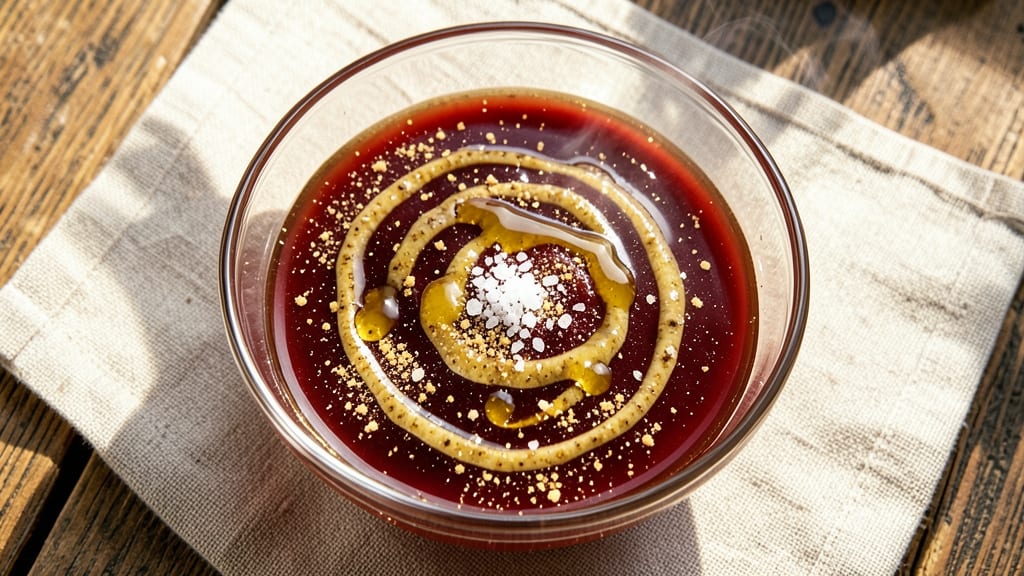
This honey mustard apple cider vinaigrette recipe delivers a bright, tangy dressing that elevates salads, sandwiches, and dips with minimal effort. The secret lies in balancing sweet honey, sharp apple cider vinegar, and Dijon mustard—all emulsified with olive oil for a silky, clingy finish.
I developed this recipe after struggling to find a vinaigrette that wasn’t too sweet or overly acidic, and it’s now my go-to for quick, restaurant-quality flavor.
The beauty of this dressing is its versatility—it works as a zesty salad dressing, a tangy sandwich spread, or even a marinade for grilled chicken. Dijon mustard acts as the emulsifier, ensuring the oil and vinegar stay perfectly combined without separation.
With just 5 simple ingredients, you’ll create a dressing that’s far more complex than store-bought versions.
What makes this recipe stand out is the perfect balance of flavors: the honey adds a subtle sweetness, the apple cider vinegar brings a crisp acidity, and the mustard contributes a subtle depth.
The result is a dressing that’s bright, zesty, and just sweet enough to complement a variety of dishes without overpowering them.
Store it in an airtight container in the refrigerator for up to 5 days, shaking gently before each use. Whether you’re dressing a fresh green salad, adding zing to sandwiches, or using it as a dip for veggies, this vinaigrette is a game-changer for quick, flavorful meals.
Ingredients for honey mustard apple cider vinaigrette
Five ingredients transform into a silky, restaurant-quality vinaigrette with perfect sweet-tart balance.
| Ingredient | Amount | Notes |
|---|---|---|
| Extra-Virgin Olive Oil 🫒 | ¾ cup | High-quality, fruity variety preferred |
| Apple Cider Vinegar 🍏 | ½ cup | Raw, unfiltered for depth of flavor |
| Raw Honey 🍯 | ⅓ cup | Local or wildflower preferred |
| Dijon Mustard 🌶️ | 2 tbsp | Mild or strong variety, no additives |
| Granulated Garlic Powder 🧄 | ½ tsp | Freshly ground preferred |
| Diamond Crystal Kosher Salt 🧂 | ¼ tsp | Fine grain for even dissolution |
| Freshly Ground Black Pepper 🌶️ | ¼ tsp | Cracked peppercorns preferred |
The olive oil should be the highest quality you can find—look for extra-virgin with a fruity, peppery finish. California-based brands like Corto or Colavita are excellent choices, or check the international section for Italian or Spanish varieties. Apple cider vinegar makes all the difference here; raw, unfiltered brands like Bragg's or local orchard varieties add complexity. Honey should be raw and unprocessed—local honey from a farmers market carries subtle floral notes that elevate the dressing. Dijon mustard acts as the emulsifier, so avoid powdered versions; Maille or Amora brands are reliable choices. The garlic powder and pepper are supporting players but shouldn't be overlooked—freshly ground spices ensure optimal flavor development.
No extra-virgin olive oil? Light olive oil works in a pinch, though the flavor will be milder. Substitute apple cider vinegar with white wine vinegar or lemon juice, but reduce to 3 tablespoons to maintain balance. For honey alternatives, maple syrup or agave nectar work well—adjust to taste. If you're avoiding mustard, 1/2 teaspoon of xanthan gum dissolved in 1 tablespoon water can act as an emulsifier, though the texture will differ slightly. The garlic powder can be replaced with 1/4 teaspoon of granulated garlic, and pepper can be omitted entirely if you prefer a milder profile. For a spicier kick, add a pinch of cayenne pepper or a dash of hot sauce.
This vinaigrette keeps beautifully in an airtight container in the refrigerator for up to 5 days, though it's best used within 3 days for optimal flavor. Before each use, give it a gentle shake—the ingredients naturally separate. For long-term storage, freeze in ice cube trays; thaw overnight in the fridge before shaking. The dressing doubles as a marinade for grilled chicken or pork, adding a bright, tangy crust. To intensify the flavor, let it sit at room temperature for 10 minutes before using on salads or as a dip.
Why You'll Love This Recipe
- Five-Ingredient Magic: I swear by this combo—just olive oil, vinegar, honey, mustard, and a pinch of garlic powder. No fancy tools, no waiting for ingredients to "bloom," just stir and go. Honestly, I’ve made it while microwaving leftovers.
- Sweet-Savory Balance: That honey cuts through the sharpness of the apple cider vinegar like a dream, while the Dijon mustard adds a tangy depth. The garlic powder? Just enough to make it sing without overpowering—like a cozy hug for your taste buds.
- Salad Game Changer: Dress a simple green salad, toss it with roasted veggies, or drizzle it over grilled chicken. It’s my go-to for weeknight dinners because it turns basic ingredients into something ridiculously good—no fancy plating required.
- Make-Ahead MVP: Double the batch and store it in the fridge for up to a week. I keep a jar in my pantry for lazy mornings or last-minute guests. Plus, it’s cheaper than store-bought dressings and way more flavorful—win-win.
Step-by-step instructions for honey mustard apple cider vinaigrette
This vibrant dressing delivers perfect balance—sweet, tangy, and rich—every time.
Whisk Together the Acidic Base
In a medium bowl, combine the 0.5 cup apple cider vinegar and 0.33 cup raw honey. Use a whisk to blend vigorously for 30 seconds until the honey dissolves completely and the mixture becomes smooth. The vinegar will appear slightly cloudy at first, but keep whisking—this ensures the honey integrates fully and creates a cohesive foundation for the dressing.
Here's the thing—raw honey contains small particles that need to fully emulsify. If you rush this step, you'll end up with a grainy dressing. I like to tap the bowl gently against the counter after whisking to help break up any remaining clumps. The mixture should now have a glossy sheen and a balanced sweet-tart flavor when you taste it.
Incorporate the Mustard and Garlic
Add the 2 tbsp Dijon mustard and 0.5 tsp granulated garlic powder to the vinegar-honey mixture. Whisk continuously for 1 minute until completely smooth. The mustard will initially create small lumps, but persistent whisking breaks them down into a silky emulsion. This is where the dressing starts developing its signature depth—Dijon adds tangy complexity while the garlic powder provides subtle warmth.
Don't be tempted to skip this whisking time. The mustard needs to fully incorporate to prevent separation later. If you notice the mixture looking too thick, add 1 teaspoon of warm water and whisk again until smooth. The texture should now be like a thick syrup—thick enough to coat the back of a spoon but still pourable.
Gradually Add the Olive Oil
With the whisk still in the bowl, very slowly drizzle in the 0.75 cup extra-virgin olive oil while whisking continuously. This gradual approach is critical—adding oil too quickly causes the dressing to break. Whisk in a steady stream for 2-3 minutes until the mixture thickens noticeably and becomes emulsified. You'll see the dressing transform from a thin liquid to a creamy, glossy vinaigrette.
Real talk: This is the moment that matters. If you whisk too aggressively, you might over-incorporate air. Instead, maintain a steady rhythm, letting the whisk's motion create the emulsion naturally. The final texture should be smooth with a velvety consistency—thick enough to cling to greens but still pourable over hearty salads.
Season and Adjust Consistency
Add the 0.25 tsp Diamond Crystal kosher salt and 0.25 tsp freshly ground black pepper to the dressing. Whisk for another 30 seconds to fully distribute the seasoning. Taste the dressing immediately—this is your quality control checkpoint. The flavors should be harmonious: bright from the vinegar, sweet from the honey, with a subtle mustard bite and garlic warmth.
If the dressing tastes too sharp, add 1 teaspoon more honey; if it's too sweet, add 1 teaspoon more vinegar. For a thicker consistency, whisk in 1 teaspoon of Dijon mustard; for a thinner dressing, add 1 tablespoon of warm water. The dressing should now be perfectly balanced and ready to use immediately or store for up to 1 week in the refrigerator.
Pro Tips For Making Honey Mustard Apple Cider Vinaigrette
- WHISK IN STAGES: Start with the vinegar and honey—mix those first, then slowly drizzle in the olive oil while whisking like you’re trying to paint a fence. I used to dump everything in at once and end up with a greasy, separated mess. This way, the emulsion stays smooth every time.
- USE WARM HONEY: Scoop that honey straight from the jar while it’s still warm—room temperature works, but if you’ve got a jar straight from the fridge, give it 5 minutes. Cold honey thickens the vinaigrette and makes it clump. Trust me, your dressing will thank you.
- DON’T OVERDO THE MUSTARD: One teaspoon of Dijon is plenty for this recipe—any more and it’ll taste like you’re putting mustard on your toast instead of a light, bright dressing. I learned this after making a batch that tasted aggressively tangy and nothing like the sweet-tart balance I wanted.
- SALT THE VINEGAR: Add a pinch of salt to the apple cider vinegar before mixing—it rounds out the acidity and makes the whole dressing taste more cohesive. I was skeptical at first, but now I do it automatically. It’s a tiny detail that makes a real difference.
Creative variations of these flavors
Spicy Kick Version
For a bold twist, add 1 teaspoon of hot sauce (like Cholula or Tabasco) or ½ teaspoon of cayenne pepper to the finished dressing. This version works perfectly with spicy dishes like chipotle chicken salads or grilled jalapeño corn.
I like to add it gradually—start with ½ teaspoon—then adjust to taste. The heat balances the sweetness beautifully, creating a complex flavor profile. 🌶️
Herb-Infused Variations
Fresh herbs elevate this dressing to new heights. Try adding 1 tablespoon of finely chopped fresh dill (for a bright, tangy note) or 1 teaspoon of dried thyme (for an earthy depth). For a Mediterranean twist, mix in ½ teaspoon of dried oregano.
These variations pair wonderfully with grilled vegetables, roasted chicken, or grain bowls. Store herbs separately until ready to use to preserve their freshness.
Maple-Bourbon Glaze Twist
Swap the honey for ¼ cup maple syrup and add 1 teaspoon of bourbon (like Buffalo Trace or Maker’s Mark) for a rich, caramelized flavor. This version works as a glaze for roasted Brussels sprouts or as a tangy dip for fried chicken.
The bourbon adds a subtle smokiness that complements the apple cider vinegar’s crispness. Let the dressing sit for 10 minutes before using to allow the flavors to meld.
Citrus Brightener
Add 1 tablespoon of fresh lemon juice and 1 teaspoon of finely grated lemon zest for a zesty, refreshing twist. This variation is perfect for spring salads or seafood dishes like grilled shrimp or ceviche.
The citrus cuts through the sweetness, creating a lighter, more vibrant dressing. Use freshly squeezed lemon juice for the best flavor—bottled juice lacks the brightness. ✨
Smoky Chipotle Version
For a smoky depth, stir in ½ teaspoon of chipotle powder or 1 teaspoon of adobo sauce (from canned chipotles) into the finished dressing. This version pairs exceptionally well with grilled meats, black beans, or roasted sweet potatoes.
The smokiness adds complexity without overpowering the sweet-tart balance. Store the chipotle powder separately until ready to use to prevent flavor transfer to other ingredients.
Nutrition facts
Frequently asked questions
Why does my vinaigrette separate after storing?
The mustard acts as an emulsifier, but oil and vinegar naturally separate over time. Always shake gently before using. For longer shelf life, store in a small jar (less surface area = less separation) and avoid freezing. If separation happens, just whisk vigorously to recombine.
Can I make this without Dijon mustard?
Yes! Use 1 tablespoon of mayonnaise or ½ teaspoon xanthan gum dissolved in 1 tbsp water as an emulsifier. For a mustard-free version, whisk in 1 extra tbsp of honey and reduce oil to ½ cup—this creates a thicker, honey-based dressing that won't separate as easily.
What's the best way to use this dressing?
This versatile vinaigrette works on salads, as a sandwich spread, or even as a marinade for chicken. For salads, use 1-2 tablespoons per serving. For sandwiches, spread 1-2 teaspoons on toasted bread. As a marinade, coat proteins for 30 minutes before grilling or baking.
How do I adjust the sweetness or tang?
Too sweet? Add 1 teaspoon more apple cider vinegar and whisk. Too tangy? Stir in 1 teaspoon more honey. For a lighter version, replace 2 tbsp honey with 1 tbsp maple syrup. Always taste as you go—balance is key!
Can I make this with white vinegar instead?
Yes, but the flavor will be milder. Use 3 tbsp white vinegar instead of ½ cup apple cider vinegar to maintain balance. For depth, add ½ teaspoon of lemon juice or a pinch of celery seed. The apple cider vinegar's unique tang is what makes this dressing special, though!