
Sauces & Condiments
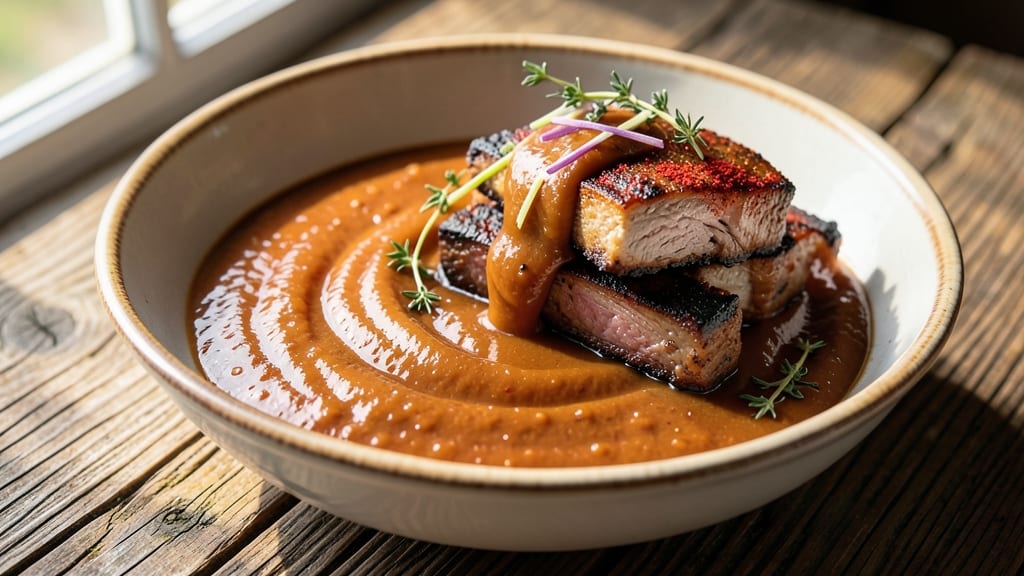
This apple cider vinegar-based BBQ sauce transforms grilled meats into masterpieces with its perfect balance of tangy sharpness and smoky depth. 🔥 As a pitmaster who's spent years perfecting rubs and sauces, I can tell you this recipe delivers restaurant-quality flavor that's simple enough for weeknight cooking.
The vinegar's acidity cuts through richness while building complexity, creating a sauce that clings beautifully to everything from ribs to chicken wings.
The secret lies in the slow simmering process, which reduces the sauce to a glossy, concentrated glaze without losing any of its vibrant flavor. I developed this recipe during a particularly busy summer when I needed a sauce that could handle long grilling sessions without burning or turning bitter.
The spices—smoked paprika, garlic powder, and a touch of cayenne—add layers of warmth that complement the vinegar's brightness perfectly.
What you'll end up with is a versatile sauce that's equally at home as a marinade, glaze, or dipping sauce. It keeps well in the refrigerator for up to two weeks or can be canned for longer storage, making it perfect for meal prep and outdoor cooking adventures.
The sauce's natural tanginess makes it ideal for balancing rich meats, while its balanced sweetness ensures it's kid-friendly too.
Ready in just 30 minutes with simple pantry staples, this sauce delivers professional results without requiring specialized equipment. Whether you're grilling ribs, basting chicken, or dipping fries, this apple cider vinegar-based BBQ sauce will elevate your outdoor cooking every time. Let's get started on creating your perfect glaze.
Ingredients for apple cider vinegar based bbq sauce
Nine simple ingredients transform into a tangy-spiced BBQ masterpiece that'll make ribs and wings unforgettable.
| Ingredient | Amount | Notes |
|---|---|---|
| Apple Cider Vinegar 🍏 | 1 cup | Raw, unfiltered preferred |
| Tomato Paste 🍅 | ½ cup | Squeeze tube or canned |
| Brown Sugar 🍯 | ½ cup | Light or dark variety |
| Smoked Paprika 🌶️ | 2 tbsp | For that smoky depth |
| Garlic Powder 🧄 | 1 tbsp | Freshly ground preferred |
| Onion Powder 🧅 | 1 tbsp | For aromatic base |
| Cayenne Pepper 🔥 | ½ tsp | Adjust for heat preference |
| Ground Black Pepper 🌶️ | ½ tsp | Freshly cracked |
| Salt 🧂 | 1 tsp | Kosher or sea salt |
| Extra-Virgin Olive Oil 🫒 | ¼ cup | For richness and balance |
The apple cider vinegar is non-negotiable here—it's the backbone of that signature tang. Grab the raw, unfiltered kind from the natural foods section at Whole Foods or Trader Joe's if you can. The tomato paste? I always use the squeeze tubes from Trader Joe's—no waste, and it lasts forever. For the brown sugar, light or dark both work, but I lean toward light because it's less likely to overpower. The spices? Penzeys has the best smoked paprika if you want to splurge, but honestly, the regular grocery store stuff works fine as long as it's not ancient. Freshly ground garlic and onion powder make all the difference—if you've got whole spices, toast and grind them yourself.
No apple cider vinegar? White vinegar or lemon juice in a pinch, but you'll lose that deep apple flavor. Running low on tomato paste? Crushed tomatoes at half the amount will work, though the texture will be thinner. Want to kick up the heat? Add an extra 0.25 tsp cayenne. For a sweeter sauce, bump the brown sugar to 0.75 cup. The olive oil is key for balance—use something fruity and high-quality. If you're making this ahead, I like to reduce it further after the initial simmer for an even more concentrated glaze. And trust me, don't skip the salt—it rounds out all the flavors beautifully.
This sauce gets better with time—let it sit for at least 24 hours before using if you can. Store it in a glass jar in the fridge for up to 2 weeks, or can it for 6-12 months if you're feeling ambitious. I always make a double batch because it disappears fast—great on ribs, chicken, pulled pork, or even as a dipping sauce for fries. The sauce thickens as it cools, so stir it well before using if it's been sitting. And if you're grilling, keep some sauce in the fridge to baste with while cooking—nothing beats that fresh-off-the-grill flavor.
Why You'll Love This Recipe
- Pantry Magic: I swear by this sauce because it uses stuff I already have—no special trips to the store. That tangy apple cider vinegar cuts through the sweetness of the brown sugar, while the tomato paste gives it that rich, velvety base without extra effort.
- Smoky-Sweet Balance: The smoked paprika and garlic powder team up for a flavor that’s bold but not overpowering. It’s got that deep, charred edge from the vinegar that makes grilled chicken or ribs taste like they’ve been slow-smoked all day.
- Weeknight & Weekend: Slather it on burgers for a quick dinner or drizzle it over pulled pork for a Sunday feast. It’s that adaptable—even my picky-eating kid asks for extra when it’s on his mac and cheese (yes, really).
- No Waste, All Win: A batch keeps for weeks in the fridge, so I make it once and use it all. The vinegar’s acidity actually preserves it better than most store-bought sauces, and the cost? A fraction of what you’d pay for fancy brands.
Step-by-step instructions for apple cider vinegar BBQ sauce
This tangy-spiced glaze transforms any grilled creation into a showstopper!
🍳 Step 1: Whisk Vinegar and Sugar for Flavor Foundation
In a medium saucepan, combine the 1 cup apple cider vinegar and 0.5 cup brown sugar. Bring to a gentle simmer over medium heat—you'll see tiny bubbles forming along the edges. Stir occasionally for 3-4 minutes until the sugar dissolves completely and the mixture smells like caramelized apple cider.
Here's the thing—raw apple cider vinegar adds that authentic tang, but if you're using filtered, you might want to add an extra splash of lemon juice later for brightness. The sugar helps balance the acidity while creating a beautiful amber color that signals we're ready for the next step.
🍳 Step 2: Build the Sauce Base with Tomato and Spices
Reduce heat to low and stir in the 0.5 cup tomato paste. Let it cook for 2-3 minutes until it thickens slightly and loses its raw tomato smell. Now add the 2 tbsp smoked paprika, 1 tbsp garlic powder, 1 tbsp onion powder, 0.5 tsp cayenne pepper, 0.5 tsp ground black pepper, and 1 tsp salt.
Stir continuously for 1 minute to toast the spices—you'll notice the mixture darkening and filling your kitchen with that irresistible smoky aroma. Don't walk away! The spices need time to bloom and release their full flavor. If it starts to stick, add 1-2 tablespoons of water to keep it smooth.
🥘 Step 3: Finish with Olive Oil for Richness
Remove the saucepan from heat and let it cool slightly for 2 minutes. Then stir in the 0.25 cup extra-virgin olive oil. This is where the magic happens—the oil adds richness and helps the sauce cling beautifully to grilled meats. The sauce should now have a glossy sheen and be thick enough to coat the back of a spoon.
I like to taste it at this stage to adjust seasoning. If it needs more heat, add a pinch more cayenne. If it's too tangy, a tiny bit more sugar balances it. The sauce should be sweet, smoky, and just spicy enough to make your lips tingle. Let it cool completely before using—this helps the flavors meld perfectly.
⏰ Step 4: Rest and Use for Maximum Flavor
Transfer the sauce to a clean jar and let it rest at room temperature for at least 30 minutes (or refrigerate for up to 1 week). This resting period allows all the flavors to develop and the sauce to thicken naturally. The longer it sits, the better it tastes—trust me on this!
When you're ready to use it, give the sauce a good stir. It should be thick enough to glaze but still pourable. For best results, use it warm on grilled chicken, ribs, or even as a marinade. The acidity tenderizes the meat while the spices create that perfect bark. You've just made a sauce that'll have everyone asking for your secret!
Pro Tips For Making Apple Cider Vinegar Based Bbq Sauce
- Simmer Slow and Low: I learned this the hard way—rushing the sauce on high heat turns it bitter and thin. Keep it at a gentle bubble (just enough to see small ripples) for 15–20 minutes. That’s how the tomato paste and brown sugar meld into something rich, not cloying.
- Bloom the Spices First: Skip tossing smoked paprika and garlic powder in dry—it’ll just clump. Heat the vinegar and tomato paste together for 2 minutes first, then whisk in the spices. This wakes up their flavors and keeps the sauce smooth, not gritty.
- Balance the Vinegar: Too much apple cider vinegar and your sauce tastes like a salad dressing. Start with ½ cup per ¼ cup tomato paste, then taste as you go. If it’s sharp, add a pinch more brown sugar; if it’s flat, a splash of vinegar cuts through. Adjust in stages.
- Strain for Smoothness: If you’re using cheap tomato paste or want a restaurant-style finish, strain the sauce through a fine-mesh sieve after simmering. It removes any lumps and gives that silky texture—worth the extra 30 seconds of effort. (Yes, even if you’re impatient like me.)
Storing and reheating your leftovers
Refrigerator Storage
Once your sauce has cooled completely, transfer it to a glass jar with an airtight lid—I swear by Ball mason jars for this. Store it in the fridge for up to 2 weeks, but honestly, it'll disappear faster than that!
The flavors actually deepen over time, so the longer it sits, the better it gets. Just give it a good stir before using, as the sauce thickens as it cools. 🥫
Pro tip: If you're planning to use it within a week, I like to keep it in the fridge in a smaller jar for easy access. For the first few days, the sauce might separate slightly—just shake it up before using.
The vinegar and oil will naturally re-emulsify, and you'll be good to go.
Freezer Storage
For longer storage, portion your sauce into freezer-safe silicone molds or small glass jars, leaving about ½ inch of headspace for expansion. Freeze for up to 3 months—it'll keep its flavor beautifully, though the texture might thicken slightly.
When you're ready to use it, thaw it in the fridge overnight and stir well before reheating. 🧊
I avoid freezing in large batches because it's easier to grab just what you need. If you're prepping for a big cookout, freeze individual portions in ice cube trays—each cube makes a perfect glaze for a single rack of ribs or a batch of wings.
Just pop them into a saucepan with a splash of water and warm gently over low heat to restore that glossy consistency.
Reheating Methods
For the best results, reheat your sauce gently on the stovetop. Pour it into a small saucepan and warm over low heat for 3-5 minutes, stirring occasionally. If it thickens too much, add 1-2 tablespoons of water or apple cider vinegar to loosen it up.
Avoid high heat—you don't want to burn the sugar and turn your sauce bitter. 🔥
If you're in a hurry, microwave reheating works in a pinch. Transfer the sauce to a microwave-safe bowl and heat in 20-second bursts, stirring between each, until it reaches 165°F.
The microwave can make the sauce unevenly hot, so always check the temperature with a thermometer to avoid scalding your mouth.
Canning for Long-Term
For serious prep, you can can your sauce using the water bath method for up to 12 months of shelf stability. Use sterilized pint jars and process them in a boiling water bath for 15 minutes after filling.
The acidity from the vinegar helps preserve the sauce naturally, but always follow proper canning guidelines for safety. 🏺
I've canned batches of this sauce for my annual BBQ competitions, and it holds up beautifully. Just
Nutrition facts
Frequently asked questions
Can I substitute apple cider vinegar with white vinegar?
The apple cider vinegar gives this sauce its signature depth and caramel notes, but you can use white vinegar in a pinch. For best results, add 1 teaspoon of lemon juice per ½ cup white vinegar to mimic the fruity complexity. The sauce will still work, but it'll lack that rich apple aroma.
How do I adjust the heat level in this sauce?
Start with the ½ teaspoon cayenne called for, then adjust to taste. For mild heat, reduce to ¼ teaspoon or omit completely. For extra kick, add up to 1 teaspoon cayenne or a pinch of red pepper flakes. Taste as you go—remember, spices intensify as the sauce cools!
Can I make this sauce without tomato paste?
Replace the ½ cup tomato paste with ½ cup crushed tomatoes for a thinner sauce, or use ¼ cup tomato paste plus ¼ cup water to maintain thickness. The sauce will have a slightly different texture but still deliver that perfect tangy-spiced balance. Just simmer longer to reduce any excess liquid.
Why does my sauce get too thick when cooled?
This is totally normal—the sauce thickens as it cools due to the starches in the sugar and tomato paste. To adjust, simply add 1-2 tablespoons of water or apple cider vinegar and stir well. For a glossier finish, reheat gently on low heat while stirring continuously. The sauce should be thick enough to cling but still pourable.
What's the best way to use this sauce on ribs?
For ribs, apply a thin layer of sauce during the last 30 minutes of cooking, then baste frequently. The vinegar's acidity helps tenderize while the spices create that perfect bark. For extra shine, brush on another coat after removing from the grill. Pro tip: Save some sauce to baste with while cooking—it'll keep your ribs moist and flavorful!