
Sauces & Condiments
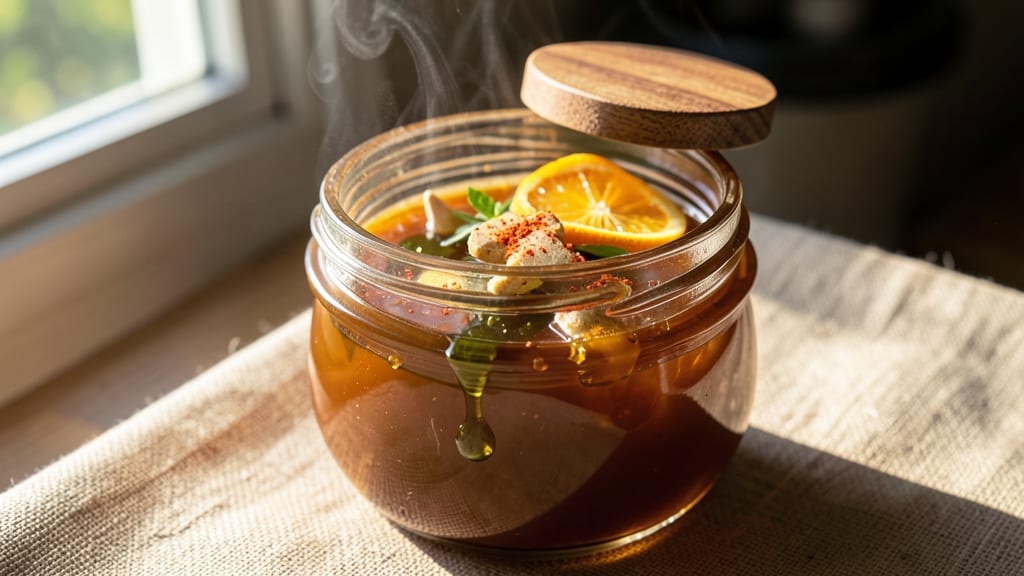
This apple cider vinegar, cayenne pepper, and honey glaze transforms ordinary dishes into something extraordinary with just three simple ingredients. The tangy sharpness of vinegar, the slow-building heat of cayenne, and the deep sweetness of honey create a perfect balance that works as a marinade, glaze, or finishing drizzle.
I developed this recipe after craving a sauce that could elevate everything from grilled chicken to roasted vegetables without overpowering their natural flavors.
The beauty of this glaze lies in its versatility—it’s equally at home drizzled over yogurt bowls, brushed onto seared steaks, or tossed with fresh greens for a zesty dressing.
The cayenne adds warmth without overwhelming, while the honey rounds out the acidity, creating a complex flavor profile that’s both satisfying and unexpected. What makes it truly special is how quickly it comes together with just a few minutes of prep.
Once mixed, this glaze keeps beautifully in the refrigerator for up to two weeks, making it a go-to pantry staple for last-minute flavor boosts. The acidity from the vinegar tenderizes proteins, while the honey caramelizes slightly when exposed to heat, adding depth to every dish it touches.
Whether you're grilling, roasting, or simply looking to elevate a simple meal, this sauce delivers restaurant-quality results with minimal effort.
Start with a small batch to test the heat level—adjust the cayenne to your preference—but trust that the balance of sweet, tangy, and spicy will transform even the simplest ingredients into something memorable. Let’s get cooking!
Ingredients for apple cider vinegar cayenne pepper and honey
Three core ingredients plus a few supporting players create a versatile glaze that elevates everything from grilled proteins to roasted vegetables.
| Ingredient | Amount | Notes |
|---|---|---|
| Apple Cider Vinegar 🍎 | ½ cup | Raw, unfiltered preferred for depth |
| Raw Honey 🍯 | ½ cup | Local or clover variety recommended |
| Cayenne Pepper 🌶️ | 1 ½ tsp | Adjust to heat preference (start mild) |
| Extra-Virgin Olive Oil 🫒 | 2 tbsp | For glossy finish and balance |
| Garlic Cloves 🧄 | 2 cloves | Minced for aromatic depth |
| Fresh Ginger 🌿 | 1 tbsp | Grated, optional for complexity |
| Diamond Crystal Kosher Salt 🧂 | ½ tsp | For seasoning balance |
| Water 💧 | 2 tbsp | For thinning if needed |
The quality of your apple cider vinegar and honey makes all the difference here. Bragg or Texas Pete apple cider vinegar delivers that classic tang, while raw honey—especially local varieties—adds depth and floral notes. For cayenne, Penzeys or bulk bins at specialty stores ensure potency. The olive oil should be fruity and peppery to complement the heat; California olive oils often excel. Fresh ginger, if used, should be peeled and grated just before mixing to preserve its bright flavor. Store-bought grated ginger loses its punch quickly.
No raw honey? Maple syrup or agave nectar work in a pinch, though the flavor profile shifts slightly. Short on vinegar? Lemon juice at half the amount mimics the acidity, though it lacks the depth. Cayenne too spicy? Swap for smoked paprika at double the amount for warmth without heat. The glaze thickens as it sits—add water 1 teaspoon at a time if needed for brushing. For a richer finish, substitute 1 tablespoon of tahini for the olive oil, though the texture will be slightly thicker.
This glaze keeps for up to 2 weeks in an airtight container in the fridge, though the flavors meld beautifully after 24 hours. For long-term storage, freeze in ice cube trays—thaw and whisk before use. The glaze caramelizes further when reheated, so brush it on just before serving for maximum impact. A small batch (like this one) is perfect for testing heat levels; double or triple for crowd-pleasing quantities. Always taste before using—adjust cayenne or honey as needed.
Why You'll Love This Recipe
- Five-Ingredient Magic: I swear by this combo—just stir, taste, adjust. No chopping, no waiting, no fancy gadgets. Honestly, the only tool you need is a spoon and a jar.
- Warm Spice Kick: That honey and cayenne dance is chef’s kiss—sweet heat that lingers without overwhelming. The garlic and olive oil just tie it all together like a cozy hug in sauce form.
- Dress-Up Everything: Drizzle it over roasted veggies, toss it with grilled chicken, or stir it into soup. Between us, it’s my go-to for turning bland into "I’d eat this every day."
- Pantry Goldmine: Uses stuff you already have, costs pennies, and lasts forever. I’ve had this jar for months—still potent, still delicious. Perfect for when you’re broke or just lazy.
Step-by-step instructions for spicy-sweet glaze
This glaze delivers bold flavor with minimal effort—perfect for elevating grilled meats, roasted vegetables, or even drizzled over yogurt.
Combine Vinegar, Honey, and Cayenne
In a medium saucepan, pour in the 0.5 cup apple cider vinegar and 0.5 cup raw honey. Place over medium-low heat and stir gently until the honey dissolves completely, which should take about 3-4 minutes. You'll see a smooth, golden liquid forming—this is your flavor foundation.
Next, add the 1.5 teaspoons cayenne pepper and stir well to distribute evenly. The mixture will darken slightly and develop a subtle spicy aroma. Keep the heat at medium-low—too high will scorch the honey and create bitterness. This step builds the glaze's signature balance of sweetness and heat, so don't rush it.
Incorporate Aromatics and Salt
Add the 2 cloves minced garlic and 1 tablespoon grated fresh ginger to the saucepan. Stir for 1 minute until fragrant—you should smell the sharpness of garlic and the warm, earthy notes of ginger. Then add the 2 tablespoons extra-virgin olive oil and 0.5 teaspoon Diamond Crystal kosher salt, stirring constantly to combine.
The olive oil helps emulsify the glaze, giving it a glossy finish that clings beautifully to food. The salt enhances all the flavors while balancing the acidity of the vinegar. Let the mixture simmer for 2-3 minutes until it thickens slightly but remains pourable. If it becomes too thick, you can thin it later with the 2 tablespoons water—just don't add it yet.
Simmer and Reduce for Depth
Continue simmering the glaze at medium-low heat for 5-7 minutes, stirring occasionally. You're looking for a reduction that coats the back of a spoon but still flows smoothly. The glaze should darken slightly and develop a rich, syrupy consistency—this is where the flavors meld together.
Taste and adjust seasoning if needed. If the heat from the cayenne isn't strong enough, add a pinch more. If it's too sharp, a touch of honey can balance it. Once satisfied, remove the pan from heat and let the glaze cool for 5 minutes—this allows the flavors to settle and prevents scorching when applied to hot food.
Thin and Finish as Needed
If the glaze is too thick after cooling, stir in 1 tablespoon water at a time until it reaches your desired consistency. It should coat the back of a spoon but still flow easily when drizzled. For a glossier finish, add another ½ teaspoon olive oil and stir well.
Transfer the glaze to a clean jar or small bowl and let it cool completely. This glaze keeps well in the refrigerator for up to 2 weeks, making it perfect for batch prep. Use it immediately on grilled chicken, pork, or vegetables, or store it for later—just reheat gently before using to maintain its silky texture.
Pro Tips For Making Apple Cider Vinegar Cayenne Pepper And Honey
- STIR CONSTANTLY WHEN HEATING: This isn’t just a drizzle—it’s a sauce, and you will burn it if you walk away. Heat the apple cider vinegar and honey over low-medium heat, stirring every 10-15 seconds until the honey starts to soften. I learned this the hard way when my first batch turned into caramelized glue. A wooden spoon works best—you’ll feel the texture change before you see it.
- USE RAW HONEY—NO SUBSTITUTES: Raw honey’s moisture content and unprocessed texture make it the only choice here. Processed honey is too thick and can turn grainy when mixed with vinegar and cayenne. If you’re in a pinch, gently warm the honey first (just until it flows like syrup), but don’t overdo it—you’ll kill the flavor. Trust me, your taste buds will notice the difference.
- CONTROL THE CAYENNE GRIND: Measure cayenne by weight (½ tsp) if you can—volume is unreliable. Too much? It’ll overpower the honey’s sweetness and make the vinegar taste like a ghost pepper’s revenge. Too little? You’ll wonder why your dish lacks that subtle kick. Toast the cayenne in a dry pan for 10 seconds first—it deepens the flavor without adding heat. (Yes, even if you’re sensitive to spice.)
- GARLIC FIRST, THEN VINEGAR: Crush the garlic cloves before adding them to the oil—this releases more flavor. Let them sit in the warm oil for 30 seconds until fragrant (but don’t brown them). Then add the vinegar last—this prevents the garlic from turning bitter. I used to add vinegar first, and the garlic always tasted like it was fighting a losing battle.
Essential equipment for great apple cider vinegar cayenne pepper and honey
Small Batch Essentials
For this recipe, you’ll need just a medium saucepan—nothing fancy! I use my Calphalon stainless steel saucepan because it heats evenly and prevents scorching. A wooden spoon is ideal for stirring, as metal can scratch the pan.
If you’re making a larger batch, a heavy-bottomed pot helps prevent hot spots. 🔥
Precision Tools
A fine-mesh strainer comes in handy if you prefer your glaze completely smooth—strain out any grated ginger fibers after simmering. For measuring, a liquid measuring cup ensures accuracy with the vinegar and honey.
A small whisk helps dissolve the honey quickly at the start. I keep a digital kitchen scale nearby for adjusting cayenne—it’s easier to measure ½ teaspoon precisely than eyeballing it.
Storage Containers
Transfer the finished glaze to an airtight glass jar—I love Le Parfait 16-ounce jars for their wide mouths and durability. For freezing, silicone ice cube trays work perfectly—just pop out a cube whenever you need a quick glaze boost.
Label your containers with the date to track freshness. A small funnel helps avoid spills when transferring liquids.
Heat Control Tools
Monitor your glaze’s temperature with a candy thermometer if you’re aiming for a specific consistency—ideal range is 212-220°F for a glossy finish. A heat diffuser (like a Cuisinart stainless steel one) prevents scorching if your stove runs hot.
For testing heat levels, I keep small tasting spoons nearby—always taste before adjusting cayenne!
Optional Upgrades
For extra flavor depth, a mortar and pestle lets you crush whole garlic cloves instead of mincing. A microplane gives you perfectly grated ginger with minimal effort.
If you love infused oils, a small jar for storing your olive oil with garlic cloves before adding to the glaze adds another layer of complexity.
Cleanup Must-Haves
Keep a dish towel handy for quick wipe-downs—this glaze sticks to everything! A small bowl of water nearby helps rinse the wooden spoon between uses. For stubborn residue, a rubber spatula scrapes the bottom of the pan clean.
I also keep citrus peels in my trash can to freshen it up after vinegar and honey cleanup. 💡
Nutrition facts
Frequently asked questions
Can I make this glaze without honey?
Yes, but the flavor profile will change significantly. Swap the honey for maple syrup or agave nectar at the same ratio, though the glaze will taste less complex. For a tangy alternative, try 1/4 cup extra apple cider vinegar + 1/4 cup water to maintain balance, but you'll lose the sweet depth that rounds out the cayenne's heat.
How spicy will this glaze be with 1.5 teaspoons of cayenne?
That amount delivers noticeable heat without overwhelming—think "kick" rather than "fire." For milder heat, reduce to 1 teaspoon or swap for 1/2 teaspoon cayenne + 1 teaspoon smoked paprika. If you love spice, increase by 1/4 teaspoon increments and taste as you go. Remember, heat builds when the glaze cooks with food.
What's the best way to use this glaze on vegetables?
Brush it on roasted Brussels sprouts, sweet potatoes, or asparagus during the last 5-7 minutes of cooking for maximum caramelization. For grilled veggies, apply after grilling and serve immediately. The acidity tenderizes tougher vegetables like eggplant or zucchini, while the honey helps them brown beautifully. Try it on grilled portobello mushrooms for a meaty texture upgrade!
Can I make this ahead of time?
The flavors actually improve when the glaze rests. Make it 1-2 days ahead and store in an airtight container in the fridge. Stir well before using, as the cayenne may settle. For longer storage, freeze in ice cube trays—thaw overnight in the fridge and whisk to restore smoothness. The acidity and honey work together to prevent separation.
Why did my glaze get too thick?
This happens when the vinegar and honey reduce too much during simmering. To fix it, stir in 1 tablespoon water at a time until it reaches a pourable consistency. For prevention, reduce heat to low during the final 5 minutes of simmering. If you prefer a thicker glaze (like for drizzling), let it cool completely—it will thicken further as it sits.